What Does Jeep Wj Stand For
Jeep owners often use special codes to talk about their vehicles. If you search for “Jeep WJ,” you may wonder what those letters mean.
Understanding this code can help you with repairs, upgrades, and even buying or selling a Jeep. Let's clear up the mystery behind Jeep WJ and explore why this model is important in Jeep history.
What Does “wj” Really Mean?
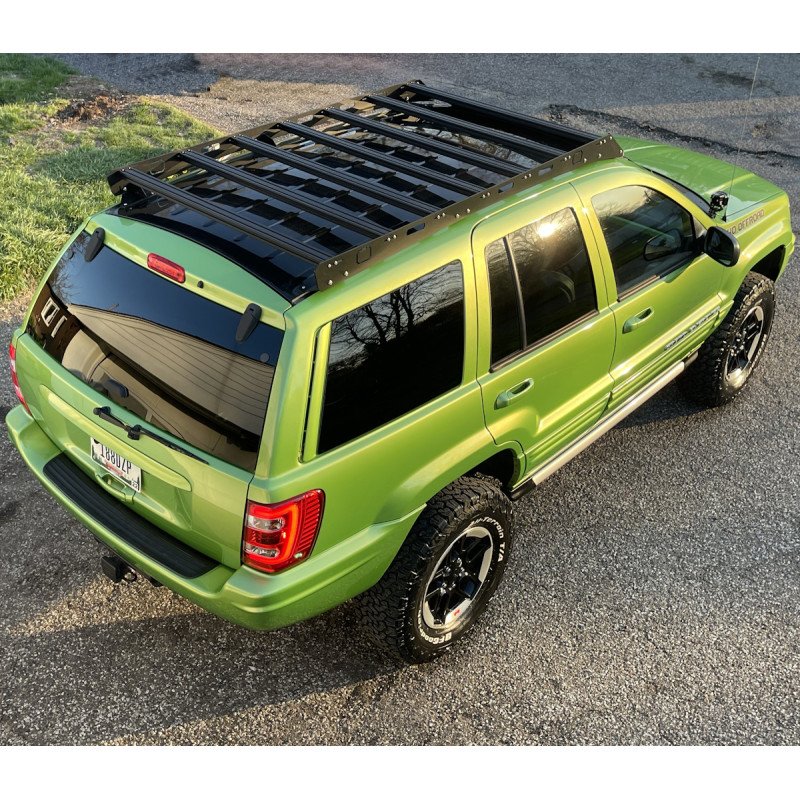
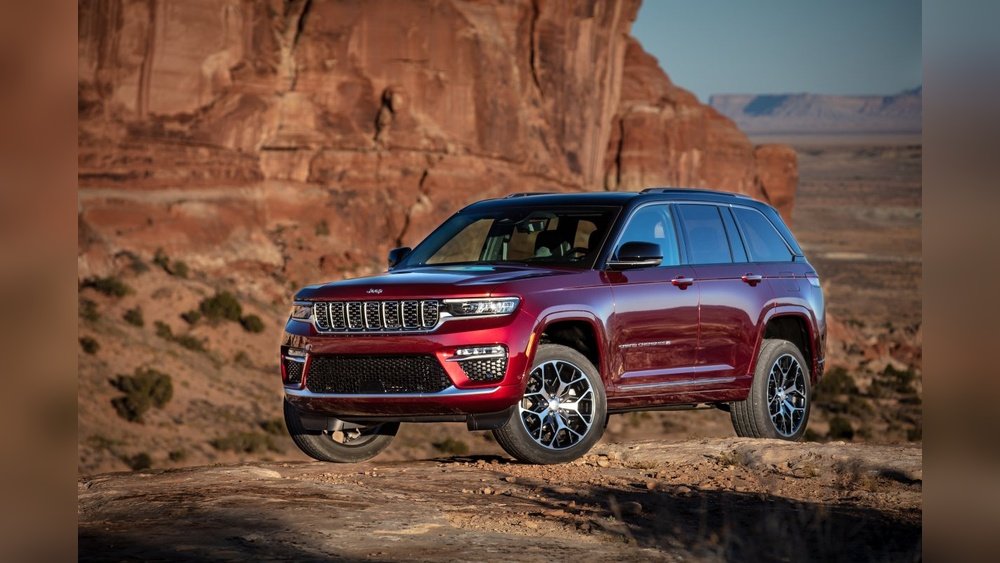
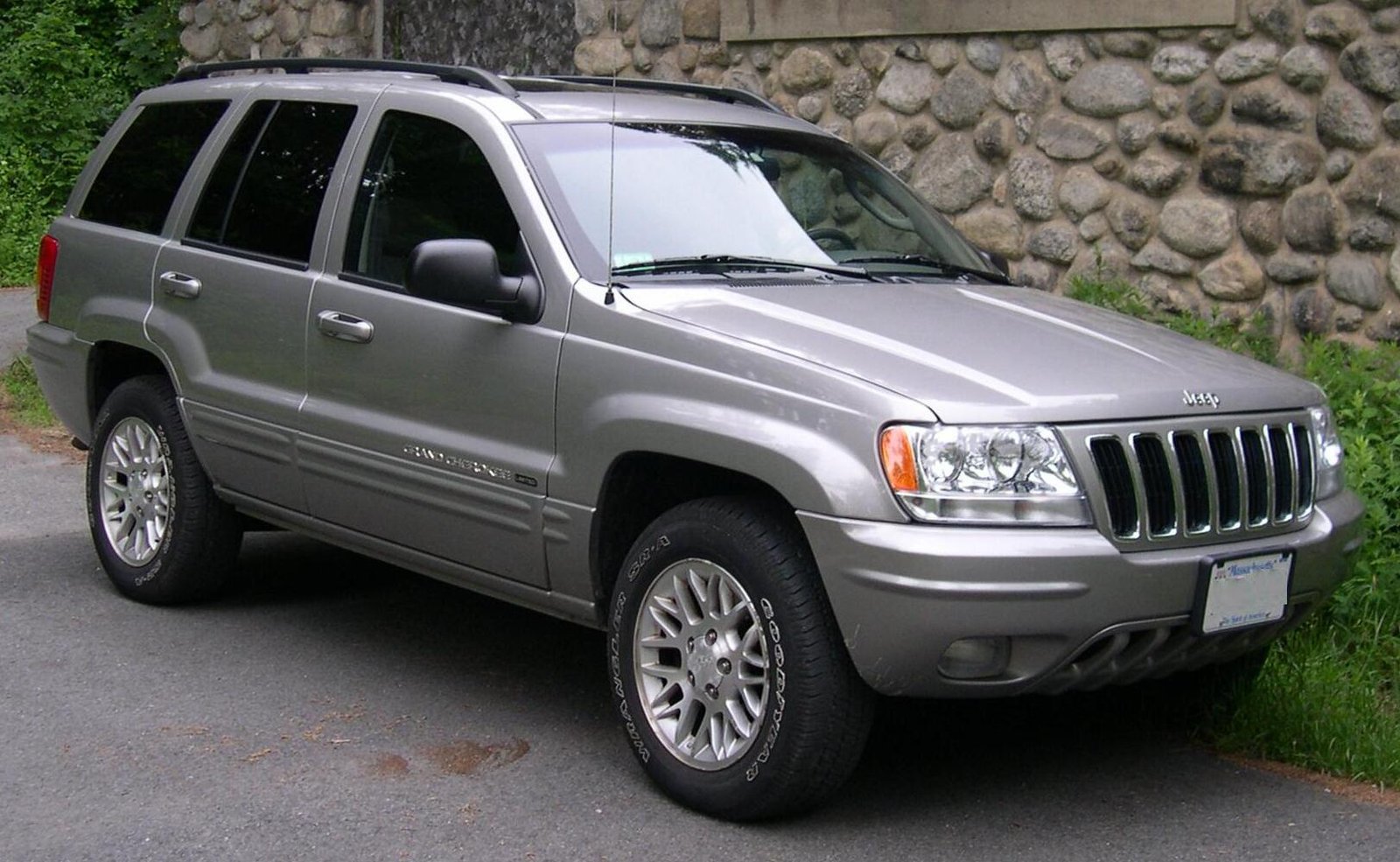
“WJ” is the internal code used by Jeep and its parent company, Chrysler, for the second-generation Grand Cherokee. This model was produced from 1999 to 2004. Each Jeep generation gets a code name. For example, the first Grand Cherokee was the “ZJ,” and the third was the “WK.”
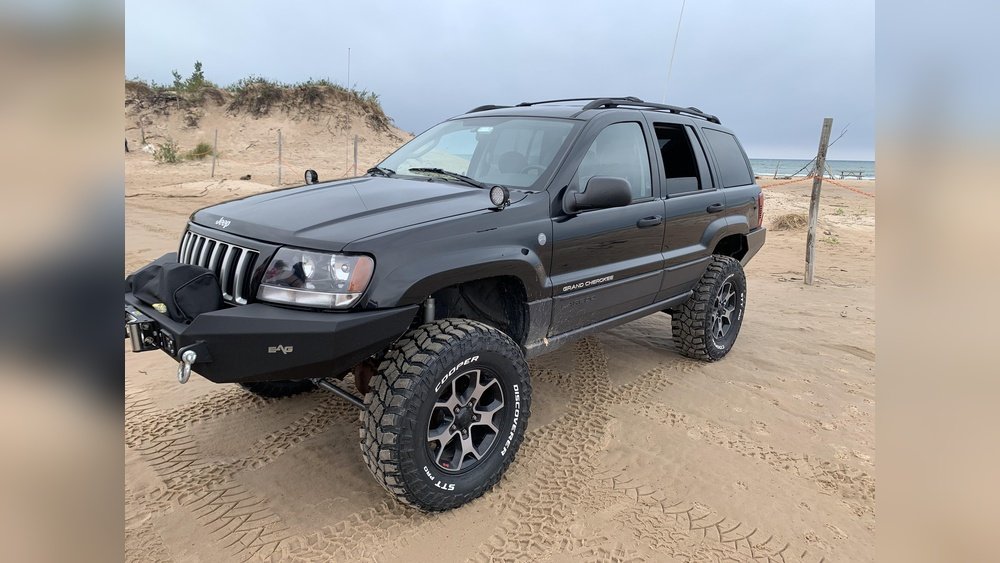
The “WJ” code is not an acronym. It doesn’t stand for specific words. Instead, it is a project code used during the design and engineering phase. Jeep uses these codes to keep track of different generations and changes.
Why The Wj Matters
The Jeep WJ is known for its mix of comfort, off-road ability, and modern features. When it arrived in 1999, it brought many upgrades compared to the older ZJ model. The WJ became popular with both families and off-road fans.
Here are some reasons the WJ stands out:
- Strong 4×4 system: The WJ introduced the Quadra-Drive system, which gave better traction.
- Improved ride: It had a smoother suspension, making it comfortable on highways.
- Better safety: Side airbags and improved crash ratings were added.
- Modern tech: Features like automatic climate control and navigation appeared for the first time.
Key Features Of The Jeep Wj
The WJ Grand Cherokee was packed with features that made it unique. Here’s a look at what set it apart.
| Feature | WJ (1999-2004) | ZJ (1993-1998) | WK (2005-2010) |
|---|---|---|---|
| Engine Options | 4.0L I6, 4.7L V8 | 4.0L I6, 5.2L/5.9L V8 | 3.7L V6, 4.7L/5.7L V8 |
| 4WD Systems | Quadra-Trac II, Quadra-Drive | Selec-Trac, Quadra-Trac | Quadra-Trac II, Quadra-Drive II |
| Safety | Front & Side Airbags | Front Airbags | Front & Side Curtain Airbags |
| Navigation | Available | Not Available | Available |
Engine Choices
The WJ came with two main engines:
- 4.0L Inline-Six: Reliable and easy to repair. Known for long life.
- 4.7L V8: More power for towing and off-road use.
A small number of European WJs had a 2. 7L diesel engine, but this was not sold in the US.
Suspension And Handling
The WJ used coil springs at all four corners. This design gave a smooth ride and good off-road movement. The steering and brakes were also upgraded for better control.
Interior And Technology
The WJ marked a step forward in comfort. It offered:
- Heated seats
- Dual-zone climate control
- Optional navigation system
- Premium audio
These features made the WJ feel more like a luxury SUV than earlier Jeeps.
Common Issues And What To Watch For
Like any vehicle, the Jeep WJ has some known problems. Here are the most common ones:
- Blend Door Failure: The air conditioning may stop changing temperature. This is due to broken blend doors inside the dash.
- Electrical Problems: Window switches and power seats sometimes stop working.
- Rust: Look for rust on the rocker panels and underbody, especially in cold climates.
- 4.7L V8 Issues: This engine can suffer from oil sludge and valve problems if not maintained well.
Most of these problems can be fixed, but it’s smart to check them before buying a used WJ.
Jeep Wj Vs. Other Jeep Models
To help you see where the WJ fits in the Jeep family, compare it with a few other popular models:
| Model | Years | Main Strength | Main Weakness |
|---|---|---|---|
| ZJ | 1993–1998 | Simplicity, easy to repair | Less refined, fewer safety features |
| WJ | 1999–2004 | Comfort and 4×4 ability | Some electrical issues |
| WK | 2005–2010 | Modern styling, more engines | More electronics to fix |
Why Enthusiasts Still Love The Wj
Many Jeep fans think the WJ is the “sweet spot. ” It offers a balance between old-school toughness and modern comfort. The WJ is strong enough for off-roading, but it’s also comfortable for daily drives.
Here are two insights you may not hear often:
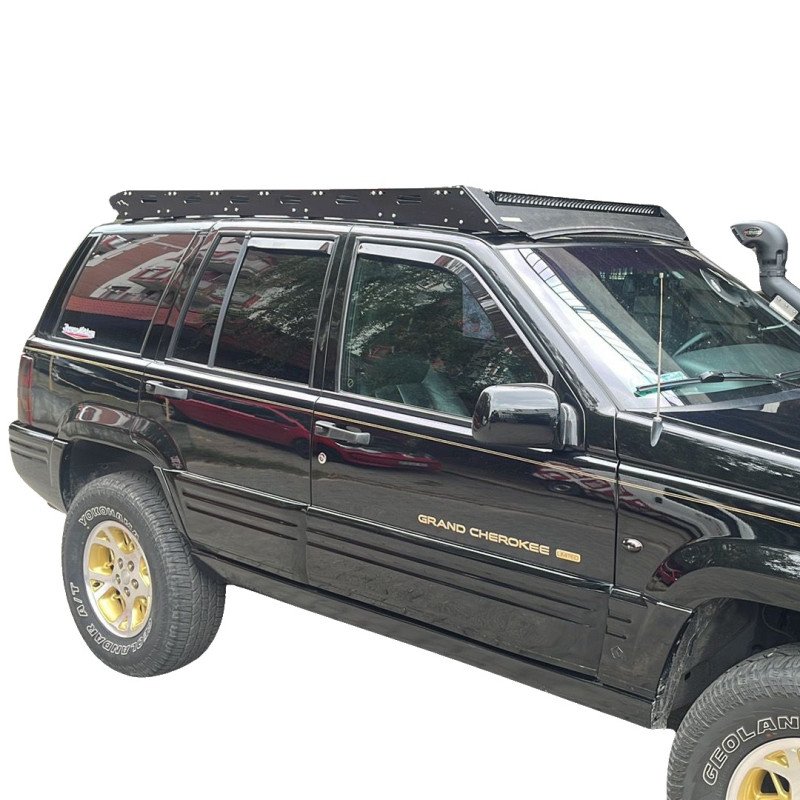
- WJ axles are stronger than those in some newer models, making them popular for off-road upgrades.
- The 4.0L engine can last over 250,000 miles with basic care—many owners report reaching this milestone.
Upgrades are easy because parts are widely available. The WJ’s blend of tech and simplicity makes it a favorite for custom builds.
Buying Tips For A Used Jeep Wj
If you’re thinking about buying a WJ, here are some tips:
- Check the 4×4 system: Make sure it engages smoothly.
- Listen for odd noises: Clunks or squeaks can mean worn suspension parts.
- Look for leaks: Oil or coolant leaks are common, especially around the valve covers.
- Review maintenance records: A well-maintained WJ is usually reliable.
Avoid WJs with signs of heavy rust or major electrical issues. These are often expensive to fix.
Frequently Asked Questions
What Does “wj” Stand For In Jeep?
“WJ” is not an acronym. It is the internal code for the second-generation Jeep Grand Cherokee (1999–2004). Jeep uses these two-letter codes to identify each generation.
How Is The Wj Different From The Zj?
The WJ has a stronger structure, better suspension, more advanced 4×4 systems, and modern comfort features. It is also safer, thanks to side airbags and improved crash ratings.
Is The Jeep Wj Good For Off-roading?
Yes, the WJ is popular for off-roading. Its Quadra-Drive system, strong axles, and solid suspension make it capable on trails. Many owners upgrade their WJs for even tougher use.
What Engines Are Available In The Jeep Wj?
In the US, the WJ came with two main engines: the 4.0L inline-six and the 4.7L V8. Some European versions had a 2.7L diesel engine.
Where Can I Find More Details About Jeep Model Codes?
You can read more about Jeep’s naming system at the Jeep Grand Cherokee Wikipedia page.
The Jeep WJ stands as a turning point in the Grand Cherokee family. It mixes old Jeep toughness with newer comfort and technology.
Whether you want an off-road project or a daily driver, the WJ offers a strong value and a special place in Jeep history.