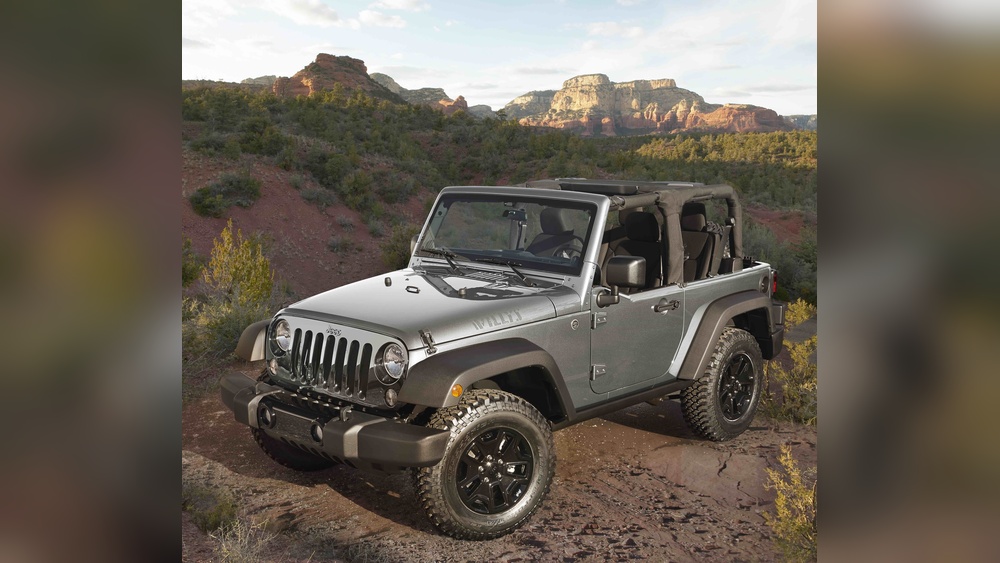
What Does Jeep 392 Mean
The term Jeep 392 has become popular among off-road fans and car lovers. If you’ve heard about it but aren’t sure what it means, you’re not alone.
The Jeep 392 is not just a name or badge—it represents a special engine and a new level of performance in Jeep vehicles. Understanding what “392” stands for can help you see why this model is so impressive and why many people are excited about it.
The Jeep 392 also signals a bold move by Jeep to combine classic off-road strength with modern muscle-car power, giving drivers a vehicle that can handle almost any situation.
What Does “392” Stand For?
The “392” in Jeep 392 refers to the engine’s cubic inch displacement. This is a measurement of the volume inside the engine cylinders. The Jeep 392 uses a 6.4-liter V8 engine, and 6.4 liters equals about 392 cubic inches. This size is much larger than most Jeep engines, which are usually four- or six-cylinder.
The 392 engine is also called the Hemi V8 because of its hemispherical combustion chamber. This design helps the engine breathe better and produce more power. Many car fans appreciate the Hemi because it’s a part of muscle car history, used in famous Dodge and Chrysler vehicles. In the Jeep 392, the engine’s size allows for more air and fuel in each cycle, which creates higher horsepower and torque. This means more strength to handle steep hills, deep mud, or towing heavy loads.
Jeep Wrangler Rubicon 392 Overview
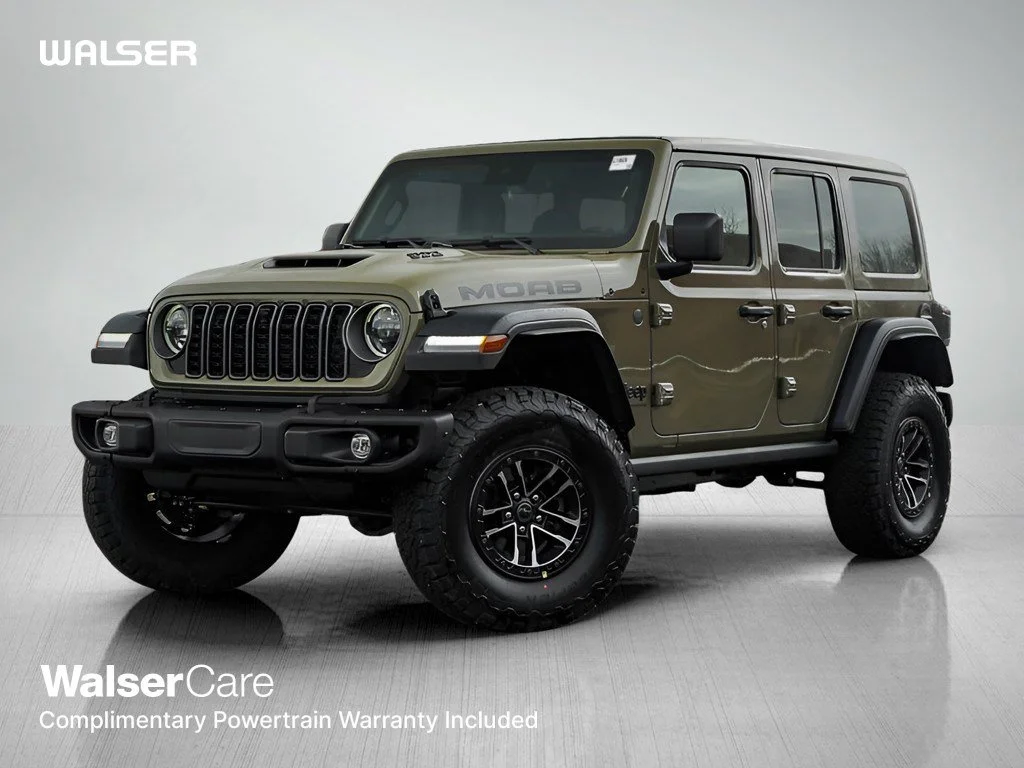
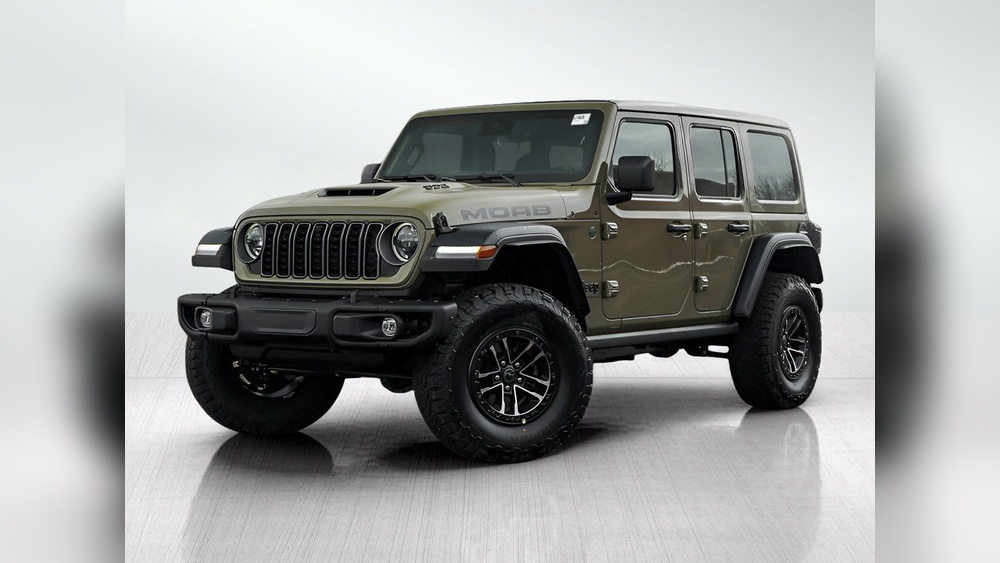
The Jeep Wrangler Rubicon 392 is the only current Jeep model that uses the 392 engine. It’s designed for people who want strong power and off-road capability.
- Engine: 6.4-liter Hemi V8
- Horsepower: 470 hp
- Torque: 470 lb-ft
- 0–60 mph: About 4.5 seconds
This model is much faster and stronger than regular Wranglers. It’s also louder and more fun to drive, especially for those who like adventure.
The Rubicon 392 comes with a special hood scoop, aggressive tires, and a tougher frame. Inside, you’ll find leather seats, paddle shifters, and technology for both comfort and safety.
These details make the driving experience unique, whether you’re cruising on the highway or climbing rocky trails. Owners often mention the thrill of hearing the V8 roar and feeling instant power when they press the pedal.
Performance And Features
The Jeep 392 isn’t just about speed. It also includes special features for off-road use:
- Heavy-duty suspension for rough terrain. This means the Jeep can handle big bumps, rocks, and uneven surfaces without damaging important parts underneath.
- Hydro-guide air intake system helps the engine stay cool. This system also allows the Jeep to drive through water deeper than most SUVs, because it keeps water out of the engine.
- Dual exhaust for better sound and airflow. The exhaust not only makes a deep, sporty noise, but also helps the engine run more efficiently.
- Fox shocks for better control on bumpy roads. These shocks are famous in off-road racing and give a smoother ride over tough ground.
These features make the Jeep 392 perfect for both city driving and extreme trails. The Rubicon 392 also includes off-road tires with extra grip and skid plates that protect the underbody. For added safety, electronic systems like hill descent control and special traction modes help you stay in control in tricky situations. One detail many miss: the 392 has a full-time four-wheel-drive system, so you don’t have to switch modes when the road changes.
Comparison: Jeep Wrangler Rubicon Vs Jeep 392
To see how the Jeep 392 stands out, here is a quick comparison:
| Model | Engine | Horsepower | Torque | 0–60 mph |
|---|---|---|---|---|
| Wrangler Rubicon | 3.6L V6 | 285 hp | 260 lb-ft | ~7.0 sec |
| Wrangler 392 | 6.4L V8 | 470 hp | 470 lb-ft | ~4.5 sec |
As you can see, the Jeep 392 is much more powerful and faster than the standard Rubicon. Besides the numbers, the feel is very different: the 392 gives a more aggressive and immediate response when you press the gas, while the regular Rubicon is more relaxed. For example, if you want to pass another car on the highway or need extra power climbing a mountain, the 392 responds instantly.
Why Choose The Jeep 392?
Here are some reasons why people prefer the Jeep 392:
- Power: The V8 engine offers strong acceleration, making highway merging and overtaking easy.
- Sound: The exhaust note is deep and sporty, giving a muscle-car feeling every time you start the engine.
- Off-road ability: It can handle tough trails with ease, thanks to its advanced suspension and torque.
- Uniqueness: Few SUVs have such a big engine, making the 392 rare and special.
One insight many beginners miss: The Jeep 392 is not just about speed. Its extra torque is very helpful for climbing rocks or moving through mud, making it a practical choice for real off-roaders.
Another overlooked point: The 392’s power means you can tow trailers, boats, or campers more easily than with smaller-engine Jeeps. If you like camping or have outdoor hobbies, this extra capability can make a big difference.
Jeep 392 Price And Value
The Jeep 392 is more expensive than most Wranglers. The starting price is around $75,000.
However, you get high performance and special features.
Here’s a price comparison:
| Model | Base Price (USD) | Engine |
|---|---|---|
| Wrangler Sport | $35,000 | 3.6L V6 |
| Wrangler Rubicon | $45,000 | 3.6L V6 |
| Wrangler 392 | $75,000 | 6.4L V8 |
Some buyers make the mistake of only looking at horsepower. It’s important to consider what you really need: If you don’t plan to go off-road or want better fuel economy, other models may be better.
The Jeep 392 also holds its value well because it’s rare. Collectors and fans often look for special models, so you may get a good resale price later.
However, don’t forget to factor in the higher cost of insurance and maintenance for such a powerful vehicle.

Real-world Examples
Many Jeep 392 owners use their vehicles for:
- Rock crawling—using the strong torque to climb over large rocks and obstacles.
- Mud trails—taking advantage of the 392’s power to get through deep mud that would stop smaller engines.
- Long highway trips—enjoying a smooth ride with plenty of passing power.
- Family adventures—using the space and strength for road trips, camping, and towing gear.
One non-obvious insight: The Jeep 392’s engine is built for both speed and endurance. You can drive for hours without losing performance, which is rare in powerful SUVs.
Another example: Some owners use the 392 for both work and play. It’s rugged enough for construction sites or mountain trails, but comfortable enough for daily commuting. This flexibility is one reason why many people are willing to pay more for the 392.
Jeep 392 Fuel Economy
A common question is about fuel economy. The Jeep 392 is not very fuel efficient:
- Average: 13 mpg city, 17 mpg highway
This is lower than smaller-engine Jeeps, so be ready to spend more on gas.
It’s important to understand that the 392’s fuel use is the price for its power. If you do a lot of city driving or care about saving money on fuel, this may not be the best choice.
However, if you need towing strength or plan to go off-road often, the higher fuel cost might be worth it.
Some owners also use premium fuel, which can add to the expense.

Jeep 392 Vs. Competitors
How Does The Jeep 392 Compare To Other Off-road Suvs?
| Model | Horsepower | Torque | Price |
|---|---|---|---|
| Jeep 392 | 470 hp | 470 lb-ft | $75,000 |
| Ford Bronco Raptor | 418 hp | 440 lb-ft | $72,000 |
| Toyota 4Runner TRD Pro | 270 hp | 278 lb-ft | $54,000 |
The Jeep 392 is the most powerful and expensive in this group. It’s designed for those who want maximum performance.
One extra insight: While the Ford Bronco Raptor is also very capable off-road, it uses a turbocharged V6, which delivers power differently. Some drivers prefer the natural V8 feel of the Jeep 392 for its classic, instant response. The Toyota 4Runner TRD Pro is reliable and tough, but its engine is much less powerful, so it’s better for those who don’t need as much speed.
Frequently Asked Questions