If you drive a Jeep or are thinking about owning one, you might have seen the setting "4L" on the gear shift or transfer case. For many new Jeep drivers, 4L can seem confusing.
What does it actually mean? When should you use it?
Knowing how to use 4L correctly can help keep you safe, protect your Jeep, and improve your off-road experience. Let’s break down what 4L really means, how it works, and when you should use it.
What Does 4l Mean In A Jeep?
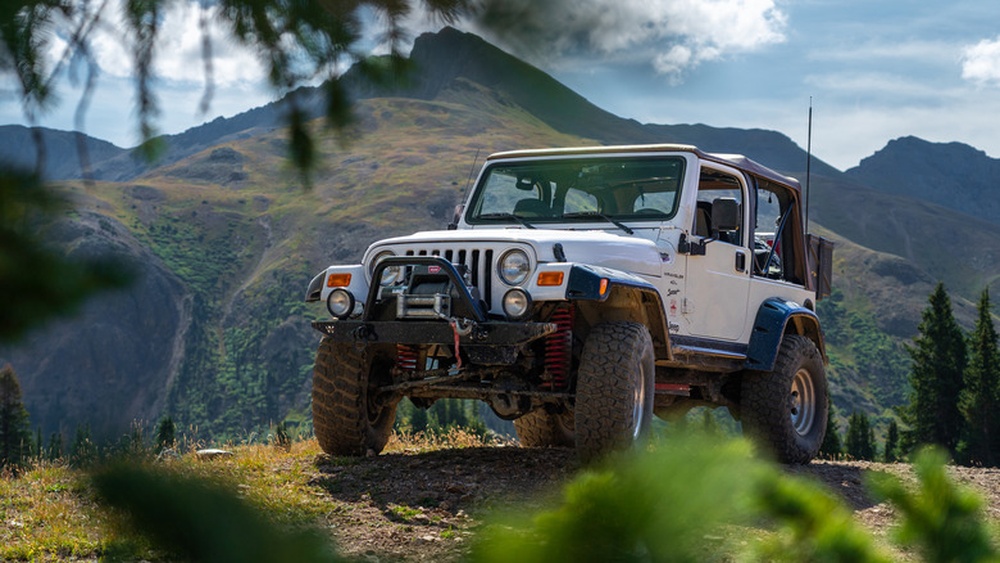
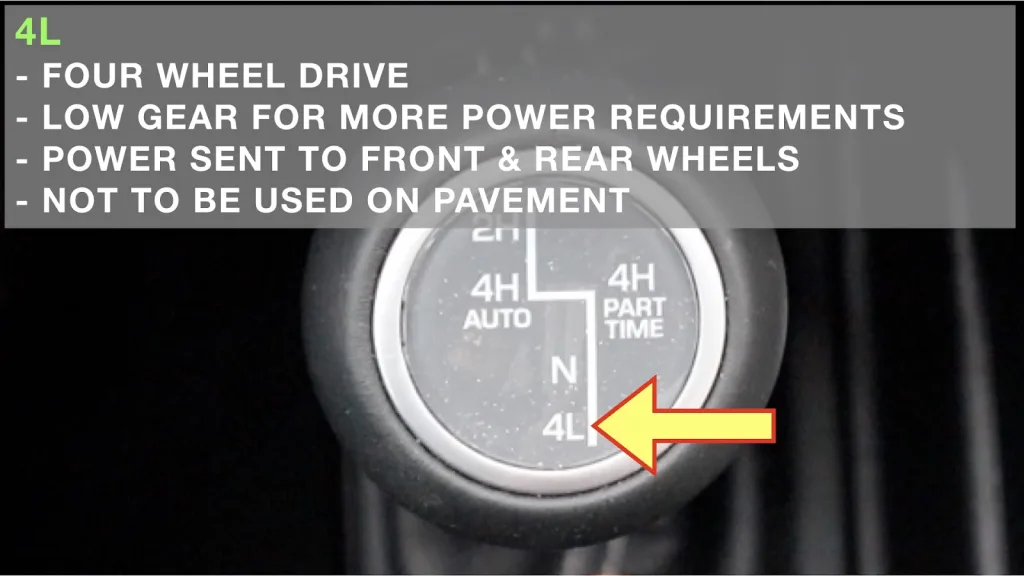
The term 4L stands for Four-Wheel Drive Low Range. This is a special gear setting found in many Jeeps and other 4×4 vehicles. When you switch your Jeep to 4L, both the front and rear wheels get power at the same time, but through lower gears. This gives your Jeep more torque (pulling power) but less speed. It’s designed for tough situations where you need more control, like driving on rocks, mud, or steep hills.
Here’s a simple way to think about it: 4L lets your Jeep move slowly but with a lot of force. It’s like riding a bicycle in its lowest gear up a steep hill—you go slow, but you can climb almost anything.
How 4l Works: The Mechanics
When you choose 4L, your Jeep’s transfer case changes the gear ratio. In most Jeeps, this ratio is around 2.72:1 or sometimes even 4:1 in special models. This means the engine turns 2.72 or 4 times for every turn of the wheels, giving you much more torque.
Here’s a comparison of gear ratios in some Jeep models:
| Jeep Model | 4L Gear Ratio |
|---|---|
| Wrangler Sport | 2.72:1 |
| Wrangler Rubicon | 4:1 |
| Grand Cherokee | 2.72:1 |
The higher the ratio, the more torque you get. This is why the Wrangler Rubicon is so popular with off-road fans—it has a stronger 4L mode.
When Should You Use 4l?
You should only use 4L in situations where you need maximum traction and control at low speeds. Here are the most common times to use it:
- Rock Crawling: Moving over large rocks or uneven ground.
- Deep Mud or Sand: When your tires might get stuck or spin.
- Steep Inclines or Declines: Going up or down very sharp hills.
- Pulling Heavy Loads Slowly: For example, dragging a boat trailer out of water.
Never use 4L on dry pavement. The extra grip can damage your drivetrain and tires, since the wheels can’t slip to release pressure.
4l Vs. 4h Vs. 2h: What’s The Difference?
Jeep vehicles often have three drive settings: 2H, 4H, and 4L. Here’s how they compare:
| Mode | When to Use | Speed Range |
|---|---|---|
| 2H (Two-Wheel Drive High) | Normal roads, dry conditions | Up to highway speeds |
| 4H (Four-Wheel Drive High) | Snow, ice, loose gravel | Up to moderate speeds |
| 4L (Four-Wheel Drive Low) | Off-road, steep hills, mud | Low speeds only (usually under 25 mph) |
Most people use 2H for daily driving, 4H for slippery roads, and 4L for serious off-road situations.
How To Shift Into 4l
Switching to 4L isn’t the same as changing regular gears. Here’s how you should do it for most Jeeps:
- Stop the Vehicle: Come to a complete stop.
- Shift to Neutral: Put the main gear shift in neutral (N).
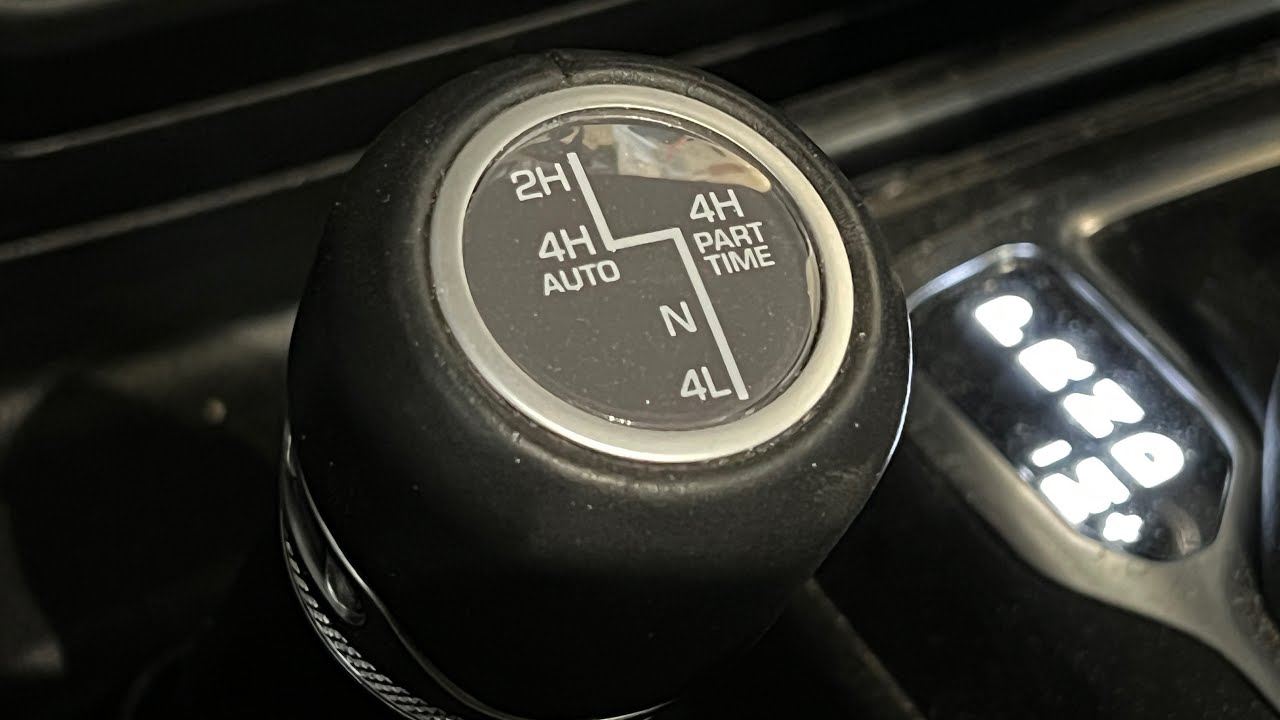
- Move the Transfer Case Lever: Shift the smaller 4×4 lever or use the dial to select 4L.
- Wait for Engagement: You may hear a “clunk” as it engages. This is normal.
- Shift Back to Drive or 1st Gear: Now you can move forward in 4L.
Trying to shift into 4L while moving or on the wrong surface can damage the transfer case.
Benefits Of Using 4l
- Greater Torque: Helps climb over rocks or pull out of mud.
- Better Control: Lets you move very slowly without stalling.
- Less Wheel Spin: Reduces the risk of getting stuck.
Most beginners don’t realize that 4L can also save your brakes on steep downhill runs. The engine braking effect is much stronger, so you don’t need to press the brake pedal as much.
Common Mistakes With 4l
Even experienced drivers sometimes make errors with 4L. Here are a few to watch out for:
- Using 4L on Pavement: Causes drivetrain “binding” and possible damage.
- Trying to Shift Without Stopping: Can grind gears or break the transfer case.
- Driving Fast in 4L: The engine runs at high RPMs, which can overheat parts.
One non-obvious insight: if you hear strange noises or feel heavy resistance in 4L, check your tire pressure and look for mismatched tire sizes. Uneven tires can stress the 4WD system.
Real-world Example: 4l In Action
Imagine you’re driving a Jeep Wrangler up a steep, rocky trail. In 2H or 4H, you might stall or spin your tires. But in 4L, you crawl up slowly, with your Jeep’s engine turning fast enough to keep momentum but the wheels turning slowly for control. This is where 4L shines—giving you confidence in tricky situations.
According to the official Jeep website, the 4L setting is one reason their vehicles are known worldwide for off-road ability.
Frequently Asked Questions
What Happens If I Drive Fast In 4l?
Driving fast in 4L can damage your engine and drivetrain. 4L is designed for slow speeds (under 25 mph).
High speeds in this mode overwork the engine and can cause overheating.
Can I Switch To 4l While Moving?
No, always stop your Jeep and shift the main gear to neutral before switching to 4L. Shifting while moving can cause serious mechanical problems.
Is 4l The Same As Locking Differentials?
No, 4L changes your gear ratio and sends power to all wheels, but locking differentials ensure both wheels on an axle turn at the same speed. Some Jeeps have both features, but they are not the same.
Will Using 4l Hurt My Jeep?
Using 4L correctly will not hurt your Jeep. In fact, it’s designed for tough conditions.
But using it on dry pavement or at high speeds can cause damage.
Do All Jeeps Have 4l?
Most Jeep models with four-wheel drive have 4L, but some newer models use electronic systems that work differently. Always check your owner’s manual to know your specific setup.
Using 4L in your Jeep can open up a world of adventure, from mountain trails to muddy backroads. Understand when and how to use it, and you’ll get the best performance from your vehicle while keeping it safe for years to come.



















