The Jeep Commander, a capable SUV known for its blend of comfort and off-road prowess, relies on a sophisticated dashboard to keep you informed about its operational status. When you’re driving, various symbols and lights illuminate on your instrument panel, each with a specific meaning.
Understanding these dashboard lights is crucial for safe driving and for maintaining the health of your vehicle. Ignoring a warning light can lead to minor issues escalating into costly repairs, or worse, compromised safety on the road.
This guide will walk you through the most common dashboard lights on a Jeep Commander, explaining what they mean and what action you should take.
Understanding Jeep Commander Dashboard Lights
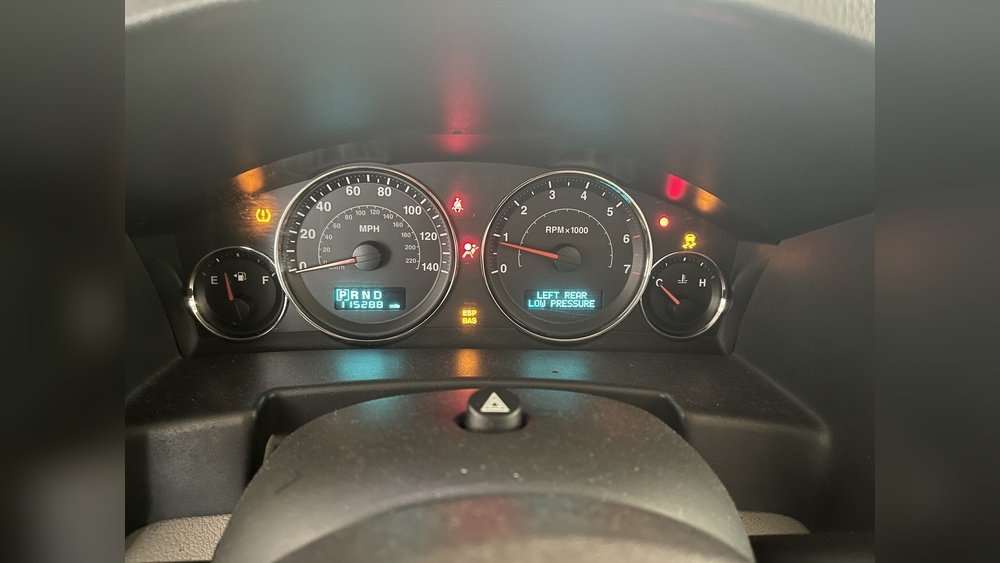
Your Jeep Commander's dashboard is a control center for vital vehicle information. The lights that appear are not random; they are indicators designed to alert you to the status of various systems.
These lights can range from simple notifications, like when your headlights are on, to urgent warnings that require immediate attention.
They are categorized into different colors, which themselves provide a hierarchy of importance. Generally, green and blue lights indicate a system is active or functioning as intended.
Yellow or amber lights typically signal a caution or a need for attention soon.
Red lights, however, are the most critical; they signify a serious problem that demands immediate stopping and investigation.
Warning Lights: The Red Flags
Red warning lights are the most important ones to understand because they indicate a potential safety hazard or a serious mechanical issue. When a red light illuminates, it’s not a suggestion to check something later; it’s a command to act.
Brake System Warning Light
This is perhaps one of the most critical warning lights. Shaped like a circle with an exclamation mark inside, or sometimes simply the word “BRAKE,” this light can indicate a few different things.
- Low Brake Fluid: The most common reason for this light is low brake fluid. Your brake system needs fluid to build pressure and stop your vehicle. If the fluid level is low, it could be due to a leak in the brake lines or simply that your brake pads are worn down significantly, requiring more fluid to be present in the reservoir.
- Parking Brake Engaged: In some cases, this light simply means your parking brake is still engaged. Before driving off, always ensure the parking brake is fully released.
- Serious Brake Malfunction: If the light stays on after releasing the parking brake and checking the fluid level, it could signal a more serious problem with the brake system, such as a leak, a faulty brake booster, or an issue with the anti-lock braking system (ABS).
Action: If this light comes on while driving, pull over safely as soon as possible. Check your parking brake. If it’s released and the light remains on, it is unsafe to continue driving. You should have your vehicle towed to a qualified mechanic to inspect the brake system immediately. Driving with faulty brakes is extremely dangerous.
Oil Pressure Warning Light
This light typically looks like an old-fashioned oil can. Its illumination signals a problem with your engine’s oil pressure.
- Low Oil Level: The most frequent cause is simply low engine oil. Without enough oil, the engine cannot be properly lubricated, leading to increased friction and potential damage.
- Faulty Oil Pump: The oil pump is responsible for circulating oil throughout the engine. If it fails, oil pressure will drop dramatically.
- Clogged Oil Filter or Passages: A blocked oil filter or internal passages can also restrict oil flow and reduce pressure.
Action: If the oil pressure warning light comes on, you must stop the engine immediately. Continuing to run the engine with low oil pressure can cause severe and irreversible damage, leading to complete engine failure. Check your oil level using the dipstick. If it’s low, add the correct type of oil. If the oil level is adequate, or if the light remains on after adding oil, do not restart the engine. Have the vehicle towed to a mechanic to diagnose the issue.
Battery Warning Light (charging System Light)
This light often resembles a car battery. It indicates a problem with the vehicle’s charging system, meaning the battery may not be getting charged properly or there’s an issue with the battery itself.
- Loose or Corroded Battery Terminals: Connections can become loose or corroded over time, preventing efficient charging.
- Faulty Alternator: The alternator is responsible for recharging the battery while the engine is running. If it’s not working, the battery will eventually run out of power.
- Worn Serpentine Belt: This belt drives the alternator. If it breaks or slips, the alternator won’t spin and charge the battery.
- Battery Failure: The battery itself might be old and unable to hold a charge.
Action: If the battery warning light illuminates, your vehicle is running on battery power alone. This means the battery will eventually drain, and the engine will stall. You may notice other electrical components, like headlights, becoming dimmer. It’s advisable to turn off non-essential electronics (radio, A/C) to conserve power and drive to a mechanic immediately. If the vehicle stalls, do not attempt to restart it unless the issue is fixed.
Engine Temperature Warning Light (coolant Temperature Light)
This light usually looks like a thermometer submerged in liquid. It signifies that your engine is overheating.
- Low Coolant Level: The most common cause is insufficient coolant in the radiator and reservoir. This can be due to a leak in the cooling system (hoses, radiator, water pump).
- Faulty Thermostat: The thermostat regulates coolant flow. If it gets stuck closed, coolant won’t circulate, leading to overheating.
- Malfunctioning Radiator Fan: The fan helps cool the radiator, especially at low speeds or when the vehicle is stationary.
- Blocked Radiator: Debris or internal corrosion can block the radiator, hindering its ability to dissipate heat.
Action: If the engine temperature warning light comes on, pull over safely and turn off the engine immediately. Do not open the radiator cap when the engine is hot, as the pressurized, hot coolant can cause severe burns. Allow the engine to cool down completely. Once cool, check the coolant level. If it’s low, you can add a 50/50 mix of coolant and water, but this is a temporary fix. You must find and repair the leak. If the coolant level is fine, the problem might be with the thermostat, fan, or water pump, requiring professional diagnosis.
Check Engine Light (malfunction Indicator Lamp – Mil)
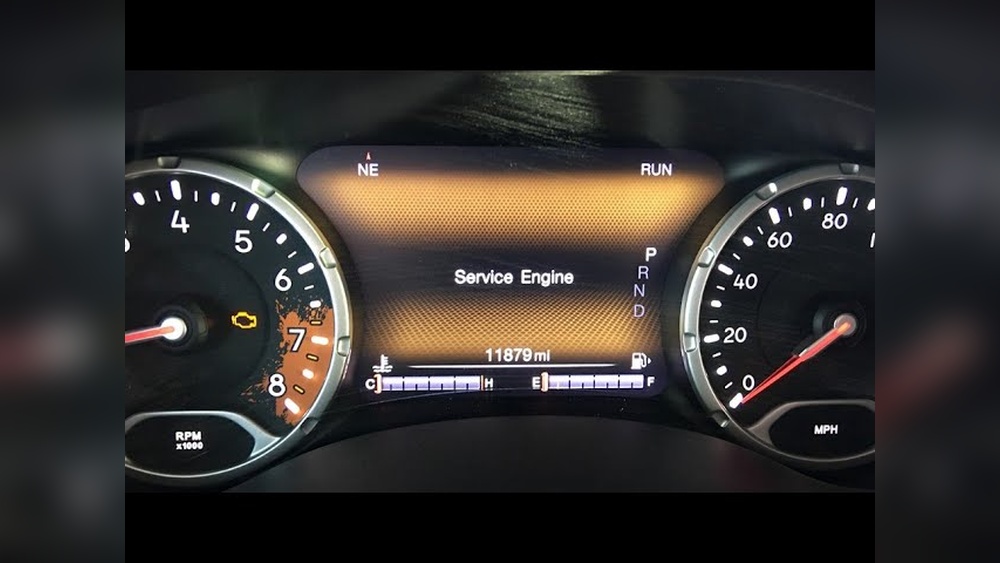
This light, often shaped like an engine outline, is one of the most talked-about dashboard indicators. It can mean many things, from a minor issue to a significant problem.
- Loose Gas Cap: This is surprisingly common. A loose or damaged gas cap can allow fuel vapors to escape, triggering the light.
- Faulty Oxygen Sensor (O2 Sensor): These sensors monitor the amount of oxygen in your exhaust, helping to optimize fuel efficiency and emissions.
- Bad Catalytic Converter: This is a more serious and expensive issue, often caused by other underlying problems like misfires or faulty O2 sensors.
- Spark Plug or Ignition Coil Issues: Worn spark plugs or failing ignition coils can cause engine misfires.
- Mass Airflow Sensor (MAF) Problems: This sensor measures the amount of air entering the engine, crucial for the fuel-air mixture.
Action: If the check engine light comes on, it’s not always an emergency. If it’s solid, it usually indicates a less urgent issue. You can often continue driving, but it’s best to get it checked by a mechanic as soon as possible. If the light is flashing or blinking, this is a serious warning, typically indicating a severe engine misfire that could damage the catalytic converter. In this case, reduce speed, avoid heavy acceleration, and get the vehicle to a mechanic immediately. You can often get the codes read at an auto parts store, which can give you a starting point for diagnosis.
Anti-lock Braking System (abs) Warning Light
This light, usually displaying “ABS” or an icon of a circle with parentheses and an exclamation mark, indicates an issue with your anti-lock braking system.
- System Malfunction: The ABS helps prevent your wheels from locking up during hard braking, allowing you to maintain steering control. If this light is on, the ABS system is not functioning correctly.
- Low Brake Fluid: Sometimes, low brake fluid can also trigger the ABS light, as it can affect hydraulic pressure.
Action: If the ABS warning light comes on, your regular brakes will still work, but you will not have the benefit of ABS. This means that during hard braking, your wheels could lock up, making it harder to steer and increasing stopping distances, especially on slippery surfaces. It’s advisable to have the system inspected by a mechanic soon.
Airbag Warning Light
This light, typically showing a person with a deployed airbag in front of them, indicates a potential problem with the airbag system.
- System Fault: It could mean there’s an issue with one or more airbags, the seatbelt pretensioners, or the control module.
- Loose Connection: Sometimes, a loose connection under a seat or in the dashboard can trigger the light.
Action: If the airbag warning light stays on after starting the vehicle, it means the airbags may not deploy in an accident. This is a serious safety concern. You should have the system diagnosed by a qualified technician.
Cautionary Lights: Yellow And Amber Signals
Yellow or amber lights are less immediately critical than red ones but still require your attention. They usually indicate that a system is not operating optimally or that a component needs attention soon.
Tire Pressure Monitoring System (tpms) Light
This light, often shaped like a flat tire with an exclamation mark inside, alerts you to low tire pressure.
- Underinflated Tires: One or more tires are significantly underinflated.
- Temperature Changes: Significant drops in outside temperature can cause tire pressure to decrease.
- TPMS Sensor Malfunction: In some cases, the light might indicate a problem with the TPMS sensor itself or the system’s receiver.
Action: Check your tire pressures with a gauge as soon as possible, especially when the tires are cold. Inflate them to the recommended pressure, which can usually be found on a sticker in the driver’s side doorjamb or in your owner’s manual. If the light stays on after inflating the tires, there might be a sensor issue.
Traction Control / Stability Control Light
This light, often showing a car with wavy lines behind it, indicates that the traction control or electronic stability control (ESC) system is active or has a fault.
- System Activating: If it flashes, it means the system is actively working to help you regain traction, such as when driving on slippery surfaces like ice or gravel.
- System Off: Some vehicles have a button to manually turn off traction control. If the light is on and you didn’t turn it off, there might be a fault.
- System Malfunction: If the light remains on constantly and you haven’t manually turned it off, it suggests a problem with the system.
Action: If the light flashes, it’s normal behavior on slippery surfaces. If it stays on constantly, it means the system is either off or malfunctioning. It’s advisable to have it checked by a mechanic, especially if you drive in conditions where traction control is beneficial.
Low Fuel Light
This light, usually a gas pump icon, indicates that your fuel level is low.
- Need to Refuel: You have a limited amount of fuel remaining.
Action: Refuel your vehicle as soon as you can. The exact amount of fuel left varies by vehicle, but it’s best not to let it get too low, as it can sometimes cause the fuel pump to overheat or suck in sediment from the bottom of the tank.
Indicator Lights: Informational Signals
These lights, typically green or blue, simply inform you that a particular system is active or engaged. They don’t usually indicate a problem.
Headlight Indicator
This light, often a green headlight icon, shows that your headlights are on.
- Headlights Active: Indicates your low-beam headlights are illuminated.
Action: This is purely informational. Be aware of it, especially if you are driving in conditions where headlights are required.
High Beam Indicator
This light, typically blue and shaped like a headlight with radiating lines, indicates that your high-beam headlights are on.
- High Beams Engaged: Signals that your high beams are active.
Action: Use high beams only when there is no oncoming traffic and no cars ahead of you, as they can temporarily blind other drivers. Remember to switch them back to low beams when necessary.
Turn Signal Indicators
These are the arrows (left and right) on your dashboard that flash when you use your turn signals.
- Signaling a Turn: Indicates you have activated your left or right turn signal.
Action: This is a standard indicator. Ensure you are using your turn signals correctly when changing lanes or turning.
Specific Jeep Commander Dashboard Light Meanings
While many dashboard lights are universal across vehicle makes and models, Jeep vehicles can sometimes have specific nuances. For the Jeep Commander, understanding these common lights is key.
The “4wd” Or “4×4” Light
Your Jeep Commander likely has a 4WD system. This light indicates the status of that system.
- 4WD Engaged: If it illuminates and stays on, it signifies that the four-wheel-drive system is engaged.
- 4WD Malfunction: If the light flashes or stays on when you haven’t engaged 4WD, or if it’s accompanied by other warning lights, it could indicate a problem with the 4WD system.
Action: If the light indicates normal 4WD engagement, ensure you are using it appropriately for the driving conditions (off-road, snow, mud). If it flashes or indicates a fault, consult your owner’s manual or a mechanic.
Electronic Stability Control (esc) Indicator
Similar to the traction control light mentioned earlier, the ESC system in your Jeep Commander helps maintain stability.
- ESC Active: A flashing light means the system is working to prevent a skid.
- ESC Off: If the light is on and steady, it means the ESC system has been manually turned off.
- ESC Fault: A steady light that you did not turn off indicates a potential issue with the system.
Action: If the light flashes, it’s a normal response to slippery conditions. If it stays on steadily and you didn’t disable it, have it inspected.
Transmission Temperature Warning Light
Some Jeep Commanders may be equipped with a transmission temperature warning light, often depicted as a gear with a thermometer.
- Overheating Transmission: This light indicates that your automatic transmission