Regearing your Jeep is a big step for anyone who loves off-roading or wants to improve their vehicle’s performance. If you’ve added larger tires, noticed your Jeep feels sluggish, or want better towing power, changing the gear ratio can make a huge difference.
But before you start, it’s important to understand what you really need, what mistakes to avoid, and how to get the best results. Let’s break down everything you need to regear your Jeep, with real examples and practical advice.
Why Regear Your Jeep?
If you install bigger tires or carry heavy loads, your Jeep’s factory gear ratio may not be enough. This can cause low torque, poor fuel economy, and slow acceleration. Regearing helps restore power, improve mileage, and make your Jeep feel strong again. For example, switching from stock 3.21 gears to 4.56 gears can give you back the power lost with 35-inch tires.
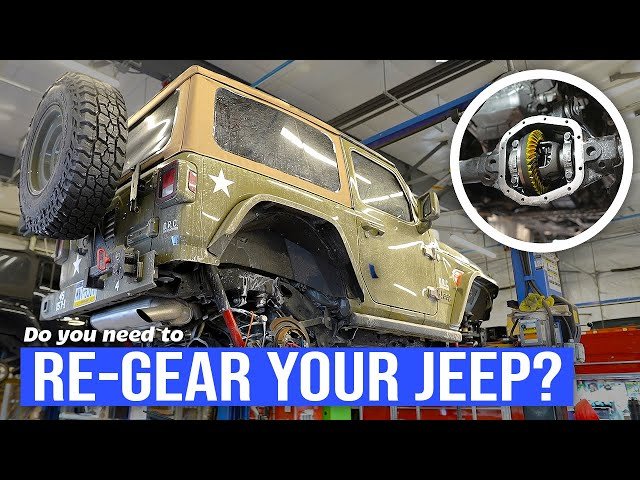
Essential Parts For Regearing
To regear your Jeep, you’ll need several key parts. Here’s what’s required:
1. Ring And Pinion Gears
These are the main parts. Choose the ratio that matches your tire size and driving needs.
Common gear ratios are 4. 10, 4. 56, and 5. 13.
2. Installation Kits
These kits include bearings, seals, shims, and hardware. Always use a master install kit for reliability.
3. Carrier Or Locker
If you’re upgrading to a stronger gear, sometimes you’ll need a new differential carrier or locker. Check if your stock carrier fits the new ratio.
4. Gear Oil
High-quality gear oil is important for smooth operation. Synthetic oil is often best for off-road Jeeps.
5. Gaskets And Rtv Sealant
Use new gaskets or RTV to prevent leaks.
6. Tools
You’ll need specialized tools:
- Torque wrench
- Dial indicator
- Bearing puller
- Pinion depth tool
- Shop press (sometimes)
- Basic mechanic tools (sockets, screwdrivers, etc.)
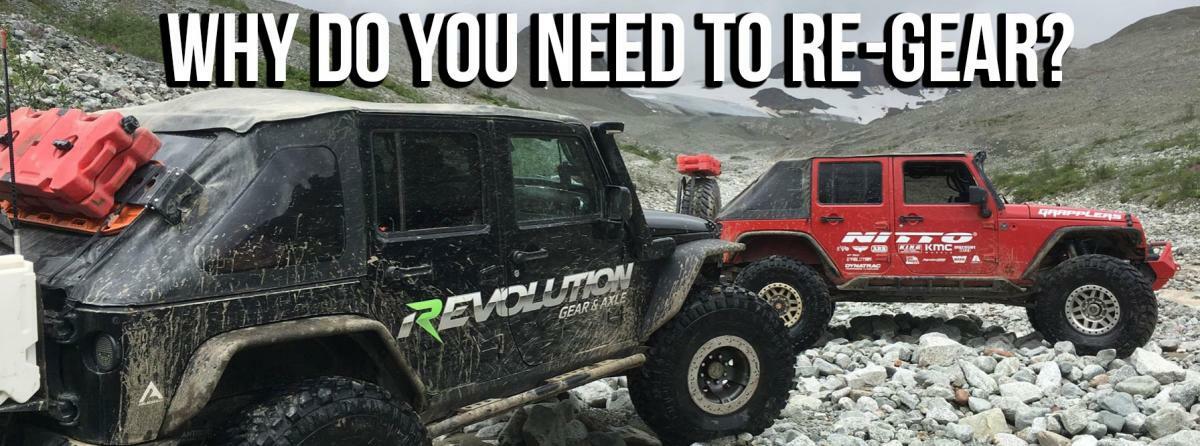
Choosing The Right Gear Ratio
Picking the right ratio is the most important step. If you choose wrong, your Jeep might feel worse than before. Here’s a simple comparison:
| Tire Size | Recommended Gear Ratio | Driving Style |
|---|---|---|
| 33″ | 4.10 | Daily, mild off-road |
| 35″ | 4.56 | Mixed, heavy off-road |
| 37″ | 5.13 | Serious off-road, towing |
If you tow heavy loads or drive in mountains, a higher ratio (like 4. 88 or 5.
13) is better. For city driving, you might prefer a lower ratio for better fuel economy.
Regearing Steps: What To Expect
Regearing is not a simple bolt-on job. Here’s what the process usually looks like:
1. Remove The Axle Covers
Drain gear oil and take off the covers.
2. Take Out Old Gears
Remove ring gear, pinion, and carrier.
3. Install New Bearings
Use a press or bearing puller.
4. Set Pinion Depth And Backlash
This step is critical. Use a dial indicator and pinion depth tool to get the right settings.
If backlash is wrong, gears may whine or break.
5. Install New Gears
Attach ring gear to carrier, fit pinion, and reassemble.
6. Add Gear Oil And Seals
Fill with oil, replace gaskets, and seal everything.
7. Test Drive
Check for noise, leaks, and smooth operation.
| Step | Average Time (Hours) | Difficulty |
|---|---|---|
| Removal | 1.5 | Medium |
| Setup & Install | 3 | Hard |
| Test & Adjust | 1 | Medium |
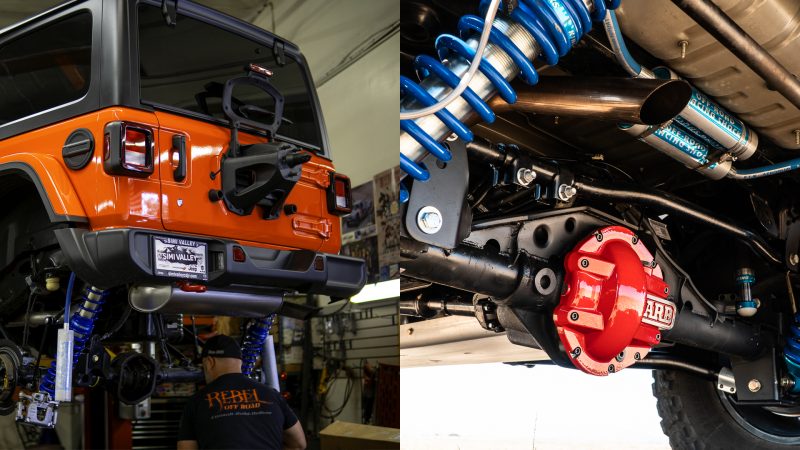
Cost And Labor: What To Budget
Regearing costs depend on parts, labor, and Jeep model. Here’s an example for a Jeep Wrangler:
- Parts: $600–$900 per axle
- Labor: $400–$700 per axle
- Total: $2,000–$2,800 for both axles
If you have a Dana 44 axle, prices may be higher. Shop around for trusted shops. Some shops offer warranties, which are worth paying extra for.
Common Mistakes And How To Avoid Them
Many Jeep owners make mistakes that can cost time and money:
1. Wrong Gear Ratio
Don’t guess. Use calculators or expert advice.
2. Cheap Parts
Low-quality gears often fail early. Invest in trusted brands.
3. Skipping Master Kit
Always use new bearings and seals.
4. Diy Without Experience
Setting up gears is complex. If you haven’t done it before, hire a pro.
5. Not Breaking In Gears
New gears need careful break-in. Drive gently for 500 miles and change oil after.
Tips For A Successful Regear
- Get advice from Jeep forums or local clubs.
- Double-check your axle type and carrier.
- Ask the shop about warranty and aftercare.
- If you upgrade your tires again, you may need to regear once more.
A non-obvious insight: Some shops will calibrate your speedometer after regearing. This helps keep your speed and mileage accurate, but not all shops do it by default—ask first.
Frequently Asked Questions
What Does “regearing” Mean?
Regearing means changing the gear ratio in your Jeep’s axles. This helps match the power to your tire size and driving style.
Can I Regear Only One Axle?
No. Always regear both front and rear axles.
If you don’t, your Jeep may have drivetrain damage or poor performance.
How Long Does Regearing Take?
Most shops need 6 8 hours for both axles. Some Jeeps may take longer if parts are hard to reach.
Will Regearing Affect My Fuel Economy?
Yes. With the right ratio, fuel economy can improve after larger tires.
But very high ratios may lower mileage if you drive mostly on highways.
Is Diy Regearing Possible?
It’s possible for skilled mechanics, but not for most beginners. Special tools and experience are needed. Mistakes can be expensive.
Regearing your Jeep is a smart move for off-road fans and those with bigger tires. If you plan carefully, use the right parts, and work with experienced shops, you’ll enjoy better power, smoother driving, and more fun behind the wheel. For more in-depth technical details, check out the Jeep Official Site for specs and guidance.



















