Driving a Jeep is all about adventure, capability, and handling rough terrain. But have you ever wondered how your Jeep keeps its wheels stable and your ride smooth, even on rocky trails?
The answer often comes down to a part many drivers overlook: the control arms. Understanding what control arms do on a Jeep can help you maintain, modify, or even upgrade your vehicle for better performance both on- and off-road.
What Are Control Arms?
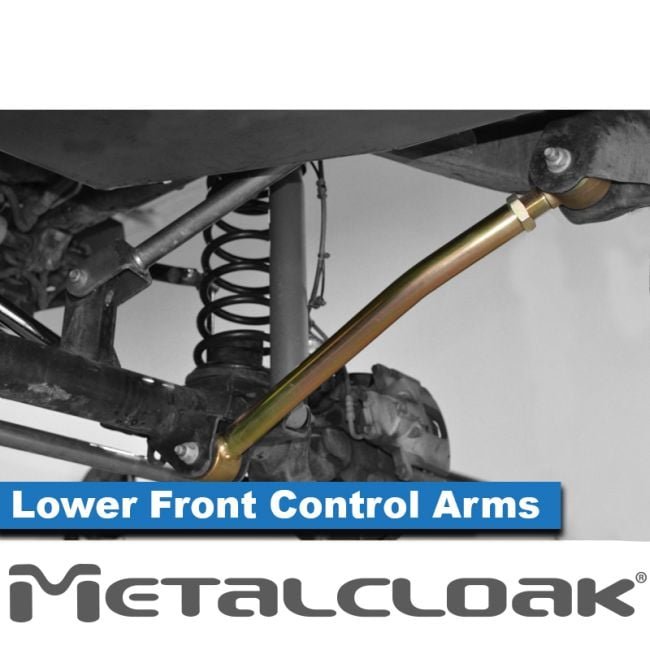
A control arm is a key suspension component that connects the wheel hub (where the wheel attaches) to the Jeep’s frame. You’ll find them on both the front and rear suspension. Control arms help keep the wheels in the correct position—up, down, forward, and backward—when you hit bumps or turn corners.
Main Types Of Control Arms
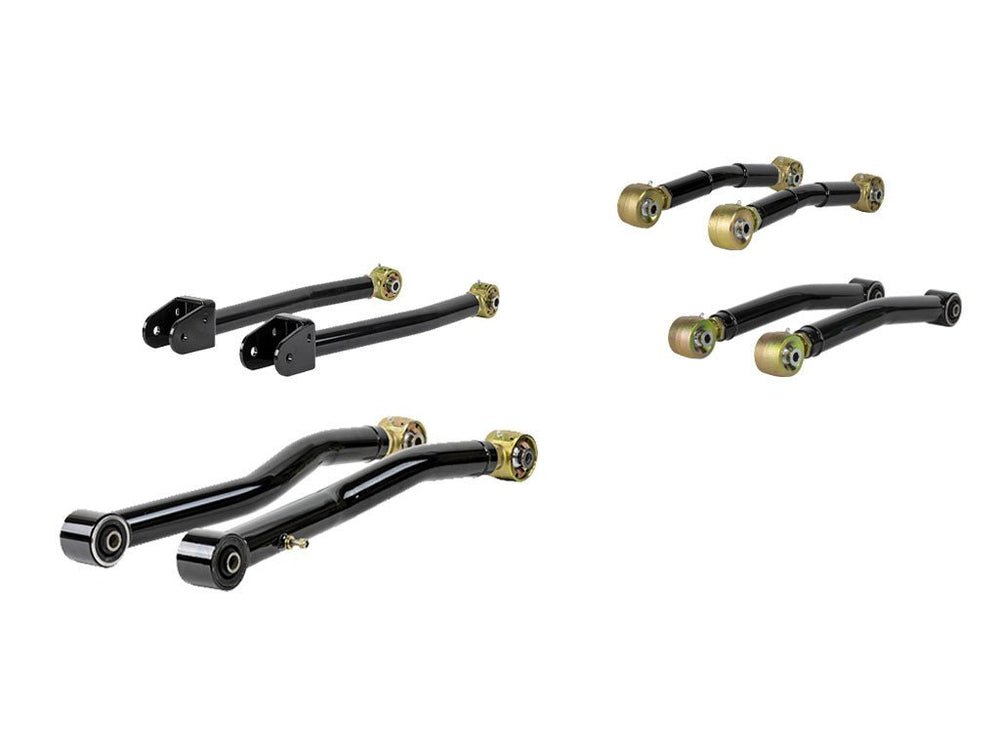
Jeeps can have different styles of control arms based on their model and suspension design:
- Upper control arms: Control the tilt and vertical movement of the wheel.
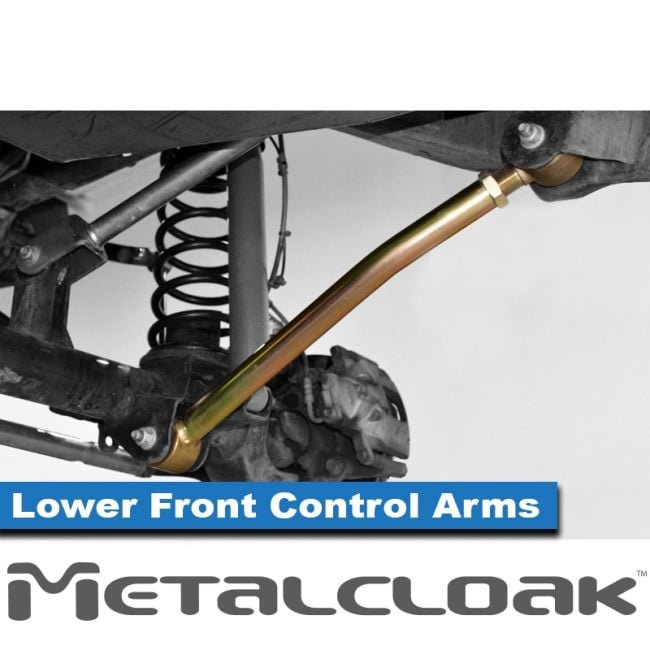
- Lower control arms: Handle most of the up-and-down motion and hold the wheel steady.
- Short-arm vs. long-arm: Some Jeeps, especially those modified for off-roading, use longer control arms for more wheel travel and smoother rides.
How Do Control Arms Work On A Jeep?
Control arms act like the link between the frame and the wheels. They allow the suspension to move up and down while keeping the wheels pointing straight. This is crucial for both comfort and safety. Without control arms, your Jeep’s wheels would wobble and you’d lose control quickly.
To help explain, here’s a simple breakdown of what happens as you drive:
| Action | What Control Arms Do |
|---|---|
| Hitting a bump | Move up and down, absorbing the shock |
| Turning a corner | Keep wheels aligned and stable |
| Off-road flexing | Allow the wheel to travel up or down for traction |
Why Are Control Arms Important On A Jeep?
Jeep owners often drive over rocks, mud, or uneven ground. Control arms are vital for:
- Maintaining wheel alignment: They keep the wheels at the right angle, so your Jeep tracks straight and turns predictably.
- Absorbing shocks: Control arms work with bushings and ball joints to soften bumps, making rides smoother.
- Handling bigger tires and lifts: If you add a suspension lift or larger tires, control arms help keep proper geometry for safe driving.
Here’s a quick comparison of what can go wrong if control arms are worn or damaged:
| Healthy Control Arms | Worn or Damaged Control Arms |
|---|---|
| Smooth ride | Clunking noises |
| Stable handling | Poor alignment |
| Even tire wear | Uneven tire wear |
| Confident off-road | Unpredictable steering |
Signs Your Jeep’s Control Arms Need Attention
Even the toughest Jeep control arms wear out over time. Here are some warning signs:
- Clunking or banging sounds when driving over bumps
- Uneven tire wear
- Steering feels loose or the Jeep pulls to one side
- Visible cracks or bends in the control arm or bushings
If you notice these issues, inspect your suspension. It’s often cheaper and safer to replace control arms before they fail completely.
Upgrading Control Arms For Off-road Performance
Many Jeep owners upgrade control arms for better performance off-road. Stock arms work fine for daily driving, but adding a lift kit or bigger tires can stress the original parts. Upgraded control arms offer:
- Stronger materials: Heavy-duty steel or aluminum resists bending on rocks.
- Improved articulation: Allows the wheels to move more, keeping tires on the ground for better traction.
- Adjustability: Some aftermarket arms let you fine-tune wheel alignment after a lift.
A common mistake is only upgrading shocks or springs, but neglecting control arms. This can lead to poor handling and faster wear of other suspension parts.
Key Considerations When Choosing Jeep Control Arms
When shopping for control arms, keep these factors in mind:
- Material: Steel is strongest, but aluminum is lighter. Choose based on how you drive.
- Length: Long-arm kits provide more articulation but are harder to install. Short-arm kits are simpler but offer less travel.
- Bushing type: Rubber is softer and quieter; polyurethane is stiffer and lasts longer.
- Price vs. quality: Cheap arms may save money now but fail sooner.
Here’s a quick table comparing common control arm materials:
| Material | Strength | Weight | Cost |
|---|---|---|---|
| Steel | Very High | Heavy | $$ |
| Aluminum | High | Light | $$$ |
| OEM (stock) | Moderate | Moderate | $ |
Non-obvious Insights For Jeep Owners
- Alignment after replacement: Every time you replace or upgrade control arms, get a professional wheel alignment. Skipping this step can ruin your new tires quickly.
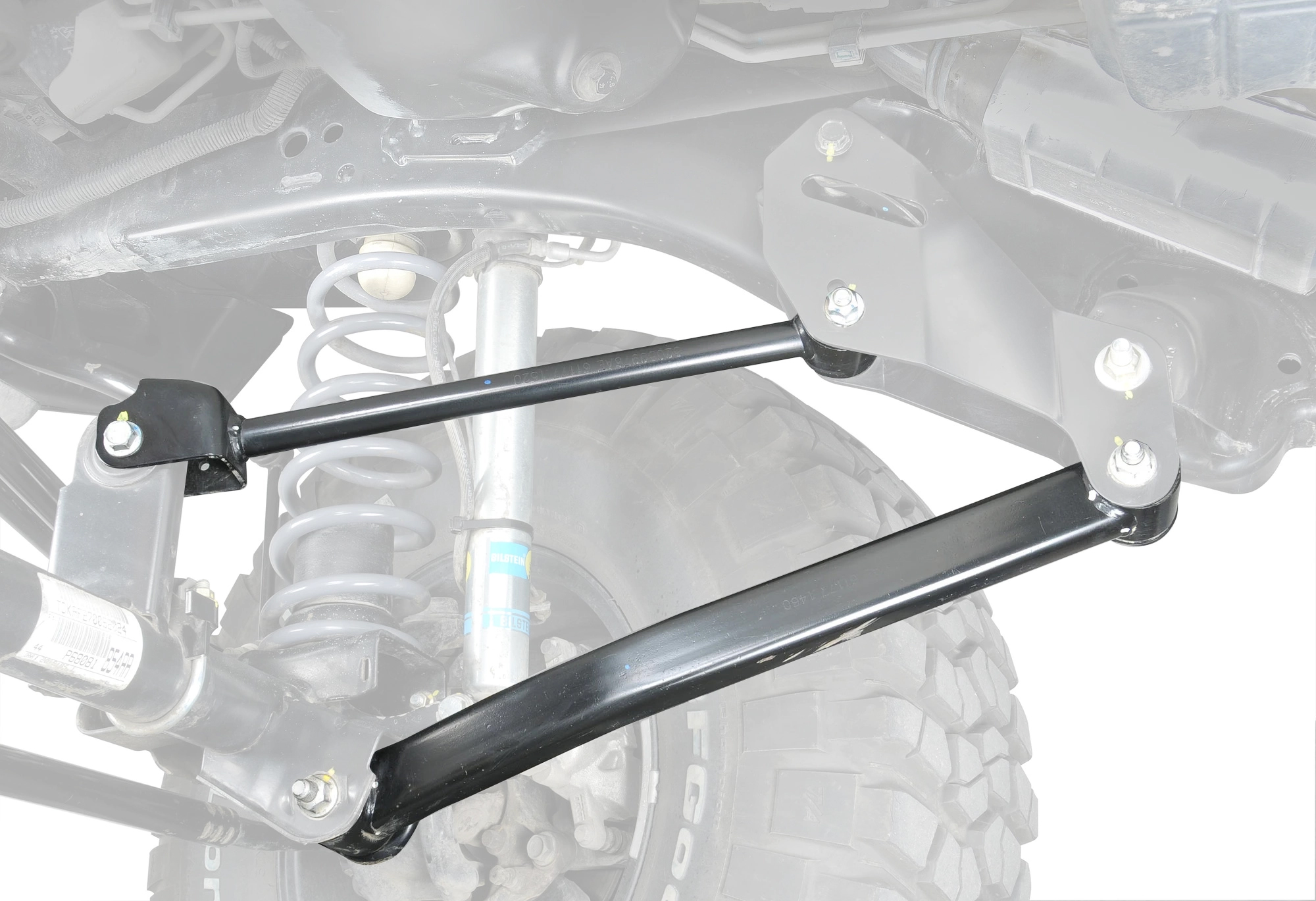
- Inspect mounting brackets: Many focus only on the arm itself, but the brackets that hold control arms can also bend or rust, especially after hard off-roading.
Frequently Asked Questions
What Happens If A Control Arm Fails On A Jeep?
A failed control arm can cause the wheel to move out of position, making steering unsafe and damaging other suspension parts. In severe cases, you could lose control of your Jeep.
Are Aftermarket Control Arms Better Than Stock Ones?
Aftermarket control arms are often stronger and more adjustable. They’re ideal if you lift your Jeep or use it for heavy off-roading.
For regular street driving, OEM arms are usually enough.
How Often Should I Check My Jeep’s Control Arms?
Check them every 12,000 miles or after any tough off-road trip. Look for cracks, bends, and worn bushings. Early detection prevents bigger repairs.
Can I Install New Control Arms Myself?
With basic tools and mechanical skill, many Jeep owners can install control arms at home. Always follow the instructions and get an alignment afterward for safety.
Where Can I Learn More About Jeep Suspension Systems?
You can read more detailed guides about Jeep suspensions at Wikipedia.
A Jeep’s control arms may be easy to forget, but they play a huge role in your vehicle’s safety and performance. Whether you drive on the highway or explore rocky trails, keeping your control arms in good shape ensures you get the most from every mile.