The story of the Jeep is a tale of innovation, war, and lasting influence in the automotive world. When you see a Jeep today, you might think of off-road adventure or classic American style.
But the real question is: what country did Jeep originate from? The answer takes us back to a world at war and a unique collaboration between government and industry.
The Birthplace Of Jeep
Jeep’s roots are firmly planted in the United States. The first Jeeps were designed and built for the U.S. military during World War II. In 1940, as war loomed, the U.S. Army realized it needed a new type of vehicle—one that was light, tough, and could handle rough ground. The government asked car companies to make a prototype in just 49 days.
Three American companies responded: Bantam, Willys-Overland, and Ford. Bantam built the first prototype, but Willys and Ford improved on the design. By 1941, Willys-Overland’s version, known as the “Willys MB,” became the standard. The design was so good that Ford was also asked to produce it, using Willys’ plans.
Why Was Jeep Created?
The U.S. Army needed a vehicle that could:
- Carry four soldiers and their gear
- Be easy to fix in the field
- Work in mud, sand, snow, or water
- Tow small weapons or trailers
Before Jeep, no such vehicle existed. The result was a small, boxy, four-wheel-drive machine. Soldiers quickly gave it the nickname “Jeep”, although the origin of the name is still debated. Some say it came from “G.P.,” which stood for “General Purpose.” Others believe it was inspired by a popular cartoon character named “Eugene the Jeep.”
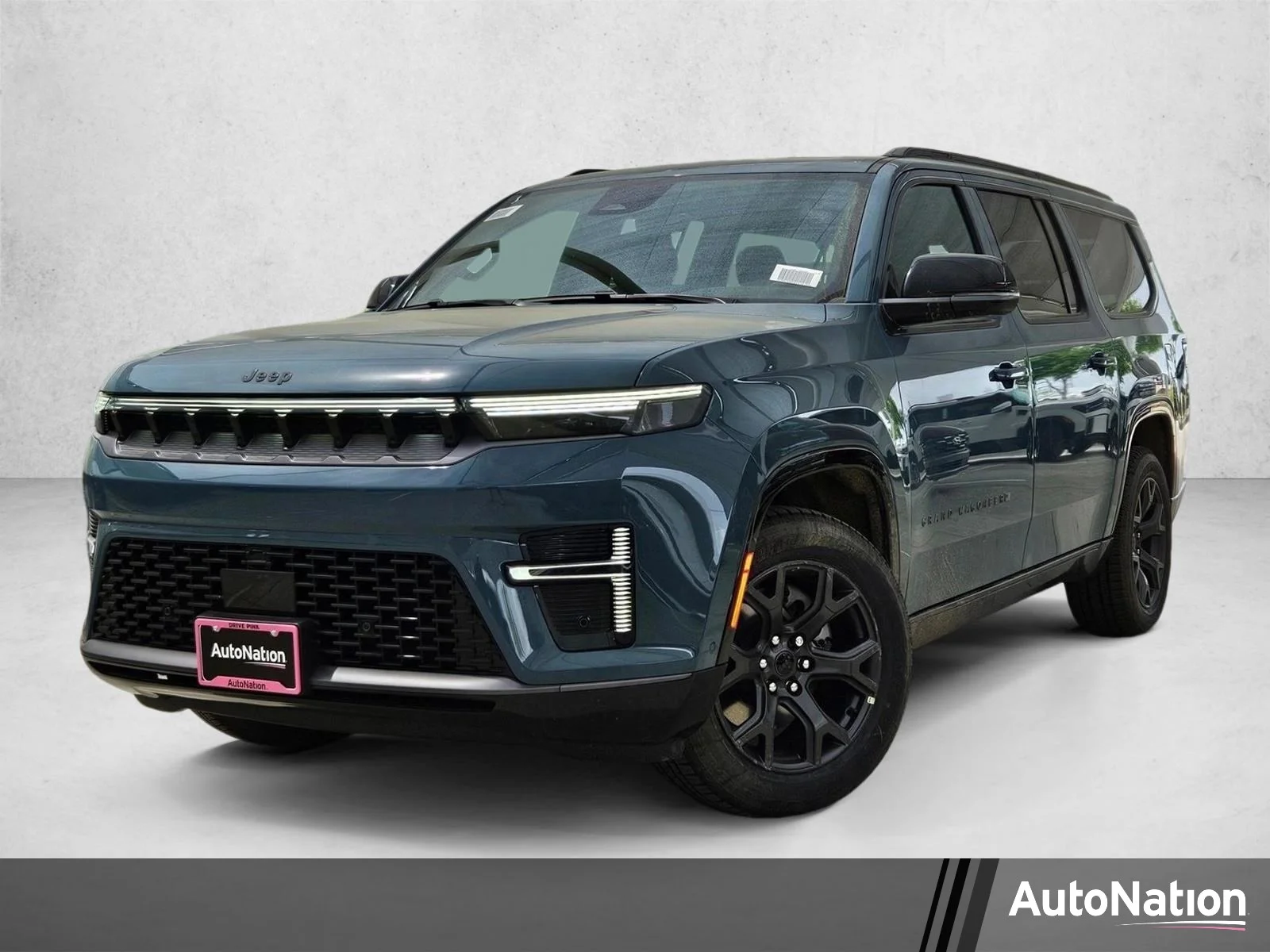
Jeep’s Role In World War Ii
The Jeep became a symbol of the American military during the war. It was used for:
- Reconnaissance
- Ambulance transport
- Pulling artillery
- Carrying supplies
By the end of World War II, over 640,000 Jeeps had been built. They were used by the U.S. and Allied forces all over Europe, Africa, and the Pacific. The Jeep’s reliability and versatility made it famous, and many soldiers took their love for the vehicle home after the war.
Here’s a look at how the Jeep compared to other military vehicles of the time:
| Vehicle | Country | Engine Size (L) | Weight (lbs) | Drive |
|---|---|---|---|---|
| Willys MB Jeep | USA | 2.2 | 2,450 | 4WD |
| Kubelwagen | Germany | 1.1 | 1,540 | 2WD |
| Land Rover Series I (post-war) | UK | 1.6 | 2,600 | 4WD |
This table shows that the Willys MB Jeep was light, powerful, and offered four-wheel drive—key features that helped it stand out.
From Military To Civilian Life
After World War II, Willys-Overland recognized the Jeep’s potential beyond the battlefield. In 1945, they introduced the CJ-2A (“CJ” for “Civilian Jeep”). This model was aimed at farmers, workers, and families who needed a rugged, all-purpose vehicle.
Here are some differences between the military Jeep and the first civilian version:
| Feature | Willys MB (Military) | CJ-2A (Civilian) |
|---|---|---|
| Lighting | Blackout lights | Standard headlights |
| Tailgate | None | Included |
| Paint | Olive drab | Various colors |
| Extras | Shovel/axe mounts | Optional equipment |
The civilian Jeep kept the toughness of the military model but added comfort and practicality.
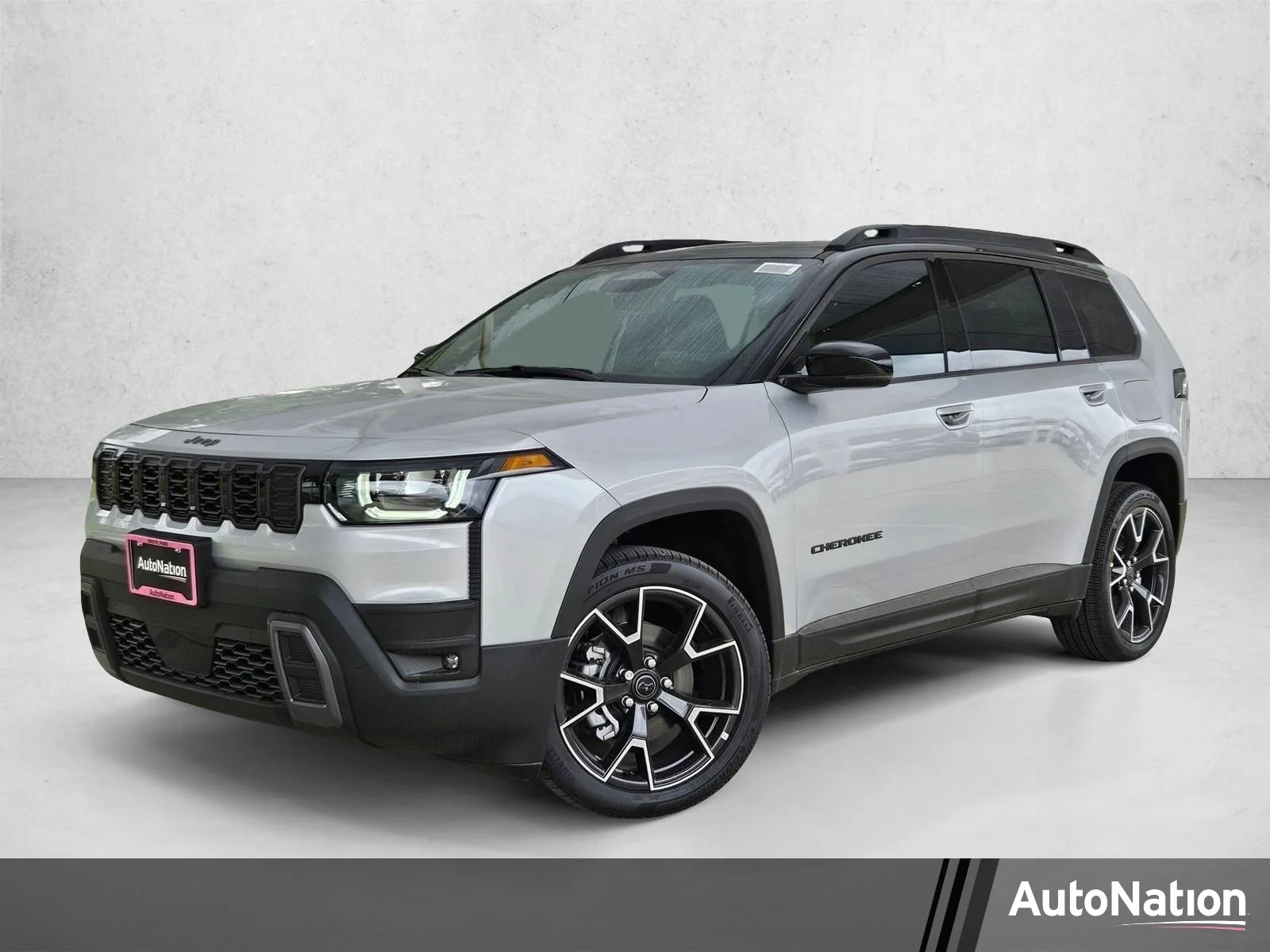
Jeep’s Global Influence
While Jeep began in the United States, its impact is global. After the war, the Jeep was exported and even built under license in other countries.
For example, Mahindra in India started making Jeeps in the 1950s. In France, Hotchkiss built Jeeps for the European market.
These versions helped spread the Jeep legacy worldwide.
Jeep’s four-wheel-drive system and simple design became the basis for many later vehicles, like the Toyota Land Cruiser and Land Rover. The Jeep’s DNA can be seen in modern SUVs everywhere.
Non-obvious Insights About Jeep’s Origin
Many people think Jeep was just a Willys creation, but the early design was a true team effort. Bantam’s original plans were used as the starting point, and Ford’s production skills helped meet the huge wartime demand.
This collaboration between companies was unusual at the time.
Another point beginners often miss: Jeep’s boxy shape and flat fenders weren’t just for looks—they made it easier to repair, easier to ship, and let soldiers sit on the fenders or mount equipment. These design choices were practical, not just stylistic.
The Modern Jeep: Still American At Heart
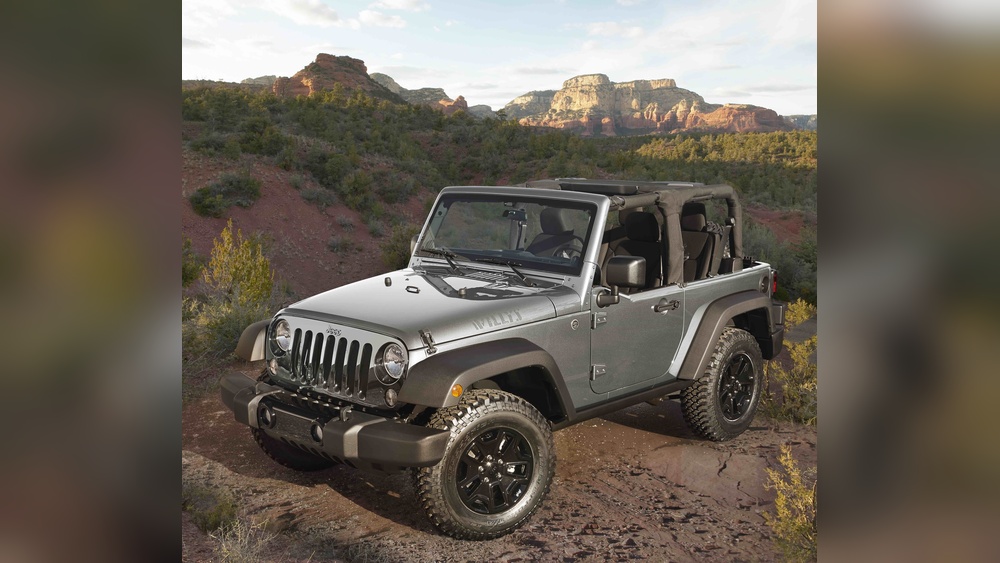
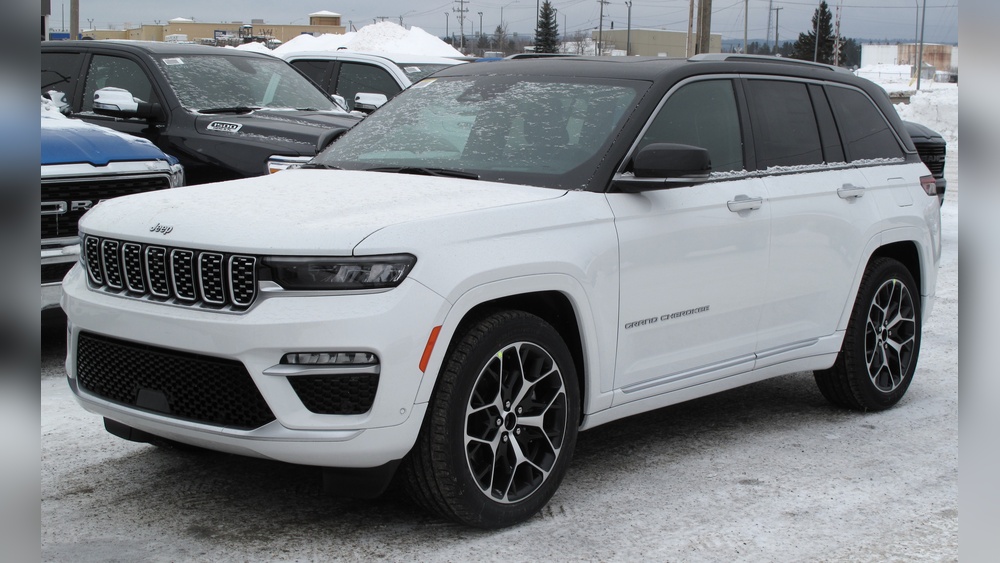
Today, Jeep is owned by Stellantis, a global auto group. But the Jeep brand remains a symbol of American engineering and freedom. Popular models like the Wrangler and Grand Cherokee keep the spirit of the original Willys MB alive.
Here’s how Jeep’s American roots compare to other well-known off-road brands:
| Brand | Country of Origin | First Year |
|---|---|---|
| Jeep | USA | 1941 |
| Land Rover | UK | 1948 |
| Toyota Land Cruiser | Japan | 1951 |
As this comparison shows, Jeep was the original off-road icon, setting a standard other brands would follow.
Frequently Asked Questions
Where Was The First Jeep Built?
The first Jeep was built in the United States, mainly in factories in Ohio and Michigan.
Who Made The First Jeep?
The first prototype was built by American Bantam, but Willys-Overland and Ford made the most Jeeps during World War II.
Why Is It Called A Jeep?
The name “Jeep” likely comes from the slang term “G.P.” for “General Purpose” or from a popular cartoon character named “Eugene the Jeep.”
Did Jeep Inspire Other Vehicles?
Yes, Jeep’s design influenced many other off-road vehicles, such as the Land Rover and Toyota Land Cruiser.
Is Jeep Still An American Brand?
Jeep is part of Stellantis, an international group, but its headquarters and main design work are still in the United States. For more on Jeep’s history, see Wikipedia.
The Jeep’s origins are a proud part of American history, and its impact can be seen on roads and trails around the world. Whether you’re driving through mud, snow, or city streets, the Jeep spirit lives on.