Jeep vehicles are known for their rugged design and off-road power. But underneath the hood, the type and color of coolant play a big role in keeping your engine healthy, especially during extreme weather or tough driving conditions.
If you’re a Jeep owner, understanding which coolant color your vehicle uses—and why it matters—can prevent costly repairs and keep your engine running smoothly.
Why Coolant Color Matters In Jeep Vehicles
Coolant is not just about keeping your engine from overheating. It also protects metal parts from corrosion and helps maintain the right temperature in all driving conditions. The color of coolant isn’t just cosmetic—it tells you what type of formula is inside the bottle. Using the wrong coolant can lead to engine damage, leaks, or even void your warranty.
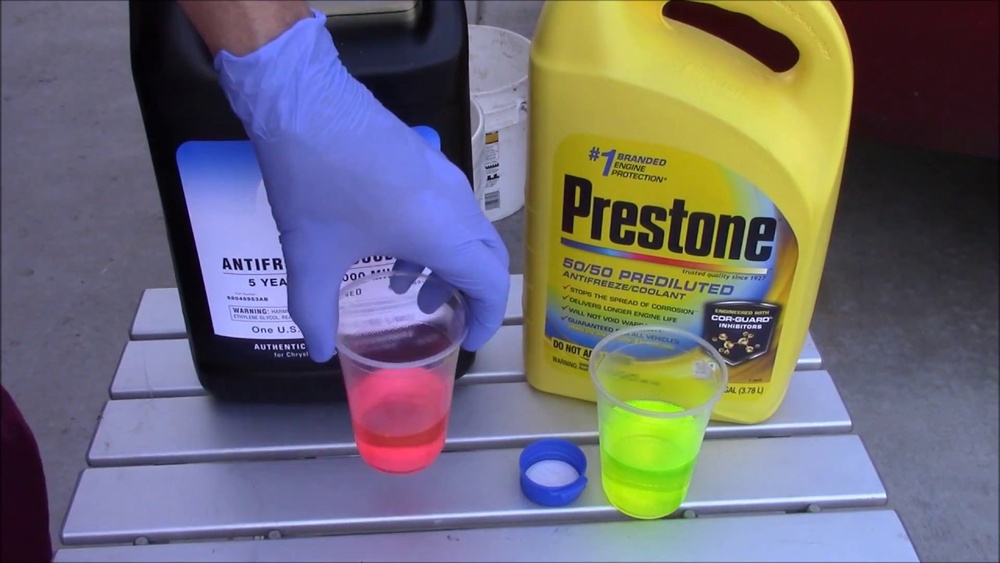
Car manufacturers, including Jeep, use color codes to help owners and mechanics quickly identify the right coolant for each model. While the color is a helpful guide, the actual chemical composition is what’s most important.
Still, knowing the correct color is a quick way to avoid mistakes.
Jeep Coolant Colors Explained
Jeep has used several types of coolant over the years. The color depends on the model year and the factory specifications. Here’s a simple guide:
| Model Year | Coolant Color | Type |
|---|---|---|
| Pre-2001 | Green | IAT (Inorganic Additive Technology) |
| 2001–2012 | Orange | HOAT (Hybrid Organic Acid Technology) |
| 2013–present | Purple | OAT (Organic Acid Technology) |
- Green coolant was standard for older Jeeps. It’s usually IAT, which works well for vehicles with copper/brass radiators.
- Orange coolant is HOAT, used in many Jeep models from the early 2000s. It’s designed for longer life and works with aluminum engines.
- Purple coolant is OAT, used in newer Jeeps. It lasts even longer and is formulated for modern cooling systems.
How To Check Your Jeep’s Coolant Color
Checking your coolant is simple, but a few things can trip up beginners. First, never open the radiator cap when the engine is hot.
Wait until the engine cools down. Then, look at the coolant reservoir it’s usually transparent, and you can see the color inside.
If the color is bright green, your Jeep probably uses IAT. If it’s orange, it’s likely HOAT. Purple means OAT, which is common in newer models. Sometimes, coolant can look muddy or brown. This means it’s old, contaminated, or mixed with the wrong type—time for a flush and refill.
Which Coolant To Buy For Your Jeep
Choosing the right coolant means matching both the color and the chemical type. Jeep recommends specific formulas for each model. Here’s a quick comparison of popular coolants you’ll find for Jeep:
| Coolant Brand | Color | Compatibility |
|---|---|---|
| Mopar Antifreeze/Coolant | Purple | 2013–present Jeeps |
| Zerex G-05 | Orange | 2001–2012 Jeeps |
| Prestone Conventional | Green | Pre-2001 Jeeps |
Always check your owner’s manual for the official recommendation. Using aftermarket coolant is possible, but it must match the chemical formula and color. Mixing different types can cause gelling, corrosion, or overheating.

Common Mistakes With Jeep Coolant
Many Jeep owners make mistakes that seem small but can have big consequences:
- Mixing different coolant types: Never mix green with orange or purple. The chemicals can react and clog your radiator.
- Using water only: Water doesn’t protect against corrosion or freezing. Always use the right coolant mix.
- Ignoring flush schedules: Old coolant loses its protective power. Jeep recommends flushing every 5 years or 100,000 miles for newer models.
Another overlooked tip: Check the coolant cap for residue or discoloration. This can warn you about leaks or contamination before bigger problems start.
How Coolant Color Affects Performance
The color isn’t just for identification it reflects the coolant’s design and lifespan. For example, OAT (purple) coolants last up to 150,000 miles, while older green types may need replacement after 30,000 miles.
HOAT (orange) coolants usually last about 100,000 miles.
Newer coolants also work better with modern engines, which run hotter and have more aluminum parts. That’s why Jeep switched to OAT coolants for recent models.
| Coolant Type | Average Lifespan | Corrosion Protection |
|---|---|---|
| IAT (Green) | 30,000 miles | Good for copper/brass |
| HOAT (Orange) | 100,000 miles | Good for aluminum |
| OAT (Purple) | 150,000 miles | Best for modern engines |
What If The Coolant Color Doesn’t Match?
Sometimes you buy a used Jeep and the coolant color seems off. If the coolant doesn’t match your model year or owner’s manual, you should drain and refill with the correct type. Mixing coolants can cause sludge and overheating.
If you’re unsure, ask a professional mechanic or visit your local Jeep dealer. They have tools to test the chemical type, not just the color.
Practical Tips For Jeep Owners
- Use only the recommended coolant for your Jeep’s model and year.
- Check the color and clarity regularly—cloudy or brown coolant means trouble.
- Replace coolant at the intervals listed in your owner’s manual.
- Never mix coolants, even if the colors look similar.
- Keep a spare bottle of the correct coolant in your garage for emergencies.
A non-obvious insight: Many drivers think coolant is only important in summer. But in cold climates, coolant prevents freezing and protects your engine from cracking. Another tip: Check hoses and clamps during coolant changes. Leaks often start here and can cause quick overheating.
Frequently Asked Questions
What Color Coolant Does Jeep Use Today?
Most new Jeep models use purple coolant, which is OAT (Organic Acid Technology). Always check your owner’s manual to confirm.
Can I Mix Different Coolant Colors In My Jeep?
No. Mixing coolant colors can cause chemical reactions, leading to sludge or engine damage. Drain and refill with the correct type if colors don’t match.
How Often Should I Change Jeep Coolant?
For modern Jeeps with OAT coolant, change every 5 years or 150,000 miles. For older models with green or orange coolant, replace every 2–5 years or 30,000–100,000 miles.
Is It Safe To Use Aftermarket Coolant In A Jeep?
Yes, but only if it matches the chemical formula and color recommended by Jeep. Always read the label and check compatibility.
Where Can I Find Official Jeep Coolant Recommendations?
Visit the official Jeep website or consult your owner’s manual. You can also find more details at Jeep’s official site.
Jeep engines rely on the right coolant color and formula for maximum performance. By choosing the correct coolant and checking it regularly, you protect your investment and enjoy worry-free driving.
Whether you drive a classic Jeep or a new model, understanding coolant color is one simple step that keeps your Jeep ready for any adventure.



















