The Jeep Grand Cherokee stands out on the road with its strong look and impressive performance. But many people wonder: what body type does this famous SUV have?
Understanding the body type helps buyers, owners, and fans know what to expect in terms of space, style, and driving experience. Let’s take a close look at what makes the Jeep Grand Cherokee’s body design unique, how it compares to other vehicles, and what this means for you.
Jeep Grand Cherokee: The Body Type Explained
The Jeep Grand Cherokee is classified as a mid-size SUV (Sport Utility Vehicle). More specifically, it uses a unibody construction. Unlike older, traditional SUVs that used a body-on-frame design (like pickup trucks), unibody means the frame and body are built as a single piece. This construction changes how the vehicle feels and performs.
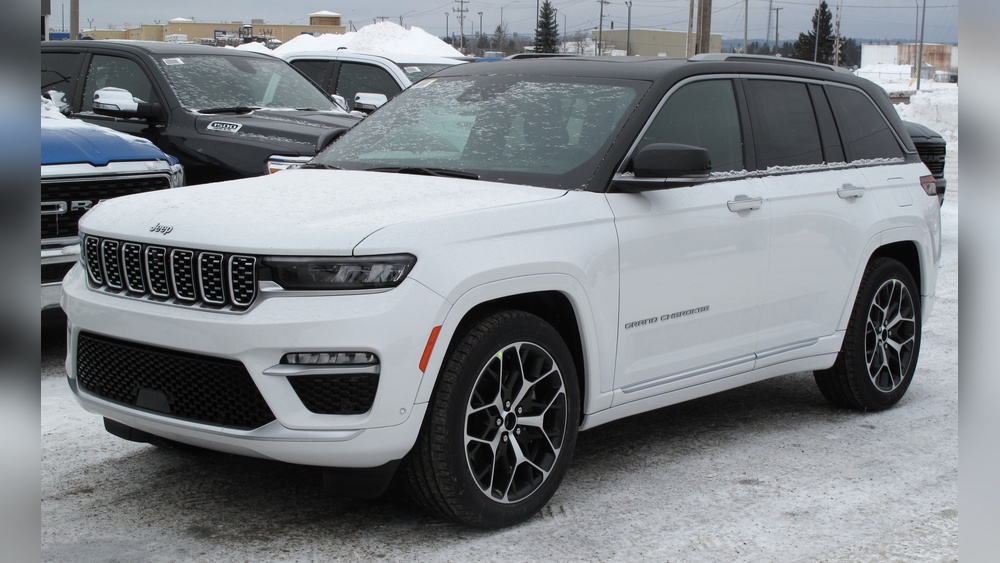
Unibody Vs. Body-on-frame: What’s The Difference?
- Unibody: The body and frame are one structure. This design is lighter, offers better handling, and improves ride comfort. Most modern SUVs, including the Grand Cherokee, use this method.
- Body-on-Frame: The body is separate from the frame. This is common in trucks and very large SUVs. It’s stronger for heavy towing and tough off-road work, but can feel less smooth on city roads.
Here’s a quick comparison:
| Feature | Unibody (Grand Cherokee) | Body-on-Frame |
|---|---|---|
| Ride Comfort | Smoother | Rougher |
| Handling | Better, more car-like | Truck-like |
| Towing Capacity | Good, but less than body-on-frame | Usually higher |
| Weight | Lighter | Heavier |
The Grand Cherokee’s unibody design gives it a nice blend of comfort and capability. It’s strong enough for off-road adventures but comfortable for daily driving.
Key Dimensions And Design Features
The Jeep Grand Cherokee’s body shape isn’t just about construction. Its size and look also matter. Here are some important measurements for the 2023 model:
| Dimension | Measurement |
|---|---|
| Length | 193.5 inches |
| Width | 77.5 inches |
| Height | 70.8 inches |
| Wheelbase | 116.7 inches |
| Seating | 5 or 7 (Grand Cherokee L) |
A few things stand out:
- Spacious cabin: Plenty of room for passengers and cargo, especially in the Grand Cherokee L (three rows).
- High ground clearance: Good for light off-roading and handling poor road conditions.
- Bold exterior: The squared-off shape and strong lines give it a classic SUV look.
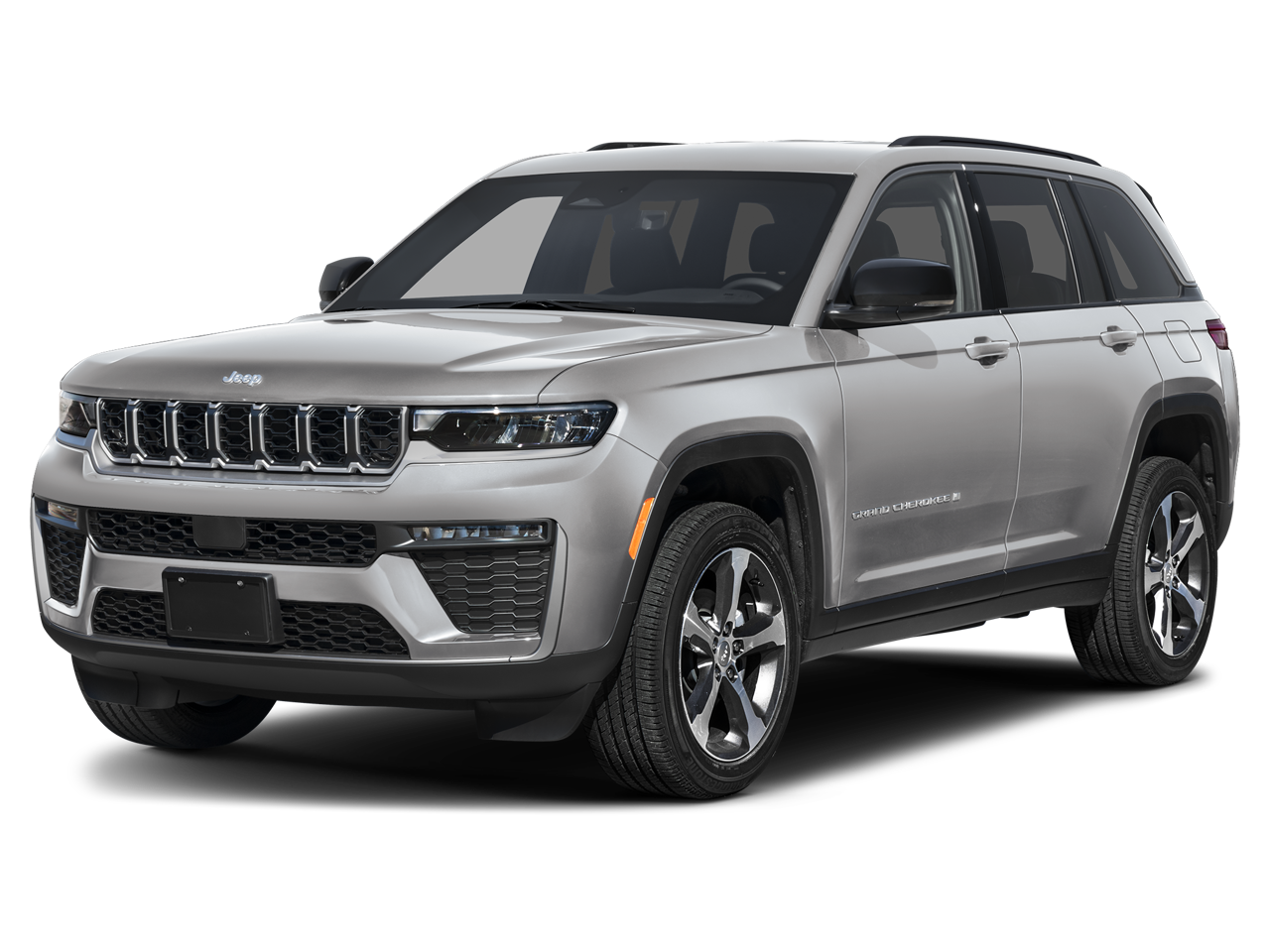
How The Grand Cherokee Compares To Other Suvs
It helps to see how the Grand Cherokee matches up against similar vehicles. Here’s a quick comparison with other popular mid-size SUVs:
| Model | Body Type | Construction | Seating |
|---|---|---|---|
| Jeep Grand Cherokee | Mid-size SUV | Unibody | 5 or 7 |
| Toyota 4Runner | Mid-size SUV | Body-on-frame | 5 or 7 |
| Ford Explorer | Mid-size SUV | Unibody | 7 |
| Chevy Blazer | Mid-size SUV | Unibody | 5 |
This table shows the Grand Cherokee’s main competitors. Notice that some, like the Toyota 4Runner, still use the body-on-frame method.
This gives the Grand Cherokee an edge in ride quality while still offering off-road capability.
Practical Benefits Of The Jeep Grand Cherokee Body Type
The Grand Cherokee’s body type brings real-world advantages:
- Comfortable Ride: The unibody design feels smoother, even on rough roads.
- Safer Handling: More stable in turns than older SUVs. It feels more like a car, less like a truck.
- Good Off-Roading: It’s not a hardcore rock crawler, but it’s much better off-road than most crossovers, thanks to special Jeep features.
- Fuel Efficiency: Lighter weight can help with gas mileage, especially compared to heavier, truck-based SUVs.
- Flexible Space: Two-row and three-row options let you pick what fits your family or cargo needs.

Many people assume all SUVs are built the same. But the Grand Cherokee shows how design choices matter. Here are two things beginners often miss:
- Not all Jeeps are built alike. Some, like the Wrangler, use body-on-frame for extreme off-roading. The Grand Cherokee’s unibody makes it better for daily life but still tough.
- Unibody does not mean weak. Modern unibody SUVs like the Grand Cherokee can tow up to 7,200 pounds (with the right engine). That’s more than enough for small boats or trailers.
Also, most buyers do not realize that unibody construction can help with safety. In a crash, the body can absorb impacts better than old-school frames.
For more details about SUV body types, you can check this Wikipedia article on SUVs.
Frequently Asked Questions
What Is The Body Type Of The Jeep Grand Cherokee?
The Jeep Grand Cherokee is a mid-size SUV with a unibody construction. This means the body and frame are one piece, offering a balance of comfort and strength.
How Is The Grand Cherokee Different From The Jeep Wrangler?
The Grand Cherokee uses unibody construction, making it smoother and quieter on roads. The Wrangler uses a body-on-frame design, which is better for extreme off-roading but less comfortable for everyday driving.
Can The Grand Cherokee Handle Off-road Driving?
Yes, the Grand Cherokee is known for good off-road abilities. Its unibody design, high ground clearance, and Jeep’s special 4×4 systems make it capable on trails, though not as rugged as some body-on-frame SUVs.
Is The Grand Cherokee Available With Three Rows Of Seats?
Yes. The Jeep Grand Cherokee L model has three rows and can seat up to seven people, while the standard model has two rows for five passengers.
Does The Body Type Affect Towing Capacity?
Yes, but the Grand Cherokee’s unibody still allows for strong towing. With the right engine, it can tow up to 7,200 pounds, which is competitive for its class.
The Jeep Grand Cherokee’s body type is a smart mix of modern design and classic SUV capability. This makes it a top choice for drivers who want comfort, space, and a bit of adventure all in one package.




















