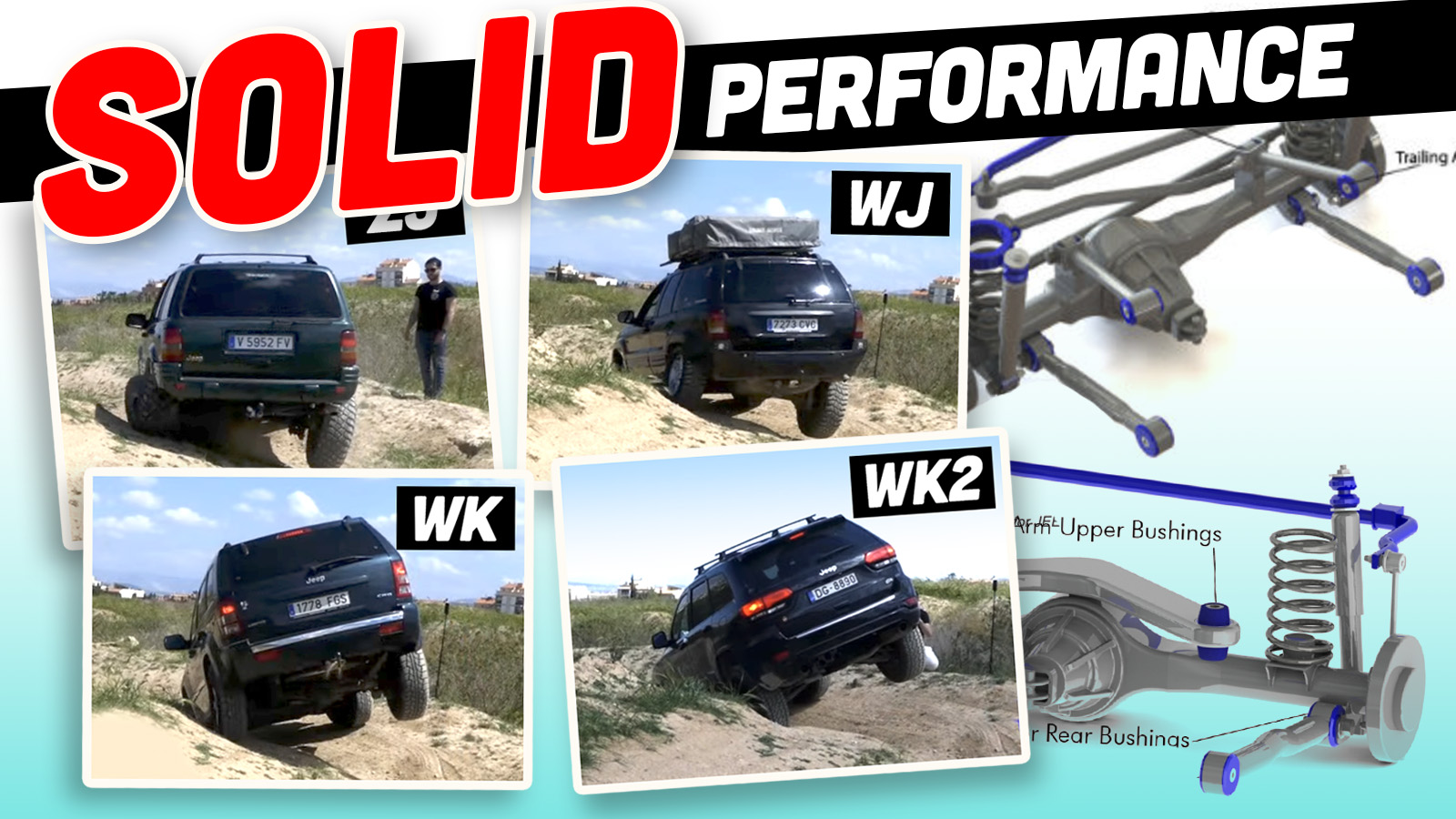
If you drive a Jeep WJ—the 1999 to 2004 Grand Cherokee—you might be curious about what axles are under your vehicle. Knowing your axles is important if you plan to lift your Jeep, upgrade tires, tow heavy loads, or tackle tough trails.
The factory axles affect your Jeep’s strength, gear ratios, and upgrade options. Let’s break down which axles are in the WJ, how to identify them, and why they matter.
The Basics: What Are Axles And Why Do They Matter?
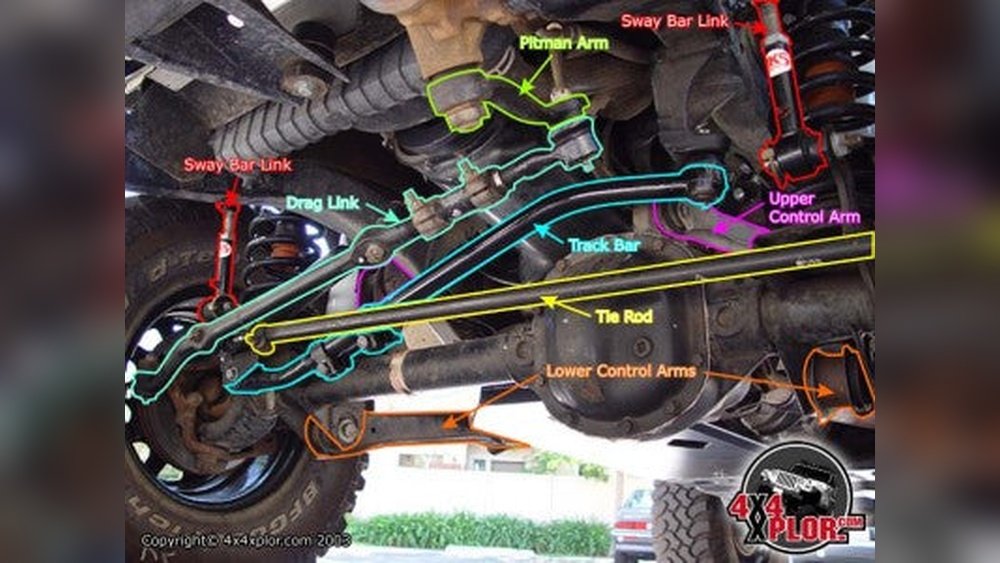
The axle is a core part of your Jeep’s drivetrain. It connects the wheels and transfers power from the engine. There are two main types on the WJ: front and rear axles. Each type comes in different models, and not all WJs have the same axles from the factory.
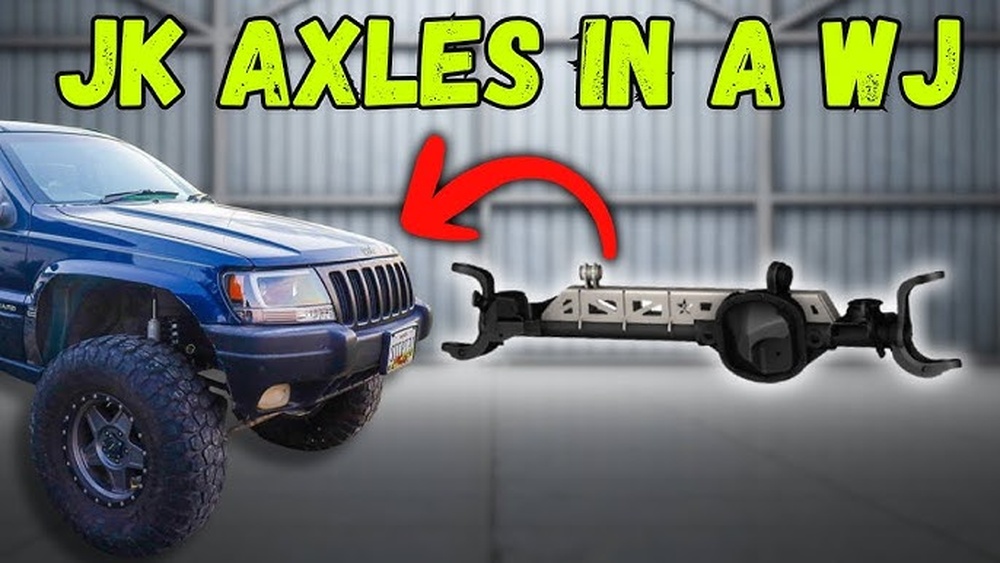
The main reasons you should know your axles:
- Upgrades: Some axles are better for big tires or off-road use.
- Repairs: Replacement parts depend on axle type.
- Resale: Buyers often ask about axles for capability.
Factory Axles In The Jeep Wj
From 1999 to 2004, Jeep used several axle models in the Grand Cherokee WJ. The most common are the Dana 30, Dana 35, and Dana 44A. Here’s what you need to know:
| Model Year | Front Axle | Rear Axle |
|---|---|---|
| 1999-2004 (All Trims) | Dana 30 | Dana 35 or Dana 44A |
Dana 30 (front)
All WJs use the Dana 30 in the front. It’s a solid axle, strong enough for most uses, but not the toughest in the Jeep world. Most WJs have the low pinion, coil-sprung version.
Dana 35 (rear)
The Dana 35 is the lighter-duty rear axle. It came on many 6-cylinder (4.0L) WJs and base models. It works fine for daily driving, but it’s not ideal for heavy off-roading or large tires.
Dana 44a (rear)
The Dana 44A (“A” for aluminum center section) is stronger than the Dana 35 and was standard on most V8 WJs (4.7L). It’s unique to the WJ and offers more durability. However, its aluminum design can complicate repairs.
How To Identify Your Jeep Wj Axles
If you’re not sure which axles are under your Jeep, you can check a few ways:
- Look at the rear axle housing: The Dana 44A has a round, smooth aluminum center. The Dana 35 has a smaller, oval-shaped iron housing.
- Check the VIN sticker: Sometimes axle codes are listed on the driver’s door jamb.
- Read the build sheet: Input your VIN at Jeep’s official website for factory specs.
- Measure the axle tube and bolts: The Dana 44A is visibly larger than the Dana 35.
Here’s a simple comparison:
| Axle | Material | Shape | Common Location |
|---|---|---|---|
| Dana 30 | Iron | Rounded cover | Front (all WJs) |
| Dana 35 | Iron | Oval cover | Rear (6-cyl) |
| Dana 44A | Aluminum | Round, smooth | Rear (V8) |
Non-obvious tip: If you’re still unsure, count the bolts on the rear diff cover—Dana 35 usually has 10, Dana 44A has 12.
Gear Ratios By Engine And Axle
Gear ratio affects acceleration, towing, and fuel economy. WJ gear ratios depend on engine and axle combo:
| Engine | Rear Axle | Common Gear Ratio |
|---|---|---|
| 4.0L I6 | Dana 35 | 3.55 or 3.73 |
| 4.7L V8 | Dana 44A | 3.55 or 3.73 |
| Optional Tow Package | Dana 44A | 3.73 |
Pro insight: Towing packages nearly always mean you have the higher 3.73 ratio and the Dana 44A rear.
Axle Strength And Limitations
The Dana 30 front axle is reliable for tires up to 33 inches. With good maintenance, it lasts for years. For hard off-roading or 35-inch tires, consider upgrades.
The Dana 35 is a weak point. It’s fine for street and mild trails but struggles with big tires or lockers. Broken shafts are common if pushed hard.
The Dana 44A rear is much stronger. It handles 33-inch tires and lockers better than the Dana 35. However, the aluminum housing can crack if abused off-road.
Uncommon tip: Many people think all Dana 44s are the same. The WJ’s Dana 44A is unique and does not accept standard “Dana 44” parts.
Upgrades And Swaps
If you plan to upgrade your WJ, axle swaps are possible but not simple. Replacing a Dana 35 with a Dana 44A is not a direct bolt-in.
Many off-roaders swap in axles from other Jeep models or custom-build their own.
For daily driving, the stock axles are usually enough. If you want to run tires bigger than 33 inches or add a locking differential, plan for axle upgrades.

Other Axle Details
- Disc brakes came on all WJ axles—no drum brakes from the factory.
- WJs use coil springs front and rear, not leaf springs.
- The WJ axles have ABS tone rings; swaps may affect your ABS system.
If you want more technical info, the Jeep Grand Cherokee WJ Wikipedia page offers detailed specs.
Frequently Asked Questions
What Axle Is In The Front Of Every Jeep Wj?
All Jeep WJs use the Dana 30 front axle, no matter the trim or engine.
How Do I Tell If I Have A Dana 35 Or Dana 44a Rear Axle?
Look at the rear differential cover. The Dana 44A is larger, with a smooth, round aluminum center. The Dana 35 is smaller and made of iron.
Are The Wj Axles Good For Off-roading?
The Dana 44A is fine for moderate off-roading and 33-inch tires. The Dana 35 is weaker and not ideal for rough trails or big tires.
Can I Upgrade My Jeep Wj Axles?
Yes, but it’s not always easy. Most people swap in stronger axles from other vehicles if they want to run very large tires or use lockers.
Do All V8 Wjs Have The Dana 44a Rear?
Almost all V8 (4.7L) WJs have the Dana 44A rear axle. Some rare export models may differ, but it’s standard for US models.
Whether you’re planning upgrades or just want to understand your Jeep better, knowing your axles is the first step. These axles help define what your WJ can do and what you can build it into.