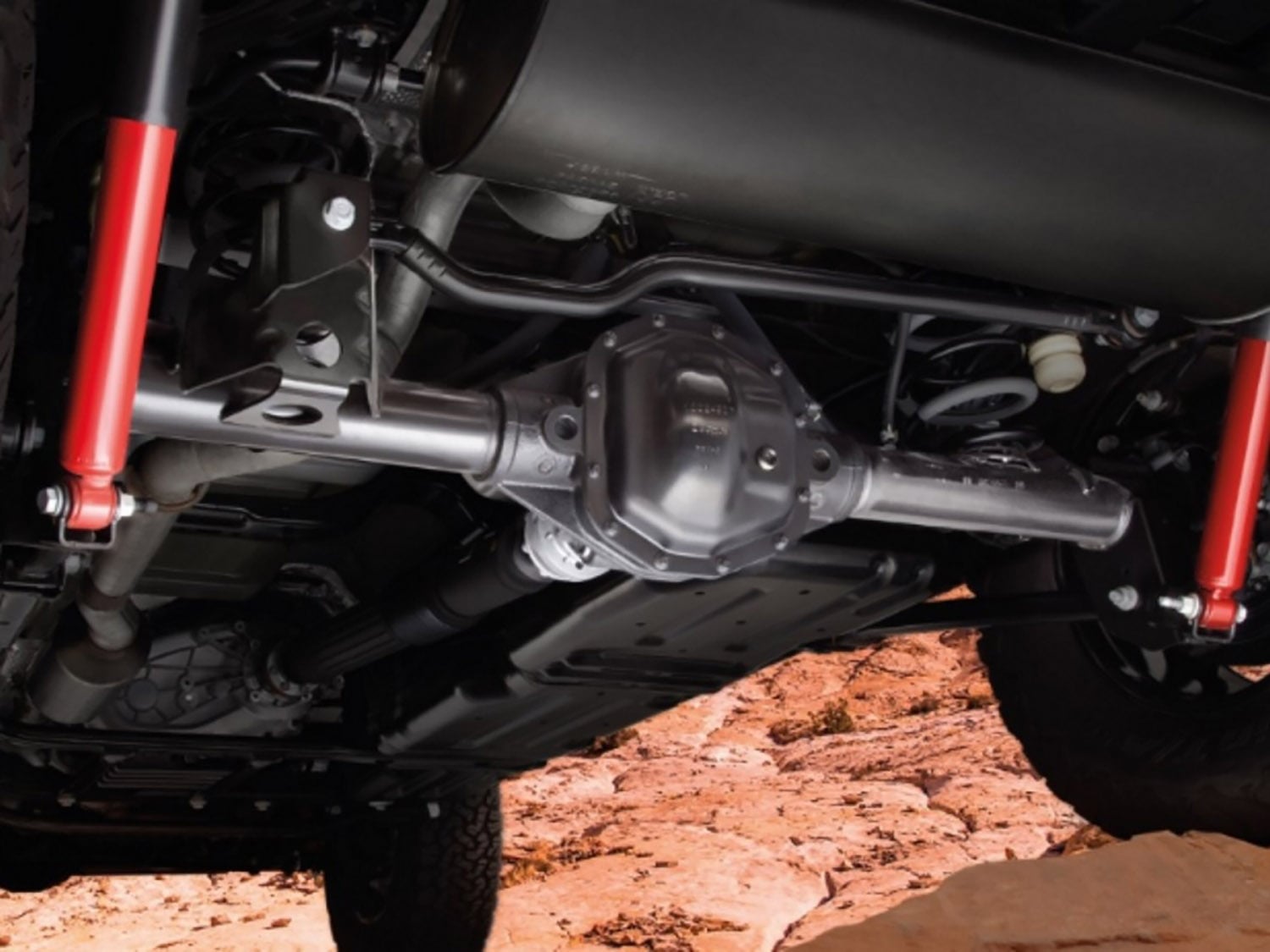
If you drive a Jeep JL, you probably know it’s built for adventure. But what many owners don’t realize is how important the axles are to your Jeep’s performance.
Axles play a big role in strength, off-road ability, and reliability. Whether you’re curious about your Jeep’s factory axles or planning upgrades, understanding what’s under your JL is essential.
This guide will help you identify the axles in your Jeep JL, explain differences between models, and share practical tips for getting the most out of your vehicle.
Why Jeep Jl Axles Matter
Your JL’s axles carry the weight of the vehicle, transfer power to the wheels, and support off-road driving. Axle type affects:
- Ground clearance
- Towing capacity
- Wheel fitment
- Durability on rough terrain
Choosing the right axle is key if you plan to add bigger tires, lift kits, or tackle trails. Factory axles also affect resale value and maintenance costs.
Many beginners overlook axle specs, but they’re crucial for safe and enjoyable driving.
Jeep Jl Axle Types By Model
Jeep JL models come with different axles. Let’s break down what you’ll find on each version.
| Jeep JL Model | Front Axle | Rear Axle |
|---|---|---|
| Sport | Dana 30 | Dana 35 |
| Sahara | Dana 30 | Dana 35 |
| Rubicon | Dana 44 | Dana 44 |
Dana 30
The Dana 30 is a lighter axle found in most JL Sport and Sahara front ends. It’s good for daily driving and light off-roading. However, it’s not the best choice for extreme rock crawling or heavy towing.
Dana 35
The Dana 35 sits in the rear of JL Sport and Sahara. It’s stronger than the Dana 30 but still considered “light duty.” Many owners upgrade this axle if they install large tires or want more strength.
Dana 44
If you drive a JL Rubicon, you get Dana 44 axles front and rear. This axle is much tougher, with thicker shafts and larger gears. It’s built for heavy off-road use and stands up to bigger tires and lockers.
Identifying Your Jeep Jl Axles
If you’re not sure which axles are in your JL, there are a few ways to check:
- Check your build sheet: Jeep provides a build sheet online with your VIN. It lists axle specs.
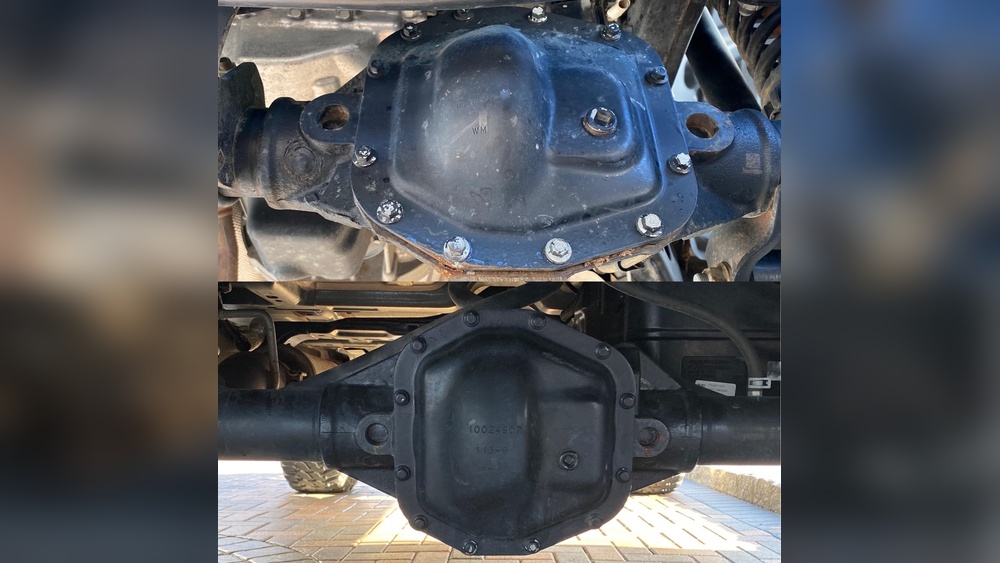
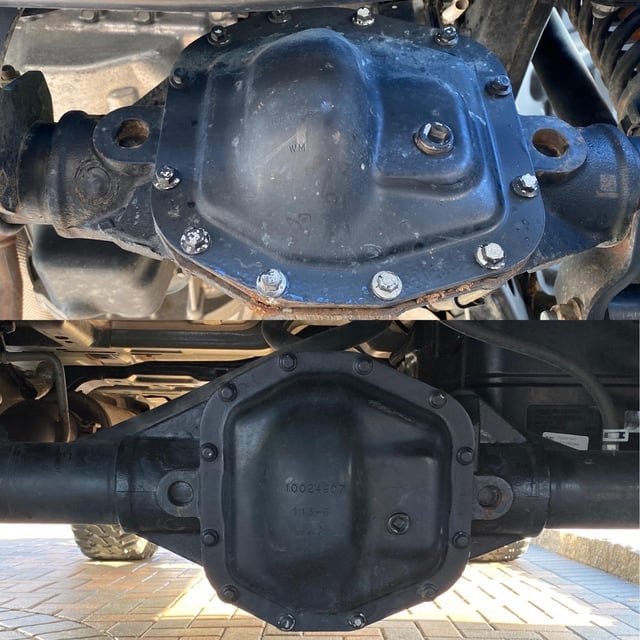
- Look for axle tags: Metal tags on the axle housing show model numbers.
- Visual inspection: Dana 44 axles have bigger tubes and often “44” cast into the housing.
- Ask your dealer: Dealers can look up your Jeep’s axle info using the VIN.
Here’s a quick comparison table to help you recognize axles:
| Axle Model | Tube Diameter | Gear Size | Lockers |
|---|---|---|---|
| Dana 30 | 2.5 in | 7.12 in | No |
| Dana 35 | 2.62 in | 7.625 in | No |
| Dana 44 | 2.75 in | 8.5 in | Yes (Rubicon) |
Axle Features And Differences
The main differences between JL axles are strength, features, and compatibility with upgrades.
- Lockers: Rubicon Dana 44 axles come with electronic lockers for better traction.
- Gear ratios: Rubicon axles usually have a lower gear ratio (like 4.10), improving torque for off-road.
- Shaft size: Dana 44 has thicker shafts, reducing the risk of breakage.
If you plan to lift your Jeep or use larger tires, the Dana 44 is best. Dana 30 and 35 can handle mild modifications, but pushing them too hard may cause problems.
Upgrading Or Modifying Your Jl Axles
Many Jeep owners want more capability. Here are key tips if you’re thinking about upgrades:
- Know your limits: Don’t run tires over 33 inches on Dana 30 or 35 axles without upgrades.
- Consider lockers: Adding lockers improves traction, but some axles don’t support them easily.
- Upgrade shafts: Aftermarket shafts boost strength, especially for Dana 35.
- Swap axles: Some drivers replace their factory axles with Dana 44 or aftermarket axles for extreme use.
It’s common for beginners to underestimate the cost and complexity of axle swaps. Upgrading axles is not just about buying parts; it often requires new driveshafts, brake lines, and gears. Always check compatibility before starting a project.
Non-obvious Insights
Many JL owners forget to check gear ratios when upgrading axles. If you swap a Dana 35 for a Dana 44, you need to match gear ratios front and rear, or your Jeep won’t drive correctly.
Another tip: axle breather tubes are small but important. If you go off-road in water or mud, make sure your axle breathers are extended and sealed. Water in the axle can destroy gears quickly.

Real-world Example
A JL Rubicon owner wanted to run 37-inch tires. He kept his factory Dana 44 axles but upgraded shafts and installed stronger gears.
He also extended axle breathers for water crossings. This setup worked well for hard trails, but he noticed increased maintenance needs bigger tires put more stress on axles, even tough ones.
Frequently Asked Questions
What Axles Does My Jeep Jl Sport Have?
The JL Sport comes with a Dana 30 front axle and a Dana 35 rear axle. These are good for daily driving and mild off-road, but may need upgrades for bigger tires or tough trails.
Does The Jl Rubicon Have Dana 44 Axles?
Yes, the JL Rubicon has Dana 44 axles front and rear. They include electronic lockers and lower gear ratios for better off-road performance.
How Can I Check What Axles Are In My Jl?
You can check your Jeep’s build sheet online with your VIN, look for metal tags on the axles, or ask your dealer. Visual inspection also helps—Dana 44 axles are larger and often marked.
Can I Upgrade My Jl’s Axles For Bigger Tires?
Yes, many owners upgrade axles for bigger tires. For Dana 30 or 35, consider stronger shafts or swapping to Dana 44.
Always match gear ratios front and rear for safe driving.
Are Jl Axles Strong Enough For Off-roading?
Dana 44 axles are strong and ideal for off-roading. Dana 30 and Dana 35 are fine for light trails but may break with heavy use or large tires. Upgrades can improve durability.
Understanding your Jeep JL axles is key for safe driving, smart upgrades, and enjoying your vehicle’s full potential. For more technical details, visit the official Jeep JL page. Whether you’re new to Jeeps or planning serious off-road adventures, knowing your axles will help you make better decisions and avoid costly mistakes.