The water pump is a critical component in your 1999 Jeep Cherokee's cooling system. It’s responsible for circulating coolant (a mixture of antifreeze and water) throughout the engine.
This circulation is vital because it absorbs the heat generated by the engine during combustion and carries it to the radiator, where it's dissipated into the air.
Without a functioning water pump, the engine would quickly overheat, leading to severe damage, including warped cylinder heads, blown head gaskets, and even a seized engine.
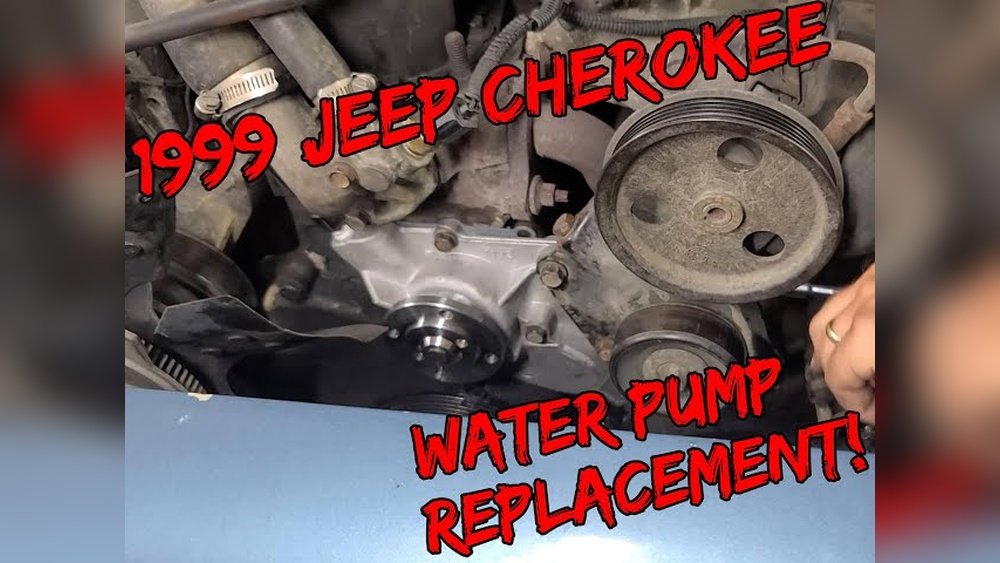
For a 1999 Jeep Cherokee, understanding the water pump’s role, recognizing the signs of failure, knowing how to replace it, and choosing the right replacement part are essential for any owner looking to maintain their vehicle’s longevity and performance. This guide will cover everything you need to know about the water pump in your specific model, offering insights and practical advice to help you keep your Cherokee running cool and reliably.
Understanding The 1999 Jeep Cherokee Cooling System
The cooling system in your 1999 Jeep Cherokee is a closed-loop system designed to maintain the engine’s optimal operating temperature. This temperature is crucial for efficiency, emissions control, and preventing mechanical stress. The system comprises several key components working in harmony:
- Radiator: This is where the hot coolant from the engine is cooled. It consists of a network of fins and tubes that allow air to pass through, transferring heat away from the coolant.
- Thermostat: This valve controls the flow of coolant. When the engine is cold, the thermostat remains closed, preventing coolant from flowing to the radiator. This allows the engine to reach its optimal operating temperature faster. Once the engine warms up, the thermostat opens, allowing coolant to circulate through the radiator.
- Coolant Hoses: These flexible rubber or silicone tubes connect the various components of the cooling system, allowing coolant to flow between the engine, radiator, water pump, and heater core.
- Cooling Fan: This fan, either engine-driven or electric, pulls air through the radiator, especially at low speeds or when the vehicle is stationary, to aid in cooling the coolant.
- Heater Core: This small radiator-like component is located inside the vehicle’s dashboard. Hot coolant flows through it, and when you turn on the heater, a fan blows air across the heater core, warming the cabin.
- Expansion Tank (or Overflow Reservoir): As coolant heats up, it expands. This tank provides a place for the excess coolant to go, preventing pressure buildup in the system. It also allows the coolant to return to the system as it cools and contracts.
- Water Pump: As mentioned, this is the heart of the system. It’s typically driven by the engine’s serpentine belt or timing chain/belt and uses an impeller to push coolant through the engine block, cylinder heads, and out to the radiator.
The 1999 Jeep Cherokee often features a cast-iron engine block and aluminum cylinder heads. This combination requires precise temperature management, making the water pump's function even more critical.
Overheating can cause significant damage, especially to the aluminum components, which are more susceptible to warping than cast iron.
How The Water Pump Works In Your Cherokee
The water pump in your 1999 Jeep Cherokee is a relatively simple, yet vital, mechanical device. Its primary function is to create a flow of coolant through the engine and the rest of the cooling system. Here’s a breakdown of its operation:
- Drive Mechanism: The water pump is usually mounted on the front of the engine. It’s driven by the serpentine belt, which is a single, long belt that snakes around various pulleys (crankshaft, alternator, power steering pump, A/C compressor, and the water pump itself). In some engine configurations, it might be driven by the timing belt or timing chain, making its replacement a more involved process often done during timing belt service. For most 1999 Jeep Cherokees with the popular 4.0L inline-six engine, it’s belt-driven.
- Impeller: Inside the water pump housing is an impeller, which is a rotating disc with vanes or blades. When the pump shaft spins, the impeller spins with it.
- Coolant Movement: As the impeller rotates, it draws coolant from the radiator (via a hose connected to the pump’s inlet) and pushes it outwards towards the engine block and cylinder heads. The centrifugal force generated by the spinning impeller propels the coolant through the passages of the engine, where it absorbs heat.
- Circulation: From the engine, the heated coolant then flows towards the thermostat. If the thermostat is open, the hot coolant is directed to the radiator for cooling. After passing through the radiator and being cooled, the coolant returns to the water pump inlet to begin the cycle again.
The speed of the water pump is directly related to the engine speed. At idle, the pump spins slower, circulating less coolant. As you accelerate and the engine spins faster, the pump also spins faster, increasing the coolant flow rate to meet the higher heat output of the engine. This dynamic flow is essential for efficient cooling under varying driving conditions.
A common point of failure for water pumps is the seal around the shaft that connects the impeller to the drive pulley. Over time, this seal can degrade, leading to coolant leaks. Another issue can be the corrosion or erosion of the impeller itself, reducing its efficiency in moving coolant.

Signs Of A Failing Water Pump
Recognizing the symptoms of a failing water pump in your 1999 Jeep Cherokee is crucial to prevent catastrophic engine damage. Ignoring these signs can turn a relatively minor repair into a major, expensive overhaul. Here are the most common indicators that your water pump might be on its way out:
- Coolant Leaks: This is often the first and most obvious sign. Water pumps have a weep hole on the underside. When the internal seal begins to fail, coolant will start to drip or seep from this hole. You might notice puddles of coolant under the front-center of your Jeep, especially after it has been parked for a while. The coolant color will depend on what type you are using, typically green, orange, or pink.
- Pro Tip: If you see a small, slow drip, it’s an early warning. Don’t wait for it to become a torrent.
- Overheating: If the water pump’s impeller is damaged, corroded, or slipping on its shaft, it won’t be able to circulate coolant effectively. This leads to the engine temperature gauge climbing into the red zone. This is a serious symptom that requires immediate attention.
- Important Note: Overheating can be caused by other cooling system issues, such as a bad thermostat, clogged radiator, or low coolant level. However, a failing water pump is a common culprit.
- Whining or Grinding Noise: The water pump has a bearing that allows the shaft to spin smoothly. If this bearing starts to wear out, you might hear a whining, grinding, or squealing noise coming from the front of the engine, especially when the engine is running. This noise might change with engine RPM.
- Corrosion or Rust on the Pump: Visually inspecting the water pump can reveal signs of trouble. Look for rust or corrosion around the pump housing, especially near the pulley and the weep hole. This can indicate past leaks or impending seal failure.
- Loose Pulley: While less common, the pulley attached to the water pump shaft can become loose due to bearing wear or a failing bearing. This can cause wobbling of the pulley and an inconsistent drive to the impeller.
When you notice any of these symptoms, it’s wise to have your cooling system inspected by a qualified mechanic. Addressing a failing water pump early can save you from much more costly repairs down the line.
Replacing The Water Pump On A 1999 Jeep Cherokee
Replacing the water pump on a 1999 Jeep Cherokee is a moderately difficult DIY job. It requires some mechanical aptitude, the right tools, and patience.
If you’re not comfortable working on your vehicle's cooling system, it’s best to leave this to a professional.
However, if you’re up for the challenge, here’s a general outline of the process.
Tools and Materials You’ll Need:
- New water pump (ensure it’s compatible with your specific engine)
- New gasket or RTV sealant (depending on the pump design)
- Serpentine belt tool (if needed to relieve tension)
- Socket set and wrenches (metric sizes, typically 10mm, 13mm, 15mm)
- Torque wrench
- Drain pan for coolant
- Hose clamp pliers
- Scraper or razor blade for cleaning gasket surfaces
- Gloves and safety glasses
- Shop rags or towels
- Distilled water and appropriate antifreeze for refilling
Step-by-Step Replacement Guide:
- Safety First: Ensure the engine is completely cool. Wear safety glasses and gloves.
- Drain the Coolant: Place a drain pan under the radiator drain plug (petcock). Open the plug and allow all the coolant to drain out. You may also need to open the radiator cap to help it drain faster. Dispose of the old coolant responsibly.
- Remove the Serpentine Belt: Locate the serpentine belt tensioner. Use a serpentine belt tool or a breaker bar to rotate the tensioner and release the tension on the belt. Carefully slip the belt off the water pump pulley. You might want to note or take a picture of the belt routing before removing it.
- Remove the Water Pump Pulley: The water pump pulley is usually held on by a few bolts (often three). Loosen and remove these bolts to take the pulley off. You might need to hold the pulley steady with a strap wrench or a makeshift tool to prevent it from spinning.
- Remove the Old Water Pump: The water pump is typically bolted to the engine block with several bolts. These bolts might be different lengths, so it’s helpful to mark their positions or keep them organized. Loosen and remove all the bolts. Once all bolts are out, gently pry the water pump away from the engine block. Be prepared for a small amount of residual coolant to spill out.
- Clean the Mounting Surface: This is a critical step. Thoroughly clean the mounting surface on the engine block where the water pump attaches. Use a scraper or razor blade to remove all traces of the old gasket material or RTV sealant. Ensure the surface is perfectly smooth and free of debris. Any leftover material can cause leaks.
- Install the New Water Pump: Apply a thin, even bead of RTV sealant around the edge of the new water pump gasket, or if your new pump doesn’t come with a gasket, apply it directly to the mounting surface on the block or the pump housing as per the manufacturer’s instructions. Carefully position the new water pump and install the bolts.
- Tighten the Bolts: Tighten the water pump bolts in a star pattern to ensure even pressure. Use a torque wrench to tighten them to the manufacturer’s specified torque value. Overtightening can warp the pump housing, while undertightening can lead to leaks.
- Reinstall the Pulley and Belt: Reattach the water pump pulley and tighten its bolts. Then, reinstall the serpentine belt, ensuring it’s properly routed around all the pulleys. Release the tensioner to put the belt back into place. Check that the belt is seated correctly on all pulleys.
- Refill the Cooling System: Close the radiator drain plug. Using a mixture of new antifreeze and distilled water (usually a 50/50 mix), refill the cooling system through the radiator cap opening.
- Bleed the System: It’s essential to bleed the air out of the cooling system. Start the engine and let it run until it reaches operating temperature. Monitor the coolant level in the radiator and expansion tank, topping it up as needed. You may need to temporarily remove the radiator cap (carefully!) Or open a bleed screw (if equipped) to allow air to escape. Once the thermostat opens and the coolant circulates freely, you can secure the cap.
- Check for Leaks: With the engine running and after it has cooled down, thoroughly inspect the new water pump and all hose connections for any signs of leaks.
This process is detailed, and consulting a service manual specific to your 1999 Jeep Cherokee is highly recommended for exact torque specifications and any model-specific nuances.

Choosing The Right Replacement Water Pump
When it’s time to replace the water pump on your 1999 Jeep Cherokee, selecting the correct part is crucial for ensuring proper fit, performance, and longevity. There are several types and brands of water pumps available, each with its own pros and cons.
Types of Water Pumps:
- OEM (Original Equipment Manufacturer): These are water pumps made by or for Jeep. They are designed to meet the exact specifications of your 1999 Cherokee. While often the most expensive option, they offer the highest assurance of fit and quality.
- Aftermarket: These are water pumps made by third-party manufacturers. They can be a more budget-friendly option. Quality can vary significantly between brands. Some aftermarket parts are just as good as OEM, while others might be of lower quality.
- Remanufactured/Rebuilt: These are used water pumps that have been professionally inspected, cleaned, and had worn parts replaced. They can be a good balance between cost and quality, but it’s important to buy from a reputable source that offers a decent warranty.
Key Factors to Consider:
- Material:
- Cast Iron Impeller: More durable and resistant to corrosion than stamped steel. This is generally preferred for longevity. Many 1999 Cherokee models came with cast iron impellers.
- Stamped Steel Impeller: Lighter and cheaper to produce, but more prone to corrosion and erosion over time, especially if coolant maintenance is neglected.
- Plastic/Composite Impeller: Some newer pumps use high-strength plastic impellers. These are lightweight and corrosion-resistant but can potentially warp or crack under extreme heat or stress.
- Brand Reputation: Stick with well-known and reputable brands in the automotive aftermarket. Brands like Gates, ACDelco, Mopar (Jeep’s OEM brand), Bosch, and others generally have a good track record for quality and reliability. Research reviews for specific models if you’re unsure.
- Warranty: A good warranty is a strong indicator of a manufacturer’s confidence in their product. Look for pumps that offer at least a 1-year warranty, and ideally longer. Some premium options might offer lifetime warranties.
- Included Components: Some water pump kits come with a new gasket or O-ring, while others require you to purchase these separately. Make sure you have all the necessary mounting hardware and seals for the installation.



















