The transmission oil cooler for your 2004 Jeep Grand Cherokee 4. 0L is a critical component for maintaining the health and longevity of your vehicle’s transmission.
This system is responsible for dissipating the heat generated by the transmission fluid as it circulates. Overheating is one of the most common causes of transmission failure, leading to expensive repairs.
Understanding how the transmission oil cooler works, why it's important, and how to maintain it can save you a lot of trouble and money down the road.
This article will guide you through everything you need to know about the transmission oil cooler system on your 2004 Jeep Grand Cherokee 4. 0L, including its components, function, common issues, and maintenance tips.
Understanding The Function Of A Transmission Oil Cooler
Your Jeep Grand Cherokee's transmission, like any complex mechanical system, generates heat during operation. This heat is a byproduct of friction between moving parts, such as gears, clutches, and torque converters.
The transmission fluid, also known as ATF (Automatic Transmission Fluid), plays a vital role not only in lubricating these parts but also in cooling them.
As the ATF circulates, it absorbs heat from these components.
The transmission oil cooler's primary job is to lower the temperature of this heated ATF before it's recirculated back into the transmission. Lowering the ATF temperature is crucial for several reasons.
High temperatures can degrade the ATF, reducing its lubricating properties and leading to increased wear on transmission parts.
Over time, degraded fluid can form sludge and varnish, which can clog passages and damage delicate components. Furthermore, extremely high temperatures can cause seals to shrink and crack, leading to leaks and potential transmission failure.
A properly functioning transmission oil cooler ensures the ATF stays within its optimal operating temperature range, typically between 160°F and 220°F (71°C to 104°C).
Components Of The Transmission Oil Cooler System
The transmission oil cooler system on your 2004 Jeep Grand Cherokee 4.0L is relatively straightforward, consisting of a few key parts:
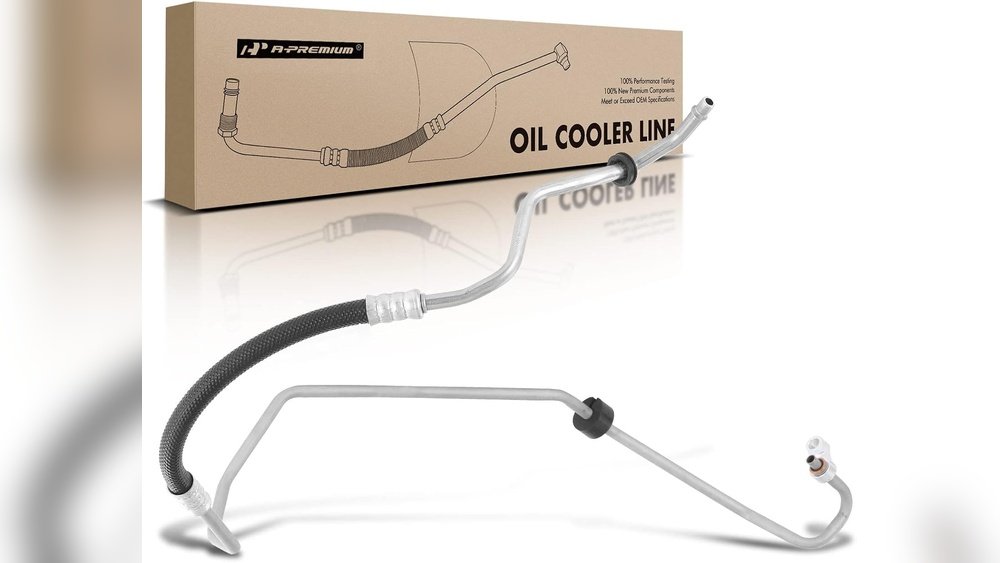
Transmission Fluid Lines
These are durable hoses or metal lines that carry the ATF from the transmission to the cooler and back. They are typically made of reinforced rubber or steel to withstand the high pressures and temperatures involved.
The condition of these lines is paramount, as leaks can lead to significant fluid loss and overheating.
Transmission Oil Cooler Core
This is the heart of the cooling system. It's usually a small radiator-like device, often mounted in front of the main engine radiator or integrated into it.
The hot ATF flows through small passages within the cooler core. As it flows, air passes over the fins of the cooler, carrying heat away from the fluid.
Mounting Brackets And Hardware
These are used to secure the cooler in its position, ensuring it receives adequate airflow and remains stable during vehicle operation.
Cooler Lines Fittings And Connectors
These are the points where the fluid lines connect to the transmission and the cooler itself. They must create a leak-proof seal to prevent ATF from escaping.
Why Your 2004 Jeep Grand Cherokee 4.0l Needs A Transmission Oil Cooler
The 4. 0L engine in your 2004 Jeep Grand Cherokee is known for its durability and torque, making it a capable vehicle for various tasks, including towing and off-roading.
These activities, however, place additional strain on the transmission, leading to increased heat generation.
Towing, in particular, significantly increases the workload on your transmission. When towing a trailer, the engine works harder, and the transmission has to shift more frequently and hold gears under load.
This increased friction translates directly into higher ATF temperatures.
Without an adequate cooling system, the transmission fluid can quickly reach damaging temperatures, especially in hot weather or when climbing hills.
Even daily driving, especially in stop-and-go traffic or in warmer climates, can put a strain on the transmission's cooling system. The constant shifting and torque converter slip generate heat that needs to be managed.
A robust transmission oil cooler ensures that your transmission fluid remains at a safe operating temperature, protecting its internal components from premature wear and failure.
Common Problems With Transmission Oil Coolers
Like any automotive component, transmission oil coolers can develop problems over time. Recognizing these issues early can prevent catastrophic transmission failure.
Leaking Fluid Lines
The most common problem is a leak in the transmission fluid lines. These lines can become brittle and crack with age, or the fittings can loosen.
Leaks can be small, leading to a gradual loss of fluid and a slow increase in transmission temperature, or they can be significant, causing rapid fluid loss and immediate overheating.
A low ATF level will not only reduce cooling efficiency but also compromise lubrication.
Clogged Cooler Core
Over time, debris, sludge, or internal transmission wear particles can accumulate within the transmission oil cooler. This buildup restricts the flow of ATF through the cooler, reducing its ability to dissipate heat effectively.
A clogged cooler core will cause the ATF temperature to rise, even if the fluid lines are intact.
Damaged Cooler Fins
The fins on the transmission oil cooler are delicate and can be easily damaged by road debris, rocks, or during routine maintenance. Bent or broken fins reduce the surface area available for cooling, making the cooler less efficient.
In severe cases, a damaged cooler can even lead to a refrigerant leak if it's part of the main radiator assembly, though this is less common for dedicated transmission coolers.
Cooler Line Blockage
Besides the cooler core itself, the lines leading to and from the cooler can also become blocked. This blockage can be caused by internal degradation of the hose material or by accumulated debris.
A blocked line will prevent ATF from reaching the cooler or returning to the transmission, leading to localized overheating.
Transmission Overheating
This is the symptom, not the problem itself, but it’s the most critical indicator that something is wrong with the cooling system. If your Jeep Grand Cherokee’s transmission temperature gauge (if equipped) reads higher than normal, or if you notice symptoms like slipping gears, delayed engagement, or a burning smell, it’s a strong sign of an overheating transmission, likely due to a cooling system issue.
Signs Of A Failing Transmission Oil Cooler
Pay close attention to these indicators that your transmission oil cooler might be failing:
Transmission Slipping Or Hesitation
When the transmission fluid overheats, its viscosity changes, and it loses its ability to create a strong hydraulic lock between clutch packs. This can cause the transmission to slip, meaning the engine RPMs increase without a corresponding increase in vehicle speed, or gears may hesitate to engage.
Burning Smell
Overheated transmission fluid can emit a distinct burnt odor. This smell might be noticeable inside the cabin or when you get out of the vehicle after driving.
It's a serious warning sign that the fluid is reaching extremely high temperatures.
Increased Transmission Temperature
Many vehicles, including some Grand Cherokees, have a transmission temperature gauge on the dashboard. If this gauge consistently reads higher than normal, or if it enters the red zone, it indicates a problem with the cooling system.
If your Jeep doesn't have a dedicated gauge, you might notice the transmission performing sluggishly after extended driving, especially in hot weather.
Leaks Under The Vehicle
Check the ground under your Jeep for red or brown fluid. Transmission fluid is typically reddish in color, though it can darken with age.
Leaks near the front of the vehicle, especially under the radiator area, could indicate a problem with the transmission cooler lines or the cooler itself.
Check Engine Light Or Transmission Warning Light
Modern vehicles have sophisticated diagnostic systems. If the transmission control module (TCM) detects abnormal temperatures or fluid pressure issues related to the cooling system, it may illuminate the Check Engine Light or a dedicated transmission warning light.
Maintenance And Replacement Of Transmission Oil Cooler Hoses
Maintaining the transmission oil cooler hoses is a crucial part of transmission longevity. Here’s what you need to know:
Regular Inspection
Make it a habit to visually inspect the transmission cooler lines during regular oil changes or other maintenance. Look for any signs of cracking, fraying, swelling, or leaks.
Pay close attention to the connections where the lines meet the transmission and the cooler.
Fluid And Filter Changes
Regularly changing your transmission fluid and filter is essential. Fresh fluid has better cooling properties and contains additives that protect against wear.
During a fluid change, the old fluid can be inspected for signs of contamination, such as metal particles, which might indicate internal transmission damage or a failing cooler.
Hose Replacement Schedule
While there isn't a strict mileage-based replacement schedule for transmission cooler hoses, it's wise to consider replacing them proactively, especially if your Jeep is approaching higher mileage (e. g.
, 100,000 miles or more) or if you frequently tow or drive in harsh conditions.
Many mechanics recommend replacing them around the 80,000 to 100,000-mile mark as a preventative measure.
Choosing Replacement Hoses
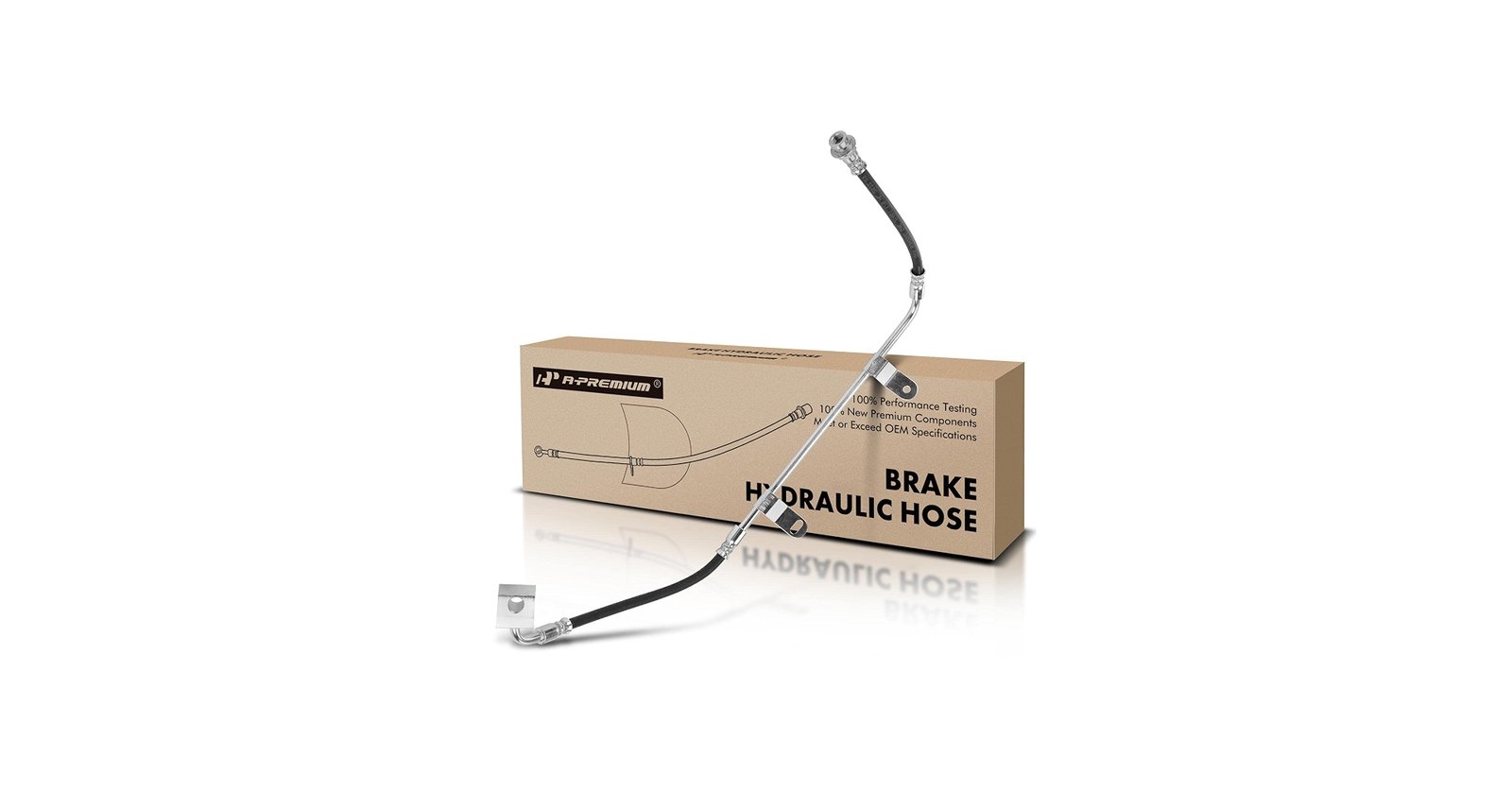
When it comes to replacement hoses, always opt for high-quality, transmission-specific cooler lines. These hoses are designed to withstand the high temperatures and pressures of automatic transmission fluid.
Avoid using generic rubber hoses not rated for this application, as they can fail prematurely.
Look for hoses made from materials like EPDM rubber, which offers excellent resistance to heat and oil.
Installation Process
Replacing transmission cooler hoses involves draining the transmission fluid, disconnecting the old lines, installing the new ones, and then refilling the transmission with the correct type and amount of ATF. It’s important to ensure the new lines are routed correctly and secured properly to prevent chafing or kinking.
After installation, the transmission should be run through its gears, and the fluid level checked and adjusted as needed. A proper fill and bleeding of the system are critical.
Professional Installation
If you are not comfortable working with automotive fluid systems or lack the necessary tools, it’s best to have a qualified mechanic perform the hose replacement. They have the expertise and equipment to ensure the job is done correctly, preventing leaks and potential damage.
Upgrading Your Transmission Oil Cooler
For 2004 Jeep Grand Cherokee 4. 0L owners who frequently tow, engage in off-roading, or live in very hot climates, upgrading the stock transmission oil cooler might be a worthwhile investment.
Why Upgrade?
The factory cooler is designed for average driving conditions. When the transmission is subjected to heavy loads, extended periods of high RPMs, or extreme ambient temperatures, the stock cooler may not be sufficient to keep the ATF within its optimal temperature range.
An aftermarket cooler offers a larger surface area and/or more efficient design, providing superior cooling capacity.
Types Of Aftermarket Coolers
- Larger Plate-Fin Coolers: These are similar in design to the stock cooler but are significantly larger, offering more surface area for heat exchange. They typically mount in front of the radiator.
- Tube-and-Fin Coolers: These use a series of tubes through which the ATF flows, with fins attached to dissipate heat. They are often more robust than plate-fin designs.
- Stacked Plate Coolers: These are considered the most efficient type. They consist of multiple thin plates stacked together, creating a large surface area for heat transfer in a compact package.
Installation Considerations
Upgrading usually involves removing the stock cooler (if it's a separate unit) and installing the new, larger cooler. This may require custom mounting brackets and potentially longer transmission cooler lines.
It's crucial to ensure the new cooler doesn't obstruct airflow to the engine radiator.
Professional installation is highly recommended for upgrades to ensure proper fitment and function.
Troubleshooting Common Transmission Oil Cooler Issues
When you suspect a problem with your transmission oil cooler, a systematic approach to troubleshooting is best.
Check Fluid Level And Condition First
Before assuming the cooler is the issue, always verify the transmission fluid level and condition. Low fluid levels are a very common cause of overheating and can mimic cooler problems.
If the fluid is dark, smells burnt, or has debris, it needs to be changed, and the source of the contamination investigated.
Inspect Cooler Lines For Leaks
Visually inspect all transmission cooler lines from the transmission to the cooler and back. Look for any signs of wetness, drips, or damage.
Feel the lines for any soft or spongy spots, which can indicate internal degradation.
Check Airflow To The Cooler
Ensure that the area in front of the transmission cooler (and engine radiator) is clear of debris like leaves, plastic bags, or mud. Blocked airflow significantly reduces the cooler's efficiency.
If the cooler fins are bent, you can try to carefully straighten them with a fin comb, but be gentle to avoid causing leaks.
Test Cooler Flow (advanced)
A more advanced diagnostic involves checking for proper ATF flow through the cooler. This typically requires disconnecting the lines at the cooler and running the engine briefly to see if fluid is being pumped out.
This should only be done by someone with mechanical experience, as incorrect procedures can lead to further damage or injury.
Consider Internal Transmission Issues
Sometimes, what appears to be a cooler problem might be a symptom of an internal transmission issue, such as a failing torque converter or a clogged internal transmission filter, which can cause excessive heat generation.
The Importance Of Using The Correct Transmission Fluid
Using the correct type of transmission fluid is non-negotiable for your 2004 Jeep Grand Cherokee 4. 0L.
The ATF is specifically formulated to provide the necessary lubrication, hydraulic pressure, and cooling properties for your transmission's unique design. Using the wrong fluid can lead to shifting problems, increased wear, and premature failure, regardless of how well your transmission cooler is functioning.
For your 2004 Grand Cherokee with the 4.0L engine and automatic transmission, you will typically need a fluid that meets the Chrysler ATF+4 specification. Always consult your owner’s manual for the most accurate fluid requirements. ATF+4 is designed to handle the specific operating temperatures and pressures of these transmissions. Using generic multi-vehicle fluids might seem like a cost-saving measure, but it can be detrimental to the long-term health of your transmission.
Frequently Asked Questions
How Often Should I Change My Transmission Fluid And Filter?
It’s generally recommended to change the transmission fluid and filter every 30,000 to 60,000 miles, or more frequently if you frequently tow, drive in dusty conditions, or operate your Jeep in extreme temperatures. Always refer to your owner’s manual for the manufacturer’s specific recommendations.
Can A Clogged Transmission Cooler Cause The Transmission To Slip?
Yes, a clogged transmission cooler can lead to overheating, and overheated transmission fluid loses its viscosity and ability to create sufficient hydraulic pressure, which can cause the transmission to slip or hesitate during gear changes.
How Can I Tell If My Transmission Cooler Lines Are Leaking?
Look for reddish or brownish fluid leaks under your Jeep, especially in the front area. You may also notice a burnt smell if the fluid is leaking onto hot exhaust components.
Inspecting the lines themselves for cracks, damage, or wet spots is also key.
Is It Possible To Bypass The Transmission Cooler?
While technically possible, bypassing the transmission cooler is strongly discouraged. The transmission fluid generates significant heat during operation, and without a cooler, the fluid temperature will quickly rise to damaging levels, leading to rapid transmission failure.



















