The RAV4 vs Outback debate comes down to what you value most in a vehicle. Both are known for their reliability, safety, and practicality, but they excel in different areas.
The Toyota RAV4 stands out with excellent fuel economy, lower ownership costs, and a more traditional SUV design. The Subaru Outback offers standard all-wheel drive, a spacious cabin, and added confidence on rough roads and in bad weather.
In this detailed Toyota RAV4 vs Subaru Outback comparison, we’ll compare everything that matters, including performance, interior comfort, cargo space, technology, safety, pricing, fuel economy, and long-term ownership. By the end, you’ll have a clear idea of which vehicle is the better fit for your needs.
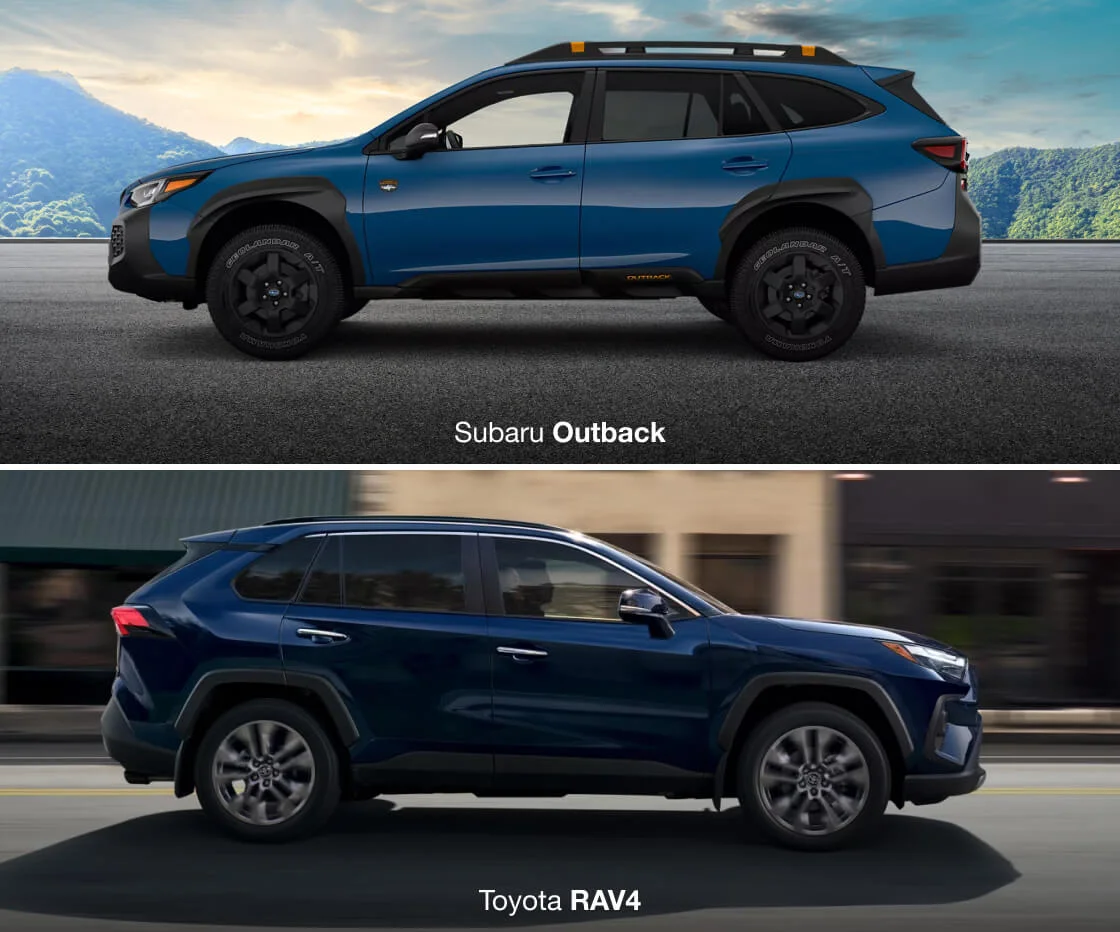
Toyota RAV4 vs Subaru Outback: Key Differences
Before looking at performance, here’s a quick overview of where these two vehicles stand apart.
- The Toyota RAV4 is a traditional compact SUV, while the Subaru Outback is a crossover wagon with SUV capability.
- The RAV4 Hybrid offers one of the best fuel economy ratings in its class.
- Every Outback comes with standard Symmetrical All-Wheel Drive, while AWD is optional on most RAV4 trims.
- The Outback provides a longer cargo area and slightly higher ground clearance for outdoor gear and camping.
- The RAV4 delivers stronger resale value and lower long-term ownership costs.
- Buyers who spend most of their time in the city often prefer the RAV4, while those who frequently drive in snow, rain, or on unpaved roads often lean toward the Outback.
Performance
Both the RAV4 and Outback are known for their solid performance, but they approach driving differently. Understanding these differences helps you pick the right vehicle for your routine.
Toyota RAV4
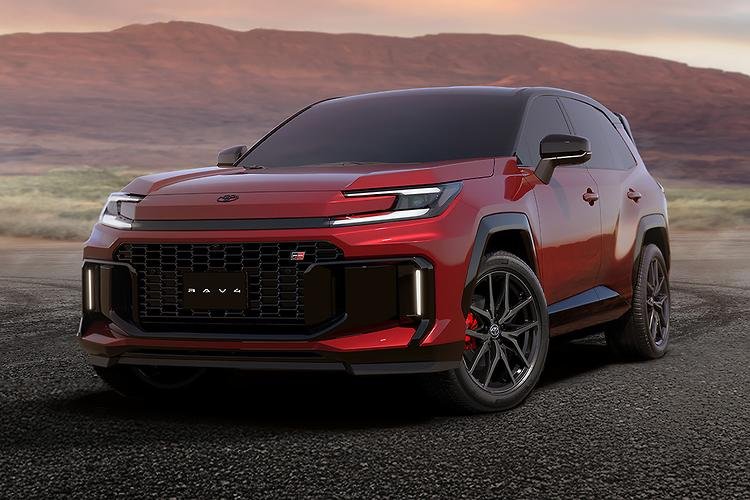
The RAV4 offers a versatile experience. Its standard engine is a 2.5-liter four-cylinder, producing about 203 horsepower. If you want more efficiency, there’s also a hybrid version with a combined output of 219 horsepower.
The RAV4’s eight-speed automatic transmission delivers smooth shifts, and the SUV comes with either front-wheel drive or all-wheel drive.
Fuel economy is a big selling point. The gasoline model gets 27 mpg city / 35 mpg highway, while the hybrid reaches up to 41 mpg city / 38 mpg highway. The ride feels firm but comfortable, especially on highways. RAV4’s ground clearance is 8.6 inches, making it good for mild off-roading.
On the downside, the engine can sound noisy during hard acceleration. The RAV4 is not designed for sports driving, but it responds well in daily traffic.
The hybrid model is quieter and ideal for city use.
Subaru Outback
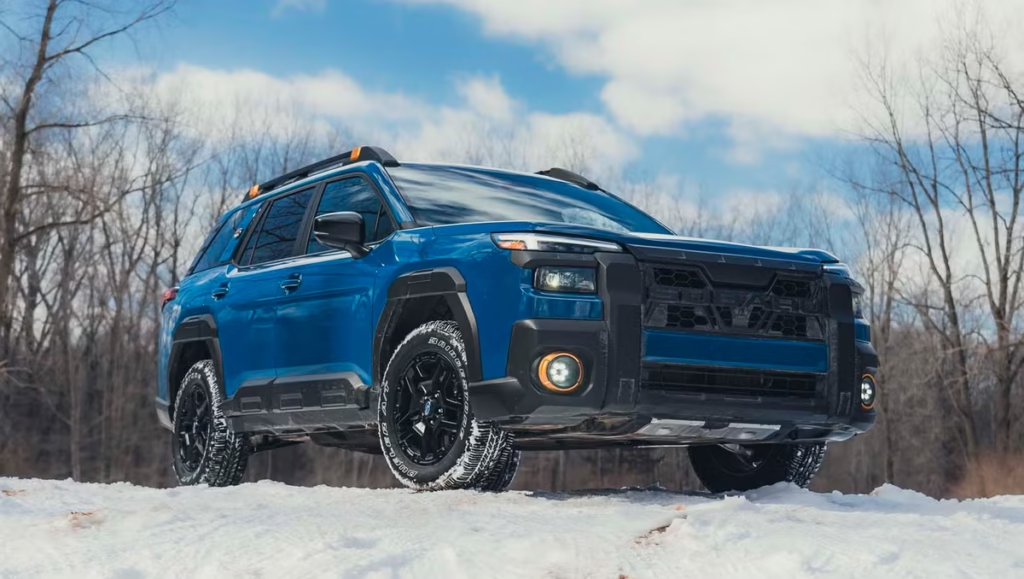
The Outback takes a different approach with its wagon-SUV blend. The base engine is a 2.5-liter four-cylinder, offering 182 horsepower. For extra power, there’s a turbocharged 2.4-liter engine that jumps to 260 horsepower. The Outback uses a CVT (continuously variable transmission), which helps with smoother acceleration and better fuel economy.
All Outbacks come standard with all-wheel drive, a big advantage for snowy or rough roads. Fuel economy for the base model is 26 mpg city / 33 mpg highway, while the turbo drops to 23 mpg city / 30 mpg highway. The Outback’s ground clearance is 8.7 inches, a touch higher than the RAV4, making it excellent for trails and camping trips.
A unique feature is X-Mode, which adjusts the engine and brakes for slippery conditions. The Outback feels stable and composed, especially on winding roads. The turbo engine is noticeably more responsive but costs more.
Comparing Performance
Here’s a quick comparison of key performance specs:
| Feature | Toyota RAV4 | Subaru Outback |
|---|---|---|
| Engine (Base) | 2.5L, 203 hp | 2.5L, 182 hp |
| Engine (Upgraded) | Hybrid, 219 hp | Turbo 2.4L, 260 hp |
| Fuel Economy (City/Highway) | 27/35 mpg (gas), 41/38 mpg (hybrid) | 26/33 mpg (base), 23/30 mpg (turbo) |
| All-Wheel Drive | Optional | Standard |
| Ground Clearance | 8.6 inches | 8.7 inches |
Two insights many buyers miss: The Outback’s standard AWD is more advanced for rough weather, while the RAV4’s hybrid is much more fuel-efficient in city driving. If you drive often in the snow, the Outback is safer. If you want low gas costs, the RAV4 hybrid wins.
Interior & Comfort
Comfort is more than seats and space. It’s about how the car feels during daily use, road trips, or family outings.
Toyota RAV4
The RAV4’s interior is practical and modern. It seats five adults comfortably, with 37.6 inches of rear legroom. The cargo area offers 37.6 cubic feet behind the rear seats, and folding the seats opens up 69.8 cubic feet. The front seats are supportive, and most trims include power adjustment and lumbar support.
Materials are durable but not luxurious. Higher trims offer synthetic leather, heated seats, and dual-zone climate control. The cabin feels airy thanks to wide windows and an optional panoramic sunroof. Storage options are smart, with large door pockets and center console bins.
Noise levels are low at moderate speeds, but the engine can be loud during hard driving. Rear passengers get air vents and USB ports.
The RAV4 is designed for easy cleaning and everyday use.
Subaru Outback
The Outback’s interior feels more like a comfortable wagon. It seats five with 39.5 inches of rear legroom, a noticeable improvement for taller passengers. Cargo space is 32.5 cubic feet behind the seats, expanding to 75.6 cubic feet with seats folded. The rear cargo area is longer and flatter, making it easier for bulky items.
Materials are soft-touch and upscale, especially on higher trims. Leather seats, a heated steering wheel, and ventilated seats are available. The cabin is quiet, thanks to thick glass and sound insulation. The Outback offers roof rails with integrated crossbars, making it easier to carry bikes or kayaks.
One advantage is the low load floor, which helps when lifting heavy objects. Rear seats recline for extra comfort. The Outback’s visibility is excellent, and the dashboard layout is simple.
Comparing Interior Features
Let’s look at interior and cargo specs:
| Feature | Toyota RAV4 | Subaru Outback |
|---|---|---|
| Seating Capacity | 5 | 5 |
| Rear Legroom | 37.6 inches | 39.5 inches |
| Cargo Space (Seats Up) | 37.6 cu ft | 32.5 cu ft |
| Cargo Space (Seats Down) | 69.8 cu ft | 75.6 cu ft |
| Heated/Ventilated Seats | Available | Available |
| Sunroof | Optional panoramic | Optional |
A detail many overlook: Outback’s rear legroom is much better for adults, while RAV4’s cargo floor is higher, making it easier to reach items but harder to load heavy gear. Outback’s flat cargo space is ideal for camping gear or pets.
Technology & Safety
Modern cars offer many tech features, but not all are equally useful. Safety is also a major factor, especially for families.
Toyota RAV4
The RAV4 comes with an 8-inch touchscreen (higher trims get a 10.5-inch), supporting Apple CarPlay and Android Auto. Voice control and Bluetooth are standard, along with six speakers (up to eleven on premium trims). Navigation, wireless charging, and a JBL sound system are available.
Safety features are strong. Every RAV4 includes the Toyota Safety Sense 2.5 suite: adaptive cruise control, lane departure alert, automatic emergency braking, and pedestrian detection. Blind spot monitoring and rear cross-traffic alert are standard on most trims.
The RAV4 earned a Top Safety Pick rating from the IIHS. Its rearview camera and available 360-degree camera make parking easier. The dashboard has clear controls, and the digital instrument cluster gives real-time info.
Subaru Outback
The Outback uses a dual 7-inch or 11.6-inch touchscreen, depending on trim. It also supports Apple CarPlay and Android Auto. The touchscreen is vertical, which some users find more intuitive. Outback includes navigation, premium Harman Kardon speakers, and multiple USB ports.
Safety is a highlight. All Outbacks have EyeSight Driver Assist, which includes adaptive cruise control, lane keep assist, and pre-collision braking. Blind spot detection and rear automatic braking are available. The Outback also has a DriverFocus Distraction Mitigation System on higher trims, which uses facial recognition to alert tired or distracted drivers.
Outback gets top marks from the IIHS, with Top Safety Pick+ on most versions. Its cameras and sensors work well in bad weather. The car’s low center of gravity helps prevent rollovers.
Comparing Technology & Safety
Here’s a comparison of tech and safety features:
| Feature | Toyota RAV4 | Subaru Outback |
|---|---|---|
| Touchscreen Size | 8 to 10.5 inches | 7 to 11.6 inches (vertical) |
| Apple CarPlay / Android Auto | Yes | Yes |
| Premium Audio | JBL (optional) | Harman Kardon (optional) |
| Adaptive Cruise Control | Standard | Standard |
| Automatic Emergency Braking | Standard | Standard |
| Lane Keep Assist | Standard | Standard |
| Blind Spot Monitoring | Available | Available |
| Driver Distraction Alert | No | Yes (higher trims) |
| IIHS Safety Rating | Top Safety Pick | Top Safety Pick+ |
A non-obvious insight: Outback’s DriverFocus system is unique and helps prevent accidents caused by distraction, helpful for families. RAV4’s tech is easier to use, especially for older drivers.
Value & Ownership
Buying a car is not just about the sticker price. You need to consider long-term costs, resale value, and maintenance.
Toyota RAV4
The RAV4 starts at about $28,000 for base models. Fully loaded, it can reach $38,000 (hybrid models are slightly more expensive). Toyota’s reputation for reliability means lower maintenance costs, and parts are easy to find. The RAV4 holds its value well; after five years, it retains about 60% of its original value.
Insurance costs are moderate. Toyota offers free maintenance for two years or 25,000 miles, which covers oil changes and inspections. Warranty is 3 years/36,000 miles basic and 5 years/60,000 miles powertrain.
Ownership experience is smooth. Many buyers report minimal repairs even after five years.
RAV4 is popular for ride-sharing and delivery, thanks to low running costs.
Subaru Outback
The Outback starts at about $29,000, with high-end trims reaching $41,000 (turbo models cost more). Subaru is known for reliability, but maintenance may cost slightly more than that of Toyota. Outback’s resale value is strong, with about 56% retained after five years.
Insurance is similar to the RAV4. Subaru offers free maintenance for two years/24,000 miles. Warranty is 3 years/36,000 miles basic and 5 years/60,000 miles powertrain.
A hidden advantage is Outback’s strong resale in regions with harsh winters; its AWD is highly valued. Owners report satisfaction, but some note the CVT transmission needs careful maintenance.
Comparing Value Factors
Here are the key numbers for price and ownership:
| Feature | Toyota RAV4 | Subaru Outback |
|---|---|---|
| Starting Price | $28,000 | $29,000 |
| Max Price (Fully Loaded) | $38,000 | $41,000 |
| Resale Value (5 years) | 60% | 56% |
| Free Maintenance | 2 years/25,000 miles | 2 years/24,000 miles |
| Warranty | 3 yrs/36k miles basic, 5 yrs/60k miles powertrain | 3 yrs/36k miles basic, 5 yrs/60k miles powertrain |
| Insurance Costs | Moderate | Moderate |
| Reliability | Excellent | Very good |
A practical tip: If you drive in cities, the RAV4’s hybrid model gives huge savings on gas. If you live in snowy areas, Outback’s AWD and resale value are stronger.
Which One Should You Choose?
The RAV4 and Outback both shine, but your choice depends on your priorities.
- Choose the Toyota RAV4 if you want:
- Maximum fuel efficiency (especially with a hybrid)
- Lower maintenance and running costs
- Easy-to-use technology and controls
- Higher resale value in urban areas
- Choose the Subaru Outback if you need:
- Standard AWD for all weather
- More rear legroom and a flat cargo floor
- Unique safety features (DriverFocus)
- Better performance with a turbo engine
Most buyers overlook how much cargo shape and rear seat space matter for comfort. Also, don’t forget that the Outback’s AWD is always ready, while you need to choose it for the RAV4.
For detailed specs, you can check the official sites: Toyota RAV4 and Subaru Outback. For independent reviews and crash test data, see the IIHS: IIHS Ratings.
Is The Toyota RAV4 Or Subaru Outback Better For Winter Driving?
The u003cstrongu003eSubaru Outbacku003c/strongu003e is better for winter, thanks to its u003cstrongu003estandard all-wheel driveu003c/strongu003e and slightly higher ground clearance. The Outback’s X-Mode also improves traction on snow and ice.
The RAV4 offers AWD as an option, but it’s not as advanced.
Which Model Is More Fuel-Efficient?
The u003cstrongu003eToyota RAV4 Hybridu003c/strongu003e is much more fuel efficient, reaching up to u003cstrongu003e41 mpg cityu003c/strongu003e. The regular RAV4 also beats the Outback for city and highway mileage.
If gas savings are your priority, the RAV4 is the best choice.
How Do Cargo Spaces Compare For Camping Or Pets?
The u003cstrongu003eSubaru Outbacku003c/strongu003e has a flatter, longer cargo area, making it ideal for camping gear, bikes, or pets. The RAV4 offers more cargo space with seats up, but has a higher cargo floor, which can be harder for loading heavy items.
What Are The Main Differences In Safety Tech?
Both vehicles have u003cstrongu003eadvanced safety featuresu003c/strongu003e like adaptive cruise control and emergency braking. The Outback adds DriverFocus, which alerts you if you’re distracted or tired, a unique feature.
The RAV4’s safety tech is easier to use but lacks driver distraction alerts.
Which Car Is Cheaper To Own Long-term?
The u003cstrongu003eToyota RAV4u003c/strongu003e is usually cheaper to own, thanks to better fuel economy, lower maintenance costs, and higher resale value. The Outback is reliable but may need more maintenance, especially for the turbo engine and CVT transmission.
In the end, the right choice depends on your needs. Both models offer great reliability, strong safety, and comfort.
Compare your daily routine and decide which features matter most. With the information above, you're ready to make a confident choice.