The winter months bring a unique set of challenges for any vehicle owner, but for Jeep enthusiasts, these challenges can be amplified. While Jeeps are known for their off-road prowess, snow driving requires specific considerations, especially when it comes to the tires that connect you to the icy terrain.
The right set of wheels can transform a potentially treacherous drive into a confident journey through snow-covered landscapes. Choosing the best Jeep wheels for snow driving isn't just about aesthetics; it's about safety, performance, and ensuring your Jeep can handle whatever winter throws at it.
Many factors contribute to a wheel’s suitability for snow. These include the wheel material, wheel size, offset, and the tire type they are designed to accommodate. The wrong combination can lead to reduced traction, poor handling, and even damage to your vehicle. This guide will explore the top considerations and popular options for Jeep wheels that excel in snowy conditions, helping you make an informed decision to keep you moving safely and effectively through winter. We’ll look at what makes a wheel ideal for snow, discuss different types of wheels, and highlight specific models that have earned a reputation for their winter performance.
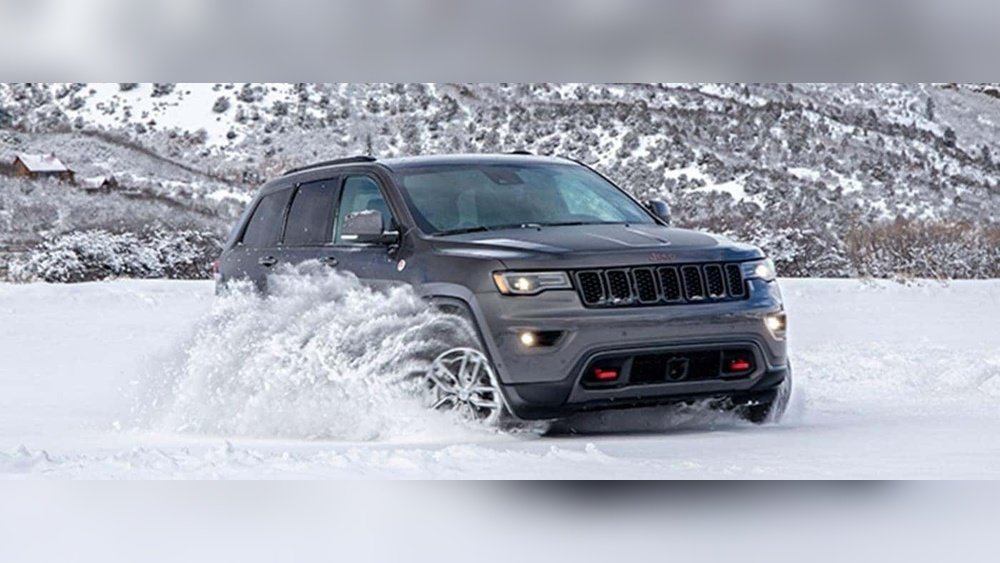
Understanding What Makes Wheels Great For Snow
When the snow starts to fall, the characteristics of your Jeep's wheels become critically important. It’s not just about the tire; the wheel itself plays a significant role in how well that tire performs.
Different wheel designs and materials offer distinct advantages when facing slick, low-traction surfaces.
Tire Clearance And Beadlock Design
One of the most crucial aspects of snow driving is maintaining traction. This often means running lower tire pressures to increase the tire’s contact patch with the ground. Traditional wheels can struggle with very low pressures, as the tire bead might unseat from the rim. This is where beadlock wheels come into play.
Beadlock wheels feature a mechanical locking system that clamps the tire’s bead to the wheel rim. This allows drivers to run significantly lower tire pressures (sometimes as low as 5-10 PSI) without the risk of the tire coming off the wheel.
For deep snow or icy conditions, this increased contact patch is invaluable for flotation and grip. While beadlock wheels are more common in extreme off-roading, their ability to maintain tire security at low pressures makes them a superior choice for serious snow driving where maximum traction is paramount.
Wheel Material And Durability
Winter conditions can be harsh. Roads are often salted, leading to corrosion, and impacts with hidden ice patches or debris are a real possibility.
Therefore, the material of your Jeep's wheels is a key consideration.
- Aluminum Alloy Wheels: These are popular for their attractive finishes and lighter weight compared to steel. However, some cheaper aluminum alloys can be susceptible to corrosion from road salt and may crack under severe impact. Higher-quality alloys are more resilient, but it’s still wise to clean them regularly during winter to prevent salt damage.
- Steel Wheels: Often seen as the workhorse of the wheel world, steel wheels are incredibly durable and resistant to cracking under impact. They are also less expensive. Their main drawback is weight, which can slightly affect fuel economy and handling. Steel wheels are also more prone to rust if not properly coated or maintained, but their structural integrity in harsh conditions is a significant advantage for snow driving.
- Forged Aluminum Wheels: These are the premium option, offering the best of both worlds: lightweight, incredibly strong, and resistant to corrosion. The forging process aligns the metal’s grain structure, making them exceptionally durable. They are, however, the most expensive choice.
For snow driving, durability and resistance to the elements are key. While aluminum offers style, steel wheels or high-quality forged aluminum wheels often provide the best balance of toughness and performance when facing winter’s worst.
Wheel Size And Offset
The size of your wheels and their offset (how far they sit in or out from the hub) impact your Jeep’s stance and performance in snow.
- Wheel Diameter: Generally, smaller diameter wheels (e.g., 15 or 16 inches) are preferred for dedicated snow or off-road use. They allow for larger sidewalls on the tires, which can provide a smoother ride, better flotation in snow, and more flexibility for airing down. Larger diameter wheels (e.g., 18, 20 inches) often require lower-profile tires, which have less sidewall flex and can be more prone to damage from impacts.
- Wheel Width: A narrower wheel width, when paired with a suitable tire, can sometimes offer better performance in deep snow. A narrower tire can cut through the snow better and maintain higher ground pressure, preventing the vehicle from “floating” too much on top of soft powder. However, wider wheels are necessary for certain types of aggressive off-road tires that provide excellent snow traction.
- Offset: The wheel offset determines how the wheel sits relative to the vehicle’s hub. A negative offset (wheel sits further out) can provide a wider stance, improving stability. It also helps to keep mud and snow flung from the tires away from the vehicle’s body and suspension components. However, too much negative offset can cause rubbing on fenders or suspension parts, especially with larger tires. A zero offset or a slight positive offset might be more suitable for a daily driver in snowy climates, minimizing potential clearance issues.
Airing Down And Tire Pressure
The ability to safely air down your tires is paramount for maximizing traction in snow. Lower tire pressure increases the contact patch (the area of the tire touching the ground), distributing the vehicle’s weight over a larger surface. This helps the tires grip better on slippery surfaces and can improve flotation in deep snow, preventing the Jeep from sinking.
Traditional wheels can fail if tire pressure drops too low, causing the tire bead to break free from the rim. This is a dangerous situation, especially when driving in remote or hazardous conditions. Wheels designed for off-road use, particularly those with beadlock capabilities, allow you to run much lower pressures with confidence. This is a key reason why specific off-road wheels are often recommended for serious snow driving.
Top Jeep Wheels For Snow Driving
When selecting wheels for your Jeep to tackle winter conditions, several models stand out for their durability, performance, and suitability for snow tires. These wheels are often designed with off-road capabilities in mind, which translates directly into superior snow performance.
1. Method Racing Wheels (various Models)
Method Race Wheels are a dominant force in the off-road and performance wheel market, and many of their designs are exceptionally well-suited for snow driving. They are known for their robust construction and ability to withstand harsh conditions.
- Key Features: Method wheels are typically constructed from solid one-piece cast aluminum or forged aluminum, offering excellent strength and durability. Many models feature a simulated beadlock or true beadlock ring, which enhances tire security at low pressures, a critical advantage in snow. They also offer a range of offsets designed to improve stance and tire clearance.
- Why They Excel in Snow: The robust construction means they can handle impacts from hidden ice or debris. The availability of beadlock or simulated beadlock options allows for aggressive airing down, maximizing tire contact and traction on slick surfaces. Their finishes are often resistant to corrosion, though regular cleaning is always recommended in salty environments.
- Popular Models: The Method 305 NV, 312 Vex, and 701 Beadlock are popular choices. The NV and Vex offer a rugged aesthetic and strong construction, while the 701 Beadlock provides the ultimate security for extremely low tire pressures.
2. Fuel Off-road Wheels (various Models)
Fuel Off-Road is another leading manufacturer known for its wide array of stylish and durable wheels. Many of their designs are built to endure the rigors of off-road use, making them a strong contender for snow driving.
- Key Features: Fuel offers wheels in both cast aluminum and forged aluminum. Many models feature aggressive styling with robust lip designs. Some higher-end models include simulated beadlock rings for added strength and a more secure tire fit. They offer a variety of offsets and bolt patterns to fit a wide range of Jeep models.
- Why They Excel in Snow: Fuel wheels are engineered for strength, ensuring they can handle the stresses of winter driving. Their finishes are generally good, but like all aluminum wheels, maintenance is key in corrosive conditions. The availability of simulated beadlocks on some models is a significant plus for those looking to optimize tire pressure for snow.
- Popular Models: The Fuel D538 Maverick, D576 Impact, and D624 Krawller are frequently chosen by Jeep owners. The Maverick and Impact offer a balance of style and toughness, while the Krawller is designed with off-road performance and beadlock capability in mind.
3. Black Rhino Wheels (various Models)
Black Rhino specializes in rugged wheels designed for trucks and SUVs, making them a natural fit for Jeep applications. Their focus on durability and off-road performance translates well to winter conditions.
- Key Features: Black Rhino wheels are typically made from heavy-duty cast aluminum and are designed to be strong and resilient. They often feature multi-spoke designs with deep lips and sometimes incorporate simulated beadlock accents for a rugged appearance and enhanced structural integrity. They offer a range of offsets suitable for Jeeps.
- Why They Excel in Snow: The emphasis on heavy-duty construction means these wheels are built to withstand impacts and the general abuse that winter driving can inflict. Their designs often provide good clearance for larger snow tires, and simulated beadlocks can contribute to better tire security.
- Popular Models: The Black Rhino Abrams, Arsenal, and Warlord are popular choices. The Abrams and Arsenal offer robust, military-inspired aesthetics and strong construction, while the Warlord provides a distinctive look with excellent durability.
4. Raceline Wheels (various Models)
Raceline offers a range of wheels, including specialized beadlock options that are highly regarded in the off-road community. Their focus on performance and extreme conditions makes them a top choice for serious winter adventurers.
- Key Features: Raceline is particularly known for its true beadlock wheels, which are engineered for maximum tire security at extremely low pressures. They also offer high-quality cast and forged aluminum options. Their designs are often focused on performance and strength, with finishes designed to resist the elements.
- Why They Excel in Snow: True beadlock wheels from Raceline are the ultimate solution for maximizing tire contact in deep snow or on ice. By securely locking the tire bead, they allow for unparalleled flexibility in tire pressure, crucial for maintaining traction. Even their non-beadlock options are built to rigorous standards.
- Popular Models: The Raceline RT288 (Simulated Beadlock) and the Raceline RT947 (True Beadlock) are excellent options for Jeeps. The RT288 offers a robust design suitable for most winter conditions, while the RT947 provides the highest level of security for extreme snow exploration.
5. Steel Wheels (various Brands)
While often overlooked for their aesthetic appeal, steel wheels remain a top choice for many off-roaders and winter drivers due to their sheer toughness and cost-effectiveness.
- Key Features: Made from stamped steel, these wheels are incredibly strong and resistant to cracking upon impact. They are typically heavier than aluminum wheels but are significantly more forgiving when hitting rocks, ice, or other obstacles. They are often available in basic black or gray finishes.
- Why They Excel in Snow: Their primary advantage is durability. Steel wheels are less likely to bend or crack when encountering unseen hazards under snow or ice. They are also generally less expensive, making them a practical choice for a dedicated winter set. While they don’t offer the same corrosion resistance as high-quality aluminum, their structural integrity is hard to beat.
- Popular Models: Brands like Pro Comp, Dick Cepek, and Cragar offer reliable steel wheels in common Jeep sizes (e.g., 15×8, 16×8). A common and highly regarded option is the Pro Comp 7032 or similar basic steel designs. They are functional, tough, and get the job done without fuss.
Choosing The Right Tire For Your Snow Wheels
While wheels are crucial, they are only one part of the equation. The tires mounted on your wheels are arguably the most important factor for snow driving performance. The best wheels are useless without appropriate tires.
All-terrain (at) Tires
All-terrain tires are a popular choice for Jeep owners because they offer a good balance between on-road comfort and off-road capability. In snow, many AT tires perform admirably, especially those with aggressive tread patterns and siping.
- Pros: Versatile, handle moderate snow well, often have good tread life, suitable for daily driving.
- Cons: May not provide the same level of grip in deep snow or on sheer ice as dedicated winter tires.
- Key Features to Look For: Look for AT tires with the Three-Peak Mountain Snowflake (3PMSF) symbol. This indicates the tire has met specific performance requirements in snow testing. Tires with deep, blocky treads and ample siping (small slits in the tread blocks) will offer better biting edges for snow and ice.
- Example: BFGoodrich All-Terrain T/A KO2, Falken Wildpeak A/T3W.
Mud-terrain (mt) Tires
Mud-terrain tires feature aggressive, widely spaced tread blocks designed for maximum traction in mud, rocks, and deep snow.
- Pros: Excellent traction in deep snow and slush, aggressive off-road capability.
- Cons: Can be noisier on the highway, offer a rougher ride, may wear faster on pavement, and can sometimes be *less* effective on sheer ice compared to dedicated winter tires due to larger voids.
- Key Features to Look For: Deep tread voids help clear snow and mud. Aggressive sidewall lugs can provide extra traction when airing down. Again, look for the 3PMSF symbol if available, though many dedicated MT tires prioritize extreme off-road over specific winter certification.
- Example: Goodyear Wrangler MT/R with Kevlar, Nitto Trail Grappler M/T.
Dedicated Winter Tires
For the absolute best performance in snow and ice, dedicated winter tires are the top choice. These tires are specifically engineered with rubber compounds that remain flexible in cold temperatures and tread patterns designed for maximum grip on frozen surfaces.
- Pros: Superior traction, braking, and handling on snow and ice. The 3PMSF symbol is standard.
- Cons: Not ideal for dry pavement (can wear faster, reduce fuel economy), may not be as durable for aggressive off-roading as AT or MT tires. Many drivers opt for a set of winter tires mounted on a separate set of



















