Equipping Your Jeep Cherokee For Snow Duty: A Comprehensive Guide To Snow Plows
Winter weather can transform familiar roads into challenging obstacles. For Jeep Cherokee owners who rely on their capable vehicles for daily commutes, weekend adventures, or even plowing their own driveways, being prepared for snow is crucial.
One of the most effective ways to tackle heavy snowfall is by equipping your Jeep Cherokee with a snow plow. This guide will walk you through everything you need to know, from understanding the types of plows available to the installation process and essential maintenance tips.
Choosing the right snow plow for your Jeep Cherokee involves considering several factors. It’s not just about finding the biggest or the cheapest option; it’s about finding a plow that balances performance, compatibility, and your specific needs. A Jeep Cherokee, while robust, has certain weight and power limitations that must be respected to ensure safe and effective operation.
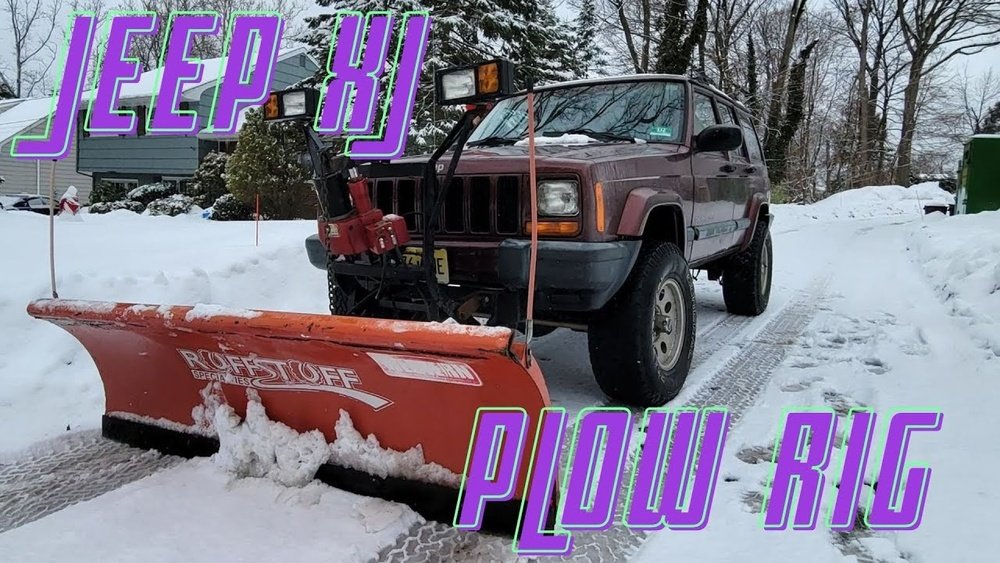
Understanding Snow Plow Types For Your Jeep Cherokee
When you start looking for a snow plow, you'll quickly realize there isn't a one-size-fits-all solution. Plows come in various designs, materials, and mounting systems, each with its own advantages.
For a vehicle like the Jeep Cherokee, which is often used for both on-road and off-road purposes, selecting a plow that can be easily attached and detached is a significant consideration.
Straight Blade Plows
The most common type of snow plow is the straight blade. This is your classic plow shape, a single, flat blade that pushes snow directly in front of the vehicle. They are generally the most affordable and simplest to operate. Straight blades are excellent for clearing driveways and smaller areas.
- Pros: Cost-effective, easy to maneuver, good for tight spaces.
- Cons: Limited snow-moving capacity compared to other types, cannot angle to direct snow effectively.
V-plows
V-plows offer more versatility. They consist of two blades that can be angled independently or together to form a "V" shape.
This design allows you to break through heavy drifts by using the V to cut into the snow, then angle the blades to push the snow to the sides.
- Pros: Excellent for heavy, deep snow and breaking through drifts, can direct snow to either side.
- Cons: More expensive, heavier, and can be more complex to operate.
Wing Plows (expandable Plows)
Wing plows have a main blade with an adjustable "wing" that extends outward. This significantly increases the plowing width, allowing you to clear more snow with each pass.
They are ideal for very wide driveways or for commercial use.
- Pros: Widest plowing path, very efficient for large areas.
- Cons: Most expensive, heaviest, and may be too large for a standard Jeep Cherokee’s capabilities.
For most Jeep Cherokee owners looking to clear their personal property, a straight blade or a smaller V-plow is usually the most practical choice. They offer a good balance of effectiveness and manageable weight.
Key Components Of A Snow Plow System
A snow plow isn't just the blade itself. A complete system involves several crucial components that work together to lift, angle, and push snow.
Understanding these parts will help you make an informed decision and ensure proper installation.
- The Blade: As discussed, this is the part that makes contact with the snow. Blades are typically made from steel (durable but heavier) or poly (lighter, doesn’t rust, snow slides off easier). The width and height of the blade are important considerations based on the typical snowfall in your area and the size of the areas you need to clear.
- The Mounting System: This is how the plow attaches to your Jeep. There are two main types:
- Front Mount: This is the most common. A heavy-duty bracket is bolted to the Jeep’s frame, and the plow attaches to this bracket. This provides a very secure connection.
- Push Tube System: The plow attaches to a push tube that is then mounted to the vehicle, often using a receiver hitch or a specialized undercarriage mount.
- The Lift Mechanism: This system raises and lowers the plow.
- Electric Lift: Uses an electric motor powered by the Jeep’s battery. Easy to operate with a button inside the cab.
- Hydraulic Lift: Uses hydraulic fluid and pumps to lift and angle the plow. Offers more power and precise control but is more complex and expensive.
- Manual Lift: Less common for Jeep Cherokees, these require physical effort to adjust.
- The Angling Mechanism: This allows you to angle the plow left or right to direct snow to the sides. This is typically controlled electrically or hydraulically.
- Lights: Many plows come with their own set of lights to ensure visibility while plowing, especially at night or in low-light conditions. These are crucial for safety.
Choosing The Right Plow For Your Jeep Cherokee Model Year
The Jeep Cherokee has been produced for many years, and different model years have varying frame strengths, suspension systems, and electrical capacities. This is a critical factor when selecting a plow.
Older Jeep Cherokees (xj Generation: 1984-2001)
These are rugged, body-on-frame SUVs. They are generally well-suited for plowing, but their older suspension and braking systems need to be considered. Lighter to medium-weight plows are recommended. A plow weighing around 400-600 pounds is often a good target. You’ll need to ensure your suspension can handle the added weight, and consider upgrading your front springs.
Newer Jeep Cherokees (kl Generation: 2014-2026)
These models are unibody construction, meaning the body and frame are a single unit. While capable, they are not as robustly built for heavy-duty plowing as the older XJ models. For these, you’ll want to look for lighter-weight plows, often in the 300-500 pound range. Poly blades are a good option here to reduce weight. Always check the manufacturer’s specifications for the plow and your specific Cherokee model to ensure compatibility and avoid overloading the vehicle’s front end.
Important Considerations For All Models:
- Vehicle Weight: The plow and its mounting system add significant weight to the front of your Jeep. Ensure your Cherokee’s Gross Vehicle Weight Rating (GVWR) is not exceeded.
- Engine Power: While the Jeep Cherokee generally has adequate power, a larger plow can strain the engine, especially when pushing heavy, wet snow.
- Suspension: The stock suspension may sag under the weight of a plow. Upgraded front springs or a suspension lift might be necessary for optimal performance and to maintain proper vehicle alignment.
- Electrical System: Electric lift and angle systems draw power from your Jeep’s battery and alternator. Ensure your electrical system can handle the load, especially if you have other electrical accessories.
Installation: Diy Vs. Professional
Installing a snow plow is a significant undertaking. It involves drilling into the vehicle’s frame, running electrical connections, and ensuring everything is securely mounted. You have two main options:
Diy Installation
If you are mechanically inclined, have the necessary tools (wrenches, sockets, drill, torque wrench), and understand vehicle mechanics, you might consider a DIY installation.
- Pros: Saves money on labor costs.
- Cons: Time-consuming, requires a good understanding of the installation manual, potential for errors if not done correctly, can void certain vehicle warranties if done improperly.
Pro Tip: If you opt for DIY, read the installation manual thoroughly before you begin. Many manufacturers provide detailed video guides as well. Double-check all torque specifications for bolts and ensure all electrical connections are secure and properly insulated.
Professional Installation
Most people opt for professional installation by a reputable snow plow dealer or a qualified mechanic.
- Pros: Done correctly by experienced technicians, often comes with a labor warranty, ensures safety and proper function, saves you time and potential headaches.
- Cons: Higher upfront cost due to labor charges.
When choosing a professional installer, look for shops that specialize in snow plow installation and have good reviews. They will be familiar with the specific requirements for mounting a plow on a Jeep Cherokee.
Operating Your Plow Safely And Effectively
Once your plow is installed, learning to use it safely and effectively is paramount.
Pre-plow Checks
Before you even start the engine, perform a quick visual inspection:
- Blade Condition: Check for any damage, loose bolts, or worn cutting edges.
- Mounting System: Ensure all connections are tight and secure.
- Lift and Angle: Test the hydraulic or electric system to ensure smooth operation of the lift and angle functions.
- Lights: Verify that the plow lights are working correctly.
- Vehicle Fluids: Check engine oil, coolant, and windshield washer fluid levels. Cold weather can be tough on your vehicle, so ensure it’s topped up.
Plowing Techniques
- Start Early and Often: It’s much easier to move a few inches of light snow than a foot or more of heavy, packed snow.
- Plow with the Flow: When clearing a driveway, start at the top and push the snow towards the bottom or sides, where it can be easily managed. Avoid piling snow where it will block access or create drainage issues later.
- Angle Wisely: Use the angle function to direct snow away from driveways, sidewalks, and sensitive areas like landscaping.
- Watch for Obstacles: Be aware of hidden obstacles like curbs, speed bumps, rocks, or toys that could be buried under the snow. Hitting these can damage both your plow and your vehicle.
- Pace Yourself: Don’t rush. Take breaks, especially in very cold weather, to avoid fatigue and stay focused.
- Monitor Your Vehicle: Pay attention to how your Jeep is handling the load. If you notice excessive strain, unusual noises, or overheating, stop plowing and investigate.
Post-plow Care
Proper maintenance after each use will significantly extend the life of your plow and your Jeep.
- Clean the Blade: Rinse off salt, sand, and debris. This prevents rust and corrosion, especially on steel blades.
- Lubricate Moving Parts: Apply a lubricant to pivot points, hinges, and any other moving components as recommended by the manufacturer.
- Inspect for Damage: After each use, do a quick visual check for any new damage.
- Raise the Plow: When not in use, keep the plow in the fully raised position to reduce stress on the front suspension. Some manufacturers recommend lowering the blade to rest on the ground when parked for extended periods, but check your manual.
Snow Plow Maintenance And Longevity
A snow plow is an investment. Proper maintenance is key to ensuring it lasts for many winters.
Regular Inspections
Beyond the post-plow checks, set aside time for more thorough inspections at the beginning and end of each snow season.
- Check all Bolts and Fasteners: Ensure everything is tight. Vibration from plowing can loosen them over time.
- Inspect Hydraulic Hoses and Lines: Look for any signs of leaks, cracks, or wear. Leaking hydraulic fluid can be messy and dangerous.
- Examine Electrical Connections: Make sure they are clean, free of corrosion, and securely connected.
- Inspect the Cutting Edge: The cutting edge is designed to be worn down. When it’s worn down by about half its original thickness, it’s time to replace it. A worn cutting edge can damage the plow blade itself.
- Check the Vehicle’s Electrical System: Ensure your alternator is charging properly and your battery is in good condition. A weak electrical system can lead to problems with electric lift and angle systems.
Lubrication Schedule
Follow the manufacturer’s recommendations for lubrication. Typically, this involves:
- Greasing pivot points: Where the plow attaches to the mount, and where the angling mechanism moves.
- Lubricating hydraulic cylinders: To prevent rust and ensure smooth operation.
- Applying a protectant to the blade: Especially if it’s steel, a protectant can help prevent rust.
Storage
When the snow season ends, proper storage is vital.
- Clean Thoroughly: Wash off all salt, sand, and grime.
- Lubricate: Apply lubricant to all moving parts and pivot points.
- Protect the Blade: Apply a rust inhibitor or a light coat of oil to steel blades.
- Store Properly: Ideally, store the plow indoors in a dry place. If stored outdoors, cover it with a waterproof tarp. Ensure the plow is supported so that its weight isn’t resting solely on the cutting edge or the lift cylinder.
Common Snow Plow Issues And Troubleshooting
Even with good maintenance, you might encounter issues. Here are a few common problems and how to address them.
Plow Won’t Lift Or Angle
- Check Electrical Connections: Ensure the wiring harness is securely connected to your Jeep’s battery and any control modules.
- Inspect Fuses and Relays: A blown fuse or faulty relay can prevent the system from working.
- Check Hydraulic Fluid Levels: If you have a hydraulic system, low fluid levels can cause this issue. Check for leaks.
- Listen for Motor Operation: If you hear the electric motor trying to work but nothing is happening, there might be a mechanical issue with the lift mechanism.
Plow Drags Or Doesn’t Clear Evenly
- Check Cutting Edge: Is it worn unevenly? Is it loose?
- Inspect Vehicle Suspension: Has the front end sagged excessively due to weight? This can cause uneven contact with the ground.
- Verify Mounting System: Ensure the plow is mounted squarely and securely to the vehicle.
Plow Leaks Hydraulic Fluid
- Identify the Source: Carefully inspect all hoses, seals, and cylinder rod ends for dripping fluid.
- Tighten Fittings: Sometimes, a loose fitting is the culprit.
- Replace Damaged Components: Hoses, seals, or cylinders that are cracked or worn will need to be replaced by a professional.
Warning: Working with hydraulic systems can be dangerous due to high pressure. If you are not comfortable with hydraulic repairs, it’s best to consult a professional.
Snow Plow Accessories For Your Jeep Cherokee
To enhance your plowing experience, consider these accessories:
- Rubber Deflector: Attached to the top of the blade, this helps prevent snow from being thrown onto your windshield.
- Skid Shoes: These attach to the bottom corners of the blade and help the plow ride over uneven surfaces, protecting the blade and the underlying terrain. They are especially useful on gravel driveways.
- Curb Guards: Similar to skid shoes, these protect the blade from damage when plowing near curbs.



















