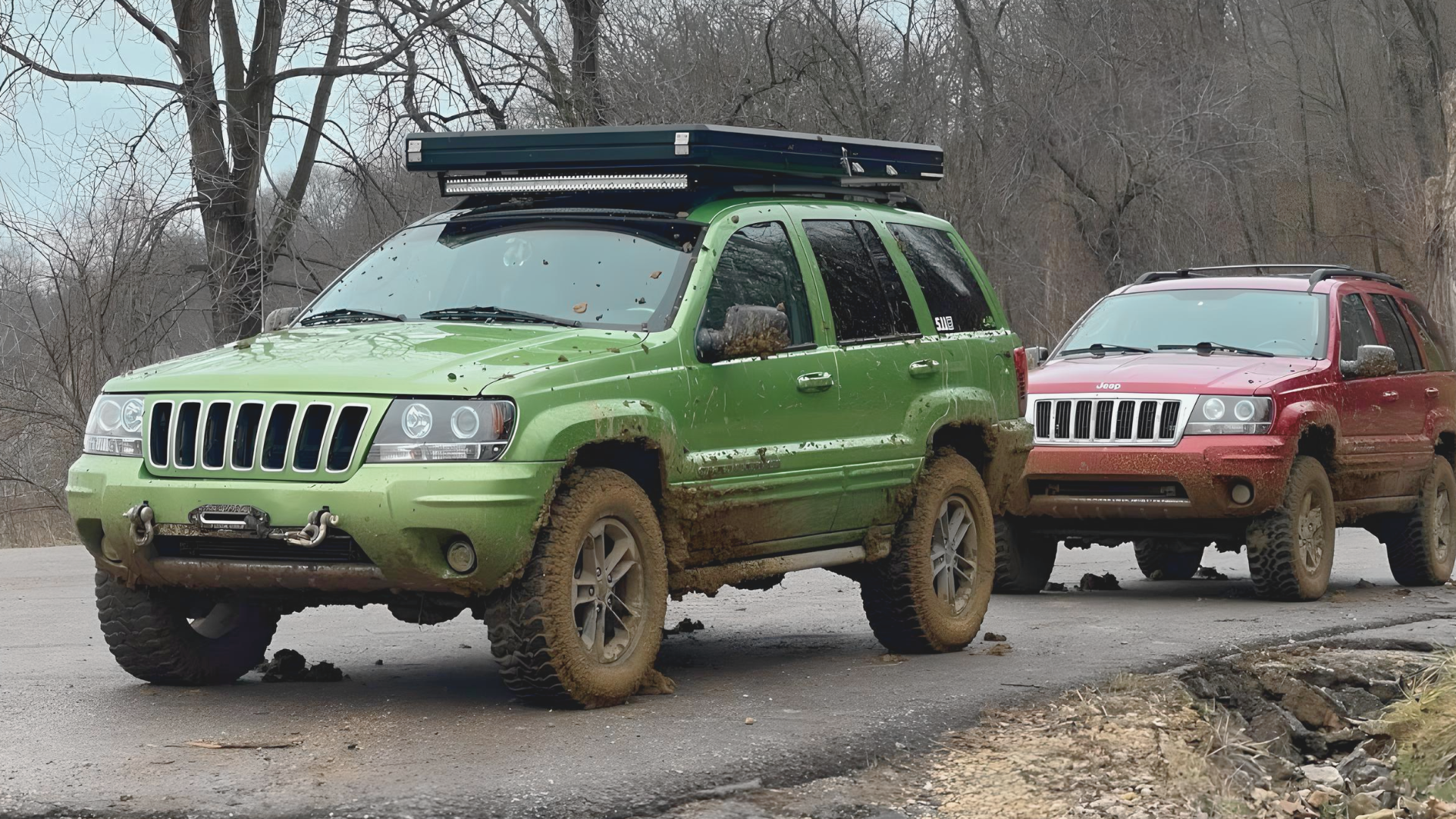
The Jeep Grand Cherokee is a well-known SUV loved for its style, comfort, and off-road ability. Many drivers choose it for daily use and adventure.
However, like all vehicles, the Grand Cherokee is not perfect. Over the years, owners have reported various problems.
Some issues are small and easy to fix, while others can be expensive or even dangerous. If you own or plan to buy a Grand Cherokee, it’s smart to know these common problems and how to handle them.

Common Engine Problems
The engine is the heart of any vehicle. Unfortunately, the Grand Cherokee has faced several engine-related issues across its generations.
Oil Leaks And Burning
Many drivers notice oil leaks or burning oil, especially in older models. This often happens because of worn valve cover gaskets or a faulty oil filter housing. You might see oil stains under the car or smell burning oil after driving. Ignoring this can lead to engine damage.
Engine Stalling
Some Grand Cherokees, especially from the early 2010s, have a problem with unexpected engine stalling. This can happen while idling or even driving at speed, which is dangerous. The main causes are faulty crankshaft position sensors, camshaft sensors, or problems with the fuel pump relay. A recall was issued for some of these issues, but not all vehicles were fixed.
Timing Chain And Valve Issues
On some V6 and V8 engines, the timing chain can become loose or break. This usually causes a rattling noise before failure. If the timing chain breaks, the engine may suffer major internal damage. Early signs include rough idling, check engine light, or loss of power.
Transmission Troubles
The Grand Cherokee’s transmission gives a smooth ride when working well, but it’s also a source of frequent complaints.
Shifting Problems
Owners often report hard shifting, jerking, or hesitation when changing gears. This is common in models with the 8-speed automatic transmission (introduced around 2014). Causes can include low transmission fluid, a faulty transmission control module, or worn clutches.
Transmission Failure
In some cases, the transmission may fail completely. This is most often seen in 2011–2015 models.
Symptoms include slipping out of gear, grinding noises, or the car refusing to move. Repairing or replacing the transmission is expensive, sometimes costing over $3,000.
Transfer Case Issues
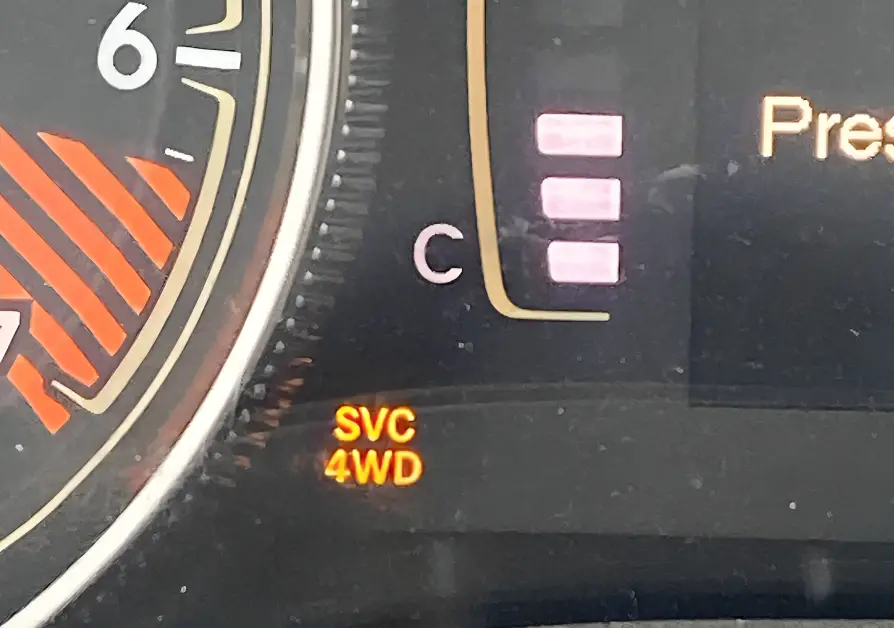
On four-wheel-drive models, the transfer case can develop leaks or electrical problems. This may cause a warning light, strange noises, or the inability to switch between 4WD modes.
Electrical And Computer Faults
The Grand Cherokee uses advanced electronics for comfort and safety, but these features can also cause headaches.
Tipm Failures
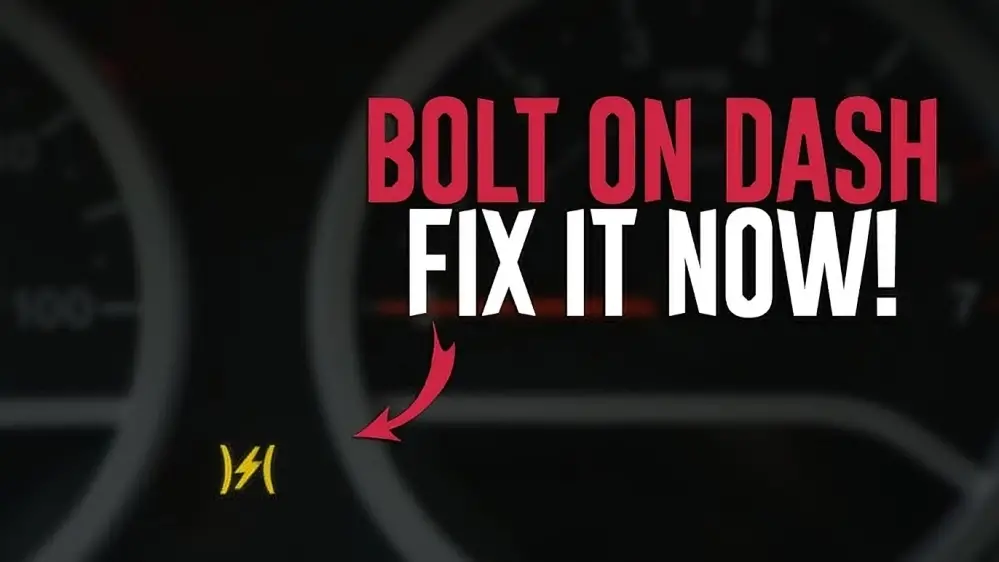
The Totally Integrated Power Module (TIPM) controls many electrical systems, from fuel pumps to lights. TIPM failures are a well-known problem, especially in 2011–2013 models. Symptoms include random stalling, non-working windows, or the car not starting. Replacing the TIPM can cost $1,000 or more.
Dashboard And Infotainment Glitches
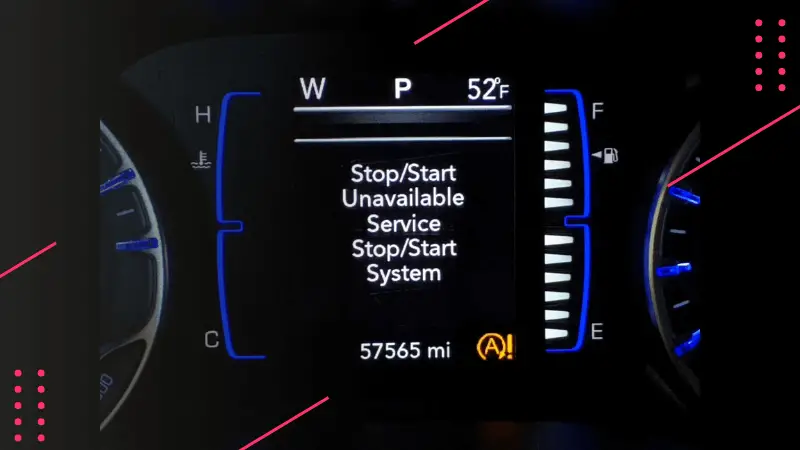
Many owners complain about touchscreen freezing, backup camera failure, or random warning lights. These issues are linked to the Uconnect system, which controls entertainment and navigation. Software updates sometimes help, but hardware replacement may be needed.
Battery Drain
Some Grand Cherokees suffer from parasitic battery drain. The battery dies overnight, even with everything turned off. The cause is often a faulty relay or module that doesn’t shut down as it should.
Suspension And Steering Issues
A smooth and safe ride depends on the suspension and steering systems. Here, the Grand Cherokee has mixed reviews.
Suspension Noises
Older models (especially before 2010) often develop clunking or squeaking noises from the front suspension. This usually comes from worn-out control arm bushings or ball joints.
Air Suspension Problems
Some higher-end Grand Cherokees have an air suspension system (Quadra-Lift). This system can leak or fail, causing the car to sit unevenly or too low. Replacing the air suspension can be expensive. Signs of trouble include a “service air suspension” warning or slow rising/lowering.
Steering Rack Leaks
Hydraulic steering racks in older models sometimes leak fluid, making the steering stiff or noisy. Replacing the rack is the usual fix.
Brake System Concerns
Reliable brakes are a must for safety. The Grand Cherokee has had some well-documented brake problems.
Warped Rotors
Frequent complaints involve warped front brake rotors, especially in 2011–2015 models. This leads to vibration or pulsing when braking. Hard or repeated braking makes the problem worse. Replacing rotors and pads is the solution.
Brake Booster Failure
Some 2011–2014 Grand Cherokees were recalled for brake booster issues. If the booster fails, the brake pedal becomes hard, and stopping takes longer. Jeep offered free repairs for affected vehicles, but not all owners received notice.
Abs And Traction Control Faults
Problems with ABS (anti-lock braking system) sensors can cause warning lights or loss of traction control. The fix is usually sensor replacement.
Interior And Comfort Problems
The Grand Cherokee is known for a comfortable interior, but not all is perfect.
Water Leaks
Some owners report water leaks into the cabin, especially around the sunroof or windshield. This leads to wet carpets, mold, or electrical shorts. Fixing the seals usually solves the problem.
Leather Cracking And Trim Issues
In hot climates, the leather seats and dashboard can crack or fade quickly. Keeping the interior clean and using sunshades helps, but some wear is expected over time.
Hvac System Faults
Heating, ventilation, and air conditioning (HVAC) problems are common. The blend door actuators may break, causing hot air on one side and cold on the other. Replacing the actuators is required.
Recalls And Safety Concerns
Jeep has recalled many Grand Cherokees for various issues. Being aware of these is important for your safety.
Major Recalls
- Ignition switch failures (2011–2013): Risk of engine shutting off while driving.
- Brake booster water intrusion (2011–2014): Can reduce braking power.
- Fuel pump relay (2011–2013): May cause engine stalling.
- Shift lever confusion (2014–2015): Rollaway risk if not shifted to “Park” correctly.
Always check if your vehicle is affected by recalls. You can do this using your Vehicle Identification Number (VIN) on the official NHTSA website.
Airbag Issues
Some Grand Cherokees were involved in the Takata airbag recall. Faulty airbags can explode, causing injuries.
Model Year Comparison
Different years of the Grand Cherokee have different strengths and weaknesses. Here’s a comparison of some key problem areas by model year.
| Model Year | Engine Problems | Transmission Problems | Electrical Issues |
|---|---|---|---|
| 2011 | High | High | High |
| 2014 | Medium | High | Medium |
| 2017 | Low | Medium | Low |
| 2020 | Low | Low | Low |
As you can see, newer models have fewer problems, but even recent vehicles can have some issues.
Maintenance Costs And Reliability
Owning a Grand Cherokee means planning for possible repair costs. Here’s a breakdown of typical maintenance expenses compared to competitors.
| Vehicle | Average Yearly Maintenance | Major Repair Risk (10 years) |
|---|---|---|
| Jeep Grand Cherokee | $660 | 32% |
| Toyota 4Runner | $530 | 20% |
| Ford Explorer | $730 | 33% |
The Grand Cherokee is more expensive to maintain than some rivals. The chance of a major repair is higher than average, especially after 5 years.
Two Insights Most Owners Miss
First, many owners focus only on the engine and transmission, but electrical issues (like TIPM failures) can be just as costly and frustrating. It’s smart to have these systems checked by a professional, not just the mechanical parts.
Second, while recalls can fix safety problems for free, recall repairs are not always automatic. Owners must check for open recalls themselves, especially when buying a used Grand Cherokee. Many problems continue simply because previous owners ignored recall notices.
Tips For Buyers And Owners
If you’re thinking about buying a used Grand Cherokee, or you already own one, these steps can help avoid trouble:
- Check for Recalls: Use your VIN on the NHTSA website to see if any repairs are needed.
- Get a Pre-Purchase Inspection: Always have a trusted mechanic check the car, focusing on known problem areas.
- Review Service History: Look for records showing regular oil changes, transmission service, and past repairs.
- Test Every Feature: Make sure all electronics, 4WD modes, and the air suspension work as they should.
- Budget for Repairs: Plan for above-average repair costs, especially if the car is out of warranty.