The Power Wheels Jeep Won’t Go Forward: A Comprehensive Troubleshooting Guide
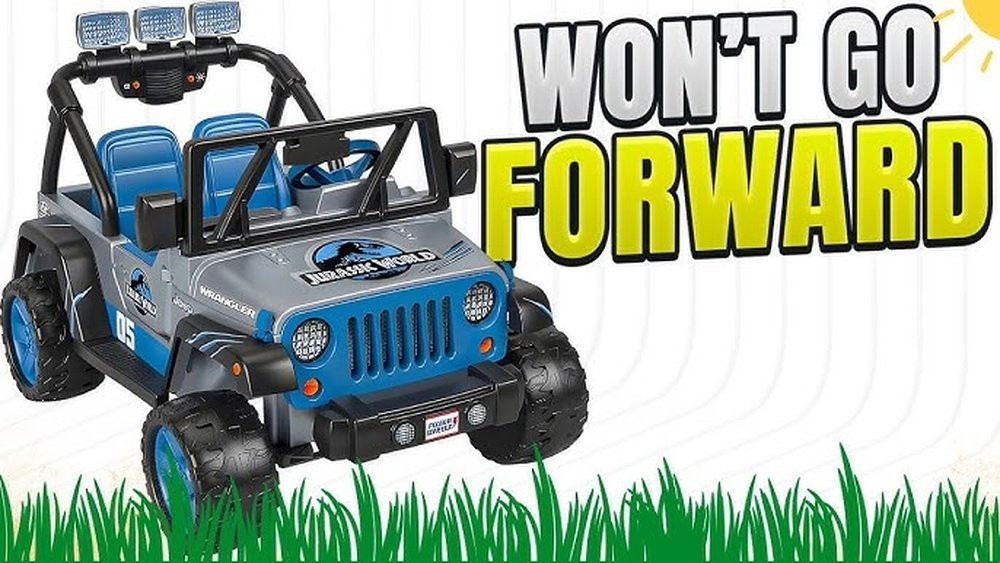
It’s a familiar scene: a child’s face lights up with excitement, ready to take their Power Wheels Jeep for a spin. But then, disappointment. The Jeep doesn’t move forward. This can be frustrating for both the child and the parent. While Power Wheels are designed for fun and ease of use, like any electronic toy, they can sometimes encounter issues. A Power Wheels Jeep that won’t go forward is a common problem, but thankfully, it’s often fixable with a bit of troubleshooting. This guide will walk you through the most likely reasons why your Power Wheels Jeep might not be moving and how to get it back on track for endless adventure.
We’ll cover everything from simple battery checks to more complex electrical issues. By understanding the common culprits, you can save time and money on repairs and get your little driver back in the driver's seat.
Let's start by looking at the most basic checks.
Checking The Battery: The Most Common Culprit
The power source is the first and most obvious place to start when your Power Wheels Jeep refuses to move. A dead or weak battery is the number one reason for a toy not working.
Battery Charge Level
Power Wheels typically use rechargeable 6-volt or 12-volt batteries. If the battery hasn’t been charged recently, or if it wasn’t charged for long enough, it simply won’t have enough juice to power the motors.
- How to Check: Ensure the battery has been plugged into its charger for the recommended amount of time. Most Power Wheels chargers have an indicator light that shows when charging is complete. Consult your Power Wheels manual for specific charging times, as they can vary. For a 6-volt battery, this is typically 18-24 hours for the initial charge, and then shorter for subsequent charges. 12-volt batteries might take longer.
- Pro Tip: Always use the official charger that came with your Power Wheels. Using an incompatible charger can damage the battery or not charge it effectively.
- What to Look For: If the charger light indicates it’s fully charged, but the Jeep still doesn’t move, the battery might be old or faulty. Batteries have a lifespan, and after a certain number of charge cycles, they can lose their ability to hold a charge.
Battery Age And Condition
Batteries degrade over time. If your Power Wheels Jeep is several years old, or if the battery has been deeply discharged many times, it might be time for a replacement.
- Signs of a Bad Battery: A battery that feels unusually light, has visible cracks or leaks, or doesn’t hold a charge for more than a few minutes is likely dead. You might also notice the Jeep moving very slowly or intermittently before it stops moving altogether.
- Testing Voltage: If you have a multimeter, you can test the battery’s voltage. A fully charged 6-volt battery should read around 6.5-7 volts, and a 12-volt battery around 12.5-13 volts. If the voltage is significantly lower, the battery is likely the problem.
Battery Connections
Loose or corroded battery connections can also prevent power from reaching the motors.
- How to Check: Locate the battery compartment. Ensure the wires are securely connected to the battery terminals. Clean off any visible corrosion (a white, powdery substance) with a wire brush or a pencil eraser. Make sure the terminals themselves are clean and free of debris.
- What to Look For: Wires that are frayed or disconnected are a clear sign of trouble. The connectors should be snug.
Inspecting The Motors
The motors are what make the wheels turn. If the battery is fine, the next place to look is the electric motors.
Motor Functionality
Each wheel (or sometimes a pair of wheels) is driven by a small electric motor. These motors can fail over time due to wear and tear, overheating, or getting damaged.
- How to Test: With the Jeep upside down or on blocks so the wheels are off the ground, try pressing the pedal. If you hear a humming noise from one of the motors but the wheel doesn’t spin, the motor might be stripped or jammed. If you hear nothing from a specific motor, it could be completely dead or disconnected.
- Common Issues: Motors can get clogged with dirt, grass, or debris, which can prevent them from turning freely. Sometimes, a motor might overheat and temporarily shut down. If it cools down, it might work again for a short period.
Motor Connections
Similar to the battery, the wires connecting to the motors can become loose or damaged.
- How to Check: Trace the wires from the battery and the pedal switch to each motor. Ensure all connections are secure. Look for any signs of melted plastic around the motor connections, which could indicate an overload or short circuit.
- What to Look For: Wires that have come unplugged from the motor terminals need to be reattached securely. If a wire is broken or frayed, it will need to be repaired or replaced.

Examining The Gearboxes
Most Power Wheels use plastic gearboxes attached to the motors. These gearboxes reduce the motor’s speed and increase its torque to turn the wheels.
Stripped Gears
The gears inside the gearbox are typically made of plastic. When the Jeep encounters resistance (like trying to climb a hill, getting stuck in grass, or being overloaded), these gears can strip.
This means the teeth on the gears break off, and they can no longer mesh to transfer power.
- Symptoms: You might hear the motor running but the wheel not turning, or turning very slowly and with a grinding noise. Sometimes, you might hear a clicking sound.
- How to Check: This often requires disassembling the gearbox. You’ll need to remove the motor and then carefully open the gearbox housing. Inspect the gears for any broken or missing teeth. If the gears are stripped, the gearbox will need to be replaced. Gearboxes are often sold as a unit with the motor, or separately.
Jammed Gears
Foreign objects can sometimes get lodged in the gearbox, preventing the gears from turning.
- How to Check: Similar to checking for stripped gears, you’ll need to open the gearbox. Carefully inspect the gears and the surrounding area for any debris. Remove any obstructions found.
Troubleshooting The Pedal Switch
The foot pedal switch is the trigger that tells the Jeep to go. If this switch is faulty, it won’t send the signal to the motors.
Pedal Mechanism
The pedal assembly has a microswitch that is activated when the pedal is pressed. This switch can become worn out, dirty, or misaligned.
- How to Test: With the Jeep upside down, press the pedal. You should hear a click or feel a positive engagement. If the pedal feels loose, sticky, or doesn’t seem to be actuating anything, the switch might be the issue.
- What to Look For: Check for any physical damage to the pedal or the switch mechanism. Sometimes, dirt or debris can get into the switch and prevent it from making proper contact.
Switch Connections
The wires leading to and from the pedal switch are crucial.
- How to Check: Ensure the wires are securely connected to the terminals on the switch. If the wires are loose, they can cause an intermittent connection or no connection at all. You can also use a multimeter to test the switch for continuity when pressed.
Investigating The Wiring Harness And Connections
The wiring harness is the network of wires that connects all the components: the battery, the pedal switch, and the motors. Any break or poor connection in this system can stop the Jeep from working.
Loose Connections
Over time, vibrations and rough play can cause wire connectors to loosen.
- How to Check: Visually inspect every connection point in the wiring harness. This includes connections at the battery, the pedal switch, the circuit breaker (if applicable), and each motor. Gently tug on each wire to ensure it’s firmly seated.
- What to Look For: Any wires that are not fully plugged in or appear to be loose need to be reconnected.
Damaged Wires
Wires can be pinched, cut, or frayed, especially where they pass through plastic parts of the Jeep’s body or chassis.
- How to Check: Carefully examine the entire length of each wire. Look for any signs of damage, such as exposed copper, kinks, or melted insulation. Pay close attention to areas where wires might rub against moving parts or sharp edges.
- What to Look For: If you find a damaged wire, it needs to be repaired. This usually involves stripping a small section of the insulation, twisting the exposed copper ends together, and securing them with electrical tape or a wire connector. For more severe damage, the entire wire harness might need replacement.
Corrosion
Corrosion can build up on wire terminals and connectors, hindering electrical flow.
- How to Check: Inspect all metal connectors for any signs of corrosion (a greenish or bluish residue).
- What to Look For: Clean corroded terminals with a wire brush or fine-grit sandpaper. Ensure a clean metal-to-metal connection.
The Circuit Breaker (if Equipped)
Some Power Wheels models have a circuit breaker designed to protect the electrical system from overloads. If the Jeep suddenly stops working, especially after hitting an obstacle or running for a long time, the circuit breaker might have tripped.
Resetting The Circuit Breaker
- How to Check: Locate the circuit breaker. It’s usually a small, black box with a button on top, often found near the battery.
- What to Do: Press the button firmly. If it popped out, pressing it should reset it. If it trips again immediately, it indicates an ongoing electrical problem, such as a short circuit or a motor drawing too much current.
Faulty Circuit Breaker
While less common, the circuit breaker itself can fail.
- How to Test: If the breaker keeps tripping or doesn’t seem to be working, you can bypass it temporarily for testing purposes (ensure you understand the risks and do this cautiously). Connect the wires that would go to the breaker directly to each other. If the Jeep then works, the breaker is likely faulty and needs replacement. Warning: Bypassing a circuit breaker removes a critical safety feature. Do this only for diagnostic purposes and replace the breaker if it’s the issue.

Identifying Other Potential Issues
While the above cover the most frequent causes, a few other less common problems can prevent your Power Wheels Jeep from moving forward.
Drive Shaft Or Axle Problems
The drive shaft connects the gearbox to the wheels. If this is damaged or disconnected, the wheel won’t spin.
- How to Check: Inspect the drive shaft where it connects to the gearbox and the wheel hub. Ensure it’s properly seated and not bent or broken. Sometimes, a plastic clip or pin holding the drive shaft in place can break.
Overheating Protection
Many Power Wheels have thermal protection built into the motors or controllers. If the vehicle is used excessively, on very hot days, or is overloaded, the system might shut down temporarily to prevent damage.
- Solution: Let the Power Wheels cool down for 15-30 minutes. Ensure the vehicle isn’t being used beyond its weight capacity or in extremely demanding conditions (like thick grass or steep inclines for extended periods).
Troubleshooting Steps In Order
To make the process easier, follow these steps systematically:
- Check the Battery: Is it charged? Is it old? Are the connections clean and secure? Try a known good, fully charged battery if possible.
- Test the Pedal: Does it feel right? Does it seem to activate the switch? Check connections to the pedal switch.
- Listen to the Motors: With wheels off the ground, press the pedal. Do you hear any sound? If so, from which motor? Is a wheel trying to turn?
- Inspect Wiring: Look for any loose, broken, or corroded wires and connections throughout the system.
- Check Circuit Breaker: If your model has one, ensure it’s not tripped.
- Examine Gearboxes: If motors are running but wheels aren’t, this points to a gearbox issue. This requires disassembly.
Example Scenario: Motor Hums, Wheel Doesn’t Turn
Let’s say you press the pedal, and you hear a motor humming loudly, but the wheel connected to it doesn’t spin.
- Likely Cause: This strongly suggests a stripped gearbox. The motor is getting power and trying to spin, but the internal gears that transfer power to the wheel are broken.
- Solution: You’ll need to remove the motor and open the gearbox. Inspect the gears. If they are stripped, you’ll need to replace the gearbox, which often comes as a unit with the motor.
Example Scenario: No Sound, No Movement
If you press the pedal and absolutely nothing happens, no sound, no lights (if applicable), the problem could be:
- Dead Battery: The most common cause.
- Faulty Pedal Switch: Not sending the signal.
- Major Wiring Break: A completely severed wire in the harness.
- Tripped Circuit Breaker: If present and not resetting.
In my experience, starting with the battery and then moving to the pedal switch covers the vast majority of “no movement” issues.
Replacing Parts
If you identify a faulty part, you’ll likely need to replace it.
- Battery: Purchase a replacement battery of the correct voltage and amperage.
- Motors and Gearboxes: These are often sold as integrated units. You’ll need to identify the part number or specifications for your specific Power Wheels model. Websites like PowerWheels.com or third-party parts suppliers are good resources.
- Pedal Switch: These are typically inexpensive and readily available.
- Wiring Harness: If the entire harness is damaged, you might need to order a replacement specific to your model.
When replacing parts, always ensure the Power Wheels is unplugged from the charger and the battery is disconnected to prevent accidental shocks or damage.
Frequently Asked Questions

Why Does My Power Wheels Jeep Only Go In Reverse?
This often happens if the wiring to the forward and reverse switch has been reversed, or if the switch itself is faulty. Check the connections at the shifter and ensure wires are not crossed.
If the shifter mechanism is damaged, it might be stuck in reverse or not engaging the forward gear properly.
My Power Wheels Jeep Is Making A Grinding Noise And Won’t Move. What’s Wrong?
A grinding noise usually indicates a problem with the gearbox. The gears inside might be stripped, or there could be debris caught within them. You will likely need to open the gearbox and inspect the gears for damage or obstructions. If gears are stripped, the gearbox assembly will need to be replaced.



















