The Ultimate Guide To Power Wheels Jeep With Parental Remote
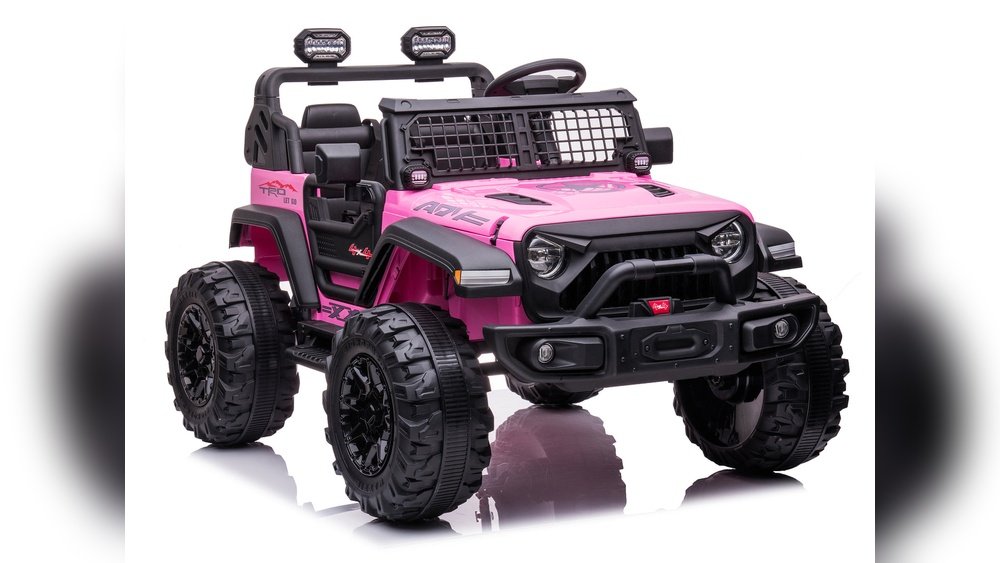
Imagine the joy on your child's face as they 'drive' their very own Jeep, exploring the backyard or the local park. For many parents, this dream is made possible by Power Wheels, and a particularly exciting option is the Power Wheels Jeep with a parental remote.
This feature adds a crucial layer of safety and control, allowing parents to supervise and intervene when needed. It’s more than just a toy; it’s a tool for fun, learning, and safe exploration for young children.
These ride-on vehicles mimic the look and feel of real Jeeps, offering an immersive play experience. However, the addition of a parental remote transforms it from a simple toy into a controlled adventure.
This guide will walk you through everything you need to know about Power Wheels Jeeps with parental remotes, from understanding how they work to choosing the best model for your child, ensuring hours of safe, engaging fun.
We’ll cover the benefits, essential features to look for, safety considerations, and tips for maximizing the playtime experience.
Understanding The Power Wheels Jeep With Parental Remote
A Power Wheels Jeep with a parental remote is essentially a battery-powered ride-on vehicle designed for young children. The key differentiator is the inclusion of a remote control unit, typically operated by an adult.
This remote allows the parent to steer, control the speed, and even stop the vehicle, providing an invaluable safety net, especially for younger or less experienced riders.
How The Parental Remote Works
The parental remote system typically uses radio frequency (RF) technology to communicate with a receiver built into the Power Wheels Jeep. The remote itself is usually a handheld device with simple controls like a joystick for steering and buttons for forward, reverse, and stop functions.
- Pairing: The remote needs to be paired with the specific Power Wheels vehicle. This is usually a straightforward process, often involving pressing a button on both the remote and the vehicle. Once paired, the remote has exclusive control over the vehicle’s movement.
- Steering: The parent can override the child’s steering input or take full control of the direction. This is crucial for preventing the Jeep from going into unsafe areas, like streets or near obstacles.
- Speed Control: Most remotes allow parents to control the vehicle’s speed. This means you can set a slower pace for beginners or when navigating tricky terrain, and a faster pace as the child gains confidence. Some models even allow parents to temporarily limit the top speed.
- Emergency Stop: A prominent stop button is a vital safety feature. If the child is heading towards danger, or if the parent simply wants to halt the fun momentarily, pressing this button immediately brings the vehicle to a safe stop.
- Child Override (Optional): Some advanced models might allow the child to ‘take over’ the driving from the remote, but the parental remote always retains the ability to regain control. This feature is less common and usually found on higher-end models.
Benefits Of The Parental Remote Feature
The parental remote adds significant value to the Power Wheels experience:
- Enhanced Safety: This is the most significant benefit. Parents can prevent accidents by steering away from hazards, controlling speed, and stopping the vehicle instantly. It’s particularly useful for children who are still developing their motor skills and judgment.
- Beginner Friendliness: For very young children (typically 18 months to 3 years old), the remote allows them to enjoy the ride-on experience without needing to fully master the steering and pedal controls themselves. They can focus on the fun of being in the driver’s seat.
- Peace of Mind: Knowing you have direct control over the vehicle provides immense peace of mind, allowing you to relax a bit more while your child enjoys their playtime.
- Extended Usability: As children grow and become more adept at driving, they can gradually take more control, with parents using the remote as a backup or for occasional guidance. This extends the usable life of the toy.
- Assisted Learning: Parents can use the remote to guide the child’s driving, teaching them basic concepts of steering and movement in a controlled environment.
Key Features To Look For In A Power Wheels Jeep With Parental Remote
When choosing a Power Wheels Jeep with a parental remote, several features can enhance the experience and ensure you get the best value.
1. Age And Weight Recommendations
Power Wheels vehicles are designed for specific age and weight ranges. Always check the manufacturer’s guidelines to ensure the Jeep is appropriate for your child’s size and developmental stage.
- Age: Most models with parental remotes are geared towards younger children, often starting at 18 months or 2 years.
- Weight Limit: Adhering to the weight limit is crucial for safety and performance. Exceeding it can strain the motor and battery.
2. Speed Settings And Control
The ability to control the speed is paramount. Look for models that offer:
- Multiple Speed Options: Ideally, the parental remote should allow for at least two speed settings (e.g., low and high).
- Variable Speed Control: Some advanced remotes might offer more nuanced speed adjustments.
- Maximum Speed: For younger children, a lower maximum speed (around 2-3 mph) is generally safer.
3. Battery Life And Charging Time
The fun stops when the battery runs out. Consider:
- Battery Voltage: Power Wheels come in various voltages (e.g., 6V, 12V, 18V). Higher voltage usually means more power and potentially higher speeds, but also longer charging times and potentially shorter run times per charge if not managed well. 12V is a common and good balance for this type of toy.
- Run Time: Manufacturers often quote a run time (e.g., 30-60 minutes) on a full charge. Real-world usage can vary based on terrain, weight, and speed.
- Charging Time: Charging can take anywhere from a few hours to overnight. Consider how quickly you need the Jeep ready for its next adventure.
4. Durability And Build Quality
Power Wheels are designed for outdoor play, so they need to be robust.
- Materials: Look for sturdy plastic construction.
- Wheels: While not true off-road tires, some models have more aggressive tread patterns that offer better traction on grass and uneven surfaces.
- Frame: A solid frame is essential for longevity.
5. Realism And Features
While safety and control are primary, the ‘Jeep’ aspect adds to the appeal.
- Design: Models often replicate popular Jeep designs like the Wrangler. Look for details like realistic grilles, roll bars, and opening doors.
- Sound Effects: Some models include built-in sound effects or pretend radios, enhancing the imaginative play.
- Storage: Small storage compartments can be fun for kids to carry their ‘essentials’.
6. Remote Control Range And Reliability
The effectiveness of the parental remote depends on its range and stability.
- Range: Ensure the remote has a sufficient range for you to comfortably supervise your child from a reasonable distance.
- Connectivity: Reliable connectivity means the remote won’t frequently lose its signal. Read reviews to check for common issues.
Popular Power Wheels Jeep Models With Parental Remotes
While specific models change year to year, certain types of Power Wheels Jeeps consistently feature parental remote controls. These are often geared towards the younger end of the Power Wheels spectrum.
1. Power Wheels Jeep Wrangler (various Colors)
This is perhaps the most iconic Power Wheels model. Many Jeep Wrangler versions come equipped with a parental remote, especially those designed for toddlers and preschoolers.
- Typical Features: Often 6V or 12V systems, multiple speed settings controlled by the remote, realistic Jeep styling with doors that open, and sometimes pretend headlights or sounds.
- Target Age: Usually recommended for ages 2-6, but the remote control is most beneficial for the younger end of this range.
- Parental Remote Functionality: Allows steering, speed control (low/high), and an emergency stop.
2. Power Wheels Arctic Cat Wildcat (with Remote)
While not strictly a ‘Jeep’, this ATV-style ride-on often includes a parental remote and shares many characteristics with the Jeep models.
- Typical Features: Robust design for slightly rougher terrain, 12V system, realistic dashboard details, and the essential parental remote.
- Target Age: Similar to the Jeep Wrangler, often suited for ages 3 and up, with the remote being a key safety feature for younger drivers.
- Parental Remote Functionality: Steering, speed adjustment, and stop functions.
3. Specialized Toddler Models
Some Power Wheels are specifically designed from the ground up for very young children, and these are prime candidates for featuring parental remotes.
- Typical Features: Lower ride height, simpler controls, often 6V systems for slower speeds, and a strong emphasis on the parental remote for primary control.
- Target Age: Often starts at 18 months or 2 years.
- Parental Remote Functionality: Usually offers full control over steering, speed, and stopping.
Note: It’s crucial to check the product description and specifications carefully, as not all Jeep models include a parental remote. The presence of the remote is usually highlighted as a key feature.
Safety First: Maximizing The Benefits Of The Parental Remote
The parental remote is a fantastic safety tool, but it’s not a substitute for attentive supervision. Here’s how to use it effectively and ensure your child’s playtime is safe.
1. Always Supervise Actively
Even with a remote, never leave your child unattended while they are in or near the Power Wheels Jeep. The remote gives you control, but your presence is essential for anticipating potential hazards and ensuring your child is comfortable and safe.
2. Understand Remote Limitations
- Range: Be aware of the remote’s effective range. Don’t let your child drive further away than you can effectively control them.
- Interference: In areas with many electronic devices, remote controls can sometimes experience interference. Be prepared to take manual control if the remote becomes unresponsive.
- Battery: Ensure the remote’s battery is fresh. A dead battery renders the safety feature useless.
3. Gradual Introduction To Driving
- Start with Remote Control: For the first few uses, let the child experience riding while you control the Jeep entirely with the remote. This builds their comfort and familiarity with the vehicle.
- Introduce Pedal Control: Once they are comfortable, let them try operating the foot pedal while you use the remote for steering and backup.
- Child-Led Driving: As they gain confidence, allow them to drive independently, keeping the remote handy for immediate intervention if needed.
4. Choose Safe Play Areas
- Flat Surfaces: Stick to flat, open areas like paved driveways, smooth lawns, or designated play areas. Avoid hills, steep slopes, or areas with large obstacles.
- Away from Hazards: Ensure the play area is far from roads, driveways, swimming pools, stairs, or any other potential dangers.
- Clear of Debris: Remove any rocks, sticks, or other debris that could obstruct the wheels or cause a bumpy ride.
5. Regular Maintenance Checks
Before each play session, perform a quick check:
- Tires: Ensure they are properly inflated (if applicable) and free from damage.
- Battery: Check that the vehicle’s battery is charged.
- Connections: Make sure all parts are securely attached.
- Remote: Test the remote’s functions (steering, speed, stop) to ensure it’s working correctly.
6. Teach Basic Rules
Even young children can learn simple rules:
- “Stay on the path.”
- “Wait for Mommy/Daddy’s okay before starting.”
- “Keep hands and feet inside the Jeep.”
7. Weather Considerations
- Dry Conditions: Power Wheels are generally designed for dry, fair-weather use. Avoid playing in wet conditions, as this can damage the electronics and make surfaces slippery.
- Temperature: Avoid playing in extreme heat, as the plastic can get very hot, and prolonged sun exposure can be uncomfortable or unsafe for children.
Setting Up And Maintaining Your Power Wheels Jeep
Proper setup and regular maintenance are key to ensuring your Power Wheels Jeep with parental remote provides long-lasting fun and remains safe.
Initial Setup Steps
Most Power Wheels require some assembly. While instructions vary by model, common steps include:
- Attaching Wheels: Securing the wheels to the axles.
- Installing the Battery: Connecting the rechargeable battery pack, often located under the seat or hood. Ensure you follow the polarity (+/-) correctly.
- Connecting the Steering Wheel: Attaching the steering wheel, which often engages the steering mechanism.
- Mounting the Seat: Securing the seat in place.
- Pairing the Remote: Following the specific instructions for your model to pair the parental remote with the vehicle. This usually involves pressing buttons on both devices within a certain timeframe.
Pro Tip: Always refer to the specific user manual that comes with your Power Wheels model. It will have detailed, step-by-step instructions tailored to your vehicle, including crucial safety warnings and battery care information.
Battery Care And Charging
The rechargeable battery is the heart of the Power Wheels Jeep. Proper care extends its lifespan and ensures consistent performance.
- First Charge: Always fully charge the battery before the first use. This typically takes around 12-18 hours, depending on the model.
- Charging Routine: Follow the manual’s recommendations for charging. Avoid overcharging (leaving it plugged in for days after it’s full) or undercharging.
- Storage: If storing the Power Wheels for an extended period (e.g., over winter), charge the battery fully before storage and then recharge it at least once every 2-3 months to maintain its health. Store batteries in a cool, dry place, away from extreme temperatures.
- Battery Replacement: Rechargeable batteries have a finite lifespan. If you notice significantly reduced run time even after proper charging, it might be time to replace the battery. Only use official replacement batteries or those specifically recommended by the manufacturer.
Cleaning And Storage
- Cleaning: Wipe down the exterior with a damp cloth and mild soap if necessary. Avoid using harsh chemicals or abrasive cleaners that could damage the plastic. Ensure the vehicle is completely dry before storing. Pay attention to cleaning any dirt or debris from the wheels and undercarriage.
- Storage: Store the Power Wheels Jeep in a dry, sheltered location, such as a garage or shed, to protect it from the elements. Direct sunlight can fade the plastic and degrade its quality over time.
Troubleshooting Common Issues
*