The Jeep Wrangler is an iconic vehicle, known for its ruggedness and off-road capabilities. Owners often look for ways to personalize their Wranglers and enhance their performance.
One popular modification is the Poison Spider hood vent. This aftermarket part is designed to improve engine cooling and add a distinctive look to the Jeep.
But what exactly is a Poison Spider hood vent, why do people install it, and what should you consider before buying one? This article will explore everything you need to know about these specialized Jeep parts.
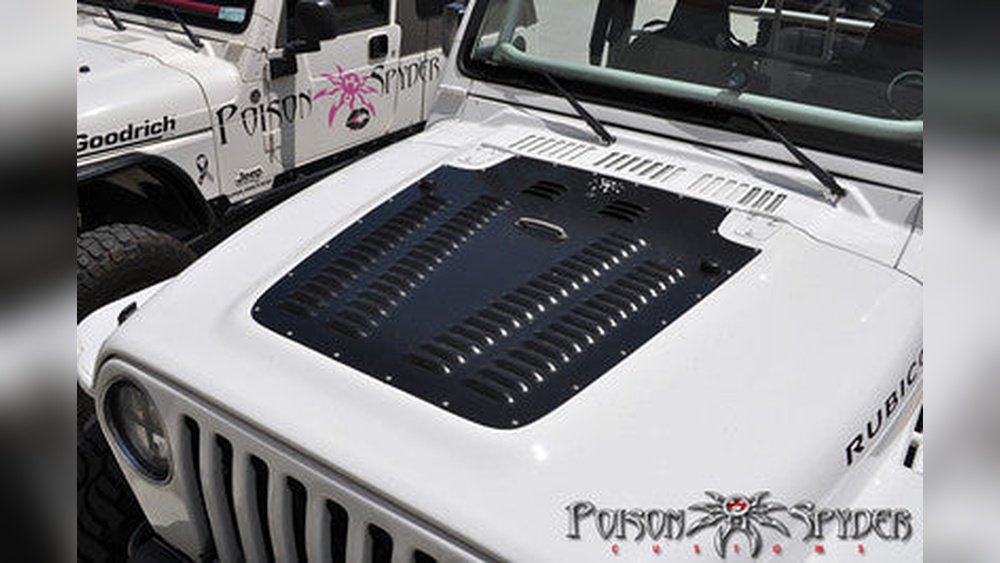
Understanding Poison Spider Hood Vents
Poison Spider is a brand that specializes in aftermarket parts for Jeep vehicles. Their hood vents are designed to replace or augment the stock hood of a Jeep Wrangler. The primary purpose of these vents is to allow for better heat dissipation from the engine bay. When an engine works hard, especially during off-road excursions or in hot climates, it generates a lot of heat. The stock hood might not be the most efficient at releasing this heat, which can lead to higher engine temperatures.
Poison Spider hood vents are engineered with specific designs, often featuring open vents or louvers. These openings create pathways for hot air to escape the engine compartment more easily. This can help keep engine temperatures down, potentially leading to better performance and longevity for engine components. Beyond the functional benefits, these vents also significantly alter the aesthetic of the Jeep, giving it a more aggressive and customized appearance. Many Jeep owners see their vehicles as a canvas for self-expression, and a Poison Spider hood vent is a way to achieve a unique look.
The materials used in these vents are typically durable, such as steel or aluminum, designed to withstand the elements and the rigors of off-roading. Installation can range from relatively simple bolt-on procedures to more involved modifications, depending on the specific model and whether it replaces the entire hood or just a section. Understanding the benefits, types, and installation process is crucial for any Jeep owner considering this upgrade.
Why Install A Poison Spider Hood Vent?
The decision to install a Poison Spider hood vent on a Jeep Wrangler is usually driven by a combination of functional and aesthetic reasons. Let’s break down the key motivations.
Improved Engine Cooling
The most significant functional advantage of a Poison Spider hood vent is its ability to enhance engine cooling. When your Jeep’s engine operates, it produces substantial heat. Under normal driving conditions, the factory hood and engine bay design manage this heat adequately. However, when you push your Wrangler harder, think crawling over rocks, tackling steep inclines, or driving in scorching desert temperatures, the engine temperature can rise.
A hood vent, especially one designed by a company like Poison Spider, introduces openings that allow this trapped hot air to escape. This creates a more efficient airflow through the engine bay. Cooler engines tend to perform better. Overheating can lead to decreased power, increased wear on engine components like gaskets and seals, and in extreme cases, severe engine damage. By promoting better heat dissipation, a hood vent can help maintain optimal engine temperatures, especially during demanding off-road activities or prolonged high-stress driving. This improved cooling can contribute to the longevity of your engine.
Enhanced Aesthetics And Customization
Jeep owners are passionate about customizing their vehicles. The Wrangler, in particular, is a popular platform for personalization. A Poison Spider hood vent is a visual upgrade that can dramatically change the look of your Jeep. These vents often feature aggressive styling, with sharp lines and open designs that give the Wrangler a more formidable, performance-oriented appearance.
They can make your Jeep stand out from the crowd, signaling that it’s not just a daily driver but a capable off-road machine. The design of the vents themselves can become a focal point of the vehicle’s exterior. Whether you choose a sleek, minimalist design or a more complex, vented panel, the visual impact is undeniable. Many owners opt for vents that can be painted to match their Jeep’s body color or a contrasting accent color, further enhancing the customization aspect.
Airflow For Other Modifications
In some cases, a hood vent can be beneficial for drivers who have made other under-hood modifications. For example, if you’ve installed a performance engine tune, an upgraded intake system, or a turbocharger, these components might generate additional heat or require specific airflow characteristics. A well-designed hood vent can help manage this increased heat output. It can also contribute to a more stable environment for sensitive electronic components that might be added to the engine bay. While not the primary reason for most buyers, it’s a consideration for those with heavily modified Jeeps.
Potential For Reduced Weight (depending On Material)
Some Poison Spider hood vents are made from materials like aluminum, which can be lighter than the stock steel hood panels they replace. While the weight difference might be marginal for a single panel, for enthusiasts focused on performance optimization, every bit of weight reduction can be beneficial. Lighter vehicles can offer improved acceleration, braking, and handling. However, it’s important to note that many steel hood vent options are also available, and the weight difference might not be a significant factor for most users.
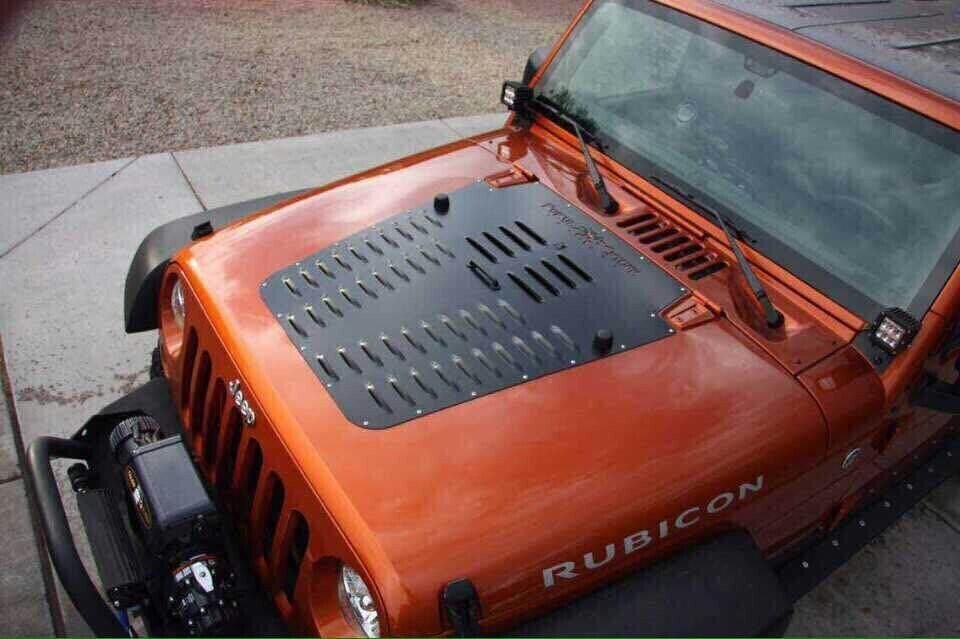
Types Of Poison Spider Hood Vents
Poison Spider offers various styles of hood vents, each with slightly different designs and installation methods. Understanding these differences can help you choose the right one for your needs and preferences.
Full Replacement Hoods
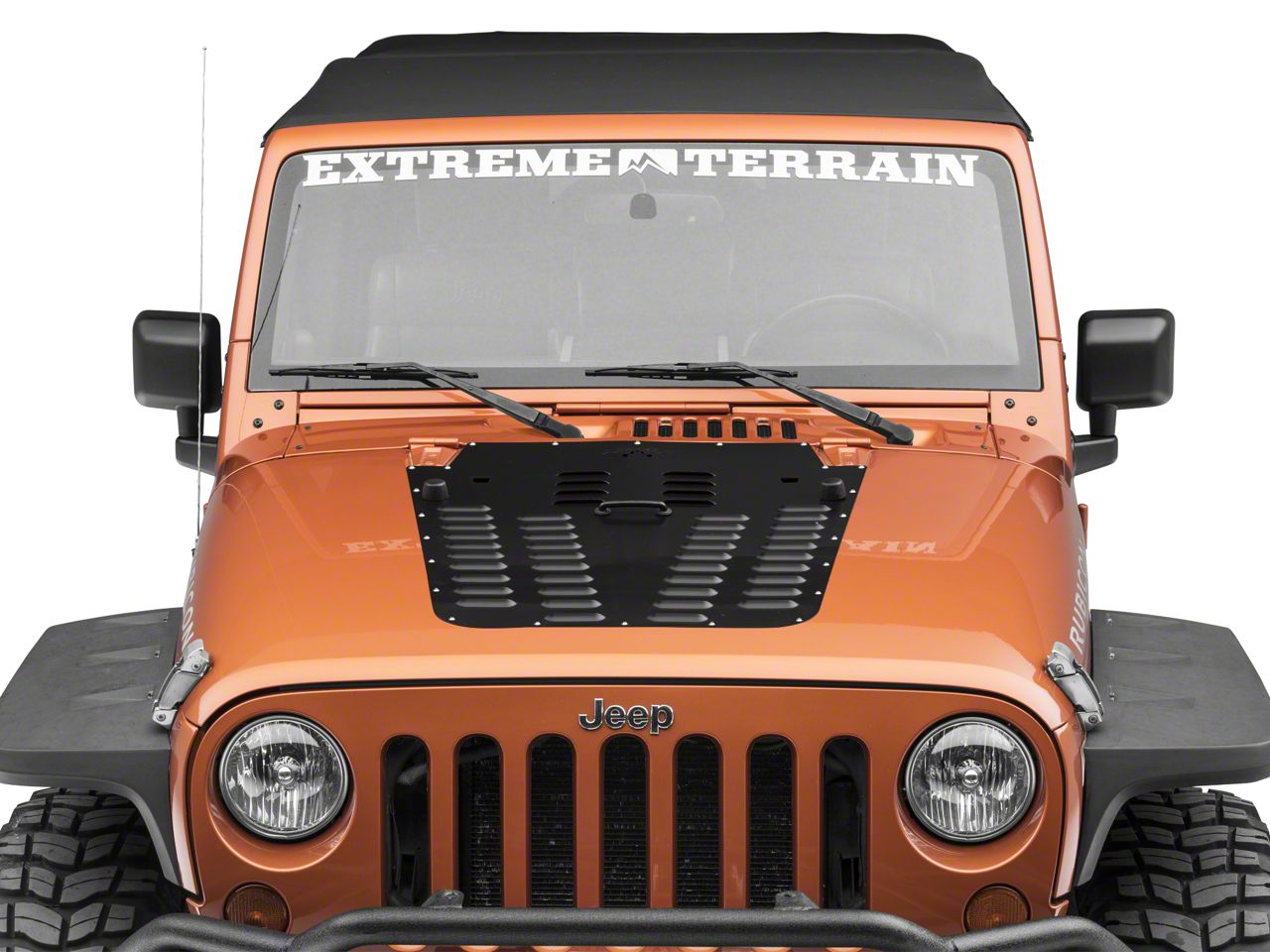
Some Poison Spider products are complete replacement hoods. These are designed to entirely swap out your Jeep’s factory hood. These hoods are often constructed from steel or aluminum and come with integrated vents. They offer the most dramatic visual change and can provide substantial airflow improvements due to their engineered design.
These full replacement hoods are typically more expensive and involve a more complex installation process, often requiring professional help. They are a significant modification and are usually chosen by owners who are undertaking a comprehensive build or seeking a major aesthetic overhaul.
The integrated vents on these hoods are part of the overall design, ensuring a cohesive and aggressive look.
Hood Vent Inserts/panels
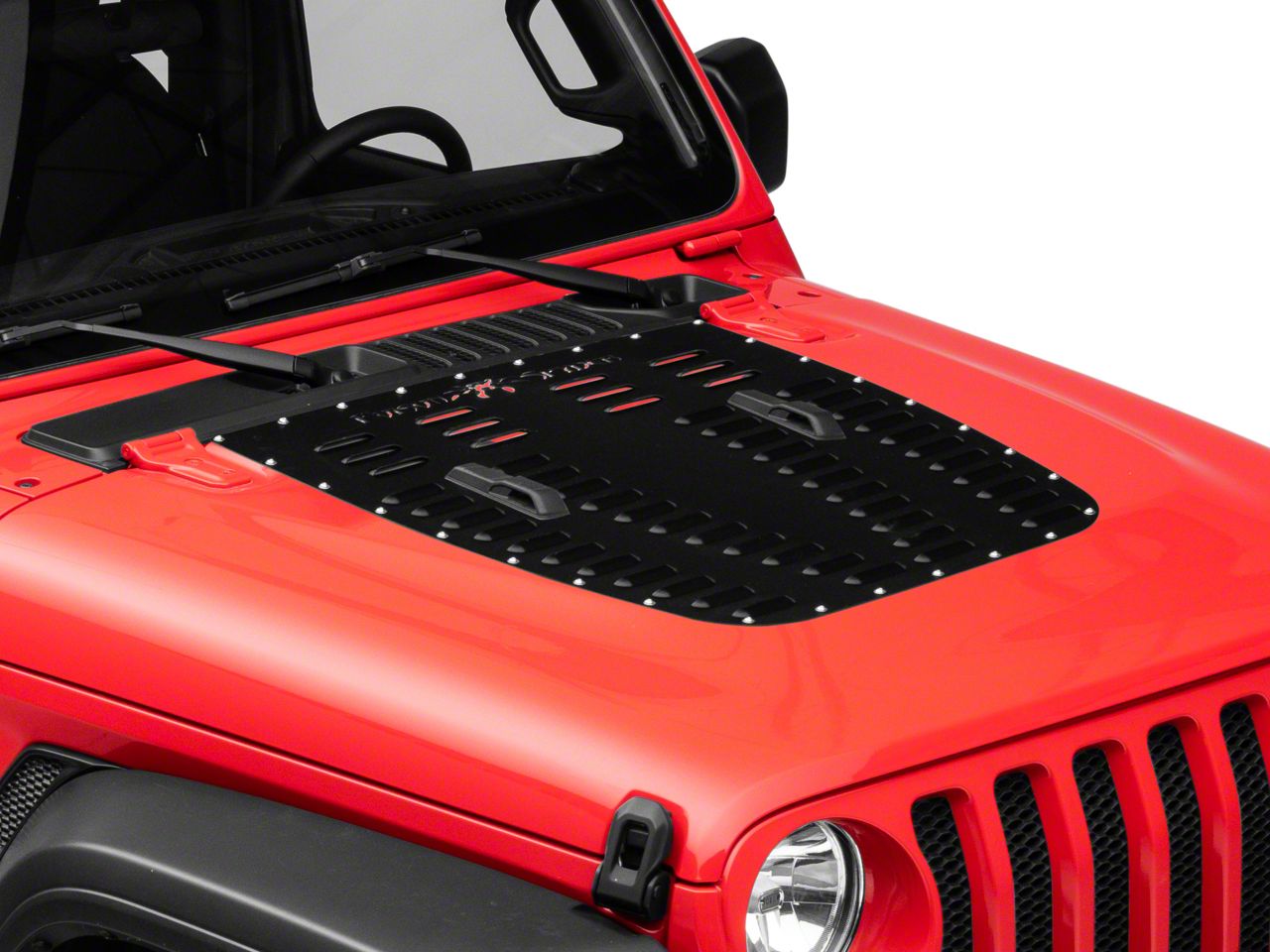
A more common and accessible option is the hood vent insert or replacement panel. These are designed to replace specific sections of your factory hood, most commonly the flat panels above the fenders or the center section. These inserts typically feature the Poison Spider vent design and are bolted onto the existing hood structure.
Installation for these inserts is generally more straightforward than a full hood replacement. They allow you to keep your factory hood while adding the desired venting and aggressive styling.
This is a popular choice for owners who want the visual and functional benefits of a vent without the cost and complexity of a full hood swap.
The design of these inserts is crucial, as they need to fit seamlessly with the original hood lines.
Specific Model Compatibility
It’s essential to note that Poison Spider, like most aftermarket manufacturers, designs its products for specific Jeep Wrangler models and years. For example, a vent designed for a JK Wrangler (2007-2018) will not fit a JL Wrangler (2018-present) or an older TJ Wrangler (1997-2006). Always verify the part number and compatibility with your specific Jeep model before purchasing. This ensures a proper fit and avoids installation headaches.
Installation Considerations And Process
Installing a Poison Spider hood vent can be a rewarding DIY project for some, while others may prefer to have it done by a professional. The complexity varies significantly depending on the type of vent you choose.
Diy Installation: Hood Vent Inserts
For hood vent inserts, the process usually involves:
- Preparation: Gather your tools. You’ll likely need a socket set, wrenches, screwdrivers, and possibly a drill if new mounting holes are required (though many are designed to use existing holes or require minimal modification). It’s also wise to have painter’s tape to protect your Jeep’s paint during the process.
- Removing Factory Parts: Carefully remove the stock hood panels that the insert will replace. This might involve unscrewing bolts or clips. Keep these original parts in a safe place in case you ever want to revert.
- Test Fitting: Before any permanent installation, test fit the Poison Spider insert. Ensure it aligns correctly with the hood contours and mounting points. This is the best time to identify any minor adjustments needed.
- Drilling (If Necessary): If the insert requires new mounting holes, measure precisely and drill carefully. Start with a small pilot hole and enlarge it as needed. Use grommets or paint protection around drilled holes to prevent rust.
- Securing the Vent: Attach the Poison Spider vent using the provided hardware (bolts, nuts, washers). Tighten them securely but avoid over-tightening, which could strip threads or damage the components.
- Final Checks: Ensure the vent is firmly attached and doesn’t rattle. Clean up any debris.
Pro Tip: Many Poison Spider inserts are designed to be installed from the top of the hood, making the process much simpler. Always read the specific instructions that come with your product.
Professional Installation: Full Replacement Hoods
Installing a full replacement hood is a more involved process:
- Removal of Factory Hood: This requires at least two people due to the hood’s size and weight. Disconnect the hood latches and carefully remove the entire hood from its hinges.
- Transferring Components: Some factory components, like the hood latch mechanism or insulation, might need to be transferred to the new Poison Spider hood.
- Mounting the New Hood: Align the new hood with the hinges and attach it. This step often requires adjustments to ensure the hood closes properly and the gaps around it are even. This is where professional expertise is most valuable.
- Connecting Latches and Hardware: Reconnect the hood latch and any other necessary hardware.
- Painting and Finishing: If the new hood isn’t pre-painted, it will need to be professionally painted to match your Jeep.
The cost of professional installation can range from a few hundred to over a thousand dollars, depending on the complexity and whether painting is included.
Materials And Durability
Poison Spider products are generally known for their robust construction. The materials used are critical for both the appearance and the longevity of the hood vent.
Steel Vs. Aluminum
- Steel: Many Poison Spider hood vents and full hoods are made from steel. Steel is strong, durable, and relatively inexpensive. It can withstand impacts and the harsh conditions of off-roading. However, steel can be heavier than aluminum and is susceptible to rust if the protective coating is compromised. Many steel parts are powder-coated for added protection against the elements.
- Aluminum: Some higher-end or lighter-weight options might be constructed from aluminum. Aluminum is lighter than steel and naturally resistant to rust. It’s still very durable, though it might be more prone to denting from severe impacts compared to thick steel. Aluminum parts often have a premium price tag.
When choosing, consider your priorities: weight, strength, cost, and resistance to corrosion. For most users, a well-coated steel vent offers an excellent balance of durability and value.
Powder Coating And Finishes
A powder coat finish is common on steel Poison Spider parts. This is a durable paint finish applied electrostatically and then cured under heat. It provides a tough, attractive surface that protects against scratches, UV rays, and corrosion. Common finishes include satin black, gloss black, or textured black. Some owners opt to have their vents custom painted to match their Jeep’s color scheme.
Weather Resistance
Regardless of the material, good quality hood vents should be designed to withstand various weather conditions. This includes resistance to UV degradation (fading from sunlight), moisture (preventing rust or corrosion), and temperature fluctuations. Poison Spider, being a reputable brand in the Jeep aftermarket, generally ensures their products meet these durability standards.
Aesthetics And Design Options
Poison Spider offers a range of designs that cater to different tastes and Jeep builds. The aesthetic appeal is a major factor for most buyers.
Aggressive Styling
The hallmark of many Poison Spider designs is their aggressive styling. This often includes sharp angles, pronounced louvers, and a generally muscular appearance. These vents are designed to complement the rugged look of the Jeep Wrangler, making it appear more capable and performance-oriented.
Variety Of Vent Patterns
Within their product lines, Poison Spider might offer variations in vent patterns. Some might have wide, open louvers for maximum airflow, while others might feature a more intricate mesh or slotted design.
The choice here often comes down to personal preference and the specific look you want to achieve.
Integration With Jeep Body Lines
While aggressive, good designs should also integrate well with the existing body lines of the Jeep Wrangler. A well-designed vent won't look out of place; instead, it should enhance the vehicle's natural form.
Poison Spider aims for this integration, ensuring their parts look like they belong on the Jeep.
Color And Finish Choices
As mentioned, many vents come in standard finishes like satin black or textured black. These are versatile and look good on almost any Jeep color. However, the ability to custom paint these parts offers a significant advantage for personalization. You can match your Jeep’s body color, choose a contrasting color for a bold statement, or even use a unique accent color for specific details.
Potential Downsides And Things To Watch Out For
While Poison Spider hood vents offer many benefits, it’s important to be aware of potential downsides or issues to consider.
Cost
Aftermarket parts, especially those from reputable brands like Poison Spider, can be expensive. A full replacement hood can cost several hundred to over a thousand dollars, and even vent inserts can be a significant investment. It’s crucial to budget accordingly and compare prices from different retailers.
Installation Complexity And Potential For Error
As discussed, installation can range from simple to complex. If you’re not comfortable with mechanical tasks or drilling into your vehicle, it’s best to factor in the cost of professional installation. Mistakes during installation, especially drilling, can lead to costly repairs or cosmetic damage.
Water Intrusion Concerns
While vents are designed for airflow, they also create openings in the hood. In heavy rain or when washing your Jeep, there’s a potential for water to enter the engine bay. Modern engine components are generally well-sealed, but excessive water intrusion could still be a concern, especially for sensitive electronics. Some vent designs might include features to minimize direct water entry, but it’s something to be mindful of.
Noise Increase
Depending on the design and the amount of airflow, some hood vents can potentially increase engine bay noise that enters the cabin. Louder exhaust systems or engine modifications can exacerbate this. If a quiet ride is a top priority, this is something to research for specific vent models.
Fitment Issues
Although Poison Spider is a known brand, fitment issues can occasionally occur with aftermarket parts. Variations in manufacturing tolerances or slight differences in Jeep models over the years can sometimes lead to gaps or alignment problems. Reading reviews from other buyers of the