If you’ve seen the P0520 code pop up on your Jeep’s dashboard, you’re probably wondering what it means and how to fix it. This code points to an issue with your engine’s oil pressure sensor, a key part that keeps your engine running smoothly and safely.
Ignoring it could lead to bigger problems, but don’t worry you’re in the right place to understand exactly what’s going on.
You’ll learn what triggers the P0520 code, how to spot the symptoms early, and the steps you can take to diagnose and fix the problem.
Keep reading to protect your Jeep and avoid costly repairs down the road.

Oil Pressure Sensor Code P0520
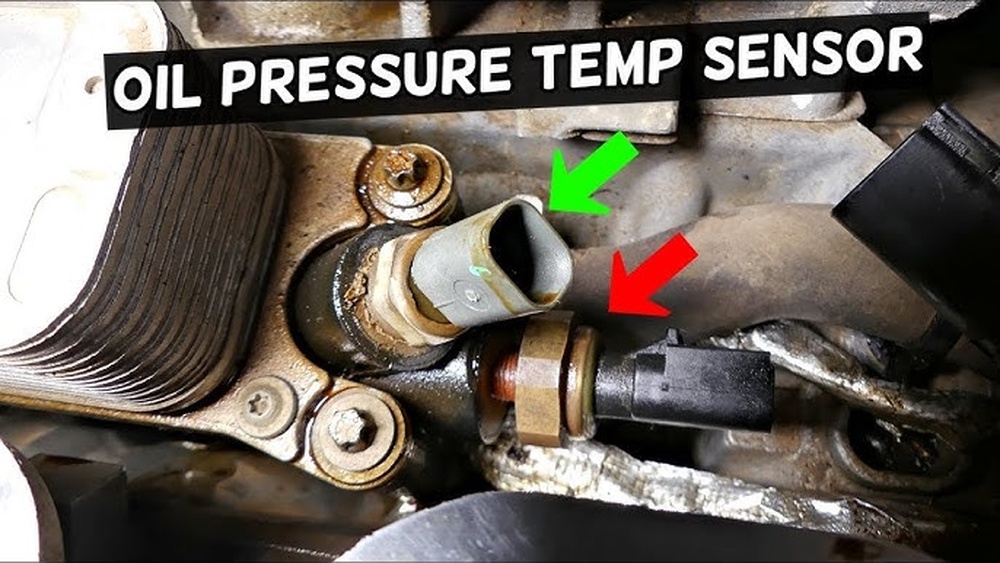
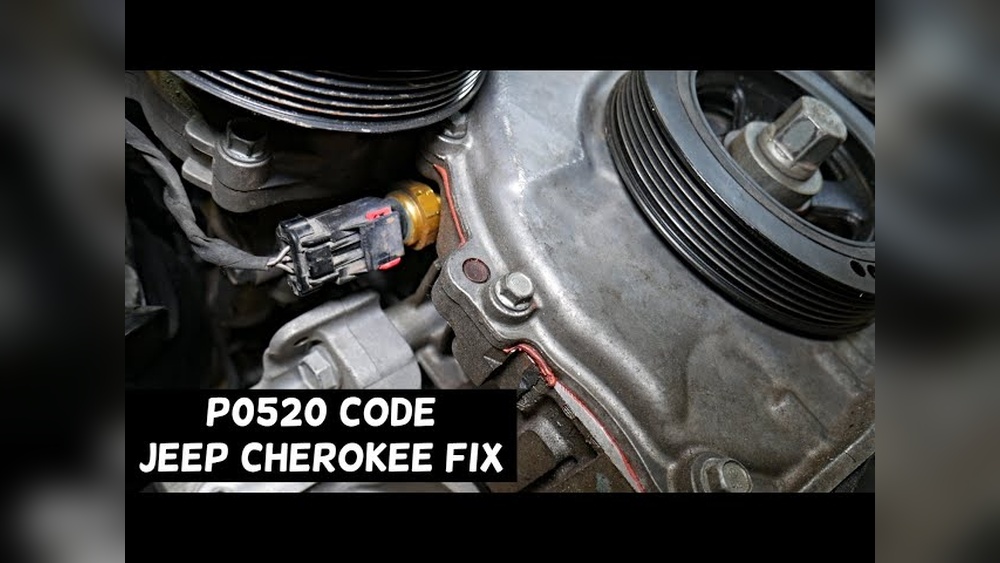
Finding the oil pressure sensor on your Jeep is the first step to fix the P0520 code. The sensor monitors engine oil pressure and sends data to the vehicle’s computer.
A faulty sensor can cause wrong readings or trigger warning lights.
The oil pressure sensor usually sits in hard-to-reach spots. Knowing where to look saves time and effort.
This guide helps you find the sensor quickly and safely.
Typical Sensor Locations
The oil pressure sensor is often near the engine block. Most Jeep models place it on the passenger side.
Some sensors sit behind or under the water pump.
Look close to the oil filter adapter as well. The sensor has a wiring connector that plugs into it.
It is usually screwed directly into the engine.
Removing parts like the upper intake manifold might be needed for better access. Each Jeep model can differ slightly in sensor placement.
Tools Needed For Access
You will need basic hand tools to reach the sensor. A socket set with extensions helps remove tight bolts.
A ratchet wrench will make the job easier.
Some Jeeps require removing engine covers or intake parts. Screwdrivers and pliers might be necessary to disconnect wiring harnesses.
A flashlight helps see in dark engine areas.
Wear gloves to protect your hands from hot or sharp parts. Always work on a cool engine to avoid burns.
Locating The Sensor
Replacing the Po520 sensor on your Jeep can save money and time. This task is doable with basic tools and some patience.
The sensor monitors oil pressure and keeps your engine running safely. A faulty sensor causes warning lights and wrong readings.
Follow these steps carefully to replace the sensor yourself. Work in a clean, well-lit area and keep track of small parts. Safety first: disconnect the battery before starting.
Removing The Old Sensor
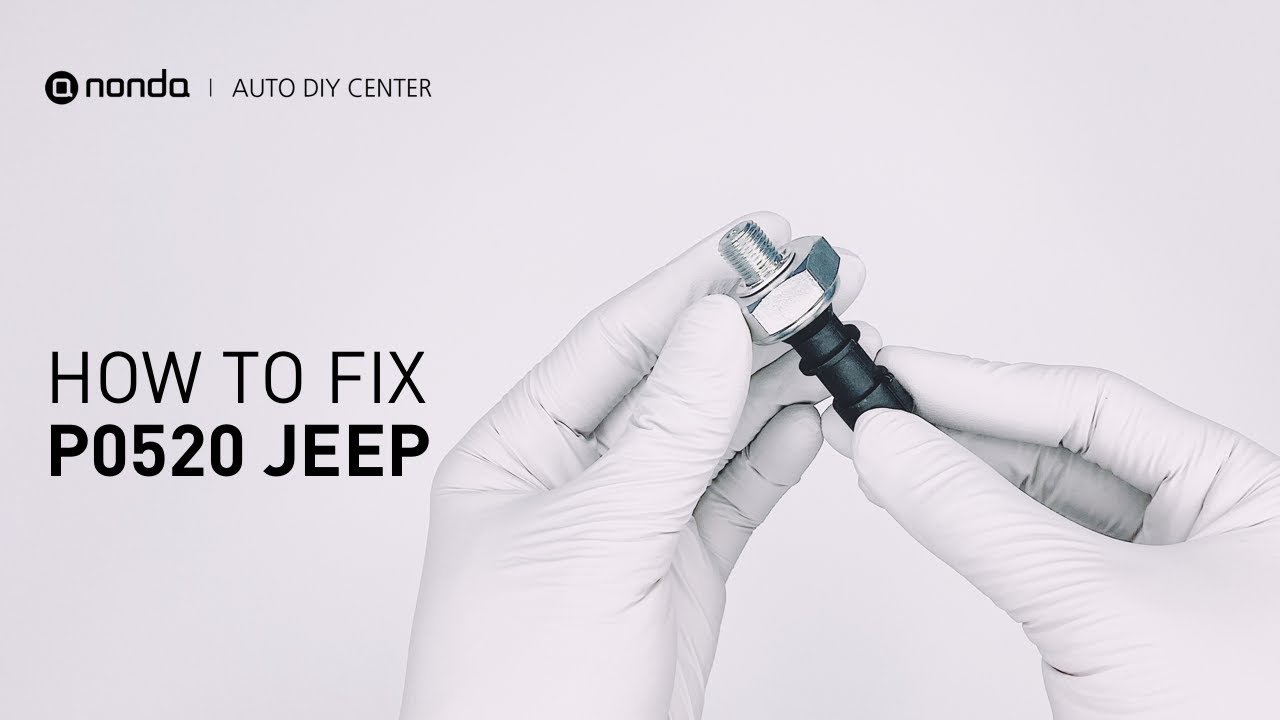
Locate the oil pressure sensor on your Jeep’s engine. It is often near the oil filter or on the engine block.
Remove any parts blocking access, like the upper intake manifold. Use a wrench to carefully unscrew the old sensor.
Avoid damaging the wiring or surrounding components. Clean the area around the sensor to prevent dirt from entering the engine.
Installing The New Sensor
Compare the new sensor with the old one to ensure a correct match. Screw the new sensor into place by hand to avoid cross-threading.
Tighten it gently with a wrench until snug. Reconnect the wiring harness securely.
Replace any parts removed for access. Double-check all connections before moving on.
Resetting The Code
After installing the new sensor, reset your Jeep’s error code. Use an OBD-II scanner to clear the Po520 code from the system. Turn the ignition off and then on again to check if the warning light goes off. If the light returns, recheck the sensor installation and wiring. Resetting the code ensures the system reads the new sensor correctly.
Quick Diagnosis Steps
Repairing the PO520 code on your Jeep involves understanding the costs of parts and labor. This code usually points to an issue with the oil pressure sensor.
Knowing the price range for sensors and labor helps you plan your budget. Choosing between OEM and aftermarket parts affects both cost and quality. Here is what to expect.
Sensor Price Range
The oil pressure sensor for a Jeep generally costs between $20 and $40. Prices vary depending on the Jeep model and sensor brand.
Some sensors may cost a bit more if they come with better warranties. Buying a sensor online can be cheaper than purchasing from a dealer.
Avoid very cheap sensors as they may fail quickly.
Labor Costs
Replacing the oil pressure sensor usually takes about one hour. Labor rates vary by location but average between $80 and $150 per hour.
Some shops may charge more in big cities. If your Jeep requires removing parts like the intake manifold, labor costs may rise.
Always ask for a clear estimate before repair.
Oem Vs Aftermarket Options
OEM sensors are made by the Jeep manufacturer. They often cost more but fit perfectly and last longer.
Aftermarket parts are cheaper and widely available. Quality varies greatly among aftermarket brands.
Choose trusted brands to avoid future problems. Some Jeep owners prefer OEM for peace of mind, while others save money with aftermarket parts.

Conclusion
The PO520 code in Jeep models points to oil pressure sensor issues. Checking oil levels and wiring can help spot simple problems.
Replacing a faulty sensor often clears the code and restores proper readings. Ignoring this code risks engine damage due to low oil pressure.
Regular maintenance keeps your Jeep running smoothly and avoids costly repairs. Always address warning signs early for safe driving and engine health.
Stay informed and act promptly to keep your Jeep reliable on the road.