If you own a Jeep Cherokee and recently saw the code Po456 pop up on your dashboard, you’re probably wondering what it means and how it affects your ride.
This code points to a small leak in your vehicle’s Evaporative Emissions (EVAP) system, a important part that helps keep harmful fuel vapors from escaping into the air.
While it might sound technical, understanding Po456 is key to keeping your Jeep running smoothly and passing emissions tests.
You’ll learn what causes this code, how to spot the problem, and what simple steps you can take to fix it before it turns into a bigger headache.
Keep reading to protect your Jeep and enjoy a worry-free drive.

Po456 Jeep Cherokee Code
The PO456 Jeep Cherokee code signals a small leak in the EVAP system. This code points to an issue with the system that controls fuel vapor emissions. The EVAP system captures fuel vapors from the gas tank and sends them to the engine to burn. When a leak happens, harmful vapors escape, and the check engine light turns on.
Understanding the PO456 code helps you know what to expect and how to fix it. This guide explains what the code means and the usual symptoms you might notice in your Jeep Cherokee.
What Po456 Means
The PO456 code means the EVAP system has a very small leak. It is called a “very small leak” because the system detects tiny amounts of escaping fuel vapor.
The leak is usually too small to find by just looking. The code often triggers after the car runs some self-tests.
This code can come from a cracked hose, a faulty valve, or a broken part in the EVAP system. It is important to fix it to keep your Jeep running well and to reduce pollution.
Common Symptoms
The most common sign of a PO456 code is the check engine light turning on. The light may stay on steadily or blink.
Sometimes you may smell gasoline near the car, especially around the fuel tank.
Other symptoms include a rough engine idle or trouble starting the engine. The fuel economy might drop a little because the system is not working right.
Most symptoms are mild but should not be ignored.
Evaporative Emission System
The evaporative emission system, or EVAP system, helps reduce harmful fuel vapors. It keeps fuel vapors from escaping into the air.
This system is important for the environment and your Jeep Cherokee’s performance. It captures vapors from the gas tank and stores them safely.
Understanding the EVAP system can help you spot issues early. Problems often trigger the P0456 code.
This code means there is a small leak somewhere in the system. Knowing the parts and how they work can help you fix it faster.
Key Components
The EVAP system has several main parts. The charcoal canister stores fuel vapors.
Vapor lines carry vapors from the tank to the canister. The purge valve lets vapors enter the engine to burn.
The fuel tank pressure sensor checks for leaks. The EVAP system integrity module controls the system’s pressure and flow.
How The Evap System Works
The system traps fuel vapors inside the gas tank. Vapors travel through lines to the charcoal canister.
The canister holds vapors until the engine needs them. The purge valve opens to send vapors into the engine.
The engine burns the vapors during normal operation. Sensors monitor the system for leaks or pressure changes.
Frequent Causes Of Po456
The PO456 code in a Jeep Cherokee signals a small leak in the EVAP system. This system stops fuel vapors from escaping into the air.
A tiny leak can trigger this code. Knowing the usual causes helps with quick fixes.
Here are the frequent reasons for a PO456 code.
Gas Cap Issues
A loose or damaged gas cap often causes EVAP leaks. The gas cap seals the fuel tank.
If it’s not tight or is cracked, vapors escape. Checking the gas cap is the simplest first step.
Cracked Vapor Lines
Vapor lines carry fuel vapors to the EVAP system. Over time, these plastic lines can crack or break.
Cracks let vapors leak out, causing the PO456 code. Inspect these lines for visible damage or brittleness.
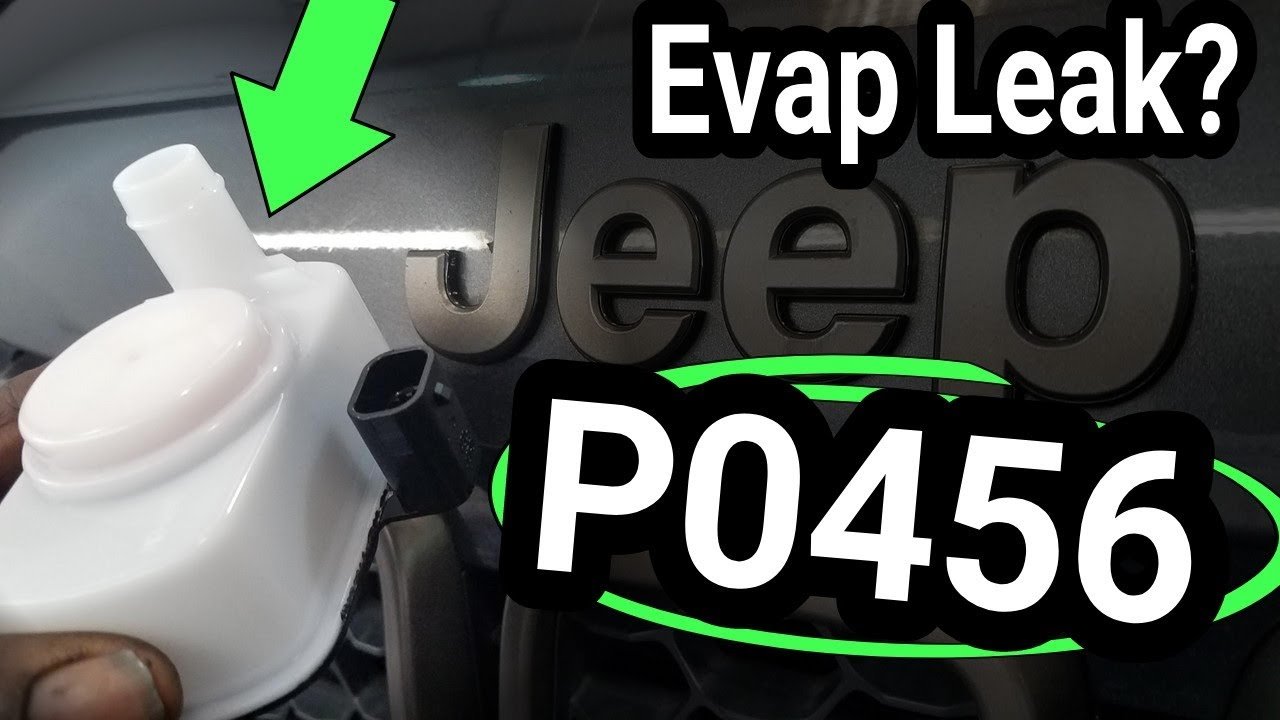
Faulty Esim Module
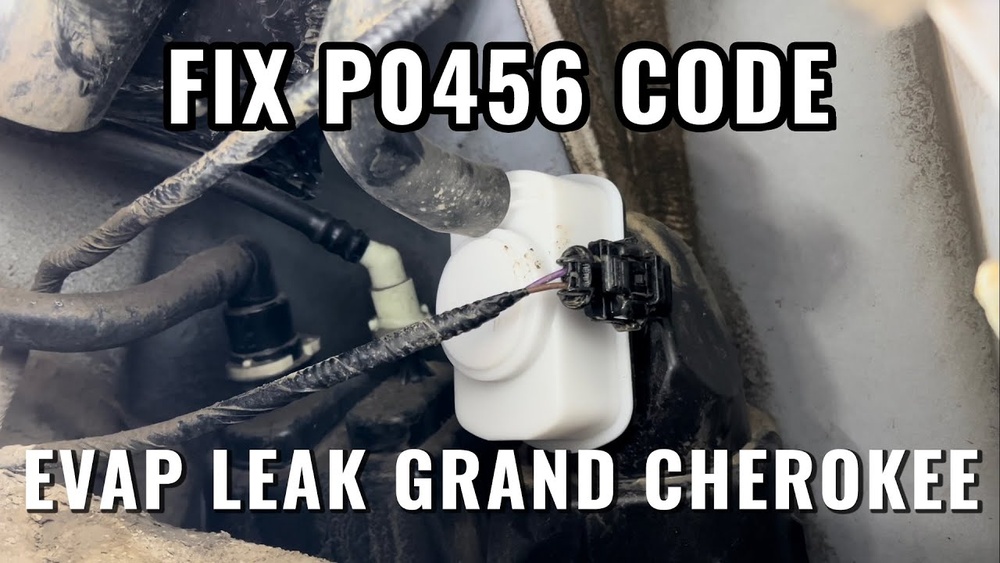
The EVAP System Integrity Module (ESIM) monitors pressure changes. It is often near the fuel filler neck or charcoal canister.
The ESIM is a small plastic valve that can crack or fail. A faulty ESIM leads to false leak detections.
Purge Valve Problems
The purge valve controls vapor flow to the engine. It opens and closes to burn fuel vapors.
If the valve sticks open or leaks, it causes an EVAP leak. Testing or replacing the purge valve can solve the problem.
Diagnosing The Leak
Diagnosing a leak in the Po456 Jeep Cherokee requires a careful and methodical approach. The leak usually triggers the check engine light and sets off a specific trouble code.
Pinpointing the exact source of the leak helps avoid unnecessary repairs and extra costs.
Several diagnostic methods exist to find the leak. Each technique offers unique insights to help you locate and fix the problem quickly.
Understanding these methods saves time and ensures your Jeep runs smoothly again.
Visual Inspection Tips
Start with a thorough visual inspection under the hood. Look for cracked or brittle hoses around the purge valve and charcoal canister.
Check the fuel filler neck and surrounding areas for any signs of damage or loose connections.
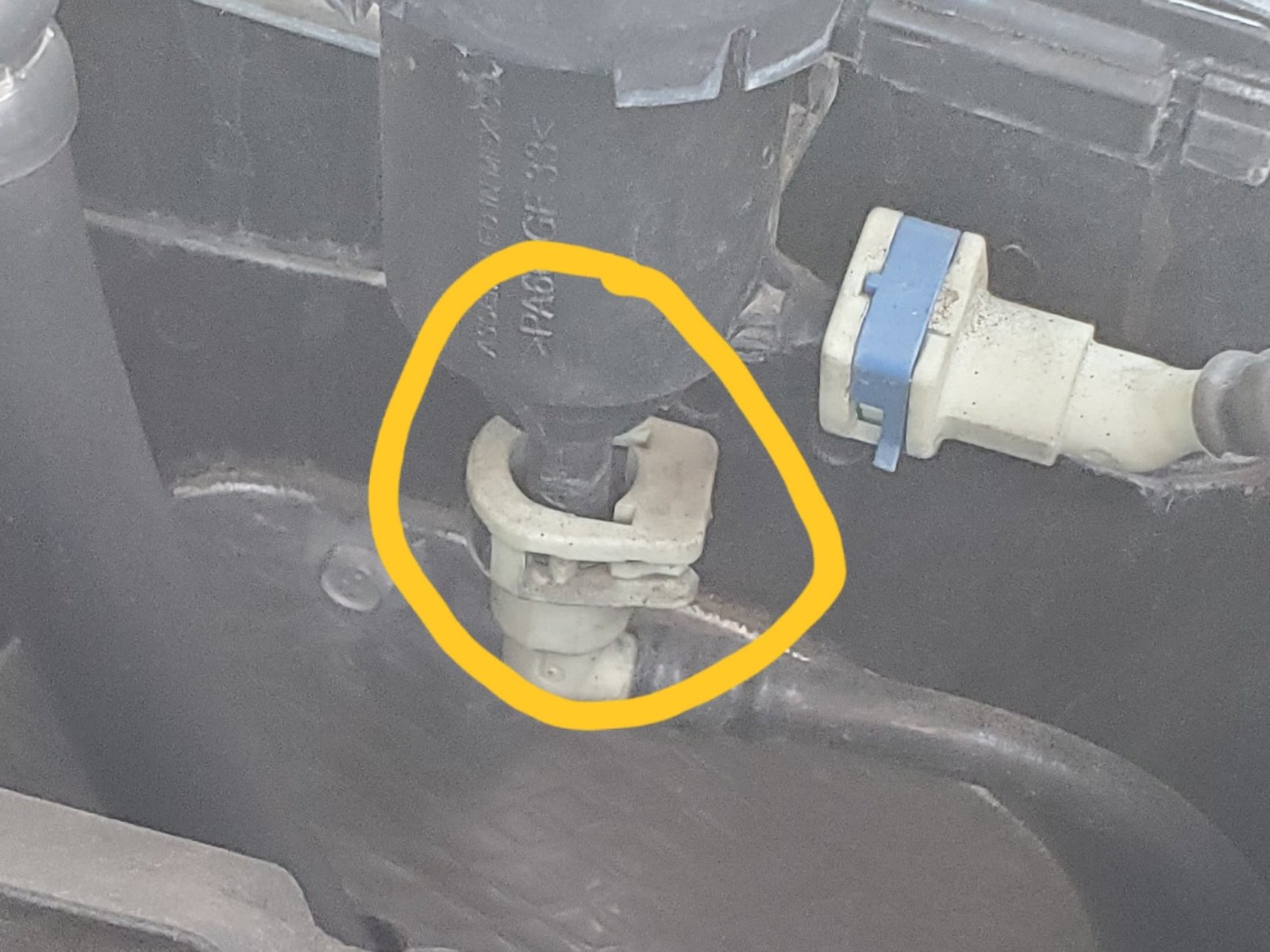
Inspect the Evaporative System Integrity Module (ESIM) carefully. This small plastic valve often cracks and causes leaks.
Dirt or residue near these parts can also indicate escaping vapors.
Using A Smoke Test
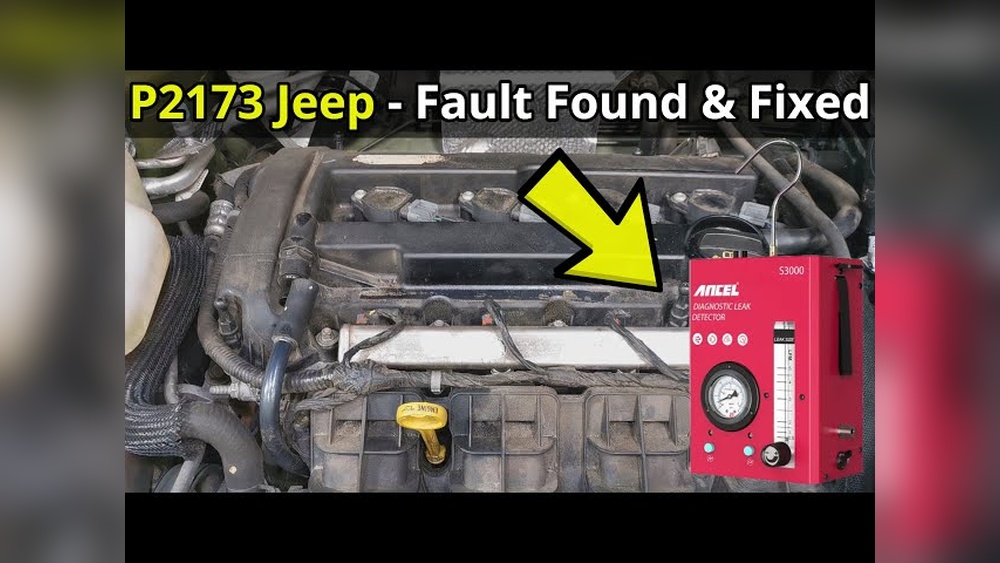
A smoke test is one of the most effective ways to find tiny leaks. A smoke machine pumps vapor into the EVAP system.
Watch closely for smoke escaping from cracked hoses, valves, or the ESIM module.
This method reveals leaks that are hard to spot with the naked eye. It quickly guides you to the exact point of failure.
Many mechanics rely on this test to diagnose the Po456 code accurately.
Reading Diagnostic Codes
Use an OBD-II scanner to read trouble codes from your Jeep’s computer. The Po456 code signals an EVAP leak, but it does not tell you the exact location. Additional codes or live data may help narrow down the faulty part.
Reset the codes after repairs and monitor for return codes. This confirms whether the leak is fixed or if further diagnosis is needed.
Diagnostic tools are essential for an efficient repair process.
Fixes And Repairs
The PO456 code on a Jeep Cherokee signals a small leak in the EVAP system. Fixing this issue helps the vehicle run cleaner and avoid failed emissions tests.
Several common repairs solve this problem effectively. Each fix targets a specific part of the EVAP system that may cause vapor leaks.
Replacing The Gas Cap
A loose or damaged gas cap often triggers the PO456 code. Start by checking the cap for cracks or worn seals.
Replace the gas cap with a new one designed for the Jeep Cherokee. Tighten it until it clicks to ensure a proper seal.
This simple fix can stop vapor leaks quickly and cheaply.
Fixing Or Replacing Hoses
EVAP hoses can become brittle and crack over time. Inspect all hoses around the fuel tank and engine bay for damage.
Replace any cracked or broken hoses with new ones. Use clamps to secure hoses tightly.
Proper hose condition prevents fuel vapors from escaping and clears the PO456 code.
Swapping The Esim Module
The EVAP System Integrity Module (ESIM) monitors pressure and detects leaks. This small plastic part often fails or cracks, causing the PO456 code.
Locate the ESIM near the fuel filler neck or charcoal canister. Remove the old module and install a new one.
This repair usually takes less than an hour and restores EVAP system function.
Purge Valve Replacement
The purge valve controls fuel vapor flow from the charcoal canister to the engine. A faulty valve may not close properly and cause leaks.
Check the purge valve in the engine bay for signs of failure. Replace it with a genuine part if needed.
This fix ensures correct vapor flow and resolves the PO456 error.
Preventing Future Issues
Preventing future issues with the Po456 Jeep Cherokee code helps keep your vehicle running smoothly. This code often signals a small leak in the Evaporative Emissions (EVAP) system.
Catching problems early saves money and avoids bigger repairs. Simple habits and checks go a long way toward prevention.
Routine Maintenance
Regular maintenance is key to avoiding Po456 trouble. Change your fuel cap often and ensure it fits tightly.
Replace old or cracked EVAP hoses before leaks develop. Clean your vehicle’s fuel system parts to prevent buildup.
Follow your Jeep’s maintenance schedule closely. This keeps all components working well and prevents leaks.
Checking Seals And Connections
Inspect seals and connections around the fuel tank and EVAP system. Look for cracks, wear, or loose fittings.
Tighten loose clamps and replace damaged seals quickly. Check the fuel cap seal for damage and replace if needed.
Proper sealing stops fuel vapors from escaping. This simple step reduces the chance of Po456 codes.
When To Seek Professional Help
Sometimes, leaks are hard to find or fix. If you see the check engine light or smell fuel, visit a mechanic.
Professionals use smoke machines to pinpoint tiny leaks. They can test and replace faulty parts like the ESIM module or purge valve.
Early expert help keeps your Jeep safe and avoids costly repairs.
Cost And Time Estimates
Estimating the cost and time for fixing a Po456 code in a Jeep Cherokee helps plan your repair better. This code usually points to an issue with the evaporative emission system.
Understanding parts pricing, labor costs, and the choice between DIY and professional repair can save money and time. Below are detailed insights into each aspect.
Parts Pricing
The main parts involved in a Po456 fix include the ESIM module, purge valve, and vapor lines. The ESIM module often costs between $50 and $150.
Purge valves range from $30 to $100. Vapor lines are usually cheaper, around $10 to $40.
Prices depend on the part’s brand and quality. Genuine Jeep parts tend to be more expensive but offer better reliability.
Labor Costs
Labor costs vary widely based on location and mechanic rates. On average, expect to pay $80 to $150 per hour.
Fixing a Po456 code usually takes 1 to 2 hours. Complex cases may take longer, increasing the labor bill.
Some shops charge a flat rate for EVAP system repairs. Always ask for an estimate before work begins to avoid surprises.
Diy Vs Professional Repair
DIY repair can save money but requires some tools and knowledge. Checking hoses and replacing parts like the purge valve is doable at home.
Using a smoke machine to detect leaks is more advanced and may need a mechanic. Professionals offer faster, more accurate fixes.
They have the right tools and experience to ensure the problem is fully resolved.
Faqs On Po456 Jeep Cherokee
The PO456 code on a Jeep Cherokee points to a small leak in the EVAP system. This system controls fuel vapor emissions.
Many owners have questions about what this code means for their vehicle. common FAQs answered clearly.
Understanding these points helps Jeep owners decide their next steps. It also explains the risks and how often this issue happens.
Is Po456 Dangerous?
The PO456 code usually means a tiny leak in the EVAP system. This leak does not cause immediate danger or engine damage.
The system controls fuel vapors, so a small leak may increase emissions slightly. It does not affect driving safety directly.
Still, fixing the leak keeps the vehicle environmentally friendly.
Can I Drive With This Code?
Yes, you can drive your Jeep Cherokee with the PO456 code. The car will run normally without major issues.
The code signals a minor leak, not a critical fault. Long-term driving without repair may reduce fuel efficiency.
It can also cause the check engine light to stay on, which may be a nuisance.
How Often Does This Occur?
The PO456 code appears fairly often in Jeep Cherokees. This is because the EVAP system parts can wear or crack over time.
Plastic valves and hoses become brittle with age. Small leaks develop naturally in many vehicles.
Regular maintenance helps catch these leaks early before they worsen.
Conclusion
The Po456 code in a Jeep Cherokee points to an EVAP system leak. Small cracks or faulty valves often cause this issue.
Using a smoke test helps find leaks quickly. Replacing parts like the ESIM or hoses usually fixes the problem.
Regular checks keep your Jeep running clean and smooth. Addressing the code early saves time and money.
Stay alert to warning signs and maintain your vehicle well.