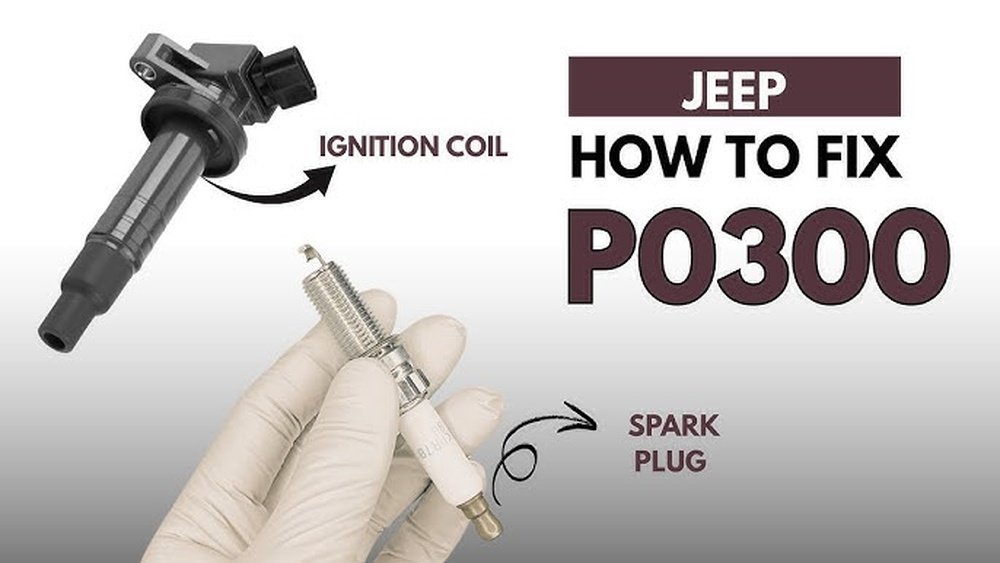
If you’ve just seen the P0300 code pop up on your Jeep’s dashboard, you’re probably wondering what it means and how it affects your ride. This code points to a random or multiple cylinder misfire, which can lead to poor performance, rough idling, and even engine damage if ignored.
But don’t worry understanding what triggers this issue and knowing where to start troubleshooting can save you time, money, and stress.
You’ll learn exactly what the P0300 code means for your Jeep, common causes behind it, and clear steps you can take to get your engine running smoothly again.
Keep reading to take control of your Jeep’s health and avoid costly repairs down the road.
Common Causes Of Po300 Code
Diagnosing the P0300 code on a Jeep requires a clear, step-by-step approach. This code signals a random or multiple cylinder misfire.
Misfires can cause rough running and reduce engine power. Carefully checking key engine parts helps identify the problem fast.
Follow these simple steps to find the issue.
Inspect Spark Plugs And Ignition Coils
Start by removing spark plugs and ignition coils. Look for cracks, heavy deposits, or worn electrodes on plugs.
Check ignition coils for damage or corrosion. Replace any faulty parts.
Worn spark plugs or bad coils often cause misfires.
Check Asd Relay And Fuses
Locate the ASD relay and fuses in the power distribution box. Examine them closely for burn marks or melted spots.
A faulty ASD relay can cut power to the ignition and fuel systems. Swap the relay with a good one to test it.
Examine Fuel Injectors And Fuel Pressure
Inspect fuel injectors for clogs or leaks. Listen for clicking sounds to confirm injector operation.
Measure fuel pressure with a gauge. Low pressure or bad injectors can starve cylinders and cause misfires. Clean or replace as needed.
Test For Vacuum Leaks And Intake Hose Damage
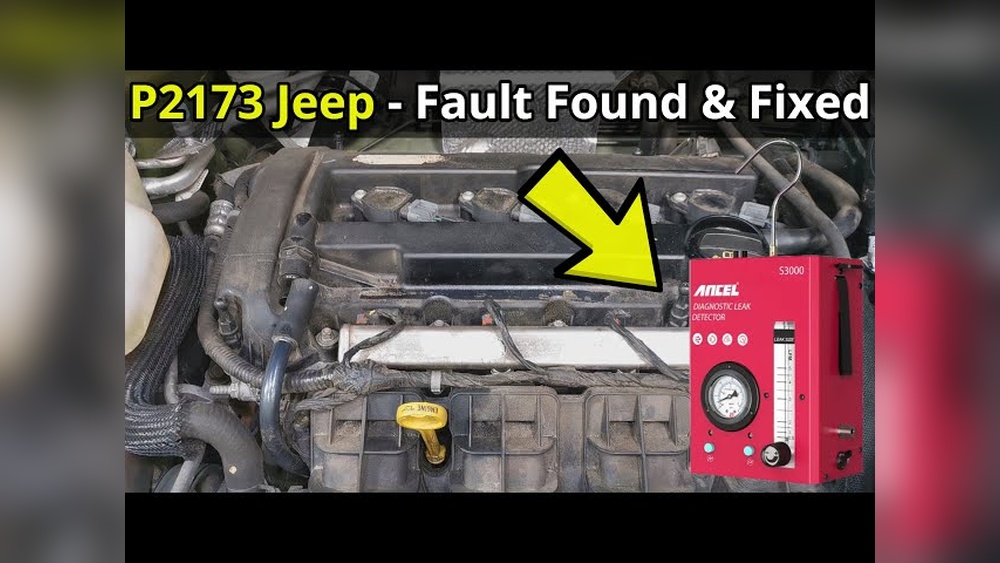
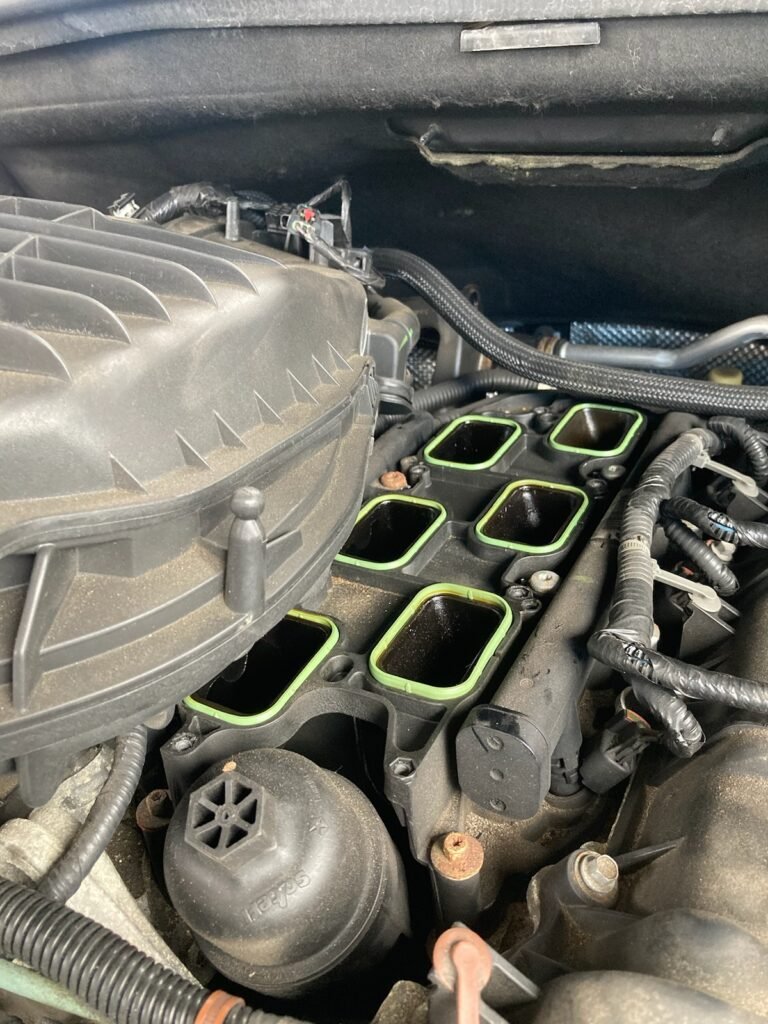
Look around intake hoses and vacuum lines for cracks or loose clamps. A vacuum leak lets unmetered air enter the engine.
This confuses the engine computer’s air-fuel mix and causes misfires. Replace damaged hoses and tighten clamps.
Evaluate Mass Air Flow Sensor
Check the mass air flow (MAF) sensor for dirt or damage. A dirty MAF sensor sends wrong air data to the computer.
Clean the sensor carefully with MAF cleaner spray. Replace it if cleaning does not fix the problem.
Conclusion
The PO300 code signals a random misfire in your Jeep’s engine. Simple checks on spark plugs, ignition coils, and fuel system often find the cause.
Fixing small issues early can prevent bigger engine problems later. Regular maintenance keeps your Jeep running smooth and reliable.
Stay attentive to engine signs and address faults promptly. This approach helps maintain your vehicle’s performance and safety on the road.