If you’ve just seen the P0138 code pop up on your Jeep’s dashboard, you might be wondering what it means and how it could affect your ride. This code points to an issue with your oxygen sensor, a small but vital part that helps your engine run smoothly and efficiently.
Ignoring it won’t just impact your Jeep’s performance it can also lead to higher fuel costs and even damage other components over time.
You’ll learn exactly what causes the P0138 code, how to spot the signs, and what steps you can take to fix it quickly and confidently.
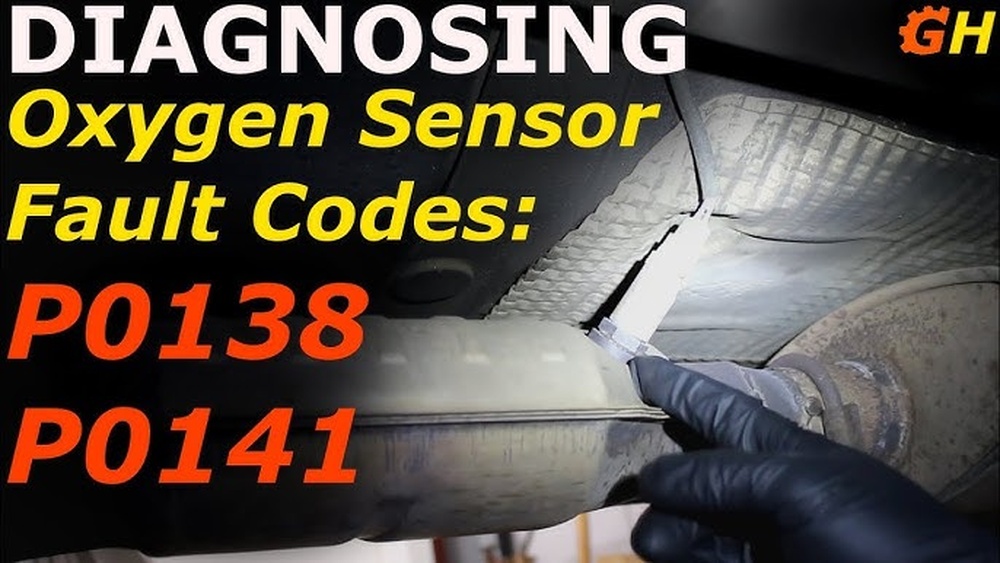
Keep reading to protect your Jeep and get back on the road with peace of mind.

Po138 Code Basics
The PO138 code on a Jeep signals a problem with the oxygen sensor circuit. This code often points to issues that cause the sensor to send abnormal voltage signals.
Understanding common causes helps diagnose and fix the problem quickly.
Faulty Oxygen Sensor
The oxygen sensor itself may be damaged or worn out. A bad sensor can send incorrect voltage readings to the engine control unit.
This can trigger the PO138 code. Replacing the faulty sensor often resolves the issue.
Wiring Issues And Shorts
Wiring problems frequently cause this code. Wires may be broken, frayed, or shorted to ground.
Damaged wiring can disrupt the sensor’s signal. Inspecting and repairing wiring restores proper communication.
Heater Circuit Problems
The oxygen sensor has a built-in heater to reach operating temperature faster. A failure in the heater circuit can cause high voltage readings.
This may trigger the PO138 code. Testing the heater circuit can identify faults.
Fuel System Effects
Fuel system problems can also affect oxygen sensor readings. Issues like leaking injectors or a rich fuel mixture alter exhaust gases.
These changes cause voltage spikes in the sensor signal. Fixing fuel system faults helps clear the code.

Common Causes
When dealing with the P0138 code on your Jeep, a quick inspection can save time and money. This code points to a high voltage signal from the oxygen sensor.
A fast check helps spot simple issues before replacing parts. Focus on the sensor wiring and connectors first.
These steps need only basic tools and can reveal common problems.
Checking Sensor Wiring
Begin by examining the wiring harness near the oxygen sensor. Look closely for any cuts, burns, or melted sections.
Wires that are exposed or damaged can cause false signals. Make sure wires are not pinched or tangled.
Secure wiring ensures proper signal flow and prevents shorts.
Testing For Continuity
Use a multimeter to test the sensor wiring for continuity. Disconnect the sensor and place the probes on each wire end.
A continuous wire shows low resistance on the meter. High or infinite resistance means a break in the wire.
Fix or replace broken wiring to restore proper sensor function.
Spotting Damaged Connectors
Check the sensor connector for dirt, corrosion, or bent pins. Damaged connectors can block or distort sensor signals.
Clean connectors with electrical contact cleaner. Gently straighten any bent pins to ensure good contact.
Replace connectors that show severe damage or corrosion.
Quick Inspection Tips
The P0138 code on your Jeep signals a problem with the oxygen sensor circuit. Fixing it involves clear, logical steps.
These steps ensure the sensor and its wiring work properly. Follow the guide below to address the issue safely and effectively.
Repairing Or Replacing Wiring
Start by inspecting the wiring connected to the oxygen sensor. Look for breaks, burns, or worn spots. Damaged wires can cause false voltage readings.
Use a multimeter to check for continuity in the wires. Replace any damaged sections or the whole wiring harness if needed. Secure all connections to prevent future issues.
Replacing The Oxygen Sensor
If wiring is intact, the oxygen sensor may be faulty. Sensors fail due to age or contamination.
Purchase a replacement sensor designed for your Jeep model.
Disconnect the old sensor carefully. Install the new one in the same position.
Tighten it properly to avoid leaks or loose contacts.
Resetting The Code
After repairs, clear the error code from your Jeep’s computer. Use an OBD-II scanner to reset the code. This step helps confirm if the problem is solved.
Drive the vehicle for a short time to see if the code returns. If it does, further diagnosis may be necessary.
When To Seek Professional Help
Complex electrical issues or persistent codes need expert attention. Professionals have tools to test sensors and wiring deeply. They can identify hidden faults quickly.
Visit a trusted mechanic if unsure about any step or if problems continue. Proper diagnosis avoids costly mistakes and ensures safety on the road.
Step-by-step Fixes
Preventive maintenance helps avoid the P0138 code in Jeep vehicles. Regular care keeps sensors and wiring healthy.
It also ensures the fuel system works smoothly. These steps reduce engine problems and improve fuel efficiency.
Regular Sensor Checks
Oxygen sensors must be checked often for proper function. Clean sensors give accurate readings, preventing false codes.
Replace sensors showing wear or damage early. This keeps engine performance stable and emissions low.
Protecting Wiring Harnesses
Inspect wiring harnesses for cracks or frays regularly. Damaged wires can cause shorts and trigger error codes.
Use protective sleeves to shield wires from heat and movement. Secure loose wiring to avoid wear from vibration.
Fuel System Tune-ups
Keep the fuel system clean to avoid rich or lean mixtures. Replace fuel filters and clean injectors to maintain flow.
A well-tuned fuel system supports sensor accuracy and engine health. Schedule tune-ups based on your Jeep’s manual recommendations.
Conclusion
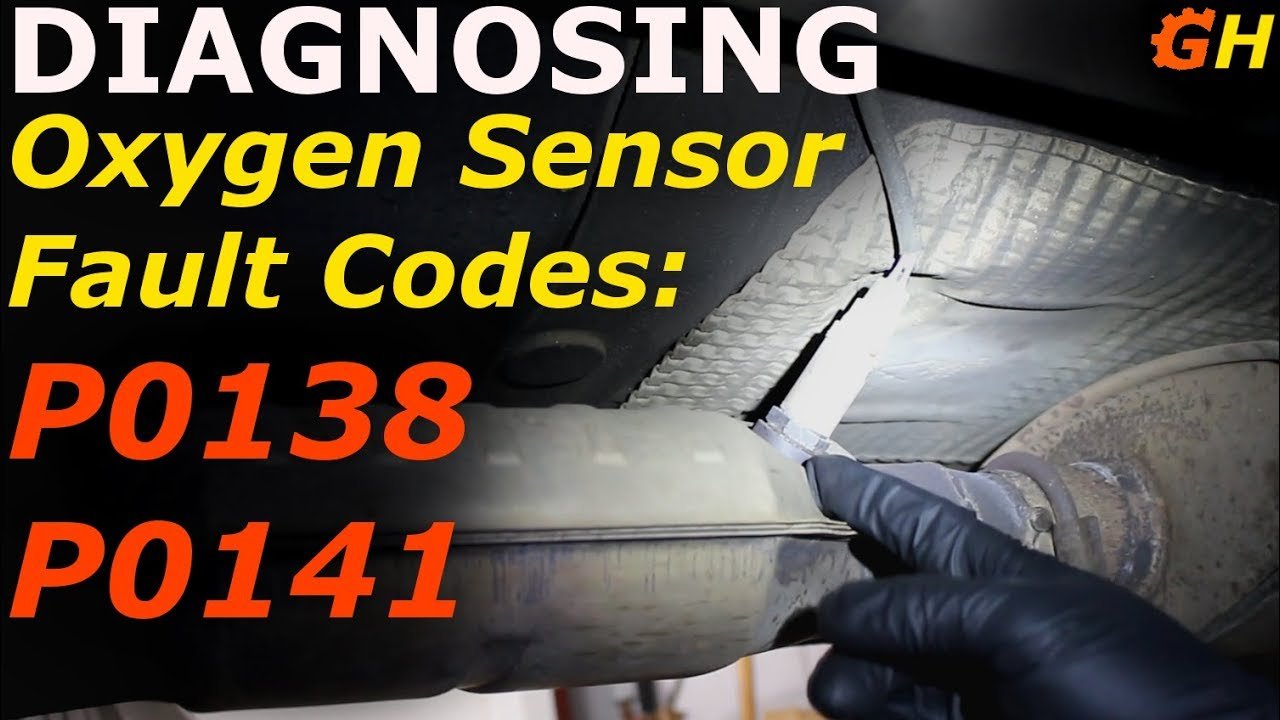
The P0138 code in Jeep vehicles points to a high voltage issue with the oxygen sensor. This problem can cause poor fuel economy and engine performance.
Check the sensor wiring carefully for damage or shorts. Replacing a faulty oxygen sensor often resolves the issue.
Regular maintenance helps prevent this code from appearing. Stay attentive to your Jeep’s signals to keep it running smoothly.
Addressing the P0138 code early saves time and money later.