If you’re seeing the P2504 code pop up on your Jeep’s dashboard, it’s a clear sign that something’s not right with your vehicle’s charging system. This isn’t a warning you want to ignore, your Jeep relies on a stable electrical system to run smoothly.
But don’t worry; understanding what this code means and how it affects your ride can save you from unexpected breakdowns and costly repairs.
You’ll learn exactly what triggers the P2504 code, common symptoms to watch for, and practical steps you can take to fix it.

Keep reading to make sure your Jeep stays reliable and ready for the road ahead.
Symptoms Of P2504 Code
The P2504 code in a Jeep signals a problem with the transmission range sensor. This sensor tells the engine control unit (ECU) the current gear position.
When it fails, the vehicle shows several clear symptoms. Recognizing these signs early helps avoid further damage and costly repairs.
Flashing Check Engine Light
The check engine light often flashes when the P2504 code appears. This warning indicates a serious issue that needs quick attention.
A steady light may turn into a flashing one during engine problems. Ignoring this can lead to bigger mechanical failures.
Engine Stalling And Starting Issues
The Jeep may stall suddenly while driving. Stalling happens because the ECU gets wrong gear signals.
Starting the engine might become difficult or fail completely. These issues often confuse drivers and suggest sensor or wiring trouble.
Declining Fuel Efficiency
Fuel economy usually drops with the P2504 code. The engine runs inefficiently due to incorrect gear data.
More fuel is used than normal, increasing costs. This symptom can appear before other mechanical problems start.
Transmission Shifting Problems
The transmission may shift roughly or hesitate. Gear changes become delayed or do not happen at all.
This happens because the sensor fails to send proper signals. Driving feels jerky and less smooth than usual.

Common Causes Of P2504
The P2504 code on a Jeep signals a charging system problem. This code appears when the voltage output is too high.
Several parts could cause this issue. Understanding these common causes helps in quick diagnosis and repair.
Here are the main reasons for a P2504 code.
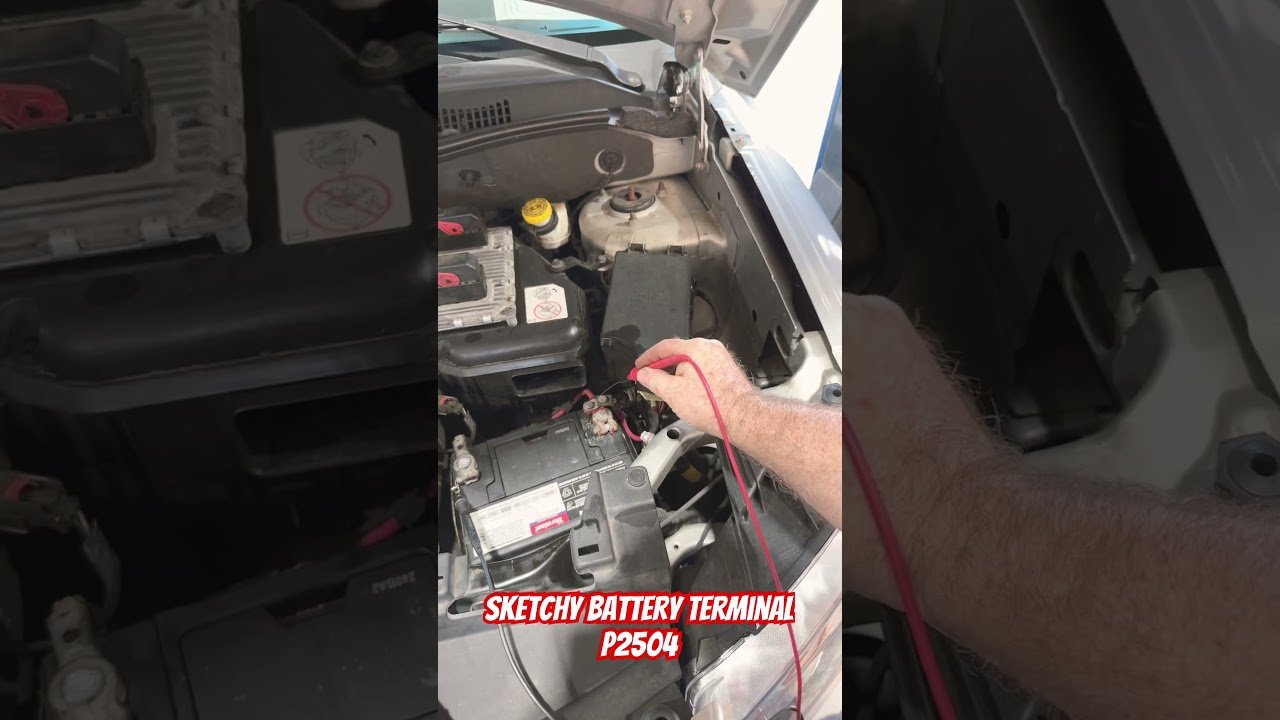
Corroded Or Loose Battery Terminals
Battery terminals with corrosion or looseness can disrupt voltage flow. High resistance at these points confuses the vehicle’s computer.
The system then forces the alternator to produce more voltage to compensate. Cleaning and tightening battery terminals often solves this problem.
Faulty Alternator Or Voltage Regulator
A failing alternator can send irregular voltage to the battery. The voltage regulator controls this output and can also fail.
When either part malfunctions, the system detects abnormal voltage levels. Replacing the bad alternator or regulator usually fixes the P2504 code.
Damaged Wiring Or Fusible Links
Wiring that is damaged, burned, or corroded affects voltage sensing. Fusible links protect the wiring but can fail due to heat or wear.
Faulty wiring or links cause erratic signals to the vehicle’s computer. Inspecting and repairing wiring or replacing fusible links often clears the code.
Pcm Or Tipm Malfunction
The PCM (Powertrain Control Module) or TIPM (Totally Integrated Power Module) controls many electrical functions. These modules can malfunction and send false voltage readings.
This rare issue may require module reprogramming or replacement. A diagnostic scan can confirm this cause.
Diagnosing The P2504 Issue
Diagnosing the P2504 issue on a Jeep requires a careful step-by-step approach. This trouble code points to problems in the charging system voltage.
Understanding the root cause helps prevent further electrical damage.
Start by checking basic components before moving to complex diagnostics. This method saves time and ensures accuracy in repairs.
Inspecting Battery And Terminal Connections
Begin with the battery and its terminals. Corroded or loose connections can cause high resistance.
This resistance forces the alternator to work harder, triggering the P2504 code.
Remove any corrosion using a wire brush. Tighten the terminal clamps securely.
Avoid aftermarket parts that may interfere with proper contact. A clean, tight connection supports stable voltage flow.
Testing Alternator Output
Measure the alternator’s voltage output with a multimeter. The reading should fall within the manufacturer’s specified range, usually around 13.5 to 14.5 volts. Low or high readings indicate alternator problems.
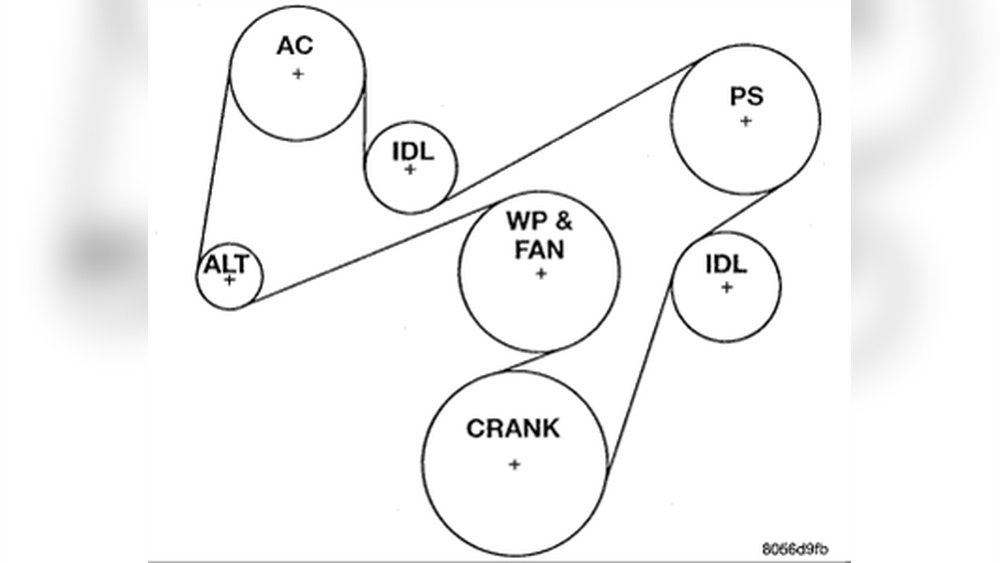
Check for signs of wear or damage on the alternator belt. Replace the alternator if it fails to maintain proper voltage.
Proper charging prevents the battery from draining and avoids triggering error codes.
Checking Wiring Harness And Fuses
Inspect the wiring harness that connects the alternator to the power control module (PCM). Look for frayed, melted, or burnt wires. Damaged wiring can cause erratic voltage signals.
Examine all related fuses for continuity. Replace blown fuses immediately.
Secure all wiring connections to avoid voltage drops or interruptions.
Using Diagnostic Tools For Pcm Analysis
Connect an OBD-II scanner to the Jeep’s diagnostic port. This tool reads live data from the PCM and confirms the presence of the P2504 code. It can also reveal related codes.
Advanced scanners display voltage levels and charging system status. Use this data to identify PCM errors or sensor faults. Accurate PCM analysis guides targeted repairs.
Step-by-step Fixes
Preventive maintenance is key to keeping your P2504 Jeep running smoothly. Taking simple steps can stop problems before they start.
Focus on the battery and electrical system to avoid common issues. Regular care helps extend your Jeep’s life and saves money on repairs.
Regular Battery Terminal Cleaning
Keep battery terminals clean and free from corrosion. Use a wire brush or battery cleaner to remove dirt and rust.
Dirty terminals cause poor connections and can trigger error codes like P2504. Clean terminals improve electrical flow and help your Jeep start better.
Routine Electrical System Checks
Check all electrical connections and wiring regularly. Look for loose, damaged, or frayed wires.
Faulty wiring can cause voltage problems and sensor errors. Inspect connectors and secure them firmly.
Routine checks reduce the chance of electrical failures and warning lights.
Avoiding Aftermarket Wiring Issues
Use only high-quality wiring and parts designed for your Jeep. Aftermarket wiring may not fit well or ground properly.
Poor wiring leads to false signals and charging system errors. Avoid adding extra wires near battery terminals or fuse boxes. Proper wiring ensures stable electrical performance.
Monitoring Charging System Performance
Test the alternator and voltage regularly to spot problems early. Use a multimeter to check voltage output at the battery.
Normal voltage ranges between 13.5 and 14.5 volts while running. Low or high voltage can cause the P2504 code.
Monitoring helps prevent battery drain and electrical faults.
Preventive Maintenance Tips
Knowing when to seek professional help for the P2504 Jeep code saves time and prevents damage. Some issues need expert tools and skills.
Trying to fix complex problems alone can lead to bigger faults. Recognizing signs that require a mechanic ensures safety and proper repairs.
Persistent Or Recurring Codes
When the P2504 code returns after resets, it signals a deeper issue. Simple fixes may not hold.
A professional can use advanced scans to find hidden faults. Persistent codes often mean parts need inspection or replacement.
Complex Electrical Failures
Electrical problems linked to P2504 can be tricky. Faulty wiring or sensors cause these failures.
A mechanic has the right equipment to test circuits safely. DIY attempts risk causing short circuits or more damage.
Pcm Replacement Considerations
The Powertrain Control Module (PCM) controls engine functions. If it malfunctions, replacing it might solve the P2504 code.
This task requires programming and calibration tools. Professionals ensure the new PCM works with your Jeep’s systems.
Advanced Diagnostic Needs
Some P2504 issues need detailed diagnostics beyond basic scanners. Experts use specialized software to analyze data streams.
They can pinpoint subtle faults in fuel systems or sensors. This precision helps avoid unnecessary repairs or part swaps.

Conclusion
The P2504 code on your Jeep signals a charging system voltage issue. This can cause battery warning lights or affect engine performance.
Simple checks like inspecting battery terminals and wiring help find common problems. Fixing these quickly keeps your Jeep running smoothly.
Regular maintenance prevents costly repairs later. Stay attentive to warning signs and act soon.
Your Jeep will thank you with reliable starts and steady power.