If your Jeep’s dashboard suddenly flashes a warning and you check with a scan tool only to see the code P06DE, you’re not alone. Many Jeep owners—from daily drivers to off-road enthusiasts—run into this engine code and wonder what it means, how serious it is, and what they should do next.
Understanding the P06DE code is essential if you want to keep your Jeep running smoothly and avoid expensive repairs down the road.
This article explains what the P06DE Jeep code means, why it appears, and the best ways to diagnose and fix it. You’ll also learn about potential costs, common mistakes to avoid, and how this issue compares to other engine warning codes. Whether you’re a DIY mechanic or just want to be better informed before visiting your local shop, you’ll find practical and clear guidance below.
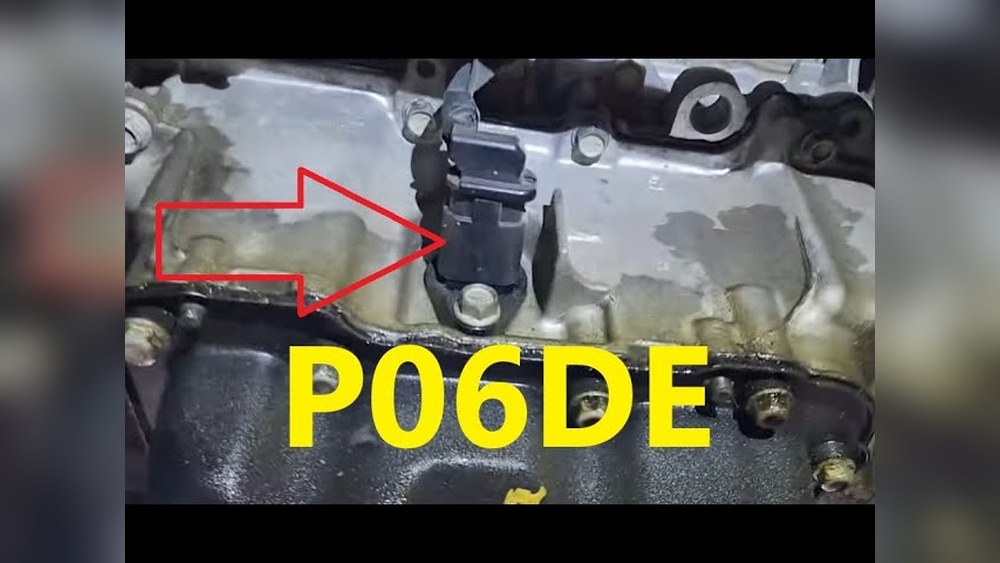
What Does P06de Mean On A Jeep?
The P06DE code is a generic powertrain code, but it’s especially common on Jeep vehicles with the Pentastar V6 engine (such as the 3.6L). The code’s full description is “Engine Oil Pressure Control Circuit Stuck On”.
Your Jeep’s engine uses an oil pump with an electronic solenoid to regulate oil pressure. The engine control module (ECM) expects to see oil pressure rise and fall as needed.
When the ECM detects that the oil pressure control circuit is stuck in the “on” position (meaning oil pressure is too high or not changing as expected), it triggers the P06DE code.
Key facts:
- P06DE indicates an issue with oil pressure regulation.
- Most often seen in newer Jeep models (2012 and later).
- Can be caused by electronic or mechanical faults.
Symptoms Of P06de In Jeep Vehicles
If your Jeep triggers the P06DE code, you might notice one or more of these symptoms:
- Check Engine Light: This is usually the first sign.
- High or Low Oil Pressure Reading: Some Jeeps have oil pressure gauges; others require a scan tool.
- Engine Noise: Ticking, knocking, or louder-than-normal operation, especially at idle.
- Poor Performance: In rare cases, the engine may go into limp mode to prevent damage.
- Oil Leaks: Not always, but sometimes related.
Many drivers do not notice any change except the check engine light. However, ignoring the code can lead to engine damage if oil pressure is truly abnormal.
Main Causes Of P06de Jeep Code
Several issues can trigger the P06DE code. The most common causes are:
- Faulty Oil Pressure Sensor: This sensor sends oil pressure data to the ECM. If it malfunctions, it can falsely trigger the code.
- Oil Pressure Solenoid Failure: The solenoid (on the oil pump) controls oil pressure switching. Wear or electrical problems can cause it to stick “on.”
- Wiring or Connector Problems: Damaged wiring, loose connectors, or corrosion can disrupt signals.
- Oil Pump Issues: Internal pump failure or sticking control valves may lead to oil pressure that’s too high or not variable.
- Wrong or Dirty Oil: Using oil with the wrong viscosity or dirty, old oil can alter oil pressure.
- ECM Software Glitches: Sometimes, a reflash or update is needed to correct faulty logic.
Models And Years Most Affected
The P06DE code is most commonly reported in:
- Jeep Wrangler (especially JK and JL, 2012–2026)
- Jeep Grand Cherokee (WK2, 2011–2026)
- Jeep Cherokee (KL, 2014–2026)
- Jeep Gladiator (JT, 2020+)
- Other FCA vehicles with the 3.6L Pentastar V6 (e.g., Dodge Charger, Chrysler 300)
It’s less common in older Jeep engines or four-cylinder variants.
Diagnosing The P06de Code
Diagnosing the P06DE code can be done at home with the right tools and some patience. Here’s a step-by-step approach:
1. Check Oil Level And Condition
- Make sure oil is at the correct level and not overfilled.
- Examine oil color and texture—dirty or sludgy oil can cause pressure problems.
- Use oil that meets Jeep’s specification (usually 5W-20 or 0W-20 for Pentastar engines).
2. Scan For Additional Codes
- Use an OBD-II scanner to check for related codes (P0520, P0521, etc. ).
- Multiple codes can point to sensor or wiring issues.
3. Inspect Oil Pressure Sensor
- Locate the oil pressure sensor (usually near the oil filter housing).
- Check for oil leaks, damaged wiring, or corroded connectors.
- Test the sensor with a multimeter if you have experience.
4. Measure Actual Oil Pressure
- Install a mechanical oil pressure gauge to verify real oil pressure.
- Compare with Jeep’s specs (typically 15–70 psi depending on engine speed).
5. Examine Oil Pump And Solenoid
- If the sensor is fine, the problem may be inside the oil pump.
- On Pentastar engines, the pump and solenoid are located together and require partial engine disassembly.
6. Check For Service Bulletins
- Jeep has issued technical service bulletins (TSBs) for some P06DE cases.
- Dealers can update ECM software or replace faulty parts under warranty.
Non-obvious insight: Some owners replace the oil pressure sensor only to have the code return. Always verify wiring and connectors first—they are a common, overlooked cause.
Fixing P06de: Solutions And Costs
Once you’ve diagnosed the problem, here are common fixes and what you can expect to pay:
| Repair | Estimated Cost (Parts + Labor) | Difficulty |
|---|---|---|
| Replace Oil Pressure Sensor | $50–$200 | Easy |
| Repair Wiring/Connector | $0–$150 | Moderate |
| Change Oil and Filter | $40–$100 | Easy |
| Replace Oil Pump/Solenoid | $400–$900 | Hard |
| ECM Reflash/Update | $100–$250 | Dealer only |
Tip: Always start with the easiest, cheapest fixes—oil change and sensor replacement—before moving to more expensive repairs.

Common Mistakes To Avoid
Many Jeep owners and even some mechanics make these mistakes when addressing P06DE:
- Ignoring wiring and connectors: Faulty wiring is a hidden cause. Never assume it’s the sensor or pump without checking.
- Using the wrong oil: Using 10W-30 instead of 5W-20 can trigger the code.
- Not clearing the code: After repairs, clear the code with a scanner; it won’t always reset by itself.
- Replacing the oil pump too soon: This is a complex and costly job. Only do it after confirming sensor, wiring, and oil are good.
- Over-tightening connectors: This can break the sensor or cause leaks.
How P06de Compares To Other Jeep Engine Codes
Let’s compare P06DE to two other common Jeep oil-related codes: P0520 and P0521.
| Code | Meaning | Main Cause | Severity |
|---|---|---|---|
| P06DE | Oil Pressure Control Circuit Stuck On | Sensor, Solenoid, Pump, Wiring | Moderate to Severe |
| P0520 | Oil Pressure Sensor Circuit Malfunction | Sensor, Wiring | Moderate |
| P0521 | Oil Pressure Sensor Range/Performance | Sensor, Oil Quality | Moderate |
Non-obvious insight: P06DE often appears together with P0520 or P0521. If you see all three, focus on the sensor and wiring first.

Can You Drive With The P06de Code?
If your Jeep runs smoothly and oil pressure is normal, you can drive short distances to a repair shop. However, do not ignore the code long-term. If you notice engine noise, low power, or an oil pressure warning, stop and have your Jeep towed. Driving with low or uncontrolled oil pressure can destroy your engine in minutes.
Preventing P06de And Similar Oil Pressure Codes
Prevention is always better than repair. Here are steps to reduce your risk of seeing P06DE again:
- Change oil and filter regularly, using the type and grade Jeep recommends.
- Inspect wiring and connectors during routine maintenance.
- Replace the oil pressure sensor every 60,000–100,000 miles, especially if you live in a wet or salty climate.
- Check for software updates at your Jeep dealer, especially if your model has a known TSB.
- Don’t ignore warning signs—investigate oil pressure warnings promptly.
Real-world Example: 2014 Jeep Grand Cherokee
A 2014 Grand Cherokee owner noticed the check engine light and pulled a P06DE code with a basic scanner. The Jeep ran fine, but oil changes were overdue, and the oil was thick and dirty.
After changing the oil and filter with the correct 5W-20 synthetic, the code returned.
Inspection showed the oil pressure sensor was leaking slightly.
After replacing the sensor (a $70 part), the code cleared and did not return. The owner saved hundreds by starting with the basics and only replacing the sensor after checking the oil and filter.
When To Seek Professional Help
If you’ve changed the oil, checked wiring, and replaced the sensor but still see P06DE, it’s time for a professional mechanic. Diagnosing oil pump or solenoid issues requires special tools and knowledge.
Also, if your Jeep is under warranty or there’s an open recall or TSB, let your dealer handle the repairs. Some repairs may be covered for free.
Additional Resources
For more technical information, you can visit the official Jeep Wrangler Wikipedia page for background on engines and systems. Owner forums and YouTube tutorials can also help with DIY repairs, but be careful to follow only trusted sources.
Frequently Asked Questions
What Does P06de Mean On My Jeep Wrangler?
P06DE means your Jeep’s engine control module has detected the oil pressure control circuit is stuck “on.” This usually relates to the oil pressure sensor, oil pump solenoid, or wiring.
How Do I Fix P06de On A Jeep?
Start by checking oil level and quality. Replace the oil and filter if needed.
Inspect and possibly replace the oil pressure sensor. If the code remains, check wiring and connectors, then consider the oil pump or solenoid.
Is It Safe To Drive With A P06de Code?
You can drive short distances if oil pressure is normal and there are no noises or warning lights. But long-term driving is risky—uncontrolled oil pressure can damage your engine quickly.
What Is The Most Common Cause Of P06de On A Jeep?
The most common cause is a faulty oil pressure sensor. Other frequent causes include wiring issues and, less often, a bad oil pump solenoid.
Does The P06de Code Mean I Need A New Oil Pump?
Not always. Many times, the problem is a sensor or wiring issue.
Only replace the oil pump after confirming all other possible causes.
Keeping your Jeep reliable means paying attention to warning signs like the P06DE code. With the right steps, you can solve the problem quickly and avoid bigger headaches later.
Whether you handle it yourself or trust a professional, knowing what this code means helps protect your Jeep—and your wallet.