If you drive a Jeep Wrangler and have seen the P0520 code pop up, you might be wondering what it means and how it affects your ride. This code points to an issue with your engine’s oil pressure sensor, a vital part that keeps your engine running smoothly.
Ignoring it could lead to serious engine damage, but fixing it doesn’t have to be a headache.
You’ll learn exactly what causes the P0520 code, how to diagnose the problem, and what steps you can take to get your Jeep back on the road safely.
Keep reading to protect your engine and avoid costly repairs down the line.
Oil Pressure Sensor Location
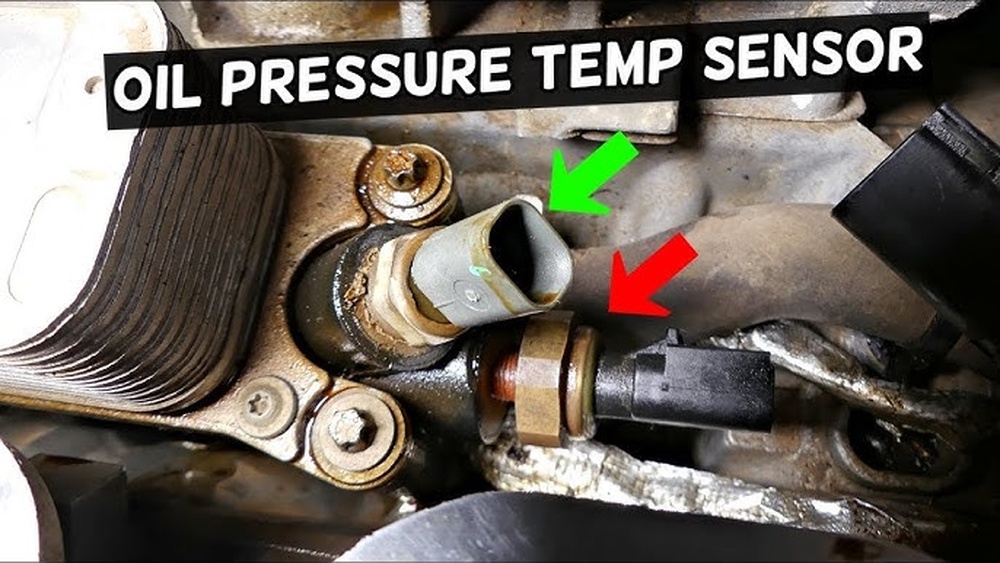
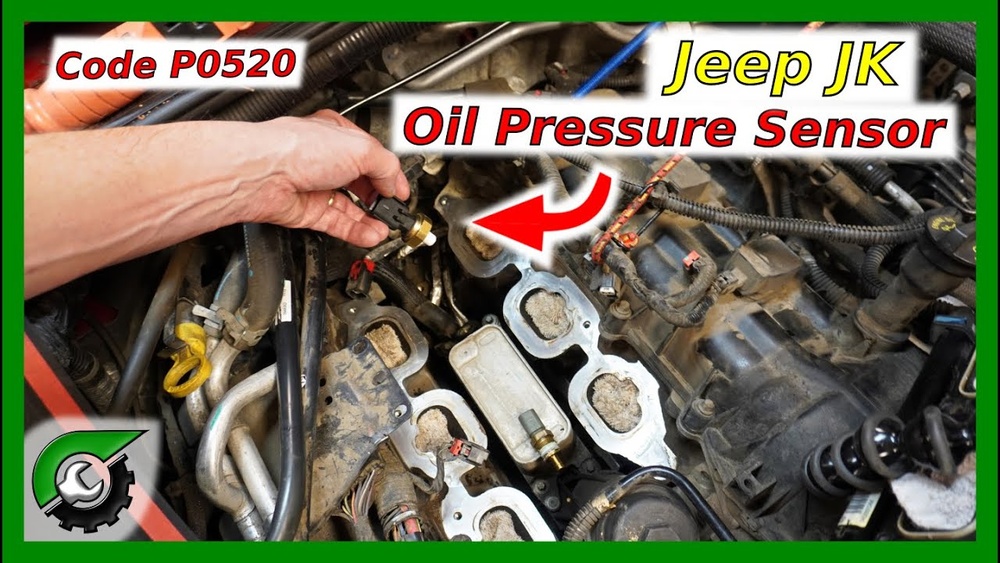
The oil pressure sensor on a Jeep Wrangler plays a important role in monitoring engine oil pressure. Its location can be tricky to find without guidance. Knowing where it sits helps diagnose issues related to the P0520 error code. This sensor sits near the engine, often hidden behind other parts.
Access to the oil pressure sensor requires some basic understanding of the engine layout. It is not directly visible and usually needs a few parts to be removed.
This section guides you on how to locate and reach the sensor safely.
Accessing The Sensor
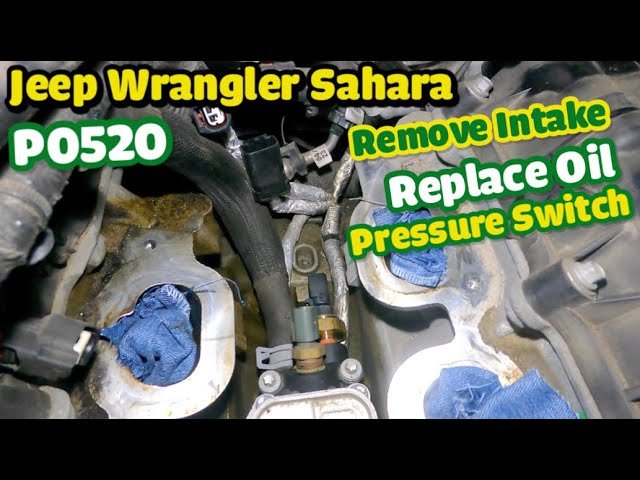
The oil pressure sensor is located on the backside of the lower intake manifold. To reach it, you must first remove the upper intake manifold.
This step clears the path and gives you better visibility and space to work.
Use proper tools to disconnect the intake manifold carefully. Be gentle to avoid damaging gaskets or nearby components.
Once removed, you will see the sensor mounted on the engine block.
Parts To Remove
Begin by removing the air intake tubing connected to the manifold. This helps create room for the upper intake manifold removal.
Next, disconnect any electrical connectors and vacuum lines attached to the manifold.
After that, unbolt the upper intake manifold carefully. Keep track of all bolts and parts for reassembly.
With the manifold out, the oil pressure sensor sits clearly in view, ready for inspection or replacement.

Common Causes Of P0520 Code
The P0520 code on a Jeep Wrangler signals an issue with the engine oil pressure sensor circuit. This warning can appear for several reasons.
Understanding the common causes helps in quick diagnosis and repair.
Ignoring this code can lead to serious engine damage. The engine oil pressure sensor monitors oil flow and pressure.
When it malfunctions, the engine may not get the proper oil supply.
Faulty Oil Pressure Sensor
The oil pressure sensor often fails due to wear or damage. It can get stuck showing a false high or low pressure reading.
This failure triggers the P0520 code. Replacing the sensor usually solves the problem.
Wiring And Connector Issues
Wiring to the sensor can become damaged from heat or vibration. Connectors may loosen or corrode over time.
These issues cause poor signals or shorts in the sensor circuit. Inspecting and fixing wiring restores proper sensor function.
Low Or Dirty Engine Oil
Low oil levels or dirty oil affect pressure readings. Oil sludge can block the sensor or oil passages.
Low oil reduces pressure and triggers the warning light. Regular oil changes and checking levels prevent these problems.
Symptoms And Risks
The P0520 code in a Jeep Wrangler signals an issue with the engine oil pressure sensor. Recognizing symptoms early can prevent serious damage.
Ignoring these signs leads to costly repairs and poor vehicle performance.
Check Engine Light Alerts
The most common symptom is the check engine light turning on. This light often appears suddenly and stays on.
It signals a problem with the oil pressure sensor circuit. The alert warns drivers to address the issue quickly.
Engine Damage Risks
Low or wrong oil pressure readings risk severe engine damage. Without proper oil pressure, engine parts may not get enough lubrication.
This causes overheating, increased wear, and eventual failure. Ignoring the P0520 code can lead to costly engine repairs or replacements.
Performance Issues
A faulty oil pressure sensor can affect engine performance. Drivers may notice rough idling, stalling, or reduced power.
Poor sensor signals can cause the engine control unit to adjust wrongly. This leads to inefficient fuel use and driving problems.
Diagnostic Tools And Techniques
Diagnosing the P0520 code on a Jeep Wrangler requires precise tools and clear techniques. These help identify whether the problem lies with the sensor, wiring, or actual oil pressure.
Using the right methods saves time and prevents unnecessary repairs.
Using A Mechanical Oil Pressure Gauge
A mechanical oil pressure gauge shows the real oil pressure in the engine. Connect it to the engine’s oil port.
Start the engine and watch the gauge. This confirms if the sensor or the engine has a true oil pressure issue. It is a direct and reliable test.
Scanning For Trouble Codes
Use an OBD-II scanner to read stored trouble codes. The scanner reveals P0520 and other related codes. These codes help pinpoint the sensor or wiring faults. Scan the vehicle’s computer system before any repairs. It guides your next diagnostic steps clearly.
Visual Inspection Of Wiring
Check the wiring harness connected to the oil pressure sensor. Look for cracks, corrosion, or loose connectors.
Damaged wiring can cause false sensor readings. Clean and secure all connections.
Replace any worn or broken wires to ensure proper signal flow.
Quick Fixes For P0520
The P0520 code on a Jeep Wrangler signals an issue with the engine oil pressure sensor circuit. Quick fixes can often solve this problem without costing much.
These fixes focus on the most common causes like low oil, sensor failure, or wiring issues. Acting fast helps protect your engine from damage due to incorrect oil pressure readings.
Topping Off Or Changing Engine Oil
Low or dirty engine oil can trigger the P0520 code. Check the oil level first using the dipstick.
Add oil if the level is low. Use the type recommended in your Jeep’s manual.
Old or contaminated oil affects sensor readings. Change the oil and filter if it looks dirty or has not been replaced on time.
Fresh oil helps maintain proper pressure and sensor function.
Replacing The Oil Pressure Sensor
The oil pressure sensor may fail and send wrong signals to the computer. Locate the sensor, usually near the lower intake manifold.
Removing the upper intake may be needed for access. Disconnect the battery before replacement.
Unscrew the old sensor carefully. Install a new sensor and tighten it securely.
Reconnect the battery and clear the code. This simple swap can fix the P0520 code quickly.
Repairing Wiring Harness
Damaged wiring to the sensor can cause circuit malfunctions. Inspect the wiring harness for cracks, burns, or loose connections.
Repair any damaged wires using proper connectors and insulation tape. Make sure the harness is not rubbing against hot engine parts.
Secure loose wires to prevent future damage. A solid wiring connection restores accurate sensor signals and resolves the error code.
Step-by-step Sensor Replacement
Replacing the oil pressure sensor on a Jeep Wrangler can improve engine performance and prevent damage. This guide breaks down the process into clear steps.
Each step focuses on one part of the replacement to keep it simple.
Follow these instructions carefully. Take your time and work safely.
You will need basic tools and a replacement sensor. Let’s start with removing the upper intake manifold to access the sensor.
Removing The Upper Intake Manifold
First, disconnect the battery to avoid electrical issues. Remove any plastic covers blocking the intake manifold.
Carefully unplug all electrical connectors attached to the manifold.
Next, loosen and remove the bolts holding the upper intake manifold. Lift the manifold slowly to avoid damaging gaskets or hoses.
Set the manifold aside on a clean surface.
Detaching The Old Sensor
Locate the oil pressure sensor on the lower intake manifold. Use a wrench to carefully unscrew the old sensor.
Disconnect the wiring harness by pressing the clip and pulling gently.
Check the sensor area for dirt or oil buildup. Clean the spot to ensure a good seal for the new sensor.
Installing The New Sensor
Compare the new sensor with the old one to confirm a match. Screw the new sensor into the port by hand to avoid cross-threading.
Tighten it securely with a wrench, but do not over-tighten.
Reconnect the wiring harness to the new sensor until it clicks. Make sure the connection is firm and secure.
Reassembling Components
Place the upper intake manifold back in position. Replace the gaskets if damaged or worn.
Tighten the manifold bolts evenly to the specified torque.
Reconnect all electrical connectors and any hoses removed earlier. Reinstall any plastic covers removed at the start.
Finally, reconnect the battery and test the engine for leaks or warning lights.
Cost And Time Estimates
Understanding the cost and time needed to fix the P0520 code on a Jeep Wrangler is important. This error relates to the oil pressure sensor, a key part of the engine’s health.
Repair costs vary based on parts and labor. The time required depends on the repair method and mechanic experience.
Breaking down these factors helps plan the repair effectively.
Parts Pricing
The oil pressure sensor price ranges from $20 to $70. Prices depend on brand and model year of the Jeep Wrangler.
OEM parts cost more but fit better. Aftermarket sensors are cheaper but may last less.
Additional parts like gaskets or wiring may add to the cost.
Labor Costs
Labor fees for fixing the P0520 code vary widely. Mechanics charge between $80 and $150 per hour.
The job usually takes 1 to 2 hours. Some models require removing engine parts, which increases labor time.
Dealerships charge more than independent shops. Expect a total labor cost between $100 and $300.
Diy Vs Professional Repair
DIY repair saves money but needs tools and skill. Removing the intake manifold may be necessary.
This task can take 2 to 3 hours for a beginner. Mistakes risk engine damage or sensor failure.
Professional repair costs more but ensures correct installation. Choosing depends on your comfort and experience.
Preventive Maintenance Tips
Keeping your Jeep Wrangler’s oil pressure sensor in good shape helps avoid costly repairs. Preventive maintenance is key to spotting issues early.
Simple checks and timely replacements improve sensor life and engine health.
Regular Oil Changes
Change your oil on schedule to keep the sensor working well. Clean oil flows smoothly and helps the sensor read pressure accurately.
Dirty or low oil can cause wrong sensor signals and engine damage. Use the right oil type recommended for your Jeep Wrangler.
Wiring Checks
Inspect wiring connected to the oil pressure sensor regularly. Look for cracks, frays, or loose connectors that affect sensor signals.
Damaged wiring can cause false error codes or sensor failure. Fix any wiring issues quickly to maintain reliable sensor performance.
Sensor Inspection Intervals
Follow your Jeep’s manual for sensor inspection timing. Checking the sensor at set intervals prevents unexpected failures.
Replace the sensor if it shows signs of wear or inconsistent readings. Regular inspections keep your engine running smoothly and avoid sudden breakdowns.
When To Seek Professional Help
Knowing when to seek professional help for the P0520 error code on your Jeep Wrangler is vital. This code signals an issue with the engine oil pressure sensor circuit.
Some problems may seem minor but can lead to serious engine damage if ignored. Early intervention can save you time and money.
Persistent Warning Lights
The oil pressure warning light stays on despite resets or repairs. This persistence means the sensor or wiring might be faulty.
It could also indicate low oil pressure, which can harm the engine. A professional mechanic can diagnose the root cause accurately.
Unusual Engine Noises
Strange sounds like knocking or ticking from the engine deserve attention. These noises often point to oil pressure problems affecting lubrication.
Continuing to drive with these symptoms risks severe engine damage. A trained technician can inspect and fix the issue safely.
Failed Diy Repairs
Attempting to fix the P0520 code yourself can be tricky. If your repair efforts do not clear the warning or the problem returns, seek help.
Professionals have specialized tools and knowledge to handle complex sensor and wiring issues. Avoid further damage by trusting expert service.
How Do You Fix A P0520 Code On A Jeep?
To fix a P0520 code on a Jeep, check and top off engine oil. Replace the faulty oil pressure sensor if needed.
Inspect wiring for damage or corrosion. Use a mechanical gauge to verify true oil pressure before replacing parts.
How Much Does It Cost To Replace The Oil Pressure Sensor On A Jeep Jk?
Replacing the oil pressure sensor on a Jeep JK typically costs between $100 and $200. Labor fees vary due to sensor location.
Can A Bad Oil Filter Cause A P0520 Code?
A bad oil filter can restrict oil flow, causing low pressure and triggering a P0520 code. Replace the filter to fix it.
Can I Drive With A Bad Oil Pressure Sensor Switch?
Driving with a bad oil pressure sensor switch risks missing low oil pressure warnings. Check oil levels immediately.
Repair or replace the sensor promptly to avoid severe engine damage.
Conclusion
The P0520 code in your Jeep Wrangler signals an oil pressure sensor problem. Ignoring it risks engine damage and costly repairs.
Check the sensor, wiring, and oil level carefully. Fixing these issues early keeps your Jeep running smoothly.
Regular maintenance helps prevent this error from returning.
Stay alert and address the code quickly to protect your engine’s health.