If you’ve ever seen the P0442 code pop up on your Jeep’s dashboard, you know how frustrating it can be. This code points to a small leak in your vehicle’s EVAP system, which controls fuel vapors and emissions.
While it might sound minor, ignoring it could lead to failed emissions tests or that persistent check engine light that just won’t go away.
But don’t worry understanding what causes the P0442 Jeep code and how to fix it can save you time, money, and stress.
Keep reading, and you’ll discover easy steps to diagnose the problem and get your Jeep back on the road smoothly.
P0442 Code Basics
The P0442 code is a common issue for Jeep owners. It relates to the vehicle’s evaporative emission control system.
Understanding this code helps you know what to expect and how to address it.
This section breaks down the basics of the P0442 code. You will learn what the code means, why it triggers the check engine light, and how it affects your Jeep’s performance.
What The Code Means
The P0442 code means there is a small leak in the EVAP system. EVAP stands for evaporative emission control.
This system stops fuel vapors from escaping into the air.
The code signals that the system detected a tiny leak. The leak is usually from a loose gas cap or a cracked hose.
It does not mean a major fuel leak.
Why It Triggers The Check Engine Light
The check engine light turns on to warn you about the leak. Even small leaks affect emissions and pollution control.
The vehicle’s computer monitors the EVAP system closely.
When the system finds a leak, it stores the P0442 code. It then turns on the check engine light.
This alerts you to fix the problem soon.
Impact On Vehicle Performance
The P0442 code usually does not cause drivability problems. Your Jeep will run normally most of the time.
You might not notice any change in fuel economy or power.
The main impact is on emissions. The small leak lets fuel vapors escape, which harms the environment.
Also, the check engine light can fail your vehicle’s emissions test.
Common Causes
The P0442 code on a Jeep points to a small leak in the EVAP system. This system controls fuel vapors and keeps the environment safe.
Several parts can cause this code to appear. Understanding these common causes helps with quick fixes and proper repairs.
Loose Or Damaged Gas Cap
The gas cap seals the fuel tank and keeps vapors inside. A loose or damaged cap allows vapors to escape.
This is the simplest cause of the P0442 code. Tightening or replacing the cap often clears the code fast.
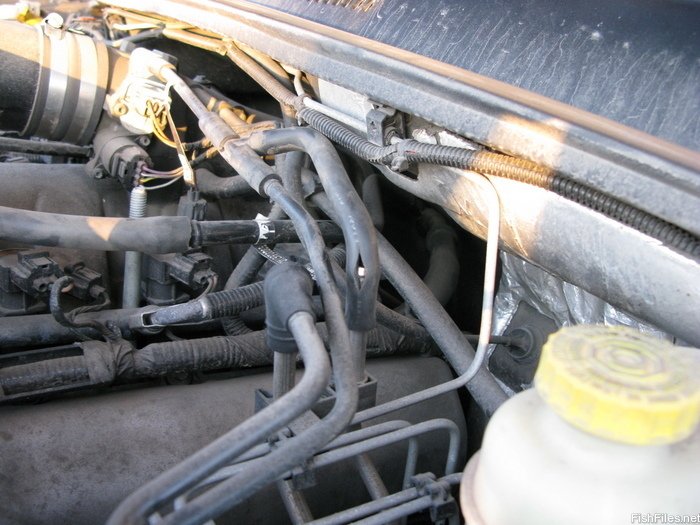
Cracked Evap Hoses
EVAP hoses carry fuel vapors to the engine and charcoal canister. These hoses can crack or dry out over time.
Cracks create small leaks that trigger the code. Inspecting and replacing damaged hoses solves the problem.
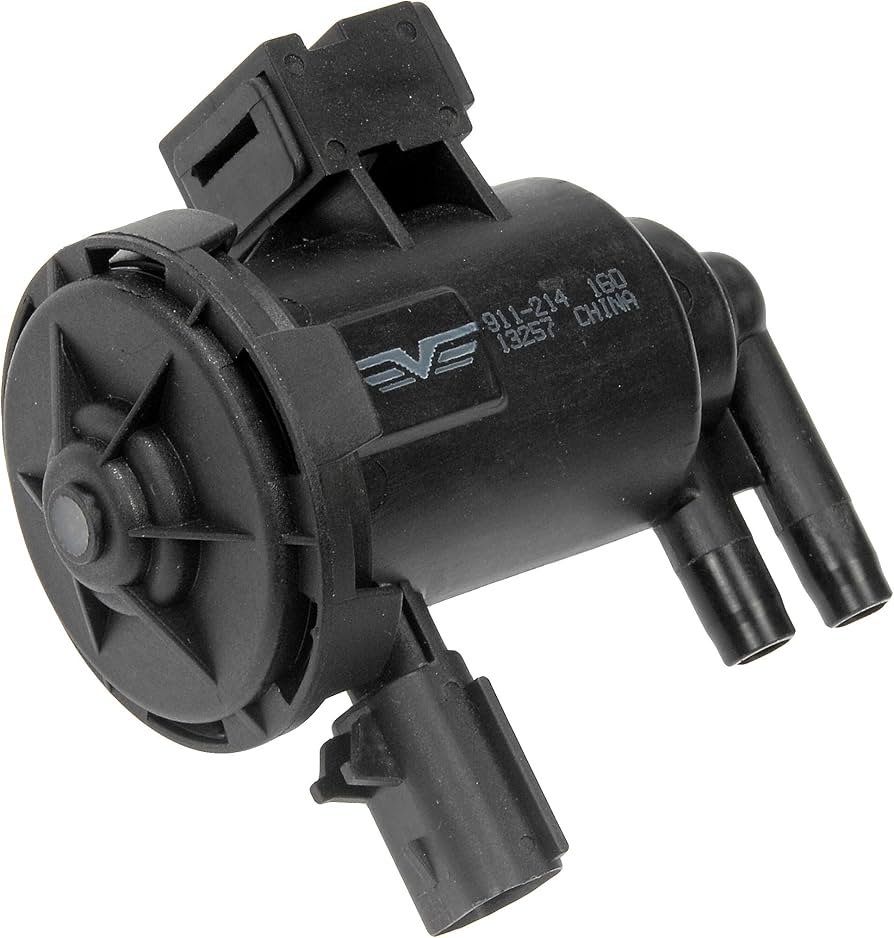
Faulty Purge Valve
The purge valve controls vapor flow from the charcoal canister to the engine. A stuck or broken valve causes leaks.
It may fail to open or close properly. Testing and replacing the valve can fix the issue.
Vent Valve Problems
The vent valve lets fresh air into the EVAP system. If it malfunctions, pressure builds up and causes leaks.
Dirt or damage often causes vent valve failures. Cleaning or replacing it restores proper function.
Charcoal Canister Damage
The charcoal canister stores fuel vapors before they enter the engine. Off-road driving or age can crack the canister.
A damaged canister leaks vapors and triggers the code. Replacing the canister is necessary in this case.
Simple Fixes
Simple fixes can often solve the P0442 error code on your Jeep. This code points to a small leak in the EVAP system.
The repairs usually do not need special tools. Basic checks and part replacements can clear the issue quickly.
Checking And Tightening The Gas Cap
The gas cap is the easiest part to check first. A loose or improperly sealed cap often causes the P0442 code.
Turn off your engine and open the gas tank lid. Remove the cap and then tighten it firmly until it clicks.
This ensures a good seal. After tightening, drive your Jeep for a few miles.
The check engine light may turn off if this was the problem.
Replacing Worn Gas Caps
Gas caps wear out over time and lose their sealing ability. Look for cracks or damaged rubber seals on the cap.
Replace the gas cap with a new one made for your Jeep model. A new cap seals better and prevents fuel vapor leaks.
This simple swap can often fix the EVAP leak code quickly and cheaply.
Inspecting And Replacing Evap Hoses
EVAP hoses carry fuel vapors from the tank to the engine. These hoses can crack or dry out with age.
Inspect all visible EVAP hoses near the fuel tank and charcoal canister. Look for splits, cracks, or loose connections.
Replace any damaged hoses with new OEM parts. Secure all connections tightly to prevent leaks.
Fixing the hoses stops vapors from escaping and clears the P0442 code.
Advanced Repairs
Advanced repairs for the P0442 code in Jeep vehicles require precision and careful diagnosis. This code signals a small leak in the evaporative emission control system (EVAP).
Simple fixes like tightening the gas cap might not always work. Some repairs need deeper inspection and replacement of key parts.
These repairs ensure your Jeep runs clean and meets emission standards.
Testing And Replacing Purge And Vent Valves
The purge and vent valves control vapor flow from the fuel tank to the engine. Testing these valves involves checking for proper opening and closing using a multimeter or vacuum gauge.
Faulty valves can cause leaks and trigger the P0442 code. Replacement is straightforward but requires careful removal of old valves and installation of new ones to prevent leaks.
Charcoal Canister Replacement
The charcoal canister traps fuel vapors before they reach the atmosphere. Over time, it can crack or clog, causing leaks.
Inspect the canister for visible damage or saturation with fuel. Replacing it restores the EVAP system’s ability to capture vapors effectively.
Use a high-quality replacement to ensure durability and proper function.
Fuel Tank And Vapor Line Inspection
Inspect the fuel tank and vapor lines for cracks, holes, or loose connections. These parts are prone to wear, especially in off-road Jeeps.
Look closely at rubber hoses and plastic fittings near the tank and charcoal canister. Replace damaged lines or fittings to seal the system fully.
A thorough inspection helps avoid future leaks and code triggers.
Diagnostic Techniques
Diagnosing the P0442 code on a Jeep requires precise and careful techniques. This code signals a small leak in the EVAP (Evaporative Emission Control) system.
Pinpointing the leak helps prevent emissions problems and keeps the Jeep running smoothly.
Several diagnostic methods help identify the cause of the P0442 code. These methods range from simple inspections to specialized equipment.
Each technique reveals specific information about the EVAP system’s condition.
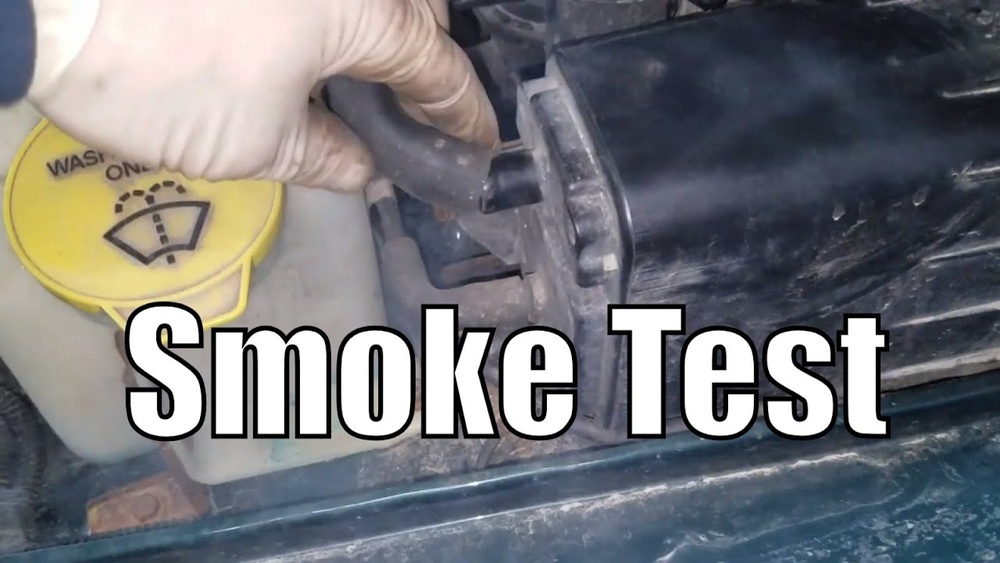
Using A Smoke Machine For Leak Detection
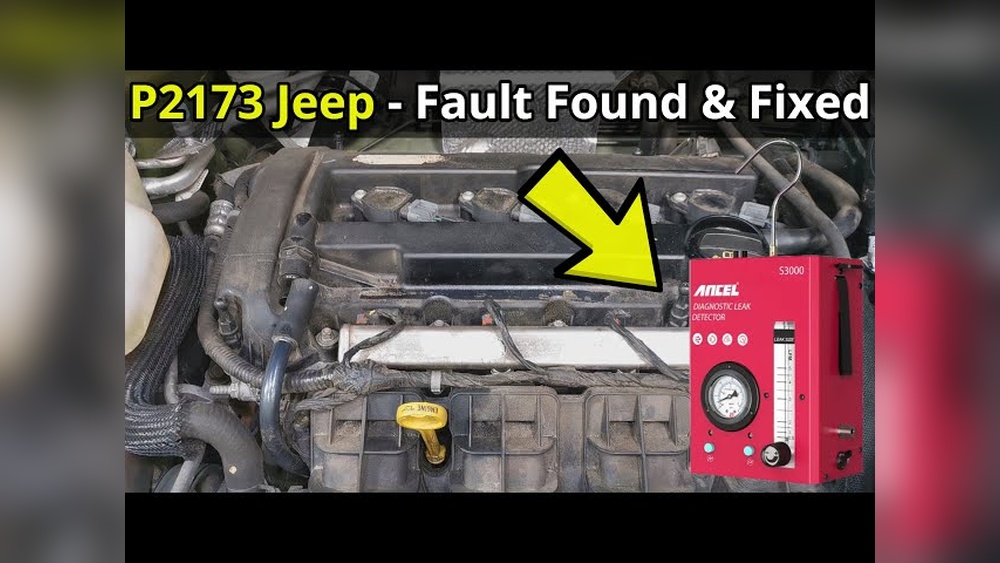
A smoke machine is a valuable tool for finding EVAP leaks. It pumps smoke into the fuel vapor system.
The smoke escapes through leaks, making them visible to the mechanic. This method finds even very small cracks or holes.
Mechanics connect the smoke machine to the EVAP test port. They watch carefully for smoke coming out from hoses, valves, or the charcoal canister.
This technique saves time by quickly locating hidden leaks.
Visual And Manual Inspections
Visual checks are the first step in diagnosing the P0442 code. Mechanics look for loose or damaged gas caps.
They also inspect EVAP hoses for cracks or dry rot. Manual checks include feeling hoses for brittleness or disconnections.
This method helps identify common problems like worn-out gas caps or slipped hoses. Visual inspections are simple but effective in many cases.
They prevent unnecessary use of advanced diagnostic tools.
Reading And Clearing Codes
Using an OBD-II scanner helps read the P0442 code and other related codes. The scanner shows trouble codes stored by the vehicle’s computer. Clearing codes after repairs helps confirm if the issue is fixed.
Mechanics use scanners to monitor system readiness and check for new codes. Repeated codes indicate unresolved leaks.
Reading and clearing codes is a routine but important part of the diagnostic process.
Preventing Future Issues
Preventing future P0442 error codes on your Jeep starts with careful attention to the EVAP system. This system controls fuel vapors and keeps them from escaping into the air.
Small leaks can cause the check engine light to come on. Taking simple steps can protect your vehicle and avoid costly repairs.
Regular Maintenance Tips
Check your gas cap often for cracks or damage. Replace it if it does not seal tightly.
Inspect EVAP hoses for cracks or loose connections. Clean or replace parts as needed to keep vapors sealed.
Schedule routine inspections with a trusted mechanic. Early detection helps prevent bigger problems.
Protecting Evap Components Off-road
Off-road driving can damage the EVAP system. Rocks and debris may crack the charcoal canister or hoses.
Use protective shields or guards if you drive on rough trails. Avoid sharp impacts near the fuel tank area.
After off-road trips, inspect the system for signs of damage. Quick repairs stop leaks from worsening.
Proper Gas Cap Usage
Always tighten the gas cap until it clicks. This ensures a tight seal in the EVAP system.
Avoid over-tightening, which can damage the cap or threads. Replace the gas cap with the correct type for your Jeep.
A poor-fitting cap causes leaks and triggers error codes. Check the cap after refueling to keep it secure.
When To See A Mechanic
Knowing when to see a mechanic for a P0442 Jeep code can save time and money. This code points to a small leak in the EVAP system.
Some signs go beyond the simple check engine light. Understanding these signs helps you decide if professional help is necessary.
Complex repairs often need special tools and skills. Cost is another factor to consider before attempting a fix yourself.
Signs Beyond The Check Engine Light
The check engine light is the first sign of a P0442 issue. Other signs include a strong smell of gasoline around the vehicle.
You might notice rough idling or poor fuel economy. Strange sounds near the fuel tank or charcoal canister can also appear.
These signs suggest a leak bigger than a loose gas cap. They mean the problem needs quick attention from a mechanic.
Complex Repairs Best Left To Professionals
Fixing a P0442 code can involve many parts. The EVAP system has hoses, valves, and the charcoal canister.
Some parts may be hard to reach or fragile. A mechanic has the right tools to find the leak.
They use smoke machines to spot hidden issues quickly. Trying complex repairs without knowledge can cause more damage.
Trusting a professional ensures the repair is done right.
Cost Considerations
Repair costs vary based on the problem’s cause. A loose gas cap is cheap to fix.
Replacing hoses or valves costs more. The charcoal canister is usually the most expensive part to replace.
Labor costs add up if the repair is complex. Seeing a mechanic early can prevent bigger, costly problems.
Weigh repair costs against the risk of ignoring the issue.

Conclusion
The P0442 code signals a small EVAP system leak in your Jeep. Checking the gas cap is a simple first step.
Inspect hoses and valves for cracks or damage next. Mechanics often use smoke machines to find hidden leaks.
Fixing these issues keeps your Jeep running clean and passes emissions tests.
Don’t ignore this code; it helps prevent bigger problems later. Regular care ensures better performance and fewer warning lights.
Stay proactive to keep your Jeep in top shape.