If your Jeep Grand Cherokee’s check engine light just popped on and you spotted the P0420 code, you’re probably wondering what it means and how serious it is.
This code points to a problem with your vehicle’s catalytic converter or oxygen sensors, parts that are key to keeping your engine running clean and efficient.
Ignoring this issue could lead to poor fuel economy, failed emissions tests, or even more costly repairs down the road.
But don’t worry help you understand what triggers the P0420 code, how to diagnose the problem, and what fixes you can try to get your Jeep back on the road smoothly.
Keep reading to take control of your vehicle’s health before the problem gets worse.
P0420 Code Explained
The P0420 code on a Jeep Grand Cherokee points to low efficiency in the catalytic converter. This code triggers when the vehicle’s computer detects poor performance from the emission control system. Several common issues can cause this trouble code, affecting your Jeep’s emissions and engine function.
Understanding these common causes helps in diagnosing and fixing the problem quickly. The most frequent culprits include the catalytic converter itself, oxygen sensors, exhaust leaks, and engine misfires.
Each can impact the vehicle’s ability to control emissions effectively.
Catalytic Converter Issues
The catalytic converter cleans harmful gases from exhaust. Over time, it can wear out or get damaged.
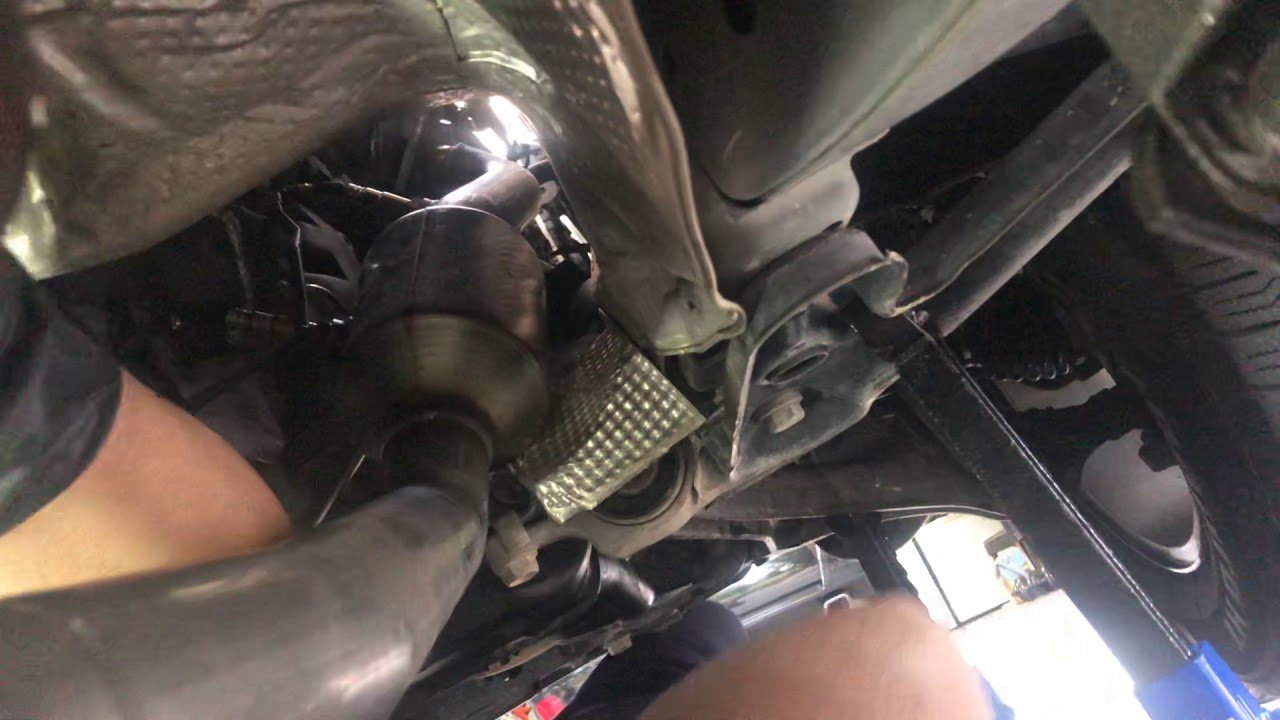
A clogged or broken converter reduces efficiency. It may fail to convert gases properly, triggering the P0420 code.
Heat damage or contamination by fuel can also harm the converter. Replacing a faulty catalytic converter often solves the problem.
Faulty Oxygen Sensors
Oxygen sensors measure oxygen levels in exhaust gases. The engine control unit uses this data to adjust fuel mixture.
Faulty sensors send wrong signals, causing poor fuel control.
Bad sensors may lead to incorrect readings of catalytic converter efficiency. Replacing the oxygen sensors can clear the code and restore proper function.
Exhaust Leaks
Leaks in the exhaust system let extra air in or allow gases to escape. This disrupts sensor readings.
Even small leaks near the catalytic converter affect performance.
Common leak points include the exhaust manifold, pipes, and joints. Fixing leaks restores correct exhaust flow and sensor accuracy.
Engine Misfires
Misfires cause unburned fuel to enter the exhaust system. This raw fuel can overheat and damage the catalytic converter.
Misfires also reduce engine power and increase emissions.
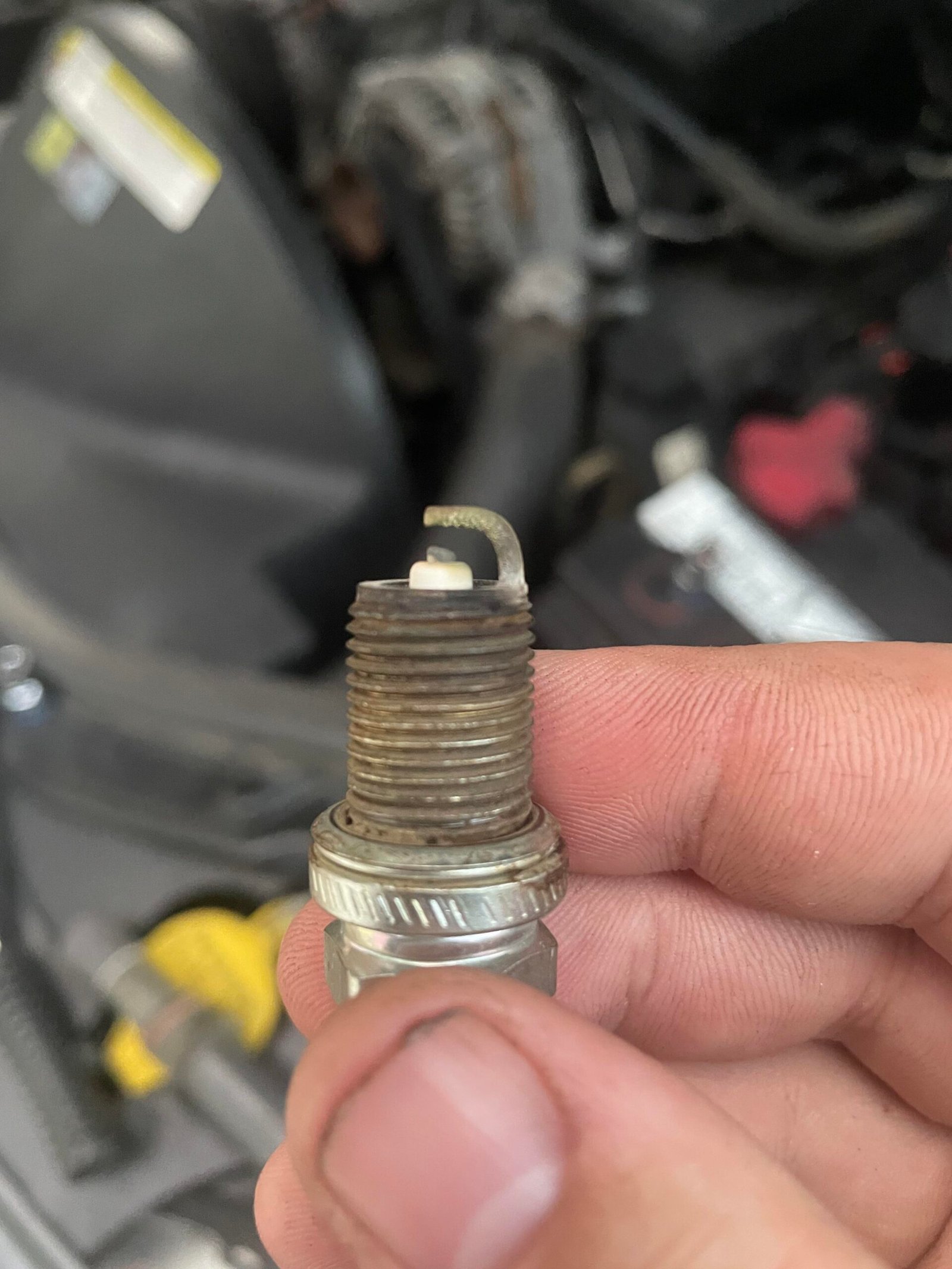
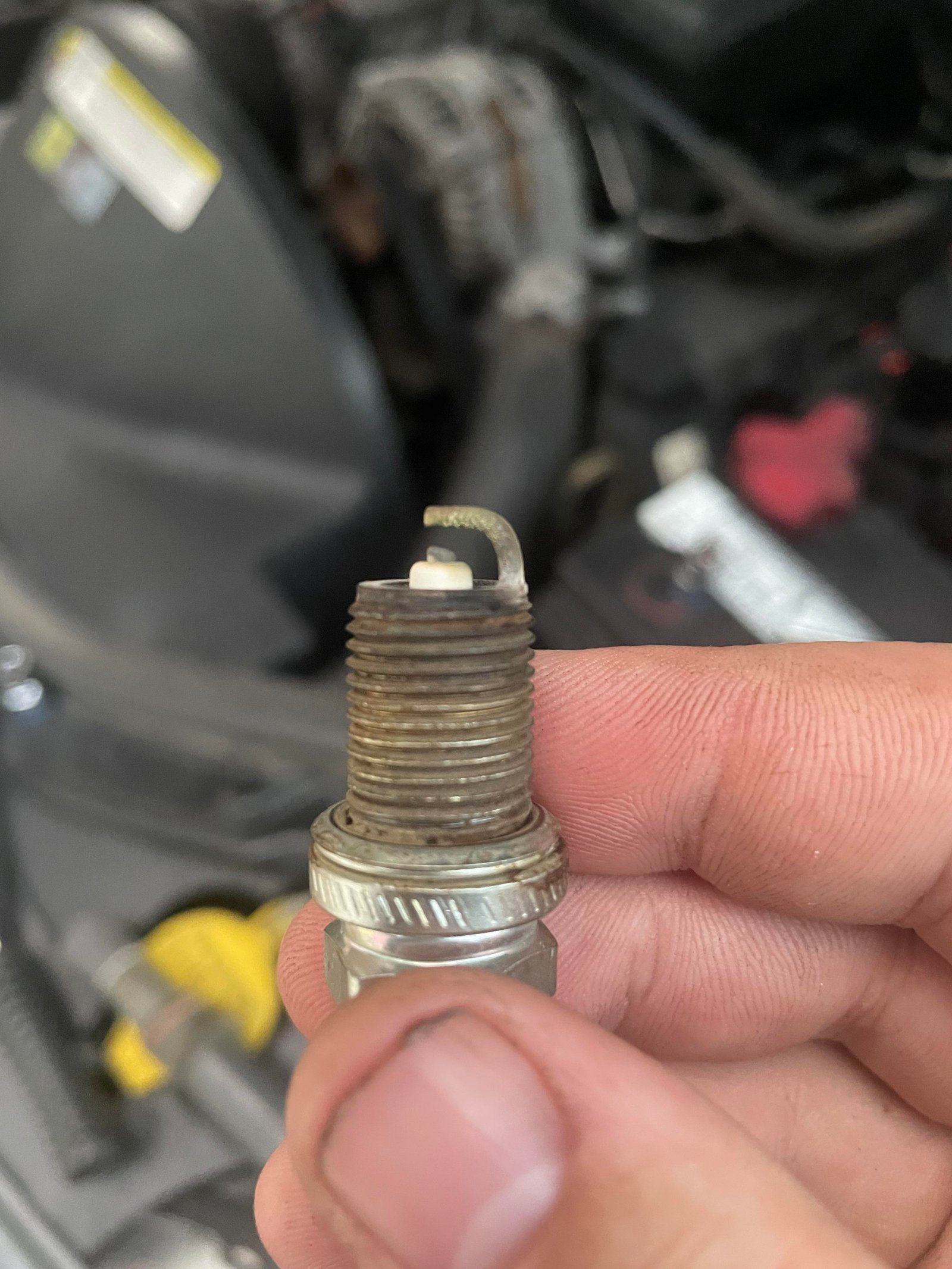
Causes of misfires include faulty spark plugs, ignition coils, or fuel injectors. Repairing misfires protects the catalytic converter and resolves the P0420 code.

Common Causes
Fixing the P0420 code on your Jeep Grand Cherokee requires a clear plan. This code points to an issue with the catalytic converter or related parts. Follow these step-by-step fixes to diagnose and solve the problem. Each step targets a common cause behind the code.
Repairing Exhaust Leaks
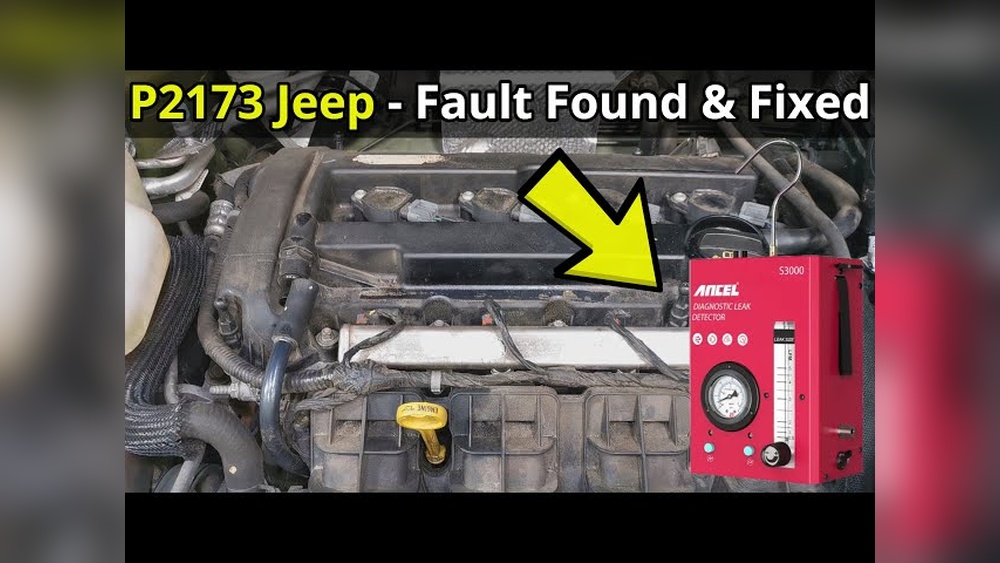
Start by checking for exhaust leaks around the manifold, pipes, and catalytic converter. Leaks can cause false readings in the oxygen sensors.
Use a smoke test or listen for hissing sounds. Repair any leaks found by tightening bolts or replacing gaskets.
A sealed exhaust system helps sensors work correctly and may clear the code.
Replacing Oxygen Sensors
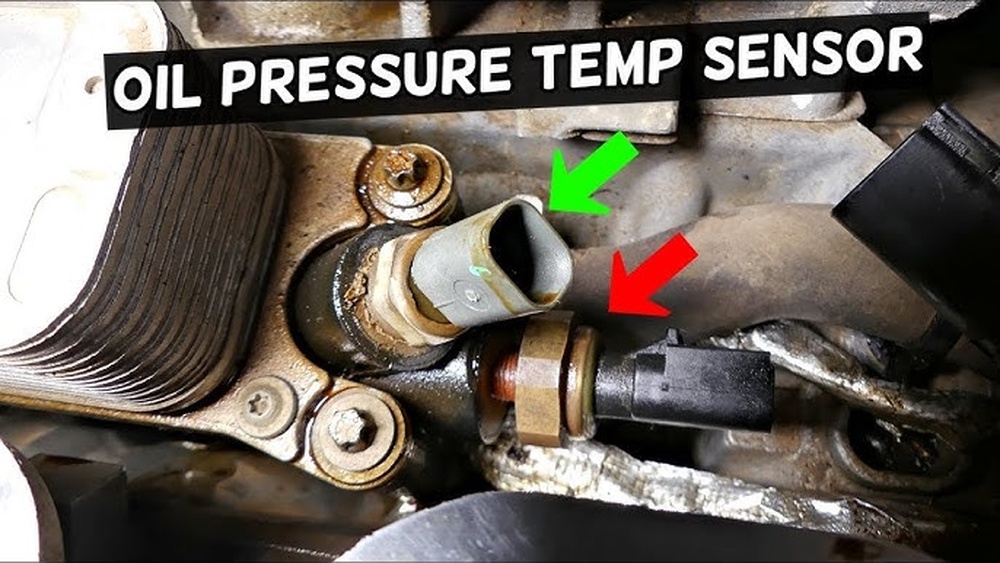
Oxygen sensors monitor the exhaust gases and help control emissions. Faulty sensors often trigger the P0420 code.
Identify the upstream and downstream sensors near the catalytic converter. Remove old sensors carefully with the right tools.
Install new, compatible sensors designed for your Jeep model. Reset the code and test drive to see if the issue resolves.
Addressing Engine Misfires
Engine misfires can send raw fuel into the exhaust. This damages the catalytic converter and causes error codes.
Check spark plugs, ignition coils, and fuel injectors for faults. Replace any worn or damaged parts.
Fixing misfires reduces unburned fuel and protects the catalytic converter’s efficiency. Clear the code after repairs and monitor engine performance.
Catalytic Converter Replacement Tips
When the catalytic converter is worn or damaged, replacement is necessary. Choose a high-quality replacement part that fits your Jeep Grand Cherokee.
Avoid cheap converters, as they may fail quickly. Have a professional install the new converter to ensure proper fit and function.
After installation, clear the code and drive normally to reset the system.
Symptoms To Watch For
Maintaining your Jeep Grand Cherokee helps avoid the P0420 code and keeps the vehicle reliable. Proper care extends engine life and prevents costly repairs.
Focus on key maintenance tasks to ensure smooth operation.
Regular Engine Tune-ups
Schedule engine tune-ups every 30,000 miles or as recommended. Replace spark plugs, air filters, and fuel filters during these visits.
A well-tuned engine burns fuel efficiently and reduces emissions. This lowers the risk of triggering the P0420 code.
Fuel Quality And Additives
Use high-quality fuel to keep the catalytic converter healthy. Low-grade fuel can cause deposits and clog the system.
Adding fuel system cleaners occasionally helps remove buildup. Clean fuel improves combustion and sensor readings.
Monitoring Sensor Health
Check oxygen sensors regularly for proper function. Faulty sensors can cause incorrect fuel mixture and damage the catalytic converter.
Replace sensors as soon as symptoms appear, such as rough idling or poor fuel economy. Healthy sensors prevent false P0420 codes.
Conclusion
The P0420 code on your Jeep Grand Cherokee points to a catalytic converter or sensor issue. Fixing it early helps avoid bigger problems and costly repairs.
Start by checking for exhaust leaks and faulty oxygen sensors. Use quality parts made for your Jeep model.
Regular maintenance keeps your vehicle running smoothly and reduces emissions. Don’t ignore warning signs; they protect your engine and the environment.
Stay alert and address the code to keep your Grand Cherokee in top shape.