If your Jeep’s check engine light just popped on and you spotted the code P0339, you’re probably wondering what it means and how it affects your ride. This code points to a problem with your crankshaft position sensor circuit, a key player in keeping your engine running smoothly.
Ignoring this issue can lead to engine stalling, rough idling, or even trouble starting your Jeep. But don’t worry you’re in the right place to understand exactly what’s going on, why it happens, and what you can do to fix it.
Keep reading to take control of your Jeep’s performance and avoid costly repairs down the road.
Symptoms Of P0339 Code
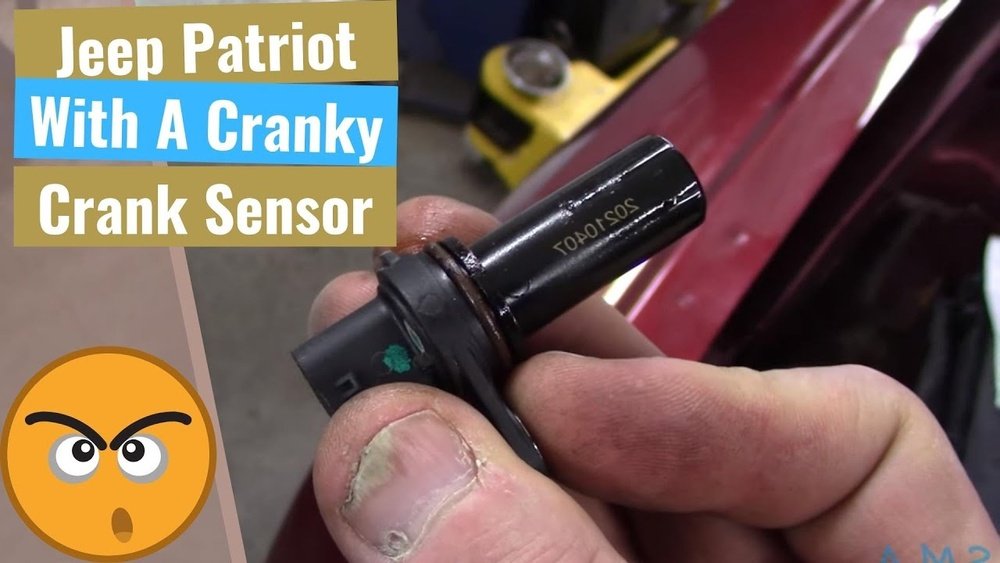
The P0339 code signals a problem with the crankshaft position sensor circuit in your Jeep. This sensor tells the engine computer where the crankshaft is.
If the sensor or its circuit fails, your Jeep may show several symptoms. These issues affect how the engine runs and starts.
Recognizing these symptoms early can help you avoid bigger problems.
Engine Stalling
The engine may suddenly stop running while driving. This stalling happens because the sensor fails to send the correct signal.
Without this signal, the engine computer cannot control fuel injection or ignition properly. Stalling can be dangerous, especially on busy roads or highways.
Starting Problems
The Jeep might take a long time to start or fail to start at all. The crankshaft sensor helps the engine know when to fire up.
If it does not work, the engine computer cannot time the spark and fuel injection. This causes extended cranking or no start conditions.
Rough Idle And Hesitation
The engine may run unevenly when idling or hesitate during acceleration. This happens because the sensor sends incorrect or missing signals.
The engine computer then struggles to manage timing and fuel delivery. The result is rough idling, misfires, and loss of power during driving.

Common Causes
The P0339 Jeep code signals an issue with the crankshaft position sensor circuit. Several parts can cause this error.
Understanding common causes helps in fixing the problem quickly.
Below are the main reasons why P0339 occurs in Jeep vehicles.
Faulty Crankshaft Sensor
The crankshaft sensor detects engine speed and position. A faulty sensor sends wrong signals to the computer.
Sensors can fail due to heat, age, or wear. Replacing a bad sensor often clears the P0339 code.
Damaged Reluctor Ring
The reluctor ring works with the crankshaft sensor. It has teeth that the sensor reads to track rotation.
Damage or missing teeth confuse the sensor. Rust or physical damage to this ring can cause the code to appear.
Electrical Connection Issues
Wiring problems often trigger P0339. Loose, corroded, or broken wires disrupt the sensor signal.
Connectors may also be dirty or loose. Checking and fixing these electrical connections can solve the problem.
Pcm Software And Hardware Problems
The Powertrain Control Module (PCM) processes sensor data. Sometimes, PCM software bugs cause false error codes.
Hardware failures in the PCM are rare but possible. Updating or replacing the PCM may be necessary if other fixes fail.
Diagnostic Steps
Diagnosing the P0339 code in your Jeep requires a clear, step-by-step approach. This code signals a problem with the crankshaft position sensor circuit.
The sensor tracks engine speed and position, so any fault can cause performance issues. Proper diagnosis avoids unnecessary part replacements and saves time.
Follow these steps carefully to find the root cause of the problem.
Inspect Wiring And Connectors
Begin by examining the wiring and connectors linked to the crankshaft position sensor. Look for loose, corroded, or damaged wires.
Wiggle the wires gently to check if the connection drops out. Clean any dirt or corrosion on the connectors.
Ensure the connector snaps firmly in place. Bad electrical connections often trigger the P0339 code.
Test Sensor Signal
Next, test the sensor signal using a multimeter or scan tool. Check for proper voltage and resistance values based on the Jeep’s specifications.
Measure the sensor output while cranking the engine. A weak or no signal means the sensor might be faulty.
Testing the sensor confirms if it sends the right data to the engine control unit.
Check Reluctor Ring Condition
Inspect the reluctor ring on the crankshaft. This ring has teeth that the sensor reads to track engine rotation.
Look for cracks, missing teeth, or rust on the ring. Damage here can cause the sensor to misread signals.
Clean the ring surface if dirty. A damaged reluctor ring requires replacement to restore proper sensor function.
Scan For Additional Codes
Use an OBD-II scanner to check for other stored trouble codes. Additional codes can help pinpoint related issues.
For example, camshaft sensor codes might affect crankshaft readings. Clear all codes after repairs and retest.
Multiple codes often indicate wiring problems or sensor failures affecting the engine system.
Fixing Crankshaft Sensor Issues
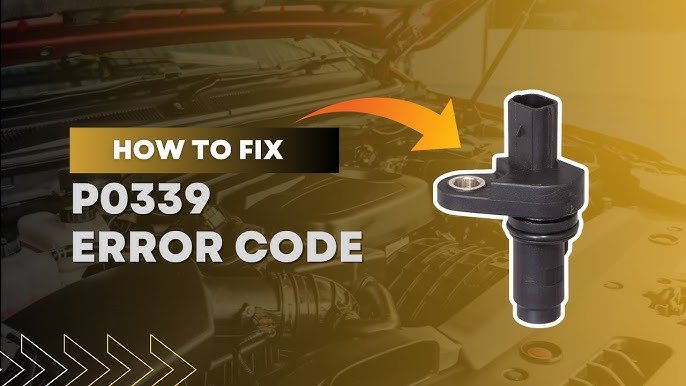
Fixing crankshaft sensor issues in your Jeep requires careful attention. The crankshaft sensor tells the engine’s computer about the crankshaft’s position.
Problems with this sensor cause rough idling, stalling, or starting trouble. Fixing these issues can improve your Jeep’s performance and reliability.
Below are effective ways to address common crankshaft sensor problems.
Cleaning And Reseating Connectors
Check the electrical connectors attached to the sensor first. Dirt, corrosion, or loose connections often cause sensor errors.
Disconnect the connectors carefully. Clean the contacts using electrical contact cleaner.
Make sure no debris remains inside. After cleaning, firmly reconnect the connectors.
This step restores proper signal flow without replacing parts.
Replacing The Sensor
A faulty crankshaft sensor cannot send accurate signals. Sensors wear out over time due to heat and vibration.
Replace the sensor with a new, compatible part if cleaning does not help. Locate the sensor near the crankshaft pulley or engine block.
Remove the old sensor carefully, then install the new one. Ensure it fits tightly and connects securely to avoid future errors.
Repairing Wiring Harness
Wiring problems between the sensor and engine computer often cause faults. Inspect the wiring harness for cuts, breaks, or worn insulation.
Repair damaged wires by splicing or replacing sections. Secure loose wires to prevent chafing.
Use electrical tape or heat shrink tubing to protect repairs. Good wiring ensures clear communication from the sensor to the computer.
Updating Or Reflashing Pcm Software
The Powertrain Control Module (PCM) controls engine functions and processes sensor data. Sometimes, software glitches affect sensor readings.
Updating or reflashing the PCM software can fix these issues. Visit a dealership or qualified mechanic to perform this task.
They will use specialized tools to update the PCM with the latest software version. This step may resolve sensor faults without hardware changes.
Sensor Replacement Tips
Replacing a faulty crankshaft position sensor in your Jeep is crucial for smooth engine performance. Proper sensor replacement prevents further engine issues and saves costly repairs.
Follow these tips to ensure a successful sensor swap. Simple steps and the right tools make this task easier.
Choosing the correct sensor and handling it carefully improves the Jeep’s reliability. Let’s explore the best practices for sensor replacement.
Choosing Oem Vs Aftermarket Sensors
OEM sensors come from the Jeep manufacturer. They guarantee perfect fit and reliable function.
Aftermarket sensors cost less and offer more options. Quality varies, so pick a trusted brand.
OEM parts usually last longer and keep your Jeep running as designed. Aftermarket sensors can work well if chosen wisely. Check reviews and warranties before buying.
Tools Needed For Replacement
Gather essential tools before starting. A socket set with extensions helps remove bolts easily.
A ratchet wrench speeds up the process. Use a screwdriver to disconnect electrical connectors.
A torque wrench ensures bolts are tightened correctly. Safety gloves protect your hands.
A flashlight helps you see tight spots. Have a cleaning cloth ready to wipe dirt and oil.
Step-by-step Replacement Guide
First, disconnect the Jeep’s battery to avoid electrical shocks. Locate the crankshaft position sensor near the engine block.
Remove any parts blocking access to the sensor. Unplug the sensor’s electrical connector carefully.
Use the socket wrench to remove mounting bolts. Gently take out the old sensor without damaging wires.
Clean the sensor area before installing the new part. Insert the new sensor and secure it with bolts.
Reconnect the electrical plug firmly. Reinstall any removed parts.
Reconnect the battery and start the engine to check for proper function.
Post-repair Procedures
After repairing the P0339 Jeep issue, certain steps ensure the fix works properly. These post-repair procedures help the vehicle’s system adjust and confirm the problem is resolved.
Skipping these steps can cause the code to return or other issues to arise.
Crankshaft Variation Relearn
The crankshaft variation relearn resets the engine control module. It helps the system recognize the new sensor’s signals.
This process requires a specific driving routine. Usually, drive the Jeep at varying speeds, then allow it to coast without pressing the gas.
This teaches the computer the crankshaft’s new timing data.
Clearing Trouble Codes
After fixing the sensor, clear the trouble codes with an OBD-II scanner. This step removes old error codes from the system memory.
If the codes remain, the check engine light might stay on. Clearing codes allows the computer to start fresh and monitor for new faults.
Test Driving And Monitoring
Test drive the Jeep to verify the repair’s success. Watch for smooth engine operation and no warning lights.
Use a scanner to monitor sensor data and check for code returns. This step confirms the problem is fully resolved and the vehicle runs correctly.
Preventive Maintenance
Preventive maintenance plays a key role in avoiding the P0339 code in your Jeep. It helps keep the crankshaft position sensor and its wiring in good condition.
This reduces the risk of sensor failure and engine trouble. Regular checks can catch small issues early.
Simple care extends the sensor’s life and saves repair costs. Follow these tips to maintain your Jeep’s sensor system.
Regular Wiring Inspections
Check the wiring harness connected to the crankshaft sensor often. Look for cracks, frays, or loose connectors.
Damaged wires cause poor signals and trigger the P0339 code. Clean connectors gently to remove dirt and corrosion.
Secure loose wires to prevent movement and wear. Use a multimeter to test continuity if you suspect a break.
Early wiring fixes prevent sensor errors and engine stalls.
Avoiding Heat Damage
High engine heat can harm the crankshaft sensor and wiring. Keep wires away from hot engine parts like exhaust manifolds.
Use heat shields or wraps to protect vulnerable areas. Avoid long idling times that increase engine temperature unnecessarily.
Park in shaded areas or garages during hot weather. Heat damage causes sensor failure and erratic readings. Cool engine components help maintain sensor function.
Scheduled Sensor Checks
Inspect the crankshaft position sensor at regular intervals. Remove it carefully and check for signs of wear or damage.
Clean the sensor tip to remove metal shavings or dirt buildup. Replace the sensor if it shows cracks or corrosion.
Follow your Jeep’s maintenance schedule for sensor checks. Keeping the sensor in good shape prevents P0339 code issues.
Scheduled checks ensure smooth engine performance and reliability.
When To Seek Professional Help
Knowing when to seek professional help for the P0339 Jeep trouble code is crucial. This code points to issues with the crankshaft position sensor circuit.
Some problems look simple but hide deeper troubles. Acting early can prevent costly repairs and keep your Jeep running smoothly.
Complex Electrical Issues
Electrical problems often cause the P0339 code. These issues can be hard to find and fix.
Faulty wiring, corroded connectors, or shorts may affect sensor signals. Professionals have tools to test circuits accurately.
They can trace wiring faults that are invisible to most drivers. Avoid guessing or random repairs on electrical parts.
Pcm Replacement Considerations
The Powertrain Control Module (PCM) controls engine functions. A bad PCM may trigger the P0339 code.
Replacing the PCM is costly and complex. Professionals can verify if the PCM is the real cause.
They also handle programming the new PCM to match your Jeep. DIY replacement without proper tools can lead to more issues.
Persistent Or Intermittent Problems
Some P0339 issues come and go or never fully clear. Intermittent problems confuse many Jeep owners.
These require deep diagnosis and patience. A professional can monitor the sensor signals over time.
They spot patterns and hidden faults better than quick fixes. Persistent problems often need expert attention to solve for good.
Frequently Asked Questions
What Is The Code P0339 On A Jeep?
Code P0339 on a Jeep indicates a crankshaft position sensor "A" circuit malfunction. It often results from wiring issues, a faulty sensor, or a damaged reluctor ring.
This code can cause engine stalling, rough idle, or starting problems and requires inspection and possible sensor replacement.
How Do I Reset A Crank Position Sensor?
To reset a crank position sensor, disconnect the battery for 15 minutes. Reconnect it, then start the engine to let the computer relearn sensor data.
Alternatively, unplug and clean the sensor connector, then reconnect firmly. Some vehicles require a specific relearn drive cycle after replacement.
How To Fix P0339 Fault Code?
To fix P0339, inspect and repair wiring and connectors first. Clean and reseat the crankshaft position sensor.
Replace the sensor if faulty. Perform a crankshaft variation relearn if needed.
Update or flash the PCM software when required.
What Are The Symptoms Of A Broken Crankshaft Sensor?
Symptoms of a broken crankshaft sensor include engine stalling, rough idle, misfires, hesitation, extended cranking, or no-start conditions.
Conclusion
The P0339 code in your Jeep points to a crankshaft position sensor issue. It causes stalling, rough idling, and starting problems.
Check wiring and connectors first to avoid unnecessary part replacements. Replacing the sensor often solves the problem, but relearning the sensor may be needed.
Regular maintenance helps prevent this error from returning. Stay attentive to signs and act quickly to keep your Jeep running smoothly.