If you drive a Jeep Grand Cherokee and suddenly see the P0123 code pop up on your dashboard, you might feel confused or worried. This code points to a problem with your vehicle’s throttle position sensor (TPS), which plays a key role in how your engine responds when you press the gas pedal.
Ignoring this warning could lead to poor performance or even leave you stuck on the road. But don’t stress understanding what causes the P0123 code and how to fix it is easier than you think.
You’ll learn simple steps to diagnose the issue, clear that check engine light, and get your Jeep running smoothly again.
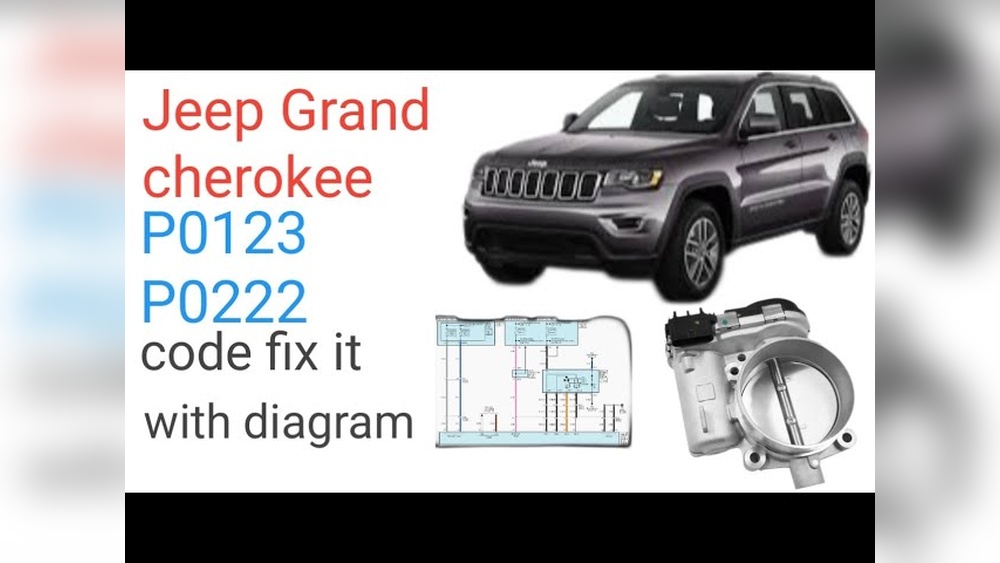
Keep reading to take control of your ride and avoid costly repairs down the line.
P0123 Code Basics
The P0123 code is a common trouble code in Jeep Grand Cherokee vehicles. It signals a problem with the throttle position sensor circuit. This sensor helps the engine control module know how much the throttle is open. The sensor sends voltage signals that tell the engine how fast to run.
When the sensor sends too high a voltage, the engine computer triggers the P0123 code. Understanding this code helps you spot issues early.
This prevents bigger problems and keeps your Jeep running smoothly.
What P0123 Means
The P0123 code means the throttle position sensor signal voltage is too high. The throttle position sensor monitors the throttle valve’s position.
It sends a voltage signal to the powertrain control module (PCM). When the signal is above the expected range, the PCM sets the P0123 code.
This can happen due to a faulty throttle position sensor. Damaged wiring or connectors can also cause a high voltage signal.
Sometimes, dirt and carbon buildup in the throttle body affect the sensor’s readings.
Symptoms To Watch For
A Jeep Grand Cherokee with a P0123 code may show several symptoms. The check engine light will often turn on. The vehicle might have poor acceleration or feel like it is in limp mode. You could notice rough idling or stalling. Sudden surges or hesitation during acceleration are common, too.
In some cases, the throttle may stick or respond slowly. This affects drivability and safety.
Pay attention to any unusual engine behavior or warning lights. Early detection helps avoid expensive repairs.
Throttle Position Sensor Role
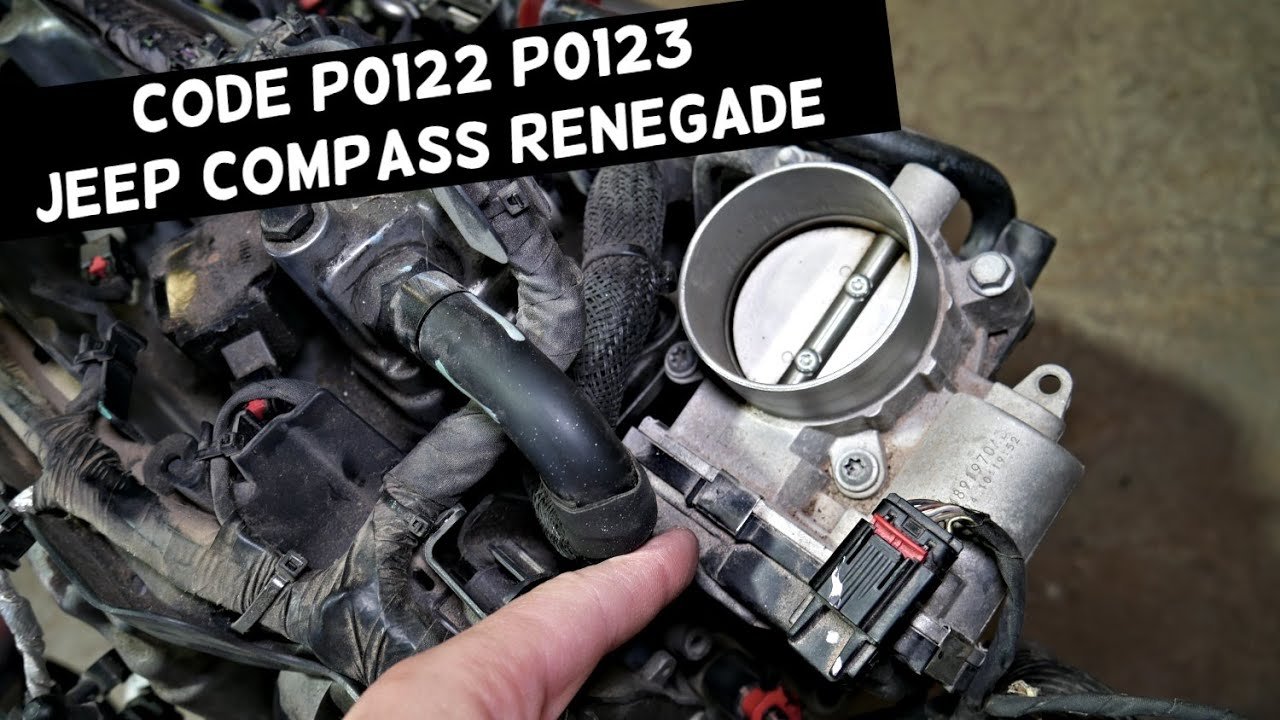
The throttle position sensor (TPS) plays a important role in your Jeep Grand Cherokee’s engine performance. It helps the engine control module understand how much the throttle is open.
This information adjusts fuel injection and ignition timing. A properly working TPS ensures smooth acceleration and efficient fuel use.
If the TPS malfunctions, the engine may hesitate or stall. You might notice poor fuel economy or rough idling.
The sensor’s role is small but vital for your vehicle’s driveability and response.
How Tps Works
The TPS measures the throttle valve’s angle inside the throttle body. It sends a voltage signal to the engine control module based on how far the throttle is open.
Low voltage means the throttle is closed, while high voltage means it is wide open.
The engine control module uses this data to control fuel delivery and ignition timing. This helps the engine react quickly to your acceleration needs.
The sensor constantly updates the throttle position for smooth engine operation.
Tps In Jeep Grand Cherokee
In the Jeep Grand Cherokee, the TPS is part of the throttle body assembly. Many models have an electronic throttle control system, where the TPS is integrated with the accelerator pedal position sensor.
This system improves accuracy and reduces mechanical parts.
When the TPS detects unusual voltage or fails, the vehicle may trigger the P0123 error code. This code signals the sensor voltage is too high.
Fixing the TPS or its wiring restores normal throttle function and engine performance.
Common Causes Of P0123
The P0123 code in a Jeep Grand Cherokee signals an issue with the throttle position sensor circuit. This code triggers when the voltage from the sensor is higher than normal.
Knowing the common causes of this code helps in quick diagnosis and repair. The main reasons include sensor failure, wiring problems, and throttle body issues.
Faulty Throttle Position Sensor
The throttle position sensor (TPS) measures the throttle valve position. A faulty TPS sends incorrect high voltage signals to the engine control module.
This leads to the P0123 error code. The sensor can wear out over time or fail due to internal damage.
Replacing the TPS often fixes this problem. Some models have the sensor integrated with the throttle body, requiring full throttle body replacement.
Damaged Wiring And Connectors
Wiring and connectors link the TPS to the engine control system. Damaged wiring, loose connectors, or corrosion can cause voltage spikes.
Frayed wires or poor connections may short the circuit. This results in the P0123 code.
Inspecting and repairing wiring or connectors can restore proper sensor signals. Clean and secure all connections to avoid future issues.
Dirty Throttle Body
A dirty throttle body can affect sensor readings and throttle valve movement. Carbon buildup or grime causes the throttle plate to stick.
This can create false high voltage signals from the TPS. Cleaning the throttle body with a proper cleaner removes deposits.
This helps the throttle valve operate smoothly and prevents error codes like P0123.
Diagnosing The Issue
Diagnosing the P0123 code in a Jeep Grand Cherokee requires a clear step-by-step approach. This code indicates an issue with the throttle position sensor circuit voltage being too high.
Proper diagnosis helps avoid unnecessary part replacements and saves money. The process involves scanning for trouble codes, checking the wiring, and testing the sensor itself.
Using An Obd-ii Scanner
Start by connecting an OBD-II scanner to your Jeep’s diagnostic port. This tool reads stored trouble codes from the Powertrain Control Module (PCM). It confirms the presence of the P0123 code and may show related codes. The scanner also provides live data, showing the throttle position sensor voltage. Look for voltage readings higher than normal, which usually range from 0.2 to 4.8 volts. High voltage confirms the sensor or circuit problem.
Inspecting Wiring And Connectors
Next, visually inspect the wiring and connectors linked to the throttle position sensor. Look for damaged, frayed, or corroded wires.
Loose connectors or dirt inside the connector can cause poor contact. Wiggle the wires gently while observing the scanner data for voltage changes.
Secure any loose connections and clean corrosion with electrical contact cleaner. Replace damaged wires or connectors to ensure proper circuit function.
Testing The Throttle Position Sensor
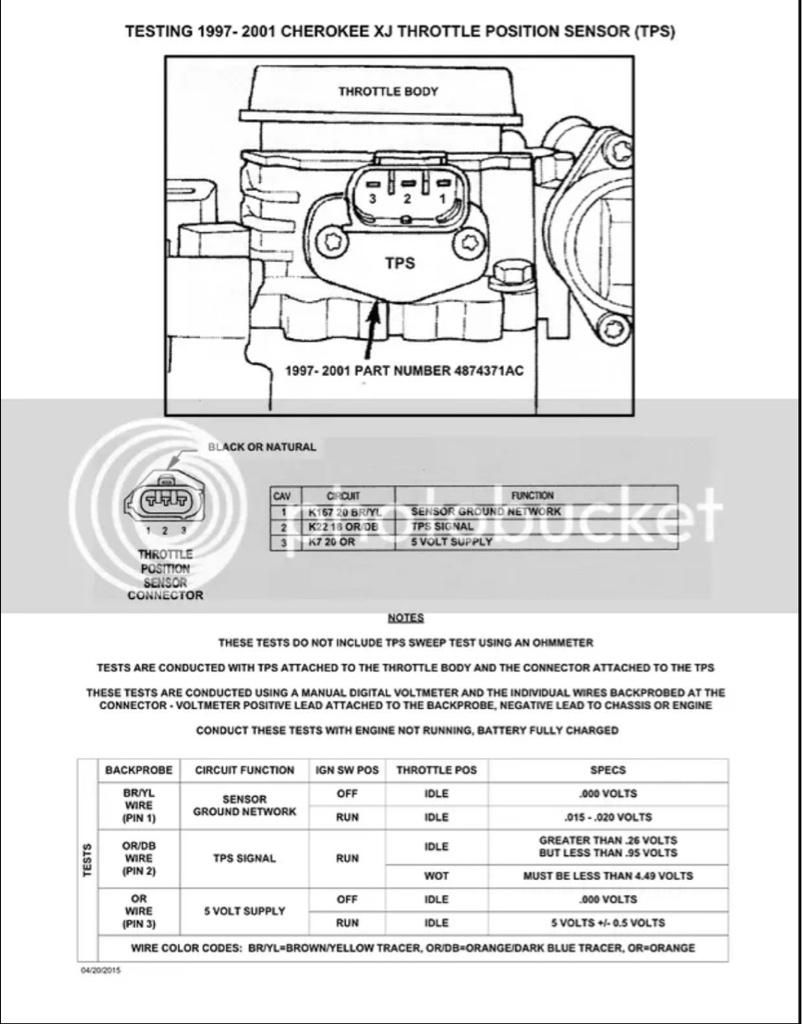
Testing the throttle position sensor directly helps determine if it is faulty. Use a digital multimeter to measure the sensor’s output voltage.
With the ignition on, the voltage should smoothly increase as you slowly open the throttle. Sudden jumps or no change in voltage means the sensor is bad.
Some models have the sensor integrated with the throttle body. In this case, replacement of the entire assembly may be necessary.
Cleaning The Throttle Body
Cleaning the throttle body is a simple task that can improve your Jeep Grand Cherokee’s performance. Dirt and carbon deposits build up over time.
These deposits can cause the throttle valve to stick or send wrong signals to the sensor.
A clean throttle body helps the engine run smoothly and can fix the P0123 error code. This code means the Throttle Position Sensor is sending too high a voltage.
Cleaning removes grime that affects the sensor’s reading and throttle movement.
Tools And Materials Needed
- Throttle body cleaner spray
- Clean microfiber cloths
- Screwdrivers (flathead and Phillips)
- Socket wrench set
- Protective gloves
- Safety glasses
Step-by-step Cleaning Process
- Park your Jeep on a flat surface and turn off the engine.
- Disconnect the negative battery cable for safety.
- Locate the throttle body by following the air intake hose.
- Use a screwdriver or socket wrench to remove the air intake hose.
- Spray throttle body cleaner onto the throttle plate and inside the housing.
- Use a microfiber cloth to wipe away dirt and carbon buildup.
- Open the throttle plate manually to clean all surfaces thoroughly.
- Allow the cleaner to evaporate for a few minutes before reassembly.
- Reattach the air intake hose securely.
- Reconnect the negative battery cable.
- Start the engine and let it idle to reset the throttle body position.

Replacing The Tps
Replacing the Throttle Position Sensor (TPS) on your Jeep Grand Cherokee helps fix issues related to throttle response and engine performance. The TPS monitors the throttle valve’s position and sends signals to the engine control unit.
A faulty sensor can cause engine hesitation, stalling, or trigger the P0123 error code. Proper replacement ensures smooth driving and accurate throttle control.
Removing The Old Sensor
First, disconnect the battery to avoid electrical shocks. Locate the TPS on the throttle body.
It is usually attached with screws or bolts. Carefully unplug the wiring connector from the sensor.
Use a screwdriver or socket wrench to remove the mounting screws. Gently take out the old TPS without damaging the throttle body or surrounding parts.
Installing The New Sensor
Position the new TPS in place on the throttle body. Align it correctly with the throttle shaft to ensure accurate readings.
Secure the sensor with screws or bolts, tightening them evenly. Reconnect the wiring harness firmly to the new sensor.
Check for any loose connections or damaged wires before proceeding. This step is important for proper sensor operation.
Calibration And Resetting Codes
After installation, the TPS needs calibration to match the throttle position. Turn the ignition key to the “ON” position without starting the engine.
Wait for a few seconds to let the system recognize the new sensor. Use an OBD-II scanner to clear any stored error codes, including the P0123 code.
If necessary, follow the Jeep Grand Cherokee’s manual for specific calibration procedures. Test drive the vehicle to confirm the sensor works correctly and the check engine light is off.
Preventing Future Issues
Knowing when to seek professional help for your Jeep Grand Cherokee’s P0123 code is important. This code points to a problem with the throttle position sensor circuit, which affects engine performance.
Some issues are simple and can be fixed at home. Others require expert diagnosis and repair.
Ignoring warning signs can lead to bigger problems. This section explains key situations when you should turn to a mechanic.
Timely professional care can save you time and money.
Complex Electrical Problems
The P0123 code often involves electrical faults. Wiring issues or sensor faults can be hard to find.
If your Jeep shows random electrical errors or flickering dashboard lights, a professional can help. They use special tools to trace wiring and test sensors accurately.
Attempting fixes without proper knowledge may cause more damage. Electrical problems require careful handling to ensure safety and proper repair.
Persistent Engine Performance Issues
Your Jeep may run poorly if the throttle sensor fails. Symptoms include rough idling, stalling, or poor acceleration.
If these problems continue after basic fixes, seek help. Mechanics can perform detailed engine scans and tests.
They can spot hidden issues affecting your engine’s power and fuel efficiency. Persistent performance problems often need professional attention to restore smooth driving.
How Do I Fix P0123 Fault Code?
To fix P0123, check and clean the throttle body, inspect wiring and connectors for damage, and replace the throttle position sensor if faulty. Use an OBD-II scanner to clear the code after repairs.
How To Reset Throttle Position Sensor Jeep Grand Cherokee?
To reset the throttle position sensor on a Jeep Grand Cherokee, disconnect the battery for 15 minutes. Reconnect it, then start the engine to recalibrate the sensor.
Use an OBD-II scanner to clear any stored codes for proper reset.
How Much Does It Cost To Fix A P0123 Code?
Fixing a P0123 code typically costs between $150 and $300. This includes sensor replacement and labor fees.
Costs vary by vehicle model and mechanic rates.
What Other Sensors Can Cause A P0123 Code?
Other sensors causing a P0123 code include the Accelerator Pedal Position (APP) sensor and wiring issues to the throttle body.
Conclusion
The P0123 code in your Jeep Grand Cherokee points to throttle position issues. Fixing it often involves checking the sensor and wiring first.
Cleaning the throttle body can also help improve performance. Ignoring this code may cause poor engine response or limp mode.
Regular maintenance keeps your Jeep running smoothly and safely. Stay alert to warning signs and address problems early.
Taking these steps will help you avoid costly repairs later.