If you drive a Jeep Grand Cherokee and have noticed the check engine light come on, you might be facing the P0113 trouble code. This code points to an issue with your vehicle’s Intake Air Temperature (IAT) sensor.
But what does that really mean for your Jeep’s performance? And more importantly, how can you fix it without spending a fortune or ending up with more problems?
You’ll learn exactly what causes the P0113 code, the symptoms to watch for, and simple steps you can take to diagnose and repair the issue.

Keep reading to make sure your Grand Cherokee runs smoothly and avoid costly repairs down the road.
Symptoms Of P0113 Code
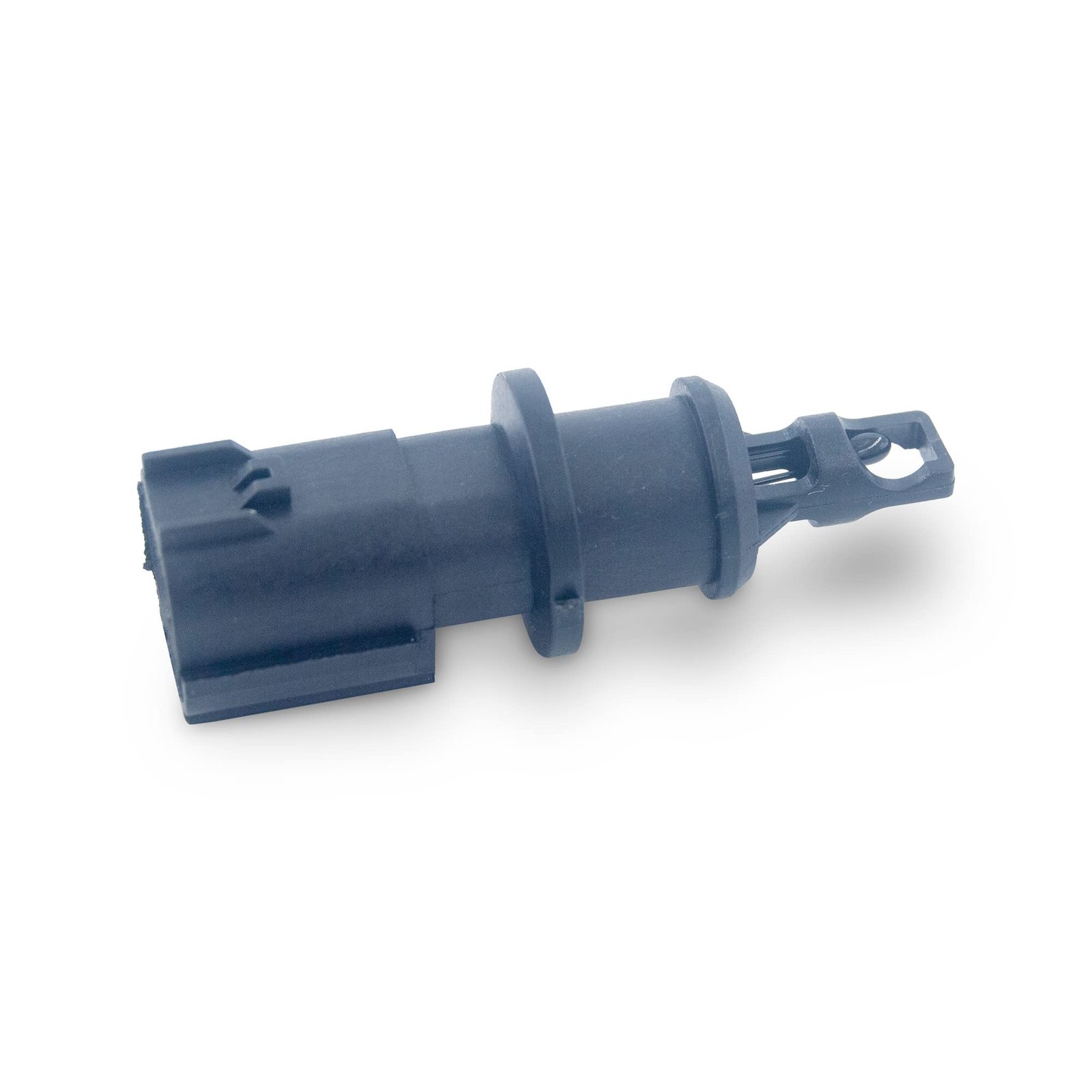
The P0113 code in a Jeep Grand Cherokee signals an issue with the Intake Air Temperature (IAT) sensor. This sensor measures the air temperature entering the engine. When it fails, the vehicle shows clear signs. Recognizing these symptoms helps prevent bigger problems and costly repairs.
Below are the common symptoms that appear when the P0113 code activates.
Check Engine Light Alerts
The most obvious symptom is the check engine light turning on. This light appears on your dashboard to warn you of engine or sensor issues.
The P0113 code triggers this alert quickly after the sensor detects abnormal readings. Ignoring this light can lead to engine damage.
Impact On Fuel Economy
A faulty IAT sensor causes wrong air temperature data. The engine control unit (ECU) then adjusts fuel delivery incorrectly.
This often results in poor fuel economy. You may notice your Jeep using more gas than usual.
The engine might run rich, wasting fuel and money.
Engine Performance Issues
The P0113 code can also cause rough idling and hesitation. Acceleration may feel sluggish or uneven.
The engine might stall or hesitate during driving. These problems happen because the ECU receives bad temperature info.
Proper air-fuel mixture is important for smooth engine performance.
Common Causes
The P0113 code on a Jeep Grand Cherokee signals an issue with the Intake Air Temperature (IAT) sensor. This sensor helps the engine adjust fuel and air mixture for efficient running.
Several common problems can trigger this code, affecting your vehicle’s performance and fuel economy.
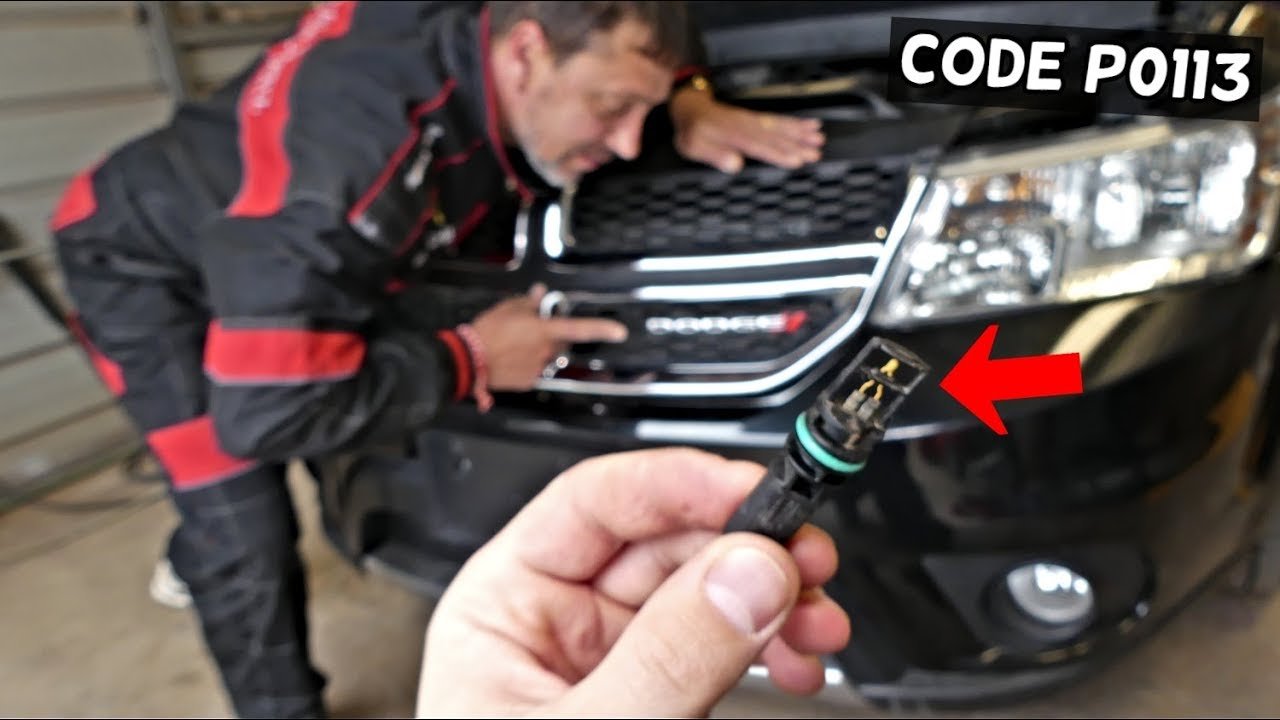
Faulty Intake Air Temperature Sensor
The IAT sensor measures the temperature of the incoming air. Over time, the sensor can wear out or fail.
A faulty sensor sends wrong temperature readings to the engine control unit. This causes the engine to run poorly or use more fuel than needed.
Damaged Wiring And Connectors
Wiring and connectors link the IAT sensor to the engine control unit. These wires can get frayed, corroded, or disconnected.
Damage often happens from road debris, heat, or rodents chewing on wires. Faulty wiring causes poor signal transmission and triggers the P0113 code.
Dirty Air Filter Or Maf Sensor
A clogged air filter blocks airflow to the engine. This can confuse the IAT sensor and other air sensors like the MAF (Mass Air Flow) sensor.
Dirt or debris on the MAF sensor causes incorrect air readings. Both issues lead to improper engine adjustments and set off the P0113 code.
Locating The Iat Sensor
The Intake Air Temperature (IAT) sensor plays a key role in your Jeep Grand Cherokee’s engine performance. It measures the temperature of the air entering the engine.
This data helps the engine control unit adjust fuel delivery and ignition timing for optimal efficiency.
Locating the IAT sensor is the first step if your vehicle shows a P0113 code. This code indicates a problem with the sensor’s circuit, often related to poor readings or disconnection.
Knowing where to find the IAT sensor helps in inspection and repair.
Sensor Position On Jeep Grand Cherokee
On the Jeep Grand Cherokee, the IAT sensor is usually mounted on the air intake duct. It is placed between the air filter box and the throttle body.
This position allows the sensor to measure the incoming air temperature accurately.
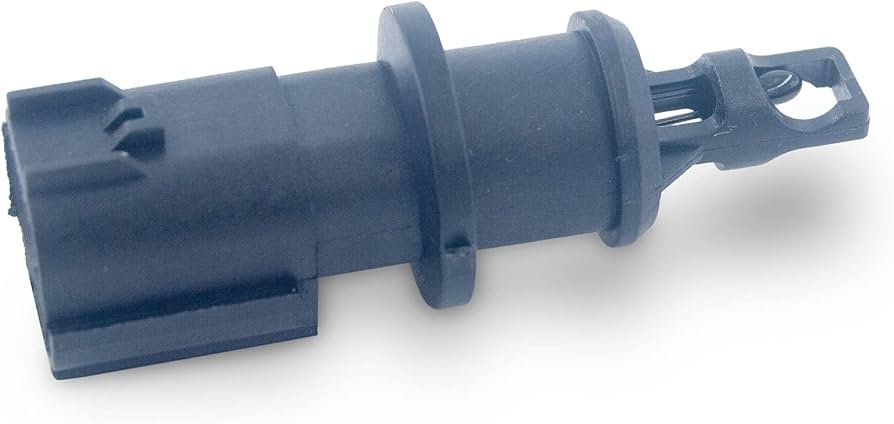
The sensor is small and often looks like a plastic plug with an electrical connector. Its location can vary slightly depending on the engine model year.
Most often, it is near the front of the engine bay, close to the air filter housing.
Accessing The Air Intake Duct
To reach the IAT sensor, start by opening the hood of your Jeep Grand Cherokee. Locate the air intake duct, which is a wide plastic tube connecting the air filter box to the throttle body. This duct guides air into the engine.
Remove any covers or clamps securing the duct if needed. Gently pull the duct away to expose the sensor.
The IAT sensor usually plugs directly into the duct or sits in a small hole on it.
Handle the sensor carefully to avoid damage. Disconnect the electrical connector by pressing the tab and pulling it out.
This allows you to check the sensor or replace it if necessary.
Basic Troubleshooting Steps
Basic troubleshooting helps identify simple problems causing the P0113 code in your Jeep Grand Cherokee. Start with easy checks to save time and avoid unnecessary repairs. Follow these steps carefully for best results.
Checking Sensor Connections
Locate the Intake Air Temperature (IAT) sensor on the air intake duct. Unplug the sensor connector and check for dirt, corrosion, or moisture on the pins.
Clean the pins gently if needed. Reconnect the sensor firmly to ensure a good connection.
Loose or dirty connections can cause false readings and trigger the P0113 code.
Inspecting Wiring Harness
Examine the wiring harness that leads to the IAT sensor. Look for cuts, frayed wires, or signs of damage.
Check for any areas where rodents might have chewed the wires. Repair or replace damaged wiring to restore proper signal flow.
Bad wiring often causes intermittent sensor failures and error codes.
Cleaning Or Replacing Air Filter
Check the engine air filter for dirt and debris. A clogged air filter reduces airflow and can affect the IAT sensor’s accuracy.
Remove the air filter and clean it or replace it with a new one. Proper airflow helps the sensor detect air temperature correctly and prevents errors.
Sensor Replacement Guide
Replacing the sensor linked to the P0113 code in a Jeep Grand Cherokee is a straightforward process. This guide explains each step clearly.
You can handle it with basic tools and some patience. Follow the steps carefully to avoid mistakes and ensure your vehicle runs smoothly.
Choosing The Right Replacement Sensor
Select a sensor that matches your Jeep Grand Cherokee’s model and year. Check the part number on the old sensor or your vehicle manual.
Use a sensor from a trusted brand to ensure quality. Avoid cheap, no-brand sensors that may fail quickly.
Buying the exact replacement saves time and effort.
Removing The Old Sensor
First, disconnect the vehicle’s battery to prevent any electrical issues. Locate the sensor, usually on the air intake system.
Unplug the wiring harness gently to avoid damage. Use the correct tool, often a socket or screwdriver, to remove the sensor.
Turn slowly and pull the sensor out without forcing it.
Installing The New Sensor
Compare the new sensor with the old one to confirm they are identical. Insert the new sensor into the mounting spot carefully.
Tighten any screws or bolts snugly, but do not overtighten. Reconnect the wiring harness firmly until you hear a click.
Reconnect the battery and start the engine to test the sensor function.
Using A Code Reader
Using a code reader is a simple way to diagnose the P0113 error on your Jeep Grand Cherokee. This tool helps you find the exact problem without guessing. It saves time and money by showing the trouble codes stored in your vehicle’s computer. You can then decide the next steps based on the results.
Plugging In The Obd-ii Scanner
Locate the OBD-II port under the dashboard, near the steering column. It looks like a small trapezoid-shaped socket.
Turn off the engine before connecting the scanner. Plug the scanner firmly into the port until it clicks.
Turn the ignition key to the “On” position without starting the engine. The scanner will power on and begin communication with your Jeep’s computer.
Interpreting Error Codes
The scanner will display a code related to the issue. P0113 means the Intake Air Temperature (IAT) sensor circuit has a high voltage.
This usually means the sensor is faulty or there is a wiring problem. The scanner may also show a description to help you understand the code.
Write down the code and description for reference during repairs.
Clearing Codes And Testing
After noting the code, you can clear it using the scanner’s menu. Clearing the code turns off the check engine light temporarily.
Start the engine and drive the vehicle for a few minutes. The scanner will check if the problem returns.
If the code comes back, further inspection or sensor replacement is needed.
Preventive Maintenance Tips
Preventive maintenance helps keep your Jeep Grand Cherokee running smoothly. It stops issues like the P0113 error code from appearing.
Regular care saves money and avoids unexpected repairs. Simple checks and timely actions protect your vehicle’s key parts.
Protecting Wiring From Damage
Wiring damage can cause sensor errors like P0113. Inspect wires near the intake air temperature sensor often.
Look for cuts, cracks, or frayed spots. Keep wiring away from sharp edges and hot engine parts.
Use protective covers or tape to shield wires. Secure loose wires to prevent rubbing and wear.
Regular Air Filter Checks
A dirty air filter blocks airflow and affects sensor readings. Check the air filter every few months or after driving on dusty roads.
Replace the filter if it looks clogged or dirty. A clean air filter helps the sensor measure air temperature accurately. This improves engine performance and fuel efficiency.
Routine Sensor Inspections
Inspect the intake air temperature sensor regularly for dirt and damage. Clean the sensor gently with a soft cloth if needed.
Check the sensor’s connector for corrosion or loose pins. Make sure the sensor fits tightly in its place.
Early detection of sensor problems prevents engine issues and error codes.
When To Seek Professional Help
Knowing when to seek professional help for the P0113 Jeep Grand Cherokee code is important. Some problems require a skilled technician’s attention.
Understanding these situations can save time and money. It also ensures your vehicle stays safe and reliable.
Complex Electrical Issues
Electrical problems can be tricky and hard to fix. Wiring inside the engine may be damaged or corroded.
Faulty sensors can cause wrong signals to the computer. Professionals have the skills to find these hidden issues quickly.
They use proper tools to avoid causing more damage.
Persistent Error Codes
Sometimes, the P0113 code keeps returning after simple fixes. This shows the problem is deeper than a loose connection.
A mechanic can perform thorough tests to pinpoint the exact cause. Persistent codes often mean the sensor or wiring needs replacement.
Advanced Diagnostic Tools
Professional shops have advanced scanners and tools. These tools read detailed data from your Jeep’s computer.
They can detect subtle faults not visible to basic code readers. Using these tools helps save time and prevents guesswork.
They provide precise information to guide the repair process.
How Do I Fix Trouble Code P0113?
Check and securely reconnect the Intake Air Temperature (IAT) sensor. Inspect wiring for damage or corrosion.
Clean or replace the air filter. Clear the code and test drive.
Replace the IAT sensor if the code returns.
Where Is My Iat Sensor Located?
The IAT sensor is located on the air intake duct, between the air filter box and the throttle body.
What Are The Symptoms Of A Bad P0113 Sensor?
Symptoms of a bad P0113 sensor include a check engine light, poor fuel economy, rough idling, and engine hesitation or stalling.
Can A Dirty Air Filter Cause A P0113 Code?
A dirty air filter can indirectly cause a P0113 code by restricting airflow. This affects the Intake Air Temperature (IAT) sensor's readings, leading to incorrect data and triggering the code.
Regularly cleaning or replacing the air filter helps maintain proper sensor function and avoid P0113 errors.
Conclusion
The P0113 code in your Jeep Grand Cherokee points to an intake air temperature sensor issue. Checking the sensor and its wiring can often fix the problem.
Keeping the air filter clean also helps maintain proper airflow. Replacing a faulty sensor is usually quick and affordable.
Regular maintenance prevents future errors and keeps your engine running smoothly. Stay attentive to warning lights to avoid bigger problems down the road.
Simple steps can save you time and money on repairs.