If you drive a Jeep and recently saw the P0108 code pop up on your dashboard, you’re probably wondering what it means and how it affects your ride. This code signals a problem with your vehicle’s MAP sensor, which plays a important role in how your engine breathes and performs.
Ignoring it can lead to rough idling, poor acceleration, or even your Jeep slipping into limp mode, leaving you stranded when you least expect it.
But don’t worry understanding what causes this issue and how to fix it can save you time, money, and stress.
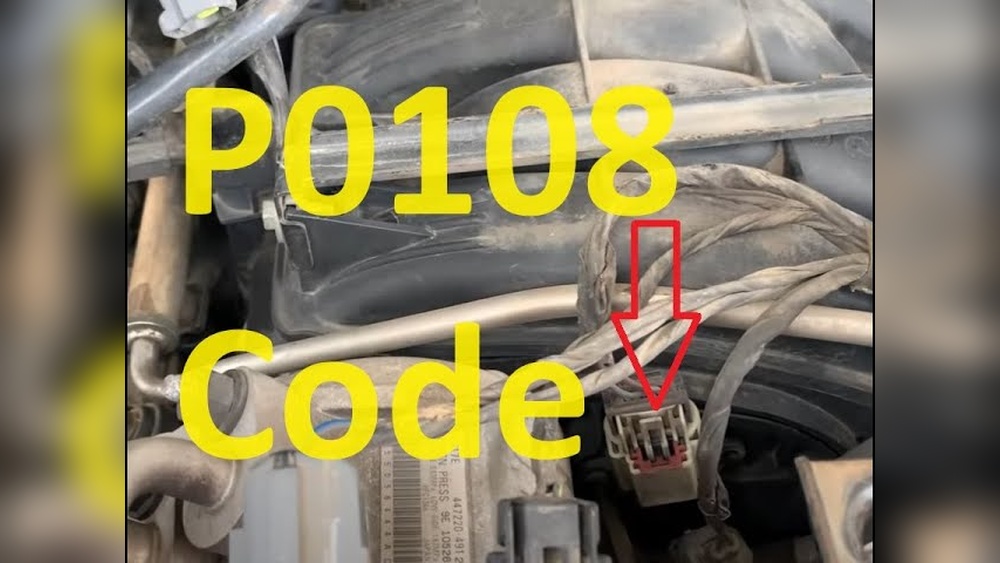
Keep reading to learn exactly what the P0108 code means for your Jeep and what steps you can take right now to get back on the road smoothly.
Symptoms Of P0108 In Jeep
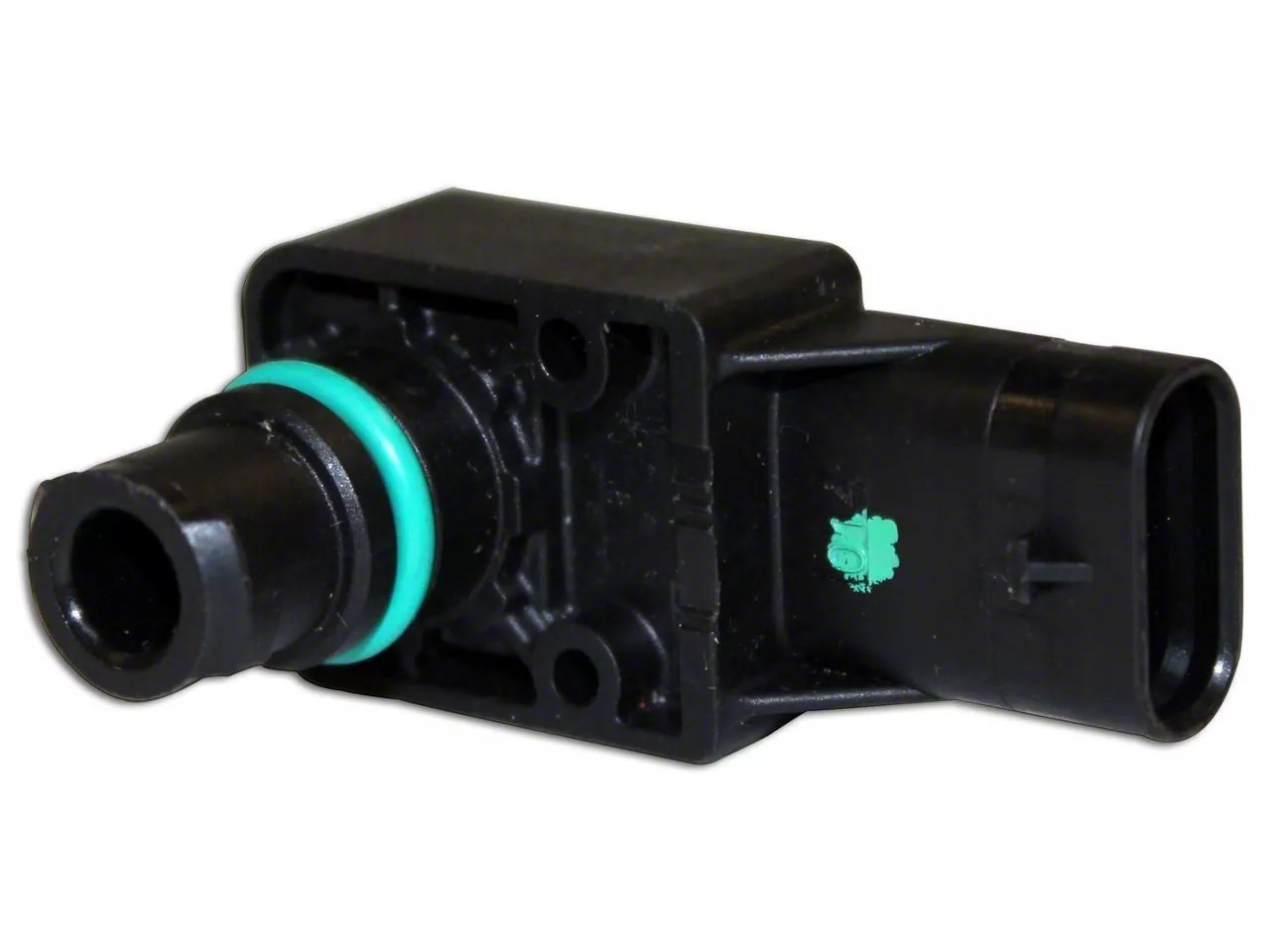
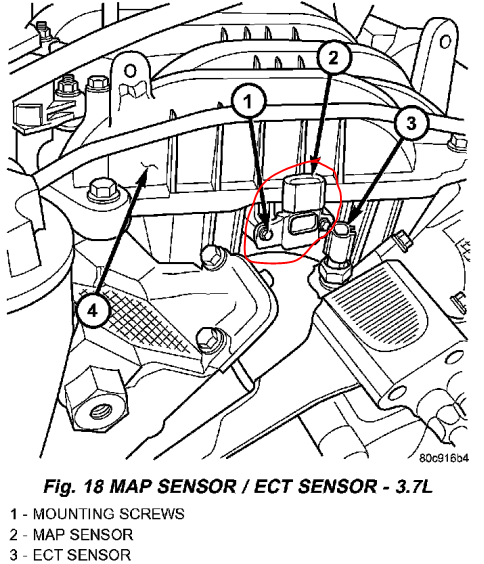
The P0108 code in a Jeep signals a problem with the Manifold Absolute Pressure (MAP) sensor. This sensor measures air pressure in the intake manifold.
When it sends a higher voltage than normal, the engine control unit notices. This causes several symptoms that affect driving and engine performance.
Recognizing these signs helps you address the issue quickly and avoid further damage.
Check Engine Light Activation
The most common sign of P0108 is the Check Engine Light turning on. It may stay steady or blink.
This light alerts you to a problem with the MAP sensor or related parts. Ignoring it can lead to worse engine issues.
Always have your Jeep scanned for trouble codes when the light appears.
Rough Idling And Stalling
A failing MAP sensor can cause rough idling. The engine may shake or feel unstable when stopped.
In some cases, the Jeep might stall completely. This happens because the sensor sends wrong pressure readings.
The engine control unit then misadjusts fuel delivery, causing poor engine behavior.
Hesitation And Limp Mode
You may notice hesitation when accelerating. The Jeep might lag or feel weak during takeoff.
This happens as the engine control limits power to protect the motor. Limp mode may activate, reducing speed and engine response.
This safety feature prevents further damage but requires immediate attention.
Common Causes Of P0108 Code
The P0108 code on a Jeep signals a high voltage issue from the MAP sensor. This sensor reads the pressure inside the intake manifold.
If it sends a higher voltage than expected, the engine control unit triggers this code. Understanding common causes helps in quick diagnosis and repair. Several factors can cause this problem.
Faulty Map Sensor
The MAP sensor can fail internally over time. Heat, vibration, or contamination may damage it.
A faulty sensor sends incorrect voltage signals to the engine control unit. This false reading causes the P0108 code to appear.
Replacing the MAP sensor often solves the issue.
Damaged Wiring And Connections
Wiring to the MAP sensor can wear out or get damaged. Frayed or melted wires disrupt the signal.
Loose or corroded connectors cause poor contact. These issues lead to higher voltage readings.
Checking and repairing wiring restores proper sensor function.
Vacuum Leaks And Intake Issues
Cracks or disconnects in vacuum hoses affect manifold pressure. Unmetered air enters the intake manifold, confusing the sensor.
Intake manifold gasket leaks also cause pressure changes. Such leaks increase voltage signals from the MAP sensor.
Fixing vacuum leaks stops the P0108 code from returning.
Diagnosing The P0108 Code
Diagnosing the P0108 code in a Jeep involves careful inspection and testing. This code signals a high voltage reading from the Manifold Absolute Pressure (MAP) sensor.
The Powertrain Control Module (PCM) detects this abnormal voltage. It often leads to rough idling, poor acceleration, or the check engine light turning on.
To find the cause, focus on the MAP sensor and its connections. Follow these key steps for a thorough diagnosis.
Inspecting Vacuum Hoses
Start by examining all vacuum hoses linked to the intake manifold. Look for cracks, holes, or loose fittings.
Damaged hoses cause unmetered air to enter the engine. This leads to incorrect sensor readings and triggers the P0108 code. Replace any worn or broken hoses immediately.
Testing Sensor Voltage
Use a multimeter to measure the MAP sensor voltage output. Compare the readings with the manufacturer’s specifications.
A higher voltage than expected confirms the P0108 code. Test the sensor at different engine speeds for accurate results. A faulty sensor usually needs replacement.
Checking Wiring Harness Condition
Inspect the wiring harness connected to the MAP sensor carefully. Look for frayed wires, melted insulation, or loose connectors.
Heat and engine vibrations often damage wiring near the intake manifold. Repair or replace damaged sections to restore proper electrical signals. Secure all connections to prevent future issues.

Quick Fixes For P0108
The P0108 code on a Jeep points to a high voltage reading from the MAP sensor. Fixing this issue quickly can get your vehicle running smoothly again.
Simple repairs often solve the problem without costly replacements.
Start by focusing on the most common causes. Dirt or debris on the sensor, damaged wiring, or vacuum leaks often trigger this error.
Addressing these areas usually restores proper sensor function and clears the code.
Cleaning The Map Sensor
The MAP sensor can collect dirt and grime over time. Remove it carefully from the intake manifold.
Use a throttle body or carburetor cleaner to spray the sensor tip. Let it dry completely before reinstalling.
This step can clear false high voltage readings.
Repairing Or Replacing Wiring
Worn or melted wiring causes signal errors. Inspect the wiring harness near the sensor for damage.
Repair frayed wires with electrical tape or replace the harness if needed. Secure loose connections and check grounds. Proper wiring ensures accurate sensor signals.
Sealing Vacuum Leaks
Vacuum leaks allow unmetered air to enter the engine. Check all vacuum hoses for cracks or disconnections.
Replace damaged hoses and tighten clamps. Inspect the intake manifold gasket for leaks and reseal if necessary.
Sealing leaks helps the MAP sensor report correct pressure readings.
When To Replace The Map Sensor
Knowing when to replace the MAP sensor in your Jeep is important. The MAP sensor measures air pressure in the intake manifold.
It sends data to the engine control unit to adjust fuel and ignition timing. A faulty sensor can cause poor engine performance and trigger error codes like P0108.
Detecting sensor problems early helps avoid costly repairs.
Signs Of Sensor Failure
Watch for these signs that indicate MAP sensor failure:
- Check Engine Light turns on
- Engine idles roughly or stalls
- Hesitation or poor acceleration
- Engine goes into limp mode
These symptoms occur because the sensor sends incorrect pressure readings. The engine receives wrong data and runs inefficiently.
Oem Parts Vs Aftermarket
Choosing the right MAP sensor is important. OEM parts come directly from Jeep or Mopar.
They fit perfectly and meet Jeep’s quality standards. Aftermarket sensors can be cheaper but vary in quality.
Some may not last as long or cause further issues. Using OEM parts reduces the risk of sensor failure and error codes.
Installation Tips
Install the MAP sensor carefully to ensure proper function:
- Disconnect the battery before starting
- Remove the old sensor gently without damaging wiring
- Clean the sensor port and surrounding area
- Install the new sensor securely and reconnect wiring
- Clear error codes using an OBD-II scanner
- Test drive to confirm the issue is resolved
Follow these steps to avoid common installation mistakes. Proper installation helps your Jeep run smoothly and prevents future problems.
Resetting And Clearing The Code
Resetting and clearing the P0108 code on a Jeep is a important step after addressing the issue. This code signals that the Manifold Absolute Pressure (MAP) sensor is sending a voltage higher than expected.
Clearing the code helps verify if the repair worked and stops the check engine light from flashing.
There are simple ways to reset this code. Using an OBD-II scanner is the fastest and most reliable method.
Manual reset options also exist for those without a scanner. After resetting, confirming the fix ensures the vehicle runs smoothly again.
Using An Obd-ii Scanner
Connect an OBD-II scanner to your Jeep’s diagnostic port. Turn the ignition to the “on” position without starting the engine.
Follow the scanner’s menu to read codes and find P0108. Select the option to clear or reset codes.
The scanner will erase the P0108 error from the vehicle’s computer. This method clears the code instantly and allows you to monitor if it returns.
Manual Reset Methods
Turn off the Jeep and disconnect the battery’s negative terminal. Leave it disconnected for about 15 minutes.
This step drains any stored power and resets the Powertrain Control Module (PCM). Reconnect the battery terminal and start the engine.
The check engine light should turn off if no faults remain. Note that this method may erase other stored settings in the vehicle.
Verifying The Fix
After clearing the code, drive the Jeep normally for several miles. Watch for the check engine light to ensure it stays off.
Use the OBD-II scanner again to check for any returned codes. If P0108 does not reappear, the repair was successful.
Persistent codes mean further inspection and repairs may be needed.
Preventive Maintenance Tips
Preventive maintenance plays a key role in avoiding the P0108 code on your Jeep. Proper care keeps the Manifold Absolute Pressure (MAP) sensor working well.
It helps your engine run smoothly and prevents costly repairs.
Simple steps can extend the life of your sensor and related parts. These tips focus on cleaning, wiring, and vacuum systems.
Following them reduces the chance of sensor failure and high voltage readings.
Regular Sensor Cleaning
Keep the MAP sensor clean to avoid false readings. Dirt and grime can block the sensor and cause errors.
Use a throttle body or carburetor cleaner spray. Gently remove the sensor and spray the tip.
Let it dry fully before reinstalling. Clean the sensor every few months or after dusty drives.
Routine Wiring Inspections
Check the wiring harness for damage regularly. Look for melted, frayed, or loose wires near the intake manifold.
Damaged wires cause high voltage signals and sensor failure. Repair or replace any faulty wiring immediately.
Secure all connections to prevent future issues. Wiring care ensures stable sensor communication with the engine control unit.
Vacuum System Care
Inspect vacuum hoses often for cracks or disconnections. Leaks let unmetered air into the intake manifold.
This leads to incorrect sensor readings and engine trouble. Replace any worn or broken vacuum lines.
Make sure the manifold gasket seals tightly. Proper vacuum system health supports accurate MAP sensor data and smooth engine performance.
How Do I Fix Error Code P0108?
To fix error code P0108, inspect and repair vacuum leaks, check wiring for damage, clean the MAP sensor, and replace it if needed. Use OEM parts for best results.
What Are The Symptoms Of A Bad Map Sensor On A Jeep?
Symptoms of a bad MAP sensor on a Jeep include check engine light, rough idling, engine stalling, hesitation, and poor acceleration. The vehicle may enter limp mode.
How Do I Reset My Map Sensor?
To reset your MAP sensor, disconnect the car battery for 15 minutes. Reconnect it, then start the engine to clear sensor data.
What Causes High Voltage On A Map Sensor?
High voltage on a MAP sensor usually results from a faulty sensor, damaged wiring, or vacuum leaks in the intake manifold.
Conclusion
The P0108 code signals a problem with your Jeep's MAP sensor voltage. This issue can cause rough idling, poor acceleration, or engine stalling.
Check for vacuum leaks, damaged wiring, or a faulty sensor. Cleaning the sensor might help, but replacement is often necessary.
Using genuine Mopar parts ensures better reliability. Regular maintenance prevents this code from returning.
Stay attentive to warning lights and vehicle behavior. Keeping your Jeep’s sensor system healthy protects engine performance and fuel efficiency.
Address issues early to avoid costly repairs and enjoy smoother drives.