The oil pressure sensor in your 2000 Jeep Cherokee is a small but vital component. It acts as the eyes for your engine's lubrication system, constantly monitoring the oil pressure.
When this pressure drops too low, the sensor alerts you via a warning light on your dashboard or, in some cases, by triggering a gauge to show a dangerously low reading.
Without proper oil pressure, your engine's moving parts can grind against each other, leading to severe damage and costly repairs. Understanding how this sensor works, its common issues, and how to replace it is essential for any 2000 Jeep Cherokee owner looking to keep their vehicle running smoothly.
Understanding The Oil Pressure Sensor’s Role
The primary function of the oil pressure sensor is to ensure your engine receives adequate lubrication. Engine oil circulates throughout the engine, reducing friction between moving parts, cooling them down, and cleaning away debris.
This circulation relies on oil pressure, which is generated by the oil pump.
The oil pressure sensor is essentially a switch or a sender that measures this pressure.
In most 2000 Jeep Cherokee models, the oil pressure sensor is a simple pressure-sensitive switch. When the oil pressure is within the normal operating range, the switch remains closed, and no warning light illuminates. If the oil pressure drops below a safe threshold (often around 4-7 PSI), the switch opens, completing a circuit that turns on the oil pressure warning light on your dashboard. Some vehicles might have a more complex sender unit that provides a continuous reading to an oil pressure gauge, but the 2000 Cherokee typically uses the simpler switch type.
The sensor itself is usually a brass or metal body with internal components that react to pressure. A diaphragm or a spring-loaded mechanism inside the sensor is connected to an electrical contact.
As oil pressure increases, it pushes against the diaphragm, moving the contact away from a grounding point.
When pressure drops, a spring pushes the diaphragm back, allowing the contact to touch the engine block (ground), thus completing the circuit and illuminating the warning light.
Common Symptoms Of A Failing Oil Pressure Sensor
A faulty oil pressure sensor can manifest in several ways, often leading to confusion for drivers. It’s crucial to recognize these signs to address potential issues before they escalate.
The Dashboard Warning Light Dilemma
One of the most common symptoms is an oil pressure warning light that flickers on and off, or stays on constantly. This can be due to a few reasons:
- Actual Low Oil Pressure: This is the most serious scenario. It means the engine is genuinely suffering from a lack of lubrication.
- Faulty Sensor: The sensor itself might be malfunctioning. It could be sending false readings, indicating low pressure when the actual pressure is fine. This can happen if the sensor’s internal diaphragm is damaged, its electrical connections are corroded, or the sensor has simply worn out over time.
- Low Oil Level: If your engine oil level is critically low, the oil pump may not be able to draw enough oil to maintain adequate pressure.
It’s important not to immediately assume the worst if the light comes on. However, it should never be ignored.
Inaccurate Gauge Readings
If your 2000 Jeep Cherokee is equipped with an oil pressure gauge, a failing sensor might cause it to display erratic behavior. The needle might jump around wildly, stick at a certain position, or consistently show a reading that doesn’t seem right, even when you know the oil level is adequate.
This can be due to a faulty sender unit or poor electrical connections to the sensor.
Engine Stalling Or Rough Idling
In some cases, a malfunctioning sensor might contribute to engine stalling, especially at idle. If the sensor is sending erratic signals, the engine’s computer might receive confusing information, leading to an unstable idle. While less common than a warning light issue, it’s a possibility to consider if other symptoms align.
The “too Much Information” Problem
Sometimes, a bad sensor can lead to the warning light staying on constantly, even after you’ve topped up the oil or performed an oil change. This is often a sign that the sensor itself has failed and is no longer accurately reporting the oil pressure. It might be stuck in the “open” position, constantly signaling a problem.

Diagnosing An Oil Pressure Sensor Issue
Before replacing the oil pressure sensor, it’s wise to perform some basic diagnostics to confirm it’s the culprit. This can save you time and money by avoiding unnecessary part replacements.
Checking The Oil Level And Condition
The first and simplest step is to check your engine oil. Ensure the oil level is within the recommended range on the dipstick. Also, examine the oil’s condition. If it’s very dark, sludgy, or has a burnt smell, it could indicate an underlying lubrication problem that might be causing low pressure, or it might be time for an oil change. A fresh oil and filter change can sometimes resolve pressure issues caused by clogged passages.
Inspecting The Wiring And Connector
The oil pressure sensor is connected to your Jeep’s wiring harness via a small connector. Carefully inspect this connector and the wires leading to it. Look for any signs of:
- Corrosion: Green or white powdery buildup on the terminals.
- Damage: Frayed wires, cuts, or melted insulation.
- Loose Connections: Ensure the connector is firmly seated on the sensor.
Cleaning the terminals with electrical contact cleaner can often resolve intermittent issues caused by poor connectivity.
Using A Multimeter For Testing
A more definitive diagnostic step involves using a multimeter to test the sensor’s electrical function. You’ll need to know the specifications for your 2000 Jeep Cherokee, but generally, you’ll be testing for continuity and resistance.
- Disconnect the electrical connector from the oil pressure sensor.
- Set your multimeter to the resistance (Ohms) setting.
- Test continuity: With the engine off and oil pressure at zero, the sensor should show continuity (a low resistance reading, often close to 0 Ohms) between its terminal and ground (the sensor body or engine block). This indicates the switch is closed, as expected when pressure is low.
- Test resistance with pressure: If possible, you can attempt to test with some oil pressure applied. This is often done with a mechanical oil pressure gauge. As pressure builds, the resistance should increase, indicating the switch is opening. For the simple switch type, you’re primarily looking for it to be closed at zero pressure and open above a certain threshold.
This testing requires a bit of mechanical know-how and access to the sensor. If you’re unsure, it’s best to consult a repair manual or a mechanic.
Comparing With A Mechanical Gauge
The most accurate way to diagnose oil pressure issues is to use a mechanical oil pressure gauge. This gauge connects directly to the engine where the sensor is located, bypassing the sensor and its electrical system entirely.
- Remove the oil pressure sensor.
- Screw the mechanical gauge’s sender unit into the port.
- Start the engine and observe the reading on the mechanical gauge.
If the mechanical gauge shows normal oil pressure, then the issue is almost certainly with the oil pressure sensor or its wiring. If the mechanical gauge also shows low pressure, then you have a more serious problem, such as a failing oil pump, clogged oil passages, or worn engine bearings.
Replacing The Oil Pressure Sensor
Replacing the oil pressure sensor on a 2000 Jeep Cherokee is a relatively straightforward DIY task for someone with basic mechanical skills. However, it does require getting under the vehicle.
Tools And Materials You’ll Need
- New Oil Pressure Sensor: Ensure you purchase the correct part for your specific 2000 Jeep Cherokee model (engine size, etc. ).
- Socket Wrench Set: You’ll likely need a deep socket, possibly 13/16″ or 1-1/16″, depending on the sensor. A socket extension might also be necessary.
- Oil Filter Wrench: In case you need to remove or reposition the oil filter for access.
- Drain Pan: To catch any dripping oil.
- Rags or Shop Towels: For cleaning up spills.
- Penetrating Oil (Optional): If the old sensor is seized.
- Thread Sealant (Optional but Recommended): Some sensors come with pre-applied sealant, but a small amount of pipe thread sealant can ensure a good seal.
Step-by-step Replacement Guide
- Prepare the Vehicle: Park your Jeep on a level surface and engage the parking brake. For safety, place wheel chocks behind the rear wheels. If you need to lift the vehicle for better access, use jack stands to support it securely. Never work under a vehicle supported only by a jack.
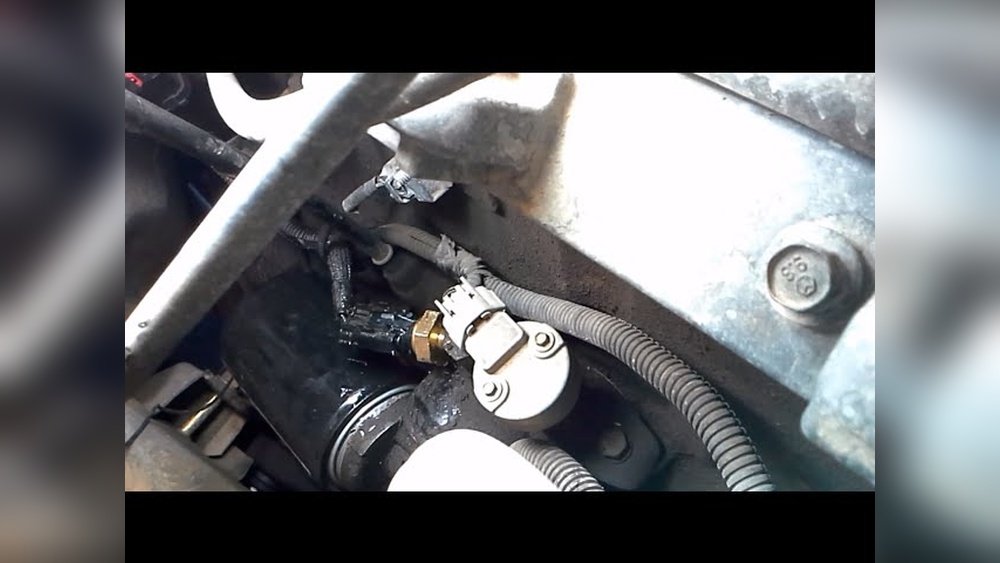
- Locate the Sensor: The oil pressure sensor on a 2000 Jeep Cherokee is typically located on the engine block, near the oil filter. It’s a small, cylindrical component with an electrical connector plugged into it. Consult your owner’s manual or a service manual if you have trouble finding it.
- Disconnect the Electrical Connector: Gently pull the plastic tab on the electrical connector and slide it off the sensor. Be careful not to force it or break the tab.
- Drain Some Oil (Optional but Recommended): While not always strictly necessary, draining a small amount of oil from the pan can minimize spillage when you remove the sensor. Place your drain pan underneath the sensor.
- Remove the Old Sensor: Using the appropriate socket wrench and extension, carefully loosen and remove the old oil pressure sensor. It might be tight, so apply steady pressure. Expect a small amount of oil to drain out as you remove it.
- Prepare the New Sensor: If your new sensor doesn’t have pre-applied thread sealant, apply a small amount of pipe thread sealant to the threads. Be careful not to get any sealant inside the sensor opening.
- Install the New Sensor: Screw the new sensor into the engine block by hand to avoid cross-threading. Once snug, use the socket wrench to tighten it. Do not overtighten, as this can damage the threads in the engine block or the sensor itself. A snug fit is sufficient.
- Reconnect the Electrical Connector: Plug the electrical connector firmly back onto the new sensor until it clicks into place.
- Clean Up and Lower Vehicle: Wipe away any spilled oil. If you raised the vehicle, carefully lower it back to the ground.
- Start the Engine and Check for Leaks: Start the engine and let it run for a few minutes. While it’s running, carefully inspect the area around the new sensor for any signs of oil leaks. Also, check your dashboard for the oil pressure warning light. It should now be off.
- Check Oil Level: After running the engine for a bit and ensuring no leaks, turn it off and re-check your oil level on the dipstick. Top up if necessary.
Important Considerations During Replacement
- Engine Temperature: It’s generally best to perform this replacement when the engine is cool, as working with hot oil and engine components can be dangerous.
- Thread Sealant: Always use pipe thread sealant on the sensor threads unless the new sensor explicitly states it is not needed. This prevents oil leaks.
- Correct Part: Double-check that you have the correct part number for your specific Jeep Cherokee. Using the wrong sensor can lead to incorrect readings or damage.
- Torque Specifications: If you have access to a torque wrench and the specific torque value for your sensor, use it. Overtightening is a common mistake that can strip threads.

When To Seek Professional Help
While replacing an oil pressure sensor is often a DIY job, there are situations where it’s best to consult a professional mechanic:
- Uncertainty about Diagnosis: If you’ve performed basic checks and are still unsure whether the sensor is the problem, or if you suspect a more serious issue like a failing oil pump.
- Difficult Access: If the sensor is located in a very hard-to-reach spot on your engine, making removal and installation difficult or impossible without specialized tools.
- Lack of Tools or Experience: If you don’t have the necessary tools or feel uncomfortable working under your vehicle or with engine components.
- Persistent Issues: If you replace the sensor and the problem persists, it indicates a deeper issue within the engine’s lubrication system that requires expert diagnosis.
- Low Oil Pressure Confirmed: If a mechanical gauge confirms genuinely low oil pressure, do not delay in seeking professional help. This is a critical engine condition.
Other Potential Causes Of Low Oil Pressure
It’s crucial to remember that a faulty oil pressure sensor can mimic problems that don’t exist. However, if the sensor is confirmed to be working correctly, or if a mechanical gauge shows low pressure, the issue lies elsewhere in the lubrication system.
Low Oil Level
This is the most straightforward cause of low oil pressure. If the oil level is too low, the oil pump can suck air, leading to a loss of pressure.
Always ensure your oil is at the correct level.
Worn Oil Pump
The oil pump is responsible for circulating oil throughout the engine. Over time, the internal components of the pump can wear out, reducing its ability to generate sufficient pressure. Symptoms of a failing oil pump often include a consistently low oil pressure reading, especially at higher RPMs.
Clogged Oil Filter Or Pickup Screen
The oil filter removes contaminants from the oil. If it becomes severely clogged, it can restrict oil flow and reduce pressure. Similarly, the oil pickup screen inside the oil pan, which feeds oil to the pump, can become blocked with sludge or debris, starving the pump.
Worn Engine Bearings
The main and connecting rod bearings in your engine are critical components lubricated by oil. If these bearings become excessively worn, they create larger clearances, allowing oil to escape more easily, thus reducing overall oil pressure. This is a more serious internal engine problem.
Oil Viscosity Issues
Using the wrong type or weight of engine oil can affect oil pressure. For example, using oil that is too thin (low viscosity) for the operating temperature can lead to low pressure, especially in a hot engine. Always use the oil viscosity recommended in your owner’s manual.
Leaks In The Lubrication System
External leaks from oil lines, the oil pan gasket, or the valve cover gasket can also lead to a gradual loss of oil and, consequently, oil pressure.

Frequently Asked Questions
What Is The Typical Lifespan Of An Oil Pressure Sensor?
The lifespan of an oil pressure sensor can vary greatly depending on factors like driving conditions, the quality of the sensor, and exposure to heat and vibration. However, they are generally designed to last for many years and miles, often exceeding 100,000 miles. When they fail, it’s usually due to wear and tear



















