Upgrading Your Jeep Tj: A Comprehensive Guide To New Wheels
The Jeep Wrangler TJ, produced from 1997 to 2006, is a beloved icon for off-road enthusiasts. Its rugged design and capable platform make it a perfect canvas for customization.
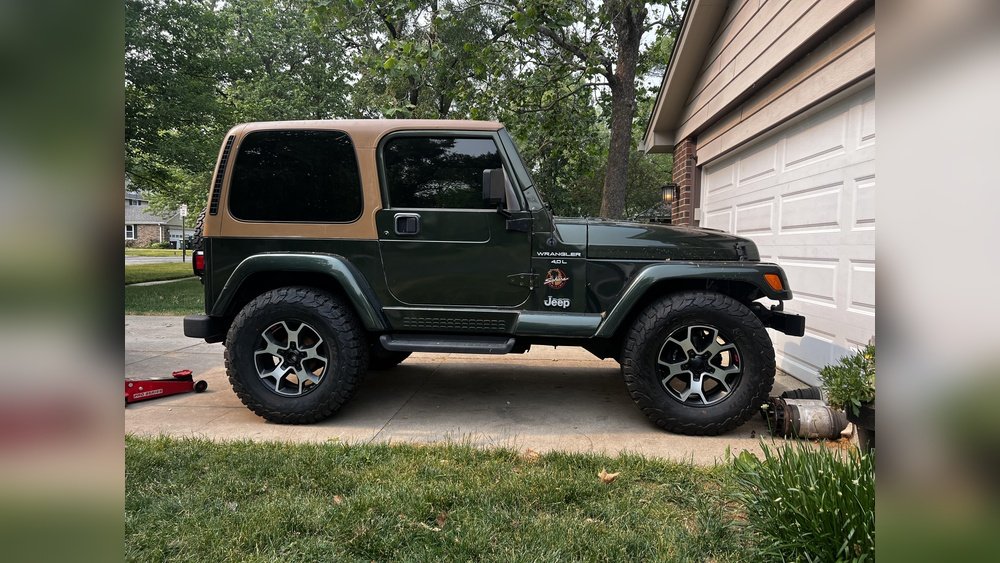
Among the most popular and impactful upgrades are new Jeep wheels. Changing your wheels can dramatically alter your TJ's look, improve its performance, and prepare it for tougher trails.
But with so many options, choosing the right wheels can feel overwhelming. This guide will break down everything you need to know to select and install new wheels for your Jeep TJ, ensuring you make informed decisions that enhance both style and function.
Why Change Your Jeep Tj Wheels?
There are several compelling reasons to consider upgrading your Jeep TJ’s wheels. Beyond the obvious aesthetic appeal, new wheels can offer tangible benefits for your driving experience.
First, improved off-road capability is a major driver for many TJ owners. Larger diameter wheels, often paired with larger tires, can increase ground clearance, allowing you to tackle obstacles with more confidence. They can also improve the approach and departure angles, crucial for extreme terrain. Furthermore, lighter wheels can reduce unsprung weight, which benefits suspension performance and can lead to a more responsive ride, both on and off the pavement.
Second, durability and strength are key considerations. Stock wheels, while adequate for daily driving, might not withstand the rigors of serious off-roading. Aftermarket wheels are often constructed from stronger materials like forged aluminum or steel, designed to endure impacts from rocks, roots, and other trail hazards. This increased resilience can prevent costly damage and keep you from getting stranded.
Third, personalization and style are undeniable factors. Your Jeep TJ is an extension of your personality, and its wheels are a significant part of its visual identity. Swapping out stock wheels for something more aggressive, unique, or color-matched can transform your TJ’s appearance, making it stand out from the crowd. Whether you prefer a classic rugged look or a modern custom vibe, there’s a wheel design to match your vision.
Finally, tire fitment plays a crucial role. Different tire sizes and types require specific wheel diameters and widths for optimal performance and safety. Upgrading your wheels can open up possibilities for running larger, more aggressive tires that are better suited for your intended use, whether it’s mud bogging, rock crawling, or overlanding.
Understanding Jeep Tj Wheel Specifications
Before you start browsing, it’s essential to understand the key specifications that define a wheel. Knowing these details will help you choose wheels that fit your TJ correctly and perform as expected.
Wheel Diameter
This is the most commonly discussed dimension, referring to the distance across the wheel from bead seat to bead seat. Common diameters for Jeep TJs range from 15 inches to 18 inches.
- 15-inch wheels: Often paired with larger, taller tires for a classic off-road look and maximum sidewall flex. They are popular for rock crawling.
- 16-inch wheels: A good balance between on-road comfort and off-road capability. They allow for a good range of tire sizes.
- 17-inch wheels: A very popular choice, offering a modern look and accommodating larger brake upgrades. They provide a good compromise for daily driving and off-road use.
- 18-inch wheels: Less common for extreme off-roading but can offer a stylish appearance and accommodate high-performance tires for on-road use.
Wheel Width
Wheel width is measured in inches and refers to the distance between the inner and outer wheel flanges. Common widths for TJs range from 7 inches to 9 inches. The width of the wheel directly impacts the tire’s contact patch and sidewall stability. A wider wheel generally supports a wider tire, providing better traction and stability, especially when aired down for off-roading. However, an excessively wide wheel can cause tire bead unseating issues.
Bolt Pattern (pcd)
This is the pattern of holes used to attach the wheel to the hub. For the Jeep TJ, the standard bolt pattern is 5×4.5 inches (also known as 5×114.3mm). This means there are five lug holes spaced equally around a 4.5-inch diameter circle. It’s crucial to match this bolt pattern precisely to your TJ’s wheel studs to ensure proper fitment and safety. Using the wrong bolt pattern can lead to vibrations, uneven tire wear, and potentially catastrophic failure.
Backspacing And Offset
These two terms are often confused but are critical for determining how a wheel sits in relation to the fender and suspension components.
- Backspacing is the distance from the back of the wheel mounting surface (where it bolts to the hub) to the outer lip of the wheel. For a TJ, typical backspacing ranges from 3.75 inches to 4.75 inches. Lower backspacing (often called “negative offset” in practice for Jeeps) pushes the wheel further out, which can help clear suspension components and allow for larger tires without rubbing.
- Offset is the distance from the wheel’s centerline to its mounting surface. A negative offset (where the mounting surface is closer to the outside of the wheel) pushes the wheel outward, similar to low backspacing. A positive offset pushes the wheel inward. Most aftermarket Jeep wheels have a negative offset or low backspacing to accommodate wider tires and improve stance.
Hub Bore
The hub bore is the center hole on the back of the wheel that fits over the vehicle’s hub. While many aftermarket wheels come with a universal hub bore that is larger than the TJ’s hub diameter, it’s best to use hub-centric rings. These rings fill the gap between the wheel’s hub bore and the vehicle’s hub, ensuring the wheel is perfectly centered on the axle. This eliminates vibrations at speed and reduces stress on the lug nuts and studs.
Types Of Wheels For Your Jeep Tj
The materials and construction methods used for wheels vary significantly, each offering different advantages and disadvantages.
Steel Wheels
Steel wheels are the traditional choice for off-roaders. They are known for their extreme durability and affordability.
- Pros: Very strong, resistant to bending and cracking on impact, easy to repair (often can be hammered back into shape), inexpensive.
- Cons: Heavy, prone to rust if not properly coated, limited in design options, can be difficult to balance due to their weight.
- Best For: Serious rock crawling and extreme off-roading where impact resistance is paramount and weight is less of a concern.
Aluminum Alloy Wheels
Aluminum alloy wheels are the most popular choice for many TJ owners due to their balance of strength, weight, and aesthetics.
- Pros: Lighter than steel wheels (improving unsprung weight and handling), offer a wide variety of designs and finishes, generally more resistant to corrosion than uncoated steel.
- Cons: Can be more expensive than steel, may crack or bend rather than dent on severe impact, repair can be more complex or impossible depending on the damage.
- Best For: Daily driving, mild to moderate off-roading, and owners who prioritize appearance and performance.
Forged Aluminum Wheels
These are the premium option, offering the highest strength-to-weight ratio. Forged wheels are made by heating aluminum alloy and forcing it into shape under immense pressure.
- Pros: Extremely strong and durable, significantly lighter than cast aluminum or steel wheels, often feature intricate and high-performance designs.
- Cons: Very expensive, can be difficult to repair if severely damaged.
- Best For: Extreme off-roading, competitive events, and owners who demand the absolute best in performance and durability and have a substantial budget.
Popular Wheel Materials And Finishes
Beyond the basic construction, the finish of your wheels plays a role in both appearance and maintenance.
- Powder Coating: A durable, attractive finish applied electrostatically and then cured under heat. It’s resistant to chipping, scratching, and fading. Common colors include black, grey, and bronze.
- Painted Finishes: Offer a wide range of colors and can be more cost-effective than powder coating, but may be less durable against impacts and harsh elements.
- Machined/Polished Finishes: These offer a bright, reflective look. Machined finishes have a metallic sheen, while polished finishes are mirror-like. They require regular cleaning and maintenance to prevent corrosion and maintain their shine.
- Chrome: A classic, high-gloss finish that offers a striking look but can be prone to peeling or pitting if not maintained, especially in areas with road salt.
Choosing The Right Tire And Wheel Combination
The wheel is only half of the equation; it must be paired with the correct tire for your intended use. The relationship between wheel size and tire size is crucial.
Tire Size And Wheel Diameter
Generally, larger wheel diameters require lower-profile tires (shorter sidewalls), while smaller wheel diameters allow for taller tires with more sidewall.
- 15-inch wheels: Often paired with 31-inch, 32-inch, 33-inch, or even larger tires. This setup provides ample sidewall for off-road articulation and a classic aggressive look.
- 16-inch wheels: Commonly fitted with 265/75R16 (approx. 31.6 inches) or 285/75R16 (approx. 32.9 inches) tires.
- 17-inch wheels: Popular with 285/70R17 (approx. 32.7 inches) or 315/70R17 (approx. 34.8 inches) tires.
Tire Width And Wheel Width Compatibility
The tire manufacturer provides recommended wheel width ranges for each tire size. Using a wheel that is too narrow or too wide for a tire can lead to poor performance, increased risk of tire damage, and safety concerns. For example, a 12.
5-inch wide tire (like a 33×12. 50R15) typically requires a wheel that is 8 to 10 inches wide.
Tire Types
- All-Terrain (AT) Tires: A versatile option for daily driving and moderate off-roading. They offer a good balance of on-road comfort and off-road traction.
- Mud-Terrain (MT) Tires: Designed for aggressive off-road performance, especially in mud. They have large, widely spaced lugs for maximum grip but can be noisy and less comfortable on pavement.
- Hybrid Tires: Combine features of AT and MT tires, aiming for a compromise between on-road manners and off-road capability.
Calculating Wheel Offset And Backspacing For Clearance
Achieving proper tire clearance is paramount when upgrading wheels and tires on a Jeep TJ. Rubbing can occur on fenders, control arms, sway bars, or the frame, especially when turning or articulating the suspension.
Backspacing And Tire Clearance
Lower backspacing (e. g.
, 3. 75 inches) pushes the wheel and tire outward from the suspension.
This is often necessary to clear wider tires or suspension components. For instance, fitting 33-inch tires might require wheels with 4 inches or less of backspacing.
Offset And Steering Components
A negative offset also pushes the wheel outward. This can help prevent the tire from rubbing against the inner fender well or steering components, but it can also increase stress on wheel bearings and potentially cause rubbing on the fender flares.
Common Tj Clearance Issues
- Control Arms: Especially the front lower control arms at full steering lock.
- Fender Flares: Particularly the front fenders when turning.
- Sway Bar: The front sway bar can interfere with larger tires, especially with low backspacing wheels.
- Inner Fenders: The plastic inner fenders can be a common rubbing point.
Pro Tip: A common strategy for fitting 33-inch tires on a TJ without significant modification is to use wheels with 4 inches of backspacing and potentially a 2-inch suspension lift. For 35-inch tires, you’ll likely need 4.5-inch or 5.5-inch backspacing (or spacers) along with a significant suspension lift (4 inches or more) and possibly fender trimming or aftermarket fenders.
Installing New Wheels On Your Jeep Tj
Installing new wheels is a relatively straightforward process, but it requires attention to detail and safety precautions.
Tools And Supplies Needed
- Jack and Jack Stands: Essential for safely lifting and supporting your TJ.
- Lug Wrench or Socket Set: To remove and install lug nuts. Ensure you have the correct socket size for your TJ’s lug nuts.
- Torque Wrench: Crucial for tightening lug nuts to the manufacturer’s specified torque.
- Penetrating Oil: May be needed to loosen stubborn lug nuts.
- Wire Brush: To clean wheel studs and the mounting surface of the new wheel.
- Hub-Centric Rings (Optional but Recommended): If your new wheels have a larger hub bore than your TJ’s hub.
- Gloves and Safety Glasses: For protection.
Step-by-step Installation Process
- Prepare the Vehicle: Park your TJ on a level surface and engage the parking brake. Loosen the lug nuts on the wheel you’re replacing *before* lifting the vehicle. Just break them loose, don’t remove them yet.
- Lift and Support: Use your jack to lift the corner of the TJ where you’ll be working. Place a jack stand securely under a strong point of the frame or axle to support the vehicle. Never work under a vehicle supported only by a jack.
- Remove the Old Wheel: Finish unscrewing the lug nuts and carefully remove the old wheel.
- Prepare the Hub: Clean the wheel studs and the hub mounting surface with a wire brush to remove any rust or debris. This ensures the new wheel sits flush.
- Install Hub-Centric Rings (If Applicable): Place the hub-centric ring onto the hub.
- Mount the New Wheel: Carefully slide the new wheel onto the hub, ensuring the lug holes align with the studs.
- Install Lug Nuts: Thread the lug nuts onto the studs by hand to avoid cross-threading.
- Snug the Lug Nuts: Use your lug wrench to snug the lug nuts in a star pattern. This helps seat the wheel evenly.
- Lower the Vehicle: Carefully lower the TJ off the jack stand until the tire is just touching the ground.
- Torque the Lug Nuts: Using your torque wrench, tighten the lug nuts to the manufacturer’s specification in a star pattern. For a Jeep TJ, the typical torque specification is around 100-115 ft-lbs (foot-pounds). Consult your owner’s manual or the wheel manufacturer’