The Mahindra Thar is more than just an SUV; it's an icon for adventure lovers in India and beyond. Its rugged design and off-road capabilities are legendary.
But to truly make your Thar your own, and to enhance its performance and looks, alloy wheels are a popular upgrade. They don't just change how your Jeep looks; they can also affect its handling, fuel efficiency, and off-road prowess.
Choosing the right alloy wheels for your Mahindra Thar involves understanding sizes, materials, designs, and how they impact your driving experience. This guide will walk you through everything you need to know, from the factory options to aftermarket choices, helping you select the perfect set to match your style and needs.
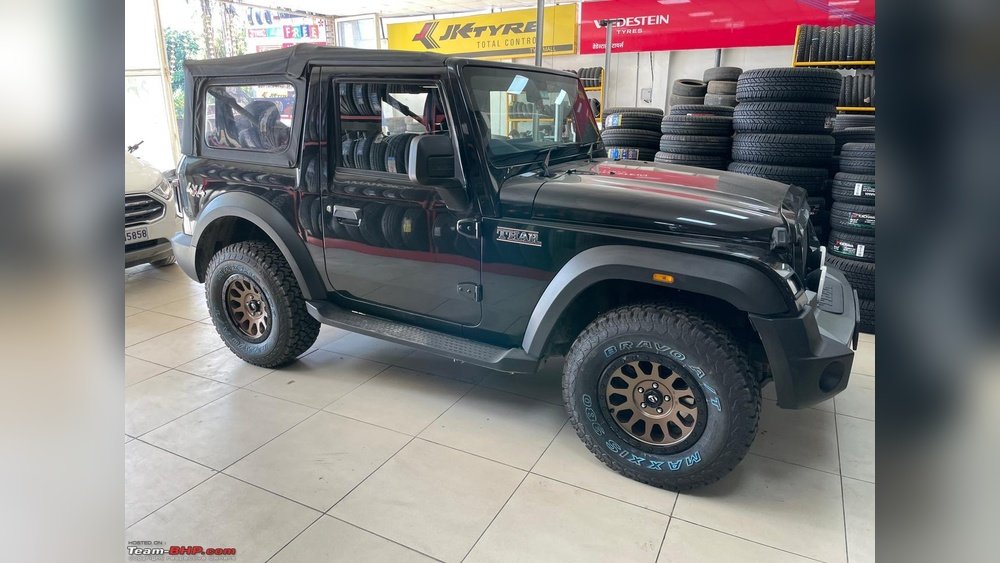
We’ll cover the benefits, the technical aspects, and what to look for, ensuring your Thar stands out and performs at its best.
Understanding Mahindra Thar Alloy Wheels: The Basics
Alloy wheels, often simply called alloys, are made from a mix of metals, primarily aluminum and nickel. This composition makes them lighter and stronger than traditional steel wheels.
For an off-road vehicle like the Mahindra Thar, the choice of wheels is crucial.
It directly impacts how the vehicle behaves on different terrains.
Why Upgrade To Alloy Wheels?
There are several compelling reasons to consider upgrading your Mahindra Thar’s wheels.
- Weight Reduction: Alloy wheels are significantly lighter than steel wheels. This reduced unsprung weight (the weight not supported by the suspension) allows your suspension to react more quickly to bumps and imperfections on the road or trail. This can lead to a smoother ride and better handling. Lighter wheels also mean less rotational mass, which can slightly improve acceleration and fuel efficiency.
- Aesthetics: This is often the primary driver for many Thar owners. Alloy wheels come in a vast array of designs, finishes, and sizes. They can dramatically change the look of your Jeep, giving it a more aggressive, sporty, or luxurious appearance. From classic five-spoke designs to intricate multi-spoke patterns, the options are nearly endless.
- Durability and Strength: While lighter, modern alloy wheels are engineered to be very strong. They can withstand the stresses of off-roading, including impacts from rocks and rough terrain, better than many might assume. However, the specific alloy composition and construction method play a role in their overall resilience.
- Brake Cooling: Many alloy wheel designs feature open spokes. This design allows for better airflow around the brake components. Improved airflow helps dissipate heat more effectively, which is crucial for maintaining brake performance, especially during demanding driving conditions like descents on steep trails or aggressive braking.
Factory Vs. Aftermarket Wheels
Mahindra offers its Thar models with different wheel options straight from the factory. However, the aftermarket offers a much wider selection.
- Factory Wheels: These are designed and tested by Mahindra to meet specific performance and safety standards for the Thar. They are a reliable choice if you prefer a stock look or are concerned about warranty implications. Common factory sizes for the Thar include 16-inch and 18-inch wheels, depending on the variant.
- Aftermarket Wheels: This is where personalization truly shines. You can find wheels in various sizes (often larger than factory options), offsets, bolt patterns, and styles. However, choosing aftermarket wheels requires more research to ensure they are compatible with your Thar and won’t negatively affect its performance or safety. It’s essential to buy from reputable brands and ensure they meet quality standards.
Key Factors When Choosing Mahindra Thar Alloy Wheels
Selecting the right alloy wheels involves looking beyond just the appearance. Several technical specifications and practical considerations are vital for optimal performance and safety.
Wheel Size (diameter And Width)
The diameter of the wheel is measured in inches and refers to the distance across the wheel from rim edge to rim edge. Common sizes for the Thar range from 16 inches to 18 inches, with some owners opting for larger aftermarket wheels.
- Larger Diameter: Generally allows for lower profile tires (shorter sidewalls). This can improve steering response and on-road handling by reducing tire flex. However, it can also make the ride harsher and reduce off-road capability as the tire sidewall is less forgiving.
- Smaller Diameter: Accommodates tires with taller sidewalls. This provides more cushioning for a comfortable ride and offers better protection against trail impacts. Taller sidewalls also allow for lower tire pressures, which is beneficial for off-roading to increase the tire’s contact patch with the ground.
The width of the wheel, also measured in inches, determines how wide a tire can be safely mounted. A wider wheel provides better support for a wider tire, which can improve grip and stability, especially during cornering. However, excessively wide wheels can cause tire wear issues if not paired correctly.
Bolt Pattern (pcd) And Offset
These are critical specifications for ensuring wheels fit correctly and function as intended.
- Bolt Pattern (PCD – Pitch Circle Diameter): This refers to the diameter of a circle passing through the center of the wheel’s bolt holes. For the Mahindra Thar, the common bolt pattern is 5×114.3mm. This means there are 5 bolt holes arranged on a circle with a diameter of 114.3 millimeters. Using wheels with the incorrect bolt pattern will prevent them from mounting onto your vehicle’s hubs.
- Offset: This is the distance from the wheel’s mounting surface (where it meets the hub) to the centerline of the wheel.
- Positive Offset: The mounting surface is closer to the outside of the wheel. This pulls the wheel inward towards the vehicle’s suspension.
- Negative Offset: The mounting surface is further from the outside of the wheel. This pushes the wheel outward, away from the vehicle.
- Zero Offset: The mounting surface is exactly at the centerline of the wheel.
The offset affects how the wheels sit in the wheel wells. An incorrect offset can cause the tire to rub against the suspension components, fenders, or bodywork. It can also impact steering geometry and bearing wear. The stock offset for the Mahindra Thar varies by model but is generally in the positive range. When choosing aftermarket wheels, it’s crucial to match or carefully select an offset that is compatible with your Thar’s suspension and any potential brake upgrades. Many aftermarket wheels for the Thar offer offsets designed to achieve a slightly more aggressive stance while maintaining proper clearance.
Material And Construction
The type of alloy and how the wheel is manufactured significantly influence its performance, durability, and cost.
- Gravity Casting: This is a common and cost-effective method. Molten alloy is poured into a mold, and gravity fills the shape. These wheels are generally heavier and less strong than those made with other methods.
- Low-Pressure Die Casting (LPDC): Molten alloy is forced into a mold under low pressure. This results in a denser, stronger, and lighter wheel compared to gravity casting.
- Forged Wheels: These are the strongest and lightest type. A solid block of aluminum alloy is heated and then subjected to immense pressure (forging). This process aligns the metal’s grain structure, creating an exceptionally strong and lightweight wheel. Forged wheels are typically the most expensive option and are often favored by hardcore off-roaders or those seeking maximum performance.
Load Rating
For an SUV like the Mahindra Thar, which is designed for rugged use, the load rating of the wheels is extremely important. This rating indicates the maximum weight a single wheel can safely support. The load rating must be equal to or greater than the load requirement for your specific Thar model. Exceeding the load rating can lead to wheel failure, especially under heavy loads or impacts. Always check the manufacturer’s specifications for your Thar and ensure the chosen alloy wheels meet or exceed these requirements.
Popular Alloy Wheel Sizes And Styles For The Mahindra Thar
The choice of wheel size can significantly impact the Thar’s appearance and performance. Here’s a look at common sizes and popular styles.
16-inch Wheels
Many base and mid-spec Mahindra Thar variants come equipped with 16-inch wheels. This size offers a good balance for off-roading.
- Tire Profile: 16-inch wheels allow for tires with taller sidewalls (e.g., 245/75 R16). These taller sidewalls provide more cushioning, absorb impacts better on rough terrain, and allow for lower tire pressures, which is beneficial for off-road traction.
- Off-Road Performance: This size is often preferred by off-road enthusiasts because the taller sidewalls are less susceptible to damage from rocks and sharp objects, and they offer more flex for better grip on uneven surfaces.
- Aesthetics: While perhaps less “stanced” than larger wheels, 16-inch wheels can look very purposeful and rugged, especially when paired with aggressive all-terrain or mud-terrain tires.
17-inch Wheels
17-inch wheels are a popular upgrade for Thar owners looking for a slightly sportier look and improved on-road handling without sacrificing too much off-road capability.
- Tire Profile: With 17-inch wheels, you’ll typically use tires with a lower profile (e.g., 245/65 R17 or similar). This means a shorter sidewall.
- On-Road Handling: The reduced tire sidewall flex leads to sharper steering response and less body roll during cornering on paved roads.
- Balance: This size offers a good compromise between on-road manners and off-road usability. While the sidewalls are shorter, they are still substantial enough for moderate off-roading.
18-inch Wheels
Higher-end Thar variants often come with 18-inch wheels, and this is a common size for aftermarket upgrades.
- Tire Profile: 18-inch wheels necessitate tires with significantly lower profiles (e.g., 255/55 R18).
- Aesthetics: Larger wheels generally give the vehicle a more modern and premium look. They fill the wheel wells better, creating a more assertive stance.
- On-Road Performance: The very low profile tires offer maximum responsiveness and grip on smooth surfaces. However, ride comfort can be compromised, and the risk of tire and wheel damage from impacts is higher.
- Off-Road Considerations: For serious off-roading, 18-inch wheels are less ideal due to the very low sidewalls. They are more prone to damage and offer less flexibility for airing down.
Popular Alloy Wheel Designs
Beyond size, the design of the alloy wheel plays a huge role in the Thar’s visual appeal.
- 5-Spoke: A classic and timeless design. It offers a clean look and is relatively easy to clean. It can range from simple, chunky spokes for a rugged look to slimmer, more elegant spokes for a sportier appearance.
- Multi-Spoke: These wheels feature numerous spokes, often thinner and more intricate. They can give the Thar a sophisticated or high-performance look.
- Off-Road Specific Designs: Many brands offer wheels specifically designed for off-road use. These often feature a more robust construction, beadlock-style rims (simulated or real), and designs that maximize strength and minimize weight. Examples include aggressive concave designs or those mimicking military-style wheels.
- Mesh/Grid Designs: These feature a pattern of interconnected spokes or a grid-like appearance, offering a unique and modern aesthetic.
Performance And Practical Implications Of Alloy Wheels
Changing your Thar’s wheels isn’t just about looks. It has tangible effects on how the vehicle drives and performs.
Impact On Handling And Ride Comfort
- Handling: Lighter wheels reduce unsprung mass. This means the suspension can react faster to road imperfections, keeping the tires in better contact with the ground. This translates to improved grip and more predictable handling, especially around corners and over bumps. Larger diameter wheels with lower profile tires generally offer sharper steering response due to less sidewall flex.
- Ride Comfort: Taller tire sidewalls (enabled by smaller wheel diameters) act as additional suspension, absorbing road shocks and providing a more comfortable ride. Conversely, smaller sidewalls on larger wheels transmit more road imperfections to the cabin, leading to a firmer, potentially harsher ride.
Fuel Efficiency
The weight of the wheels directly impacts fuel consumption.
- Lighter Wheels: Consistently lead to better fuel economy. Reducing the weight that the engine needs to rotate means less energy is expended. While the difference might seem small per rotation, over a long drive, it can add up.
- Larger Diameter Wheels: Can sometimes decrease fuel efficiency. While the alloy itself might be lighter than a smaller steel wheel, the overall increase in diameter can lead to higher rolling resistance and require more effort from the engine, especially if paired with wider tires.
Off-road Performance
For a vehicle like the Thar, off-road capability is paramount.
- Wheel Strength: Aftermarket wheels, especially those not specifically designed for off-roading, might not be as robust as the factory steel or alloy wheels. Impacts with rocks or hard objects can bend or crack less durable alloys. Forged wheels or wheels with higher load ratings are recommended for serious off-roading.
- Tire Compatibility: The wheel width needs to be appropriate for the tire size. A wheel that is too narrow or too wide for a tire can lead to poor tire performance, increased risk of de-beading (tire coming off the rim), and compromised handling.
- Airing Down: Off-roaders often reduce tire pressure to increase the tire’s contact patch and improve grip on loose surfaces like sand or mud. Smaller diameter wheels with taller sidewalls allow for more significant air-down capability without risking damage to the wheel itself.
Braking Performance
While alloy wheels can aid brake cooling through their design, the size and weight can also play a role.
- Cooling: Open-spoke designs promote better airflow, helping to keep brakes cooler. Overheating brakes can lead to brake fade, a dangerous reduction in braking effectiveness.
- Weight: Lighter wheels reduce the rotational inertia, meaning less energy is required to slow them down. This can contribute to slightly improved braking distances, particularly with lighter wheels.
- Clearance: Larger wheels can sometimes accommodate larger brake rotors and calipers, which can significantly improve braking performance. However, this is usually only a consideration for heavily modified vehicles.
Choosing The Right Aftermarket Wheels: A Step-by-step Approach
Navigating the world of aftermarket wheels can be overwhelming. Here’s a practical guide to help you make an informed decision for your Mahindra Thar.
- Define Your Needs:
- Primary Use: Is your Thar mainly for city driving with occasional light trails, or is it a dedicated off-roader?
- Aesthetics: What look are you going for, aggressive, sporty, subtle?
- Budget: Aftermarket wheels vary widely in price.
- Performance Goals: Are you looking for better on-road



















