A lift kit for Jeep Cherokee 2016 can transform your SUV, giving it a more aggressive stance and significantly improving its off-road capabilities.
Whether you're looking to fit larger tires, enhance ground clearance for tackling rough terrain, or simply achieve a more imposing look, understanding the different types of lift kits and their implications is crucial.
This guide will walk you through everything you need to know to make an informed decision for your 2016 Jeep Cherokee.
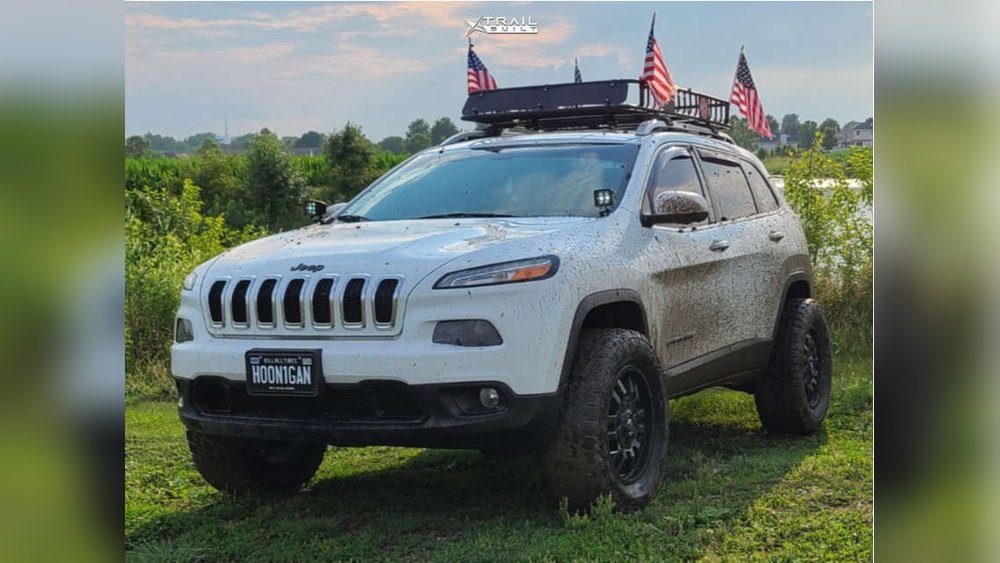
The 2016 Jeep Cherokee, known for its comfortable ride and capable on-road manners, can be further enhanced with a suspension lift. Unlike older body-on-frame Jeeps, the 2016 Cherokee is a unibody SUV, which means its body and frame are a single structure. This design influences the type of lift kits available and how they are installed. Most lift kits for this generation of Cherokee focus on suspension modification rather than body lifts, which are less common and generally not recommended for this platform.
Choosing the right lift kit involves considering factors like the desired amount of lift, the intended use of your vehicle, your budget, and your comfort level with installation. A well-chosen lift kit not only improves aesthetics but also unlocks new possibilities for adventure, allowing you to explore trails you might not have dared to before.
Types Of Lift Kits For The 2016 Jeep Cherokee
For the 2016 Jeep Cherokee, the most common and effective lift solutions involve modifying the suspension system. These kits are designed to raise the vehicle’s body by increasing the distance between the chassis and the axles, or by altering the suspension components themselves. The primary goal is usually to increase ground clearance and allow for the fitment of larger, more aggressive tires.
Spacer Lifts
Spacer lifts are one of the most budget-friendly and straightforward ways to add a few inches of lift to your 2016 Jeep Cherokee. These kits typically consist of durable spacers that are installed above the existing suspension components, such as the strut or coil spring.
- How they work: For a vehicle like the 2016 Cherokee, which uses a strut-based suspension in the front and often a similar setup or coil springs in the rear, spacers are inserted between the top of the strut assembly and the vehicle’s body. This effectively pushes the suspension down, raising the vehicle.
- Lift height: Spacer lifts usually offer modest lift heights, commonly ranging from 1 to 3 inches. This is often enough to clear slightly larger tires and provide a subtle aesthetic improvement.
- Pros:
- Affordability: They are generally the least expensive lift option.
- Ease of Installation: Many spacer lift kits can be installed by a DIY enthusiast with basic tools and mechanical knowledge.
- Maintains Factory Ride Quality: Because they don’t significantly alter the suspension geometry or spring rates, they tend to have minimal impact on the vehicle’s on-road ride comfort.
- Cons:
- Limited Off-Road Performance: They don’t improve suspension travel or articulation, which are key for serious off-roading.
- Potential for Alignment Issues: While less common with smaller lifts, aggressive driving or larger tires might still require an alignment.
- Aesthetic Limitations: The lift is primarily visual; it doesn’t fundamentally change the vehicle’s off-road capability.
Coil Spring Lifts
Coil spring lifts are a more involved, but often more effective, solution for lifting a 2016 Jeep Cherokee. These kits replace the factory coil springs with taller, stiffer springs designed to provide lift and potentially improve suspension performance.
- How they work: In the front, taller coil springs are installed within the strut assembly or as a separate component depending on the specific suspension design. In the rear, new coil springs replace the stock ones. Some kits may also include longer shocks or struts to match the new spring height and maintain proper suspension travel.
- Lift height: Coil spring lifts can offer a wider range of lift heights, typically from 2 to 4 inches. Higher lifts may require additional components like adjustable control arms or sway bar end links to correct suspension geometry.
- Pros:
- Improved Off-Road Capability: Taller, often more robust springs can provide better ground clearance and a slightly improved suspension response for off-road conditions.
- Better Aesthetics: A coil spring lift generally results in a more substantial and aggressive look.
- More Comprehensive Upgrade: Often includes other necessary components for a complete suspension upgrade.
- Cons:
- Higher Cost: More expensive than spacer lifts due to the cost of the springs and potentially other components.
- More Complex Installation: Requires more mechanical expertise and tools, often making professional installation recommended.
- Potential for Stiffer Ride: Taller, stiffer springs can make the ride firmer, especially on uneven surfaces.
Strut Extenders/spacers
Similar to spacer lifts, strut extenders are designed to work with the existing strut assembly. These are typically metal or polyurethane blocks that bolt between the top of the strut and the vehicle’s chassis.
- How they work: They essentially create a gap, pushing the strut assembly downward and thus lifting the vehicle. They are a very common method for achieving a modest lift on unibody SUVs like the 2016 Cherokee.
- Lift height: Usually offer 1 to 2.5 inches of lift.
- Pros:
- Cost-Effective: Generally more affordable than full coil spring replacement kits.
- Simple Installation: Can be a DIY-friendly modification.
- Retains OE Ride: Minimal impact on the factory ride quality.
- Cons:
- Limited Lift Height: Not suitable for those seeking significant lift.
- Can Affect Suspension Geometry: At higher lift amounts, they can sometimes put additional stress on suspension components or require alignment adjustments.
Adjustable Control Arms And Other Components
For lifts exceeding 2-3 inches, or for those aiming for optimal suspension geometry and performance, additional components become necessary. Adjustable control arms are key here.
- How they work: When a vehicle is lifted, the angles of the control arms change. This can negatively affect alignment, suspension travel, and stability. Adjustable control arms allow technicians to precisely set the correct angles for caster and camber, ensuring proper alignment and handling.
- Other components: Depending on the lift height and kit, you might also need longer sway bar end links, differential drop kits (to correct CV joint angles on 4×4 models), extended brake lines, and potentially re-gearing for larger tires.
- Pros:
- Restores Proper Geometry: Crucial for maintaining safe handling and preventing premature wear on suspension parts.
- Maximizes Performance: Allows for proper suspension articulation and travel, essential for off-roading.
- Enables Higher Lifts: Necessary for lifts above a certain threshold.
- Cons:
- Increased Cost: These components add significant expense to the lift kit.
- Complex Installation: Requires specialized knowledge and tools for proper setup and alignment.
Factors To Consider When Choosing A Lift Kit
Selecting the right lift kit for your 2016 Jeep Cherokee involves more than just picking a height. You need to think about how you’ll use your Jeep, what you want to achieve, and what your budget allows.
Intended Use: Daily Driver Vs. Off-road Explorer
The primary use of your Jeep Cherokee is the most important factor.
- Daily Driver with Occasional Light Trails: If your Cherokee is mostly for commuting and the occasional trip on a gravel road or mild dirt path, a spacer lift or a mild coil spring lift (1-2 inches) is likely sufficient. These options provide a slight lift for better aesthetics and minor clearance gains without significantly compromising the comfortable ride quality you expect from a daily driver. You’ll also likely be able to fit slightly larger all-terrain tires without major issues.
- Serious Off-Roading: For those planning to tackle more challenging trails, rock crawling, or mudding, a more robust setup is needed. This typically involves a higher lift (3 inches or more), likely using quality coil springs and potentially adjustable control arms, longer shocks, and other suspension geometry correction components. The focus here shifts from comfort to durability, articulation, and ground clearance. You’ll want a kit that allows for maximum suspension travel and can handle the stresses of off-road abuse.
Desired Lift Height And Tire Size
The amount of lift you want directly influences the type of kit you’ll need and the tire size you can fit.
- 1-2 Inches: This modest lift is often achievable with spacer lifts or strut extenders. It’s generally enough to clear 245/70R17 or 255/65R17 tires (depending on the specific tire and wheel offset), which are common upgrades for a more aggressive look and slightly better traction.
- 2-3 Inches: A coil spring lift or a more substantial spacer kit can achieve this. This height allows for 265/70R17 or even 275/65R17 tires. You might start needing to consider minor trimming of the fender liners or bumper to prevent rubbing, especially at full suspension compression or during tight turns.
- 3-4 Inches: This level typically requires a full coil spring lift kit, often including longer shocks and potentially adjustable control arms to correct suspension angles. This height can accommodate 275/70R17 or 285/70R17 tires. At this height, fender liner trimming is almost always necessary, and sometimes minor body mount chop (BMC) might be considered for maximum clearance without excessive rubbing.
Budget Considerations
Lift kits vary significantly in price. It’s important to set a realistic budget that includes not just the kit itself, but also potential installation costs and necessary alignment.
- Budget-Friendly (Under $500): This range typically covers basic spacer lifts or strut extension kits. These are great for a mild aesthetic upgrade and minor tire size increase.
- Mid-Range ($500 – $1500): This budget opens up options for quality coil spring lift kits from reputable brands. These kits often provide a better balance of performance and ride quality, and may include better quality shocks.
- High-End ($1500+): This budget allows for comprehensive kits that include adjustable control arms, upgraded shocks (like Bilstein or Fox), and all the necessary components for proper suspension geometry correction, especially for lifts of 3 inches or more. This is the route for serious off-roaders who need maximum performance and durability.
Installation Complexity And Diy Vs. Professional
- DIY Friendly: Spacer lifts and strut extenders are generally the easiest to install yourself if you have basic mechanical skills and tools like jack stands, a floor jack, wrenches, and sockets. Many kits come with detailed instructions.
- Professional Recommended: Coil spring lifts, especially those involving spring compressors, strut disassembly, or the addition of adjustable control arms, are significantly more complex. Installation often requires specialized tools and a thorough understanding of suspension geometry. If you’re not experienced, professional installation is highly recommended to ensure safety and proper vehicle alignment. An incorrect installation can lead to poor handling, premature wear on components, and even safety hazards.

Popular Lift Kit Brands And Options
Several reputable manufacturers offer lift kits for the 2016 Jeep Cherokee. Choosing a well-known brand often ensures better quality control, more comprehensive instructions, and better customer support.
Rough Country
Rough Country is known for offering affordable and accessible lift kits. They provide various options for the 2016 Cherokee, primarily focusing on spacer lifts and mild coil spring lifts.
- Typical Offerings: Spacer lifts (1.5″ to 2.5″), and some basic coil spring kits.
- Pros: Very budget-friendly, often includes necessary hardware, generally easy to install.
- Cons: Ride quality can sometimes be compromised compared to more premium brands, longevity might be less for extreme use.
Supreme Suspension
Supreme Suspension offers a range of lift kits, often focusing on spacers and mild lift solutions that are designed for ease of installation and maintaining a comfortable ride.
- Typical Offerings: Front and rear strut spacers, sometimes combined kits.
- Pros: Good value, designed for straightforward installation, maintains factory ride feel.
- Cons: Limited to lower lift heights, not ideal for extreme off-roading.
Readylift
Readylift is a popular choice for suspension components that aim to balance lift height with ride quality. They offer kits that are often more refined than basic spacer kits.
- Typical Offerings: Spacer kits, and sometimes kits that incorporate mild spring changes or leveling components.
- Pros: Good reputation for maintaining ride comfort, durable components.
- Cons: Can be more expensive than basic spacer kits.
Old Man Emu (ome) / Arb
For those seeking serious off-road performance and durability, Old Man Emu (OME), often associated with ARB, offers high-quality suspension upgrades. While they might not offer a “lift kit” in the traditional sense for the Cherokee, their heavy-duty springs and shocks can provide a modest lift (often 1-2 inches) while significantly improving off-road capability and load-carrying capacity.
- Typical Offerings: Replacement springs and shocks designed for increased travel and durability.
- Pros: Exceptional off-road performance, superior ride quality on rough terrain, very durable.
- Cons: More expensive, installation can be more involved, lift height is typically modest.
Mopar
As the original equipment manufacturer (OEM), Mopar sometimes offers official accessories or performance parts that can provide a slight lift. These are often designed to integrate seamlessly with the vehicle’s existing systems.
- Typical Offerings: May include Mopar-branded suspension upgrades or accessories that provide a small lift.
- Pros: Guaranteed fitment and compatibility, maintains warranty.
- Cons: Lift height is usually very limited (often less than 1 inch), can be expensive for the amount of lift provided.
Installation Process: What To Expect
The installation process for a lift kit on a 2016 Jeep Cherokee varies greatly depending on the type of kit. Here’s a general overview of what’s involved.
Spacer Lift Installation
- Preparation: Park the Jeep on a level surface. Engage the parking brake and block the rear wheels.