Replacing the steering wheel on a Jeep ZJ is a task that many owners can tackle themselves, saving a significant amount of money compared to professional installation. While it might seem daunting at first, especially with the airbag system involved, breaking down the process into manageable steps makes it achievable.
This guide will walk you through everything you need to know, from understanding why you might need a new steering wheel to the detailed steps for its removal and installation, including essential safety precautions.
The Jeep Grand Cherokee ZJ, produced from 1993 to 1998, is a popular SUV known for its capability and comfort. Over time, the steering wheel can suffer wear and tear from constant use, sun exposure, or even damage.
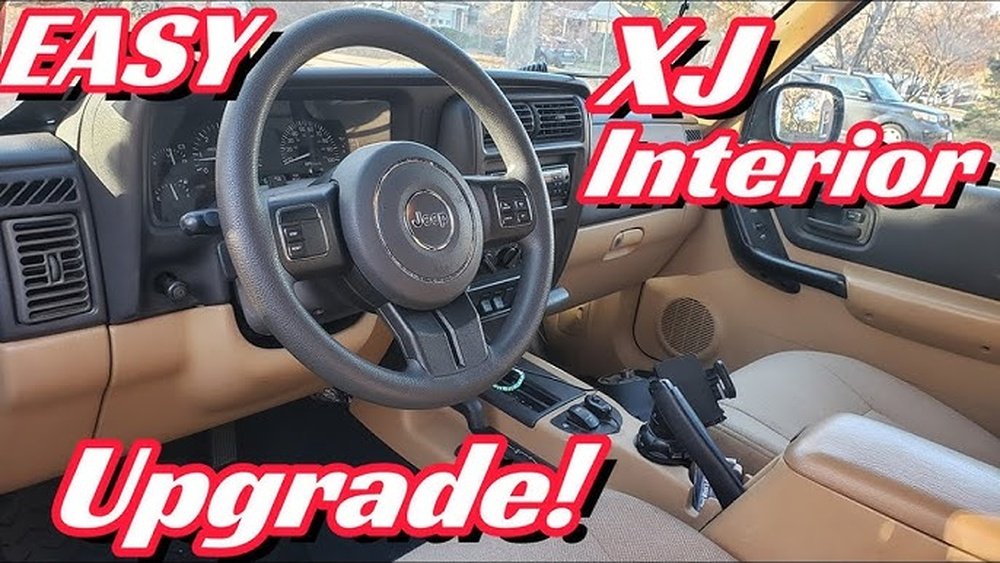
Common reasons for replacement include a cracked or peeling leather/vinyl cover, a damaged or broken steering wheel, or simply wanting to upgrade to a different style or material for improved grip and aesthetics.
Some owners also choose to replace it if the original wheel has become sticky or uncomfortable to touch due to degradation of the materials.
Safety First: The Airbag System
The most critical aspect of replacing a ZJ steering wheel is dealing with the driver’s side airbag. This system is designed to deploy in an accident to protect the driver, and it contains an explosive charge. Improper handling can lead to accidental deployment, causing serious injury. Therefore, safety precautions are paramount. Always disconnect the battery and wait a sufficient amount of time before working on any airbag system. It’s also wise to consult your ZJ’s specific service manual for detailed airbag system procedures.
Understanding Your Jeep Zj Steering Wheel Components
Before diving into the replacement, it’s helpful to understand the different parts of the steering wheel assembly on a Jeep ZJ. This includes the wheel itself, the airbag module, the clock spring (also known as the spiral cable), the steering column covers, and various trim pieces.
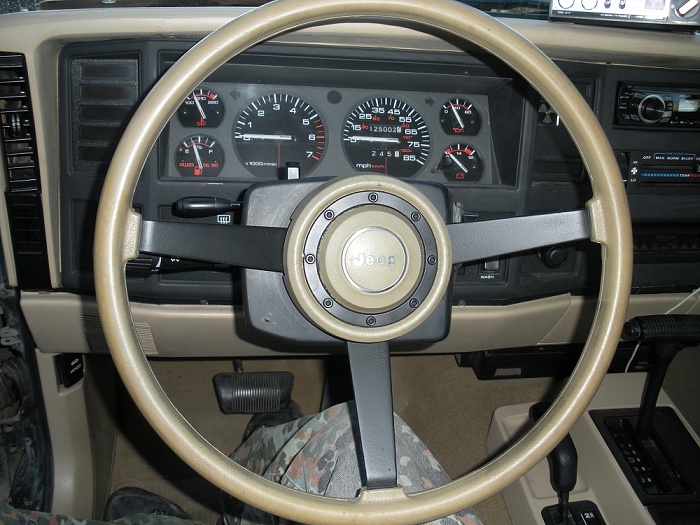
The steering wheel is the part you physically interact with. It’s usually made of plastic with a covering of leather, vinyl, or rubber.
The airbag module is a self-contained unit that houses the airbag cushion and the inflator mechanism. It’s typically secured to the back of the steering wheel.
The clock spring is a crucial component located behind the steering wheel, within the steering column. It’s a coiled ribbon cable that allows electrical signals to pass from the steering column to the steering wheel, enabling the horn, airbag, and steering wheel controls (if equipped) to function even as you turn the wheel. A faulty clock spring can cause the airbag light to illuminate or lead to the failure of other steering wheel functions.
Steering column covers are plastic shrouds that surround the steering column, providing a clean look and housing some of the mechanical components.
Why Replace Your Jeep Zj Steering Wheel?
Several factors might prompt a ZJ owner to consider a steering wheel replacement. Understanding these reasons can help you decide if it’s the right time for an upgrade.
Wear And Tear
Over years of driving, the original steering wheel material can degrade.
- Leather/Vinyl Cracking: Constant contact with hands, UV exposure, and temperature fluctuations can cause leather or vinyl covers to crack, peel, or become shiny and worn. This not only looks bad but can also feel unpleasant to the touch.
- Material Degradation: Some older plastic or rubber components can become sticky or gummy, especially in hot climates. This can make the wheel difficult to grip and unpleasant to handle.
Damage
Accidents, impacts, or even rough handling can lead to physical damage.
- Cracks and Breaks: The steering wheel itself, often made of a strong plastic or composite material, can develop cracks or even break if subjected to significant force.
- Loose Components: Trim pieces or the airbag cover might become loose, creating rattles or a general feeling of poor quality.
Aesthetics And Comfort
Many owners opt for replacement to improve the look and feel of their ZJ’s interior.
- Upgraded Materials: Swapping a worn vinyl wheel for a new leather-wrapped one can significantly enhance the interior’s feel and appearance.
- Ergonomic Improvements: Aftermarket steering wheels might offer different shapes, thicknesses, or grip textures that some drivers find more comfortable or sporty.
- Personalization: A new steering wheel is a relatively simple way to personalize the vehicle’s interior to match the owner’s style.
Functional Issues
Sometimes, the steering wheel needs replacement due to underlying problems.
- Horn Not Working: While often a fuse or relay issue, a damaged steering wheel hub or internal wiring can also cause the horn to fail.
- Airbag Light: If the airbag light is on and diagnostics point to the steering wheel module or clock spring, replacement might be necessary.
Tools And Materials Needed
Before you start, gather all the necessary tools and materials. Having everything ready will make the process smoother and safer.
Essential Tools:
- Socket Set: You’ll need various metric sockets, particularly 10mm, 13mm, and possibly a deep socket for the steering wheel nut.
- Ratchet Wrench: For using the sockets.
- Torque Wrench: Crucial for tightening the steering wheel nut to the correct specification to ensure safety.
- Screwdrivers: Both Phillips and flathead screwdrivers will be needed for removing trim and airbag module screws.
- Trim Removal Tools: Plastic trim removal tools are highly recommended to avoid scratching or damaging interior panels.
- Steering Wheel Puller: While some steering wheels can be removed by hand after the nut is loosened, a steering wheel puller is often essential, especially if the wheel is stuck on the splines. This tool prevents damage to the steering column and wheel.
- Pliers: For disconnecting electrical connectors.
- Safety Glasses: To protect your eyes from debris.
- Gloves: To protect your hands and maintain a good grip.
Materials:
- New Steering Wheel: Ensure it’s compatible with your specific Jeep ZJ model year.
- New Airbag Module (if needed): If your old one is damaged or you’re replacing it preventatively.
- Replacement Trim Pieces (if needed): If any plastic parts are broken.
- Service Manual: A factory service manual or a good quality repair manual for your ZJ is invaluable for torque specs and specific procedures.
Step-by-step Guide: Replacing Your Jeep Zj Steering Wheel
This guide provides a general overview. Always refer to your specific vehicle’s service manual for precise instructions and torque values.
Step 1: Safety First, Disconnect The Battery
This is the most critical step when working with an airbag system.
- Locate the battery under the hood.
- Using a appropriate wrench (usually 10mm or 13mm), disconnect the negative battery terminal.
- Crucially, secure the disconnected negative cable so it cannot accidentally touch the battery post. You can wrap it in tape or tuck it away.
- Wait at least 15-30 minutes after disconnecting the battery. This allows any residual power in the airbag system’s capacitors to dissipate, significantly reducing the risk of accidental deployment.
Step 2: Access The Airbag Module
The airbag module is typically held in place by bolts or clips from behind the steering wheel.
- Turn the steering wheel so you can access the back of it. You might need to turn it about 90 degrees in one direction.
- Look for access holes or slots on the back or sides of the steering wheel hub.
- You will likely find Torx head bolts (often T30 or T40) or sometimes standard hex bolts securing the airbag module. Insert the appropriate screwdriver or socket into these holes.
- Carefully loosen and remove these bolts. Be gentle, as these fasteners can sometimes be delicate.
- Once the bolts are removed, the airbag module should be loose enough to gently pull away from the steering wheel. Do NOT pull hard, as it is still connected by wiring.
- Locate the electrical connector(s) for the airbag module. There might be a yellow connector, which is standard for airbag systems.
- Carefully disconnect the airbag connector. There’s usually a small locking tab you need to press or lift. Never use excessive force. If it’s stuck, double-check for any locking mechanisms.
- Once disconnected, gently lift the airbag module out and set it aside in a safe place, face up. Never place it face down, as this can be a safety hazard.
Step 3: Remove The Steering Wheel
With the airbag module safely out of the way, you can now remove the steering wheel itself.
- Identify the steering wheel retaining nut. This is a large nut in the center of the steering wheel, holding it onto the steering column splines.
- Loosen but do not remove this nut completely. Leave it on by a few threads. This prevents the steering wheel from flying off the column when you try to remove it and also protects the threads from damage if the wheel comes off suddenly.
- Attempt to remove the steering wheel. Wiggle it side-to-side while pulling towards you. If it doesn’t budge, this is where a steering wheel puller becomes essential.
- Install the steering wheel puller. This tool typically threads into holes on the steering wheel hub and then uses a central bolt to press against the end of the steering column shaft, forcing the wheel off the splines. Follow the instructions for your specific puller.
- Tighten the puller’s center bolt. You will feel resistance, and then the steering wheel should pop loose from the column.
- Once the wheel is free, remove the retaining nut completely.
- Carefully slide the old steering wheel off the steering column. Note the orientation of the wheel and the column splines.
Step 4: Transfer Components (if Necessary)
If you’re installing an aftermarket steering wheel or a replacement that doesn’t come with all parts, you may need to transfer components from your old wheel.
- Horn Button/Pad: If your new wheel doesn’t include a horn pad, you might need to transfer the old one.
- Trim Pieces: Any plastic bezels or trim rings might need to be moved to the new wheel.
- Clock Spring: Do NOT disturb the clock spring unless you are replacing it. If you need to replace the clock spring, there are specific procedures for centering it before installing the new steering wheel. If you rotate the clock spring without it being centered, you can damage the internal ribbon cable, leading to airbag or horn failure. If you are unsure, it’s best to leave it alone or have a professional do it.
Step 5: Install The New Steering Wheel
This is the reverse of removal.
- Align the new steering wheel with the splines on the steering column. Ensure it’s oriented correctly. There is usually a specific way the wheel indexes onto the splines.
- Slide the new wheel onto the column. It should seat firmly.
- Install the steering wheel retaining nut.
- Tighten the nut using a socket wrench.
- Crucially, use a torque wrench to tighten the nut to the manufacturer’s specified torque. This is vital for safety. For a Jeep ZJ, this is typically around 35-45 ft-lbs, but always verify this in your service manual. Overtightening or undertightening can be dangerous.
Step 6: Reconnect The Airbag Module
- Ensure the steering wheel is centered and straight. If you had to remove and recenter the clock spring, ensure it’s properly aligned.
- Carefully align the airbag module with the mounting points on the new steering wheel.
- Reconnect the airbag electrical connector(s). Ensure they click securely into place.
- Secure the airbag module using the original bolts or screws. Tighten them snugly but avoid overtightening.
Step 7: Reconnect The Battery And Test
- Double-check all connections and ensure no tools or loose wires are left behind.
- Reconnect the negative battery terminal.
- Turn the ignition key to the ‘ON’ position (do not start the engine yet).
- Observe the dashboard warning lights. The airbag warning light should illuminate for a few seconds and then turn off. If it stays on, or if it flashes, there is likely an issue with the airbag system installation, and you should immediately disconnect the battery and re-check your work.
- Test the horn. Press the horn pad to ensure it functions correctly.
- Start the engine. If the airbag light remains off, all systems should be functioning correctly.
- Turn the steering wheel lock-to-lock to ensure smooth operation and that no warning lights appear.

Common Issues And Troubleshooting
Even with careful work, you might encounter problems. Here are some common issues and how to address them.
Airbag Light Stays On
This is the most common and concerning issue.
- Cause: Poor connection of the airbag connector, a damaged clock spring, or a faulty airbag module.
- Solution: Disconnect the battery again, wait, and meticulously re-check the airbag connector. Ensure it’s fully seated and locked. If the light persists, the clock spring might be damaged or misaligned, or the airbag module itself might be faulty. In these cases, professional diagnosis is recommended.
Horn Not Working
- Cause: A loose horn wire connection, a damaged clock spring, or a faulty horn button/pad.
- Solution: Check the electrical connector for the horn at the steering wheel. If that’s okay, the problem could be internal to the clock spring or the horn button mechanism.
Steering Wheel Won’t Come Off
- Cause: The steering wheel is seized onto the steering column splines due to corrosion or years of being stuck.
- Solution: A quality steering wheel puller is essential. Ensure you are using it correctly and applying even pressure. Sometimes, a few taps with a rubber mallet on the side of the wheel hub (away from the column) can help break it loose after the puller is tensioned.
Steering Wheel Off-center After Installation
- Cause: The steering wheel was not aligned correctly with the column splines, or the clock spring was not centered before installation.
- Solution: If the steering wheel is just slightly off, you might be able to remove it, re-index it on the splines by one tooth, and reinstall. If it’