Enhancing Your Jeep Yj: A Deep Dive Into Rear Wheel Well Speaker Boxes
The Jeep YJ, a beloved icon in the off-road community, is known for its rugged capability and distinctive style. While its performance on challenging terrain is legendary, many owners look to enhance its interior experience, and audio quality is a common area for upgrades.
One of the most effective ways to improve your Jeep YJ's sound system is by installing rear wheel well speaker boxes. These custom enclosures are designed to maximize sound output and clarity by utilizing often-unused space.
This guide will explore everything you need to know about Jeep YJ rear wheel well speaker boxes, from their benefits and types to installation tips and considerations for achieving the best audio performance.
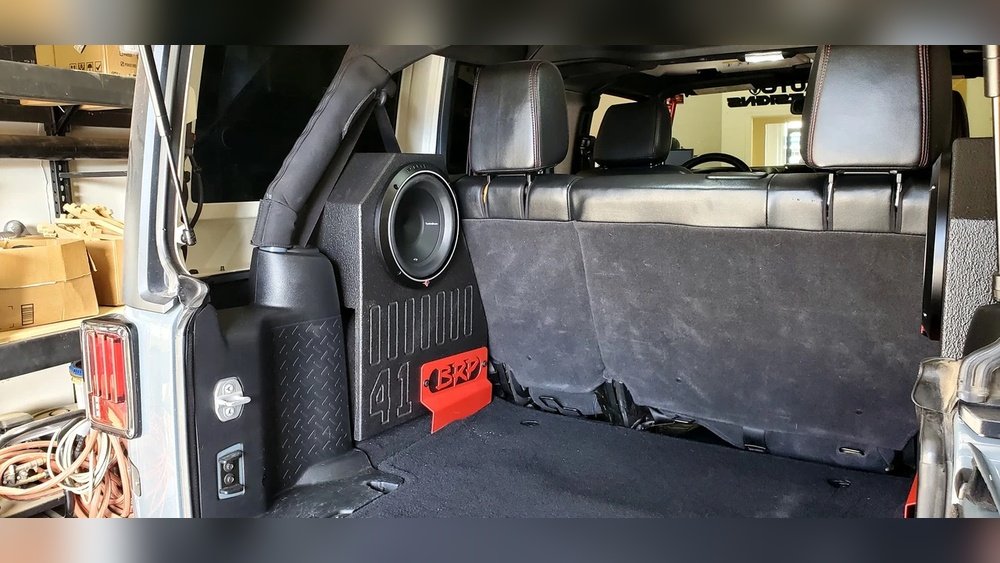
Many Jeep YJ owners find the factory speaker placement less than ideal for achieving rich, full sound. The limited interior space and the often-open-air nature of the Jeep mean that traditional speaker installations can struggle to deliver impactful bass or clear highs. This is where rear wheel well speaker boxes come into play. By strategically mounting speakers in the wheel wells, you can free up valuable cabin space, improve sound staging, and create a more immersive listening experience. This upgrade is particularly popular for those who want to upgrade their stereo without sacrificing cargo room or altering the iconic Jeep aesthetic.
Why Choose Rear Wheel Well Speaker Boxes For Your Jeep Yj?
The decision to install rear wheel well speaker boxes in your Jeep YJ is driven by a combination of practical and audio-related advantages. Understanding these benefits will help you appreciate why this modification is so popular among Jeep enthusiasts.
One of the most significant advantages is the space-saving aspect. Jeep YJs, while spacious for their size, can quickly become cramped with aftermarket accessories or gear for outdoor adventures. The rear cargo area is precious, and traditional subwoofer boxes or large speaker enclosures can take up a substantial portion of it. By placing speakers in the wheel wells, you effectively utilize dead space that would otherwise go unused. This means you can still carry your camping gear, groceries, or off-road recovery equipment without compromise.
Beyond space, these enclosures are engineered to optimize speaker performance. Speakers, especially subwoofers, need a specific volume of air to produce sound effectively. Mounting them in a well-designed box provides this controlled environment, preventing sound waves from canceling each other out and allowing for a richer, more powerful bass response. The enclosed nature of the wheel well also helps to reduce rattling and vibrations that can plague open-air or poorly mounted speakers, leading to cleaner audio.
Furthermore, installing speakers in the rear wheel wells can contribute to a better sound stage. When speakers are positioned further apart and at different points in the cabin, they create a wider and more immersive sound experience. This can make music sound more like a live performance, with instruments and vocals appearing to come from distinct locations. For Jeep YJs, where front speaker placement might be limited, rear-mounted speakers can significantly enhance the overall audio balance.
Finally, customization and aesthetics play a role. Many rear wheel well speaker boxes are designed to be visually appealing, often covered in carpet or vinyl that matches the Jeep’s interior. Some even incorporate LED lighting for a custom look. This allows you to enhance your audio system while maintaining or even improving the interior’s appearance.
Types Of Rear Wheel Well Speaker Boxes
When considering rear wheel well speaker boxes for your Jeep YJ, you’ll encounter a few main types, each with its own characteristics and suitability depending on your audio goals and installation preferences.
1. Pre-fabricated/Universal Boxes:
These are commercially produced speaker enclosures designed to fit a range of vehicles, including Jeeps. They are often made from molded plastic or fiberglass.
- Pros: Generally more affordable, readily available, and easier to install as they require less modification. They offer a standardized fit, though minor adjustments might still be needed.
- Cons: May not offer the absolute best fit for every YJ model, potentially leading to slight gaps or a less custom look. The internal volume might not be perfectly optimized for all speaker sizes.
- Common Materials: ABS plastic, fiberglass.
2. Custom-Built Fiberglass Boxes:
These are bespoke enclosures crafted from fiberglass, often molded directly to the contours of your Jeep YJ’s specific wheel wells.
- Pros: Offer the most precise fit, maximizing the use of space and providing a seamless, integrated look. Fiberglass allows for complex shapes, enabling optimal internal volume for your chosen speakers. They are also known for their durability and resistance to moisture.
- Cons: Typically the most expensive option due to the labor-intensive custom fabrication process. Installation might require more advanced DIY skills or professional help.
- Common Materials: Fiberglass resin, matting.
3. Custom-Built Wood/MDF Boxes:
While less common for wheel wells due to moisture concerns, some custom builders might use Medium Density Fiberboard (MDF) or marine-grade plywood. These are often sealed and coated for protection.
- Pros: Wood is easier to work with than fiberglass for some DIYers, and it can provide a solid, resonant enclosure.
- Cons: Susceptible to moisture damage in a Jeep environment, especially in the wheel wells. Requires significant sealing and protection to be durable. Can be heavier than fiberglass.
- Common Materials: MDF, marine-grade plywood.
4. Speaker Pods/Mounting Brackets:
These are not full enclosures but rather brackets or pods that allow you to mount speakers directly into the wheel well area, often requiring you to build the enclosure yourself or use a pre-existing void.
- Pros: Can be a cost-effective solution if you’re building your own enclosure. Offers flexibility in speaker size and placement.
- Cons: Requires significant DIY effort to create a proper sound-isolating enclosure. The sound quality heavily depends on the quality of the enclosure you build.
- Common Materials: Metal brackets, plastic pods.
When selecting a type, consider your budget, desired audio quality, and your comfort level with DIY modifications. For the best fit and sound, custom fiberglass is often the top choice, but well-designed universal boxes can offer excellent value.
Key Considerations Before Installation
Before you dive into purchasing or building rear wheel well speaker boxes for your Jeep YJ, there are several crucial factors to consider. Addressing these points upfront will save you time, money, and potential headaches down the line, ensuring a successful and satisfying audio upgrade.
1. Speaker Size and Type:
The most important factor is the size and type of speakers you intend to install. Rear wheel well speaker boxes are typically designed to accommodate specific speaker diameters, commonly 6.5-inch or 8-inch woofers, and sometimes even component speakers with separate tweeters. Ensure the box you choose or build has the correct mounting depth and volume for your selected speakers. A mismatch can lead to poor sound quality, distorted bass, or even damage to the speakers. Check the Thiele/Small parameters of your speakers if you’re building a custom box; these specifications help determine the optimal enclosure volume for peak performance.
2. Enclosure Volume (Internal Air Space):
This is critical for bass response. Every speaker requires a specific amount of air volume within the enclosure to perform optimally.
Too little volume results in boomy, uncontrolled bass, while too much can make the bass sound weak and anemic.
Pre-fabricated boxes often specify the recommended speaker size and type they are designed for. If you're building a custom box, calculate the required volume based on your speaker's specifications.
A common mistake is underestimating the importance of internal volume; it’s not just about fitting the speaker, but about creating the right acoustic environment.
3. Material and Durability:
Jeep YJs are often exposed to the elements. The rear wheel wells are particularly susceptible to moisture, mud, and road debris.
Therefore, the material of your speaker boxes is paramount.
- Fiberglass is highly recommended for its durability, water resistance, and ability to be molded into complex shapes.
- Molded ABS plastic is another good option, offering durability and reasonable water resistance.
- Wood/MDF, while excellent for home audio, is generally not ideal for the harsh environment of a Jeep’s wheel well unless meticulously sealed and protected with waterproof coatings or bedliner material. Even then, moisture can be a persistent enemy.
4. Mounting and Sealing:
Proper mounting is essential for both security and sound quality. The boxes must be securely fastened to the Jeep’s body to prevent rattling and vibration. Ensure the mounting points are strong and that the box forms a tight seal against the body. Any air leaks can significantly degrade bass response and overall sound clarity. Use appropriate hardware, such as nuts, bolts, and washers, and consider using sound-deadening material between the box and the vehicle’s body.
5. Wiring and Connections:
Plan your wiring route carefully. You’ll need to run speaker wire from your amplifier or head unit to the rear wheel well speaker boxes. Ensure the wiring is protected from abrasion and moisture, especially where it passes through the vehicle’s body. Use weatherproof connectors and grommets where necessary. Consider the gauge of the wire needed based on the power output of your amplifier and the length of the run to minimize signal loss.
6. Clearance and Fitment:
Double-check the dimensions of the speaker boxes against the available space in your Jeep YJ’s rear wheel wells. Consider the tire size and suspension travel, you don’t want the speakers or boxes to interfere with the tire, especially when the suspension is compressed or the steering is turned.
Some aftermarket suspension components or larger tires might reduce the available clearance.
7. Installation Difficulty:
Assess your own mechanical skills. Installing pre-fabricated boxes might be a manageable DIY project for many.
However, custom fiberglass fabrication and complex wiring setups often require professional installation. If you're unsure, factor in the cost of professional installation to avoid mistakes.
The Installation Process: Step-by-step
Installing rear wheel well speaker boxes in your Jeep YJ can be a rewarding DIY project, but it requires patience and attention to detail. While specific steps may vary depending on the type of box you choose (pre-fabricated vs. custom), the general process involves preparation, mounting, wiring, and finishing.
Step 1: Preparation and Planning
- Gather Tools and Materials: You’ll likely need a drill, various drill bits, screwdrivers, wrenches, wire strippers, crimpers, sealant (like silicone or automotive-grade caulk), measuring tape, and potentially a jigsaw or rotary tool if modifications to the Jeep’s body are needed (though this is less common with well-designed boxes).
- Remove Existing Components: If you have any interior panels or trim in the rear cargo area that obstruct access to the wheel wells, remove them carefully.
- Test Fit: Before making any permanent holes, place the speaker boxes in their intended location to confirm the fit. Check for clearance around the tire, suspension components, and body panels. Mark the mounting hole locations accurately.
Step 2: Mounting the Speaker Boxes
- Drill Pilot Holes: Using the marked locations, drill small pilot holes through the vehicle’s body panel where the mounting hardware will go. Ensure you are drilling into a solid section of the body.
- Drill Mounting Holes: Enlarge the pilot holes to the appropriate size for your chosen mounting hardware (bolts, screws, rivets). Be cautious not to drill holes larger than necessary.
- Apply Sealant: Apply a generous bead of automotive-grade sealant around the edges of the mounting holes on both the box and the vehicle’s body. This is crucial to prevent water intrusion and corrosion.
- Secure the Boxes: Position the speaker boxes firmly against the body. Insert your mounting hardware (bolts with washers and nuts are generally preferred for a secure fit) and tighten them securely. Avoid over-tightening, which can damage the fiberglass or plastic of the box. Ensure the box is flush and stable.
Step 3: Wiring the Speakers
- Run Speaker Wire: Carefully route the speaker wire from your head unit or amplifier to the location of each speaker box. Use existing channels or grommets in the Jeep’s body to pass wires through. Protect the wire from sharp edges using conduit or tape. Secure the wiring with zip ties or automotive clips to prevent sagging or snagging.
- Connect to Speakers: Open the speaker boxes (if they are designed to be opened) or access the speaker terminals. Connect the speaker wire to the terminals on your speakers. Pay attention to polarity: connect the positive (+) wire from your amplifier to the positive (+) terminal on the speaker, and the negative (-) wire to the negative (-) terminal. Incorrect polarity will result in poor sound quality and weak bass. Use crimp connectors or solder for a reliable connection.
- Connect to Source: Connect the other end of the speaker wires to your amplifier’s output terminals or directly to your head unit’s rear speaker outputs if you’re not using an external amplifier.
Step 4: Installing Speakers and Finishing Touches
- Mount the Speakers: Carefully place your chosen speakers into the mounting holes on the speaker boxes. Secure them using the screws provided with the speakers. Ensure they are seated properly and don’t wobble.
- Test the System: Before reassembling any interior trim, turn on your stereo system and test the new speakers. Play a variety of music genres to check for proper sound output, clarity, and any signs of rattling or distortion. Verify that both left and right speakers are working correctly and that the polarity is correct.
- Reassemble Trim: Once you’re satisfied with the sound and installation, reattach any interior panels or trim pieces you removed earlier. Ensure all wires are tucked away neatly and securely.
Pro Tip: Consider using sound-damping material like Dynamat or Kilmat on the inside of the wheel well and surrounding body panels before installing the boxes. This will further reduce vibrations and road noise, leading to a cleaner audio experience.
Optimizing Sound Quality From Your Yj Speaker Boxes
Installing rear wheel well speaker boxes is a significant step towards better audio in your Jeep YJ, but achieving truly *great* sound requires a bit more finesse. Simply fitting the boxes and speakers isn’t always enough. Here’s how to fine-tune your system for optimal performance.
1. Proper Amplifier Selection:
Factory head units often lack the power to drive aftermarket speakers effectively, especially those housed in enclosures. You’ll likely need an external amplifier to get the most out of your rear wheel well speaker boxes. Choose an amplifier that provides sufficient wattage (RMS, Root Mean Square) to match or slightly exceed the RMS power handling of your speakers. An underpowered amplifier can distort sound when pushed, potentially damaging your speakers. Conversely, an overpowered amplifier, if not used carefully, can also cause damage. Ensure the amplifier has channels that match your speaker setup (e.g., a 4-channel amp for front and rear speakers, or a 2-channel amp dedicated to the rear).
**2. Crossover



















