Mastering Your Jeep Yj: A Deep Dive Into 15 Essential Wheel Spacers
The Jeep YJ, a rugged icon of American off-roading, often inspires its owners to push its limits. One popular modification for enhancing both aesthetics and performance is the installation of wheel spacers.
These components are designed to push your wheels further out from the hub, creating a wider stance. This seemingly simple change can offer significant benefits, from improving stability on uneven terrain to allowing for larger tires.
However, choosing and installing the right wheel spacers for your YJ is crucial. It’s not just about looks; it’s about safety, performance, and the longevity of your vehicle's components.
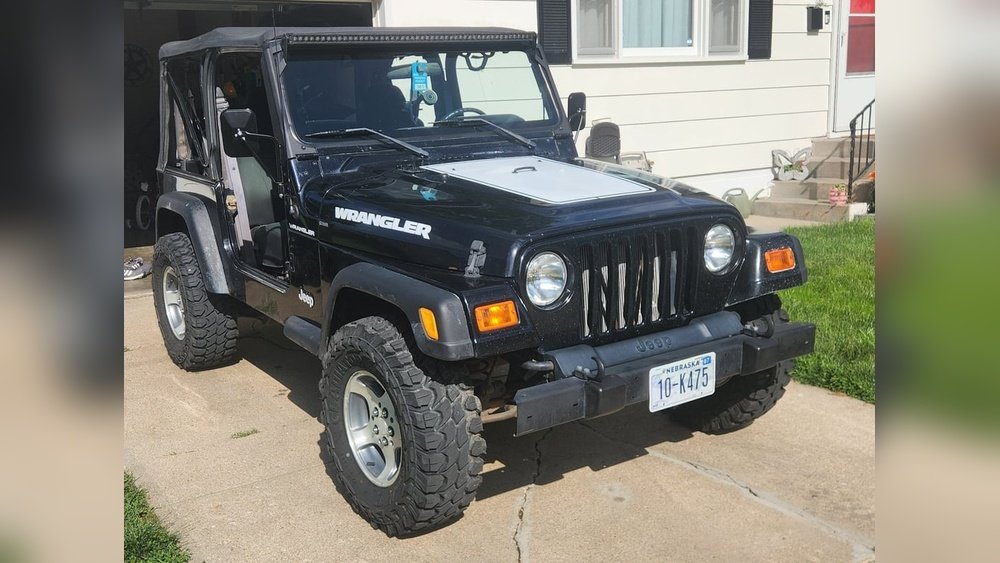
This guide will explore 15 key aspects of Jeep YJ wheel spacers, covering what they are, why you might need them, the different types available, important considerations before buying, and how to ensure a safe and effective installation. Whether you’re a seasoned off-roader or new to Jeep customization, understanding these details will help you make informed decisions and get the most out of your YJ.
Understanding Wheel Spacers: The Basics
Wheel spacers are essentially metal rings or plates that bolt between your Jeep’s wheel hub and the wheel itself. Their primary function is to increase the offset of your wheels, moving them outward from the vehicle’s chassis. This widening of the track width can have several positive effects, especially for off-road applications.
The most immediate visual impact is a more aggressive, flared-out stance. This can make a Jeep look more capable and ready for adventure. Beyond aesthetics, a wider track can improve vehicle stability, particularly when navigating challenging trails or making sharp turns. By distributing the vehicle’s weight over a broader base, spacers can reduce the tendency for body roll and increase confidence on uneven surfaces.
Another significant advantage is the ability to clear larger tires. Stock YJs often have limited fender clearance. By pushing the wheels out, spacers can provide the extra room needed to fit larger, more aggressive off-road tires without rubbing against suspension components or fenders. This is a common reason why many off-road enthusiasts opt for spacers.
However, it’s important to understand that wheel spacers are not without potential drawbacks. Improper installation or using low-quality spacers can lead to vibration issues, accelerated wear on wheel bearings, and even safety concerns if they fail. Therefore, a thorough understanding of their function and proper selection is paramount.
Why Consider Wheel Spacers For Your Jeep Yj?
The decision to install wheel spacers on a Jeep YJ often stems from a desire to enhance its capabilities and appearance. For many, the off-road performance benefits are the primary driver. A wider track width can significantly improve a Jeep’s stability on steep inclines, uneven terrain, and during off-camber situations. This increased stability translates to a safer and more controlled driving experience when tackling challenging trails.
Beyond stability, the tire clearance advantage is a major draw. Many Jeep YJ owners aspire to fit larger tires to gain better ground clearance and traction. However, without altering the suspension or fender wells, larger tires can rub against crucial components. Wheel spacers effectively push the tires outward, creating the necessary clearance for larger tire fitment, often without the need for more complex and expensive modifications.
The aesthetic appeal of a wider stance should not be underestimated. A Jeep with wheels pushed out to the edges of the fenders has a more muscular and purposeful look that many enthusiasts find highly desirable. This visual upgrade can transform the overall appearance of a YJ, making it stand out.
Furthermore, wheel spacers can sometimes help to correct alignment issues that arise after suspension lifts or other modifications. By adjusting the wheel position, they can sometimes bring the vehicle back into a more desirable alignment geometry, although this should not be the primary reason for their installation.
Finally, for some, wheel spacers are a cost-effective solution to achieve a desired look or tire fitment compared to more extensive modifications like changing wheel offset or installing wider axles. They offer a relatively simple way to achieve a noticeable improvement in both form and function for a Jeep YJ.
Types Of Wheel Spacers For Jeep Yj
When looking at wheel spacers for your Jeep YJ, you’ll encounter a few main types, each with its own design and installation method. Understanding these differences is key to choosing the right ones for your needs.
1. Bolt-on Spacers (universal Or Hub-centric)
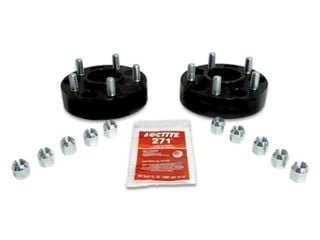
These are the most common type. They work by sandwiching the original wheel hub. They typically have two sets of bolt holes: one set to bolt the spacer to the vehicle’s hub, and another set of studs on the spacer itself for the wheel to bolt onto.
- Universal Bolt-On: These spacers are designed to fit a range of bolt patterns. They rely on the lug nuts to center the spacer on the hub. While widely available, they can sometimes lead to vibrations if not perfectly centered.
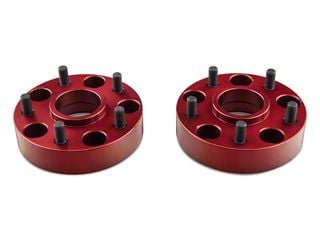
- Hub-Centric Bolt-On: These spacers are designed with a lip or bore that matches the diameter of your Jeep’s wheel hub. This ensures the spacer is perfectly centered on the hub, significantly reducing the risk of vibrations and improving overall stability. For a Jeep YJ, a hub-centric spacer is generally the preferred choice for a smoother ride.
2. Slip-on Spacers
Slip-on spacers are simpler in design. They slide directly onto your Jeep's existing wheel studs.
The wheel then bolts onto the studs as usual. These spacers are typically thinner than bolt-on types and often require longer lug nuts to properly secure the wheel.
- Pros: Easy to install, generally less expensive.
- Cons: Less secure than bolt-on types as they rely solely on the lug nuts for centering and securing. They are also more prone to shifting. For safety reasons, slip-on spacers are generally not recommended for significant increases in track width or for heavy off-road use.
3. Integrated Wheel Spacers (dual Bolt Pattern)
These are essentially a hybrid, often featuring a dual bolt pattern and integrated studs. They function like a bolt-on spacer but are designed with specific bolt patterns for common vehicles.
They are designed for a precise fit and secure mounting.
It’s crucial to select spacers made from high-quality materials, such as T6 aluminum or forged aluminum, which offer strength and durability. The thickness of the spacer is also a critical factor, as too thick a spacer can cause undue stress on your wheel bearings and suspension components.
Key Considerations Before Buying Jeep Yj Wheel Spacers
Before you click “buy” on any set of wheel spacers for your Jeep YJ, there are several critical factors to consider. Skipping these steps can lead to compatibility issues, performance problems, or even safety hazards.
1. Material Quality And Durability
Wheel spacers are subjected to significant forces, especially on a vehicle like a Jeep YJ that is often used for off-roading. Look for spacers made from high-strength materials. T6 aluminum is a common choice due to its good strength-to-weight ratio. Forged aluminum offers even greater strength and durability compared to cast aluminum. Avoid spacers made from cheap, low-grade metals, as they are more prone to cracking or deforming under stress.
2. Spacer Thickness
The thickness of the spacer determines how far your wheels will be pushed out. This choice is often dictated by the size of the tires you plan to run and the amount of fender clearance you need.
- Common thicknesses for YJs range from 1 inch to 2.5 inches.
- Thicker spacers (above 1.5 inches) can place more stress on your wheel bearings and may require additional modifications like longer brake lines or extended studs.
- It’s essential to match the spacer thickness to your specific needs and tire size.
3. Bolt Pattern And Hub Bore Diameter
This is perhaps the most critical compatibility check. Your Jeep YJ has a specific bolt pattern (the number of lug nuts and the diameter of the circle they form) and a hub bore diameter (the size of the center hole on your hub).
- Jeep YJ Bolt Pattern: Most Jeep YJs use a 5×4.5 inch (5×114.3mm) bolt pattern. Always verify this for your specific vehicle.
- Hub Bore Diameter: The center bore of the spacer must match the hub bore diameter of your YJ to ensure proper centering. If the spacer’s bore is too large, it won’t center correctly, leading to vibrations. If it’s too small, it won’t fit over the hub. Hub-centric spacers are highly recommended as they ensure the spacer is perfectly centered on the hub.
4. Lug Nut Compatibility
Ensure the spacers come with the correct lug nuts or that your existing lug nuts are compatible. Some spacers use a different thread pitch for their integrated studs, requiring specific lug nuts. The lug nuts must also be the correct seat type (e.g., conical, ball) to match your wheels.
5. Spacer Type: Hub-centric Vs. Non-hub-centric
As mentioned earlier, hub-centric spacers are generally preferred. They have a lip that fits snugly into your YJ’s hub bore, ensuring the spacer is perfectly centered. Non-hub-centric (or universal) spacers rely solely on the lug nuts for centering, which can be less precise and more prone to causing vibrations.
6. Intended Use
Consider how you use your Jeep YJ. If it’s primarily for daily driving with occasional light trails, a simpler, thinner spacer might suffice. However, for serious off-roading, where your YJ will face extreme conditions, investing in thicker, high-quality, hub-centric spacers made from forged aluminum is essential for durability and safety.
7. Legal Regulations
In some regions, there are legal restrictions on how much a vehicle’s track width can be increased. Check your local laws regarding wheel spacers and fender coverage to ensure your modifications are compliant. Exceeding legal limits could result in fines or issues during vehicle inspections.
8. Impact On Wheel Bearings
Installing wheel spacers increases the leverage on your Jeep’s wheel bearings. Thicker spacers and larger tires will put more stress on them, potentially leading to premature wear. If you plan to run very thick spacers or significantly larger tires, you might need to consider upgrading your wheel bearings or choosing stronger aftermarket components.
9. Brake Line Length
When you push your wheels out with spacers, especially thicker ones, your brake lines may become taut. In some cases, this can restrict fluid flow or even cause damage. It’s crucial to check if your brake lines have enough slack after installing spacers. If not, you may need to install extended brake lines for safety.
10. Steering Components
Significant increases in track width can also affect your steering components, such as tie rods and ball joints. While moderate spacer use is usually fine, very wide stances might necessitate steering reinforcement or adjustments to maintain proper steering geometry and prevent excessive wear.
11. Fender Clearance And Rubbing
While spacers help with tire clearance, it’s not always a guaranteed fix. Depending on the spacer thickness, tire size, and any suspension modifications (like lifts), you might still experience tire rubbing on the fenders, control arms, or sway bar, especially during articulation. You may need to trim fenders or adjust suspension components to achieve full clearance.
12. Wobble And Vibration Potential
Improperly installed or low-quality spacers are a common cause of wheel wobble and vibration. This can be due to:
- The spacer not being perfectly centered on the hub (non-hub-centric spacers).
- The wheel not sitting flush against the spacer.
- Loose lug nuts.
- Warped or damaged spacers.
- Worn wheel bearings.
13. Cost Vs. Quality
Wheel spacers vary significantly in price. While it might be tempting to opt for the cheapest option, remember that quality often correlates with safety and performance. Investing in reputable brands known for their durable materials and precise manufacturing is generally a wise decision for a vehicle like a Jeep YJ.
14. Installation Complexity
While many spacers are designed for DIY installation, some can be more complex. Understanding the required tools, torque specifications, and potential need for longer studs or brake line extensions is important. If you’re unsure, professional installation is always recommended.
15. Long-term Effects On Drivetrain
Significantly widening the track width can put extra strain on your drivetrain components, including axles and differentials. While moderate use with quality spacers is usually fine, aggressive off-roading with extreme track width increases might accelerate wear on these parts.
Top 15 Jeep Yj Wheel Spacer Brands And Models
Choosing the right brand can be as important as choosing the right type of spacer. Reputable manufacturers prioritize quality materials, precise machining, and rigorous testing.
Here are 15 highly regarded brands and types of wheel spacers often considered for the Jeep YJ, focusing on their strengths and common applications.
1. Teraflex Wheel Spacers
TeraFlex is a well-known name in the Jeep aftermarket. Their wheel spacers are typically made from billet aluminum and are designed for a precise fit. They often offer hub-centric options, ensuring excellent centering and minimizing vibration potential. They are a good choice for those seeking reliable performance and durability for both on-road and off-road use.
2. Rough Country Wheel Spacers
Rough Country offers a wide range of affordable and durable Jeep accessories, including wheel spacers. Their spacers are commonly made from T6 aluminum and are available in various thicknesses. They are a popular choice for budget-conscious enthusiasts looking for a noticeable improvement in stance and tire clearance.
3. Smittybilt Wheel Spacers
Smittybilt is another brand synonymous with Jeep customization. Their wheel spacers are generally constructed from high-grade aluminum and are designed to withstand rugged use. They often come as bolt-on kits, including necessary hardware, making installation straightforward.
4. J.w. Speaker Wheel Spacers
While J.W. Speaker is more famous for its lighting, they also offer quality wheel spacer solutions. Their products are known for precision engineering and durability, often made from forged aluminum for maximum strength. They are a premium option for those who prioritize top-tier performance and longevity.
5. Rancho Wheel Spacers
Rancho is a respected name in suspension components, and their wheel spacers reflect this expertise. They are typically made from strong aluminum alloys and designed for optimal fitment on Jeep vehicles. Rancho spacers are built to handle the stresses of off-road driving.
6. Zone Offroad Wheel Spacers
Zone Offroad provides durable and well-engineered products. Their wheel spacers are constructed from aircraft-grade aluminum and are designed to be