When you own a Jeep Cherokee XJ, you know it's more than just a vehicle; it's a rugged companion ready for adventure. One of the most personal touches you can add to your XJ is a steering wheel cover.
It’s not just about looks; it’s about comfort, grip, and protecting your original steering wheel. But when you start looking for one, a common question pops up: what is the Jeep XJ steering wheel cover size?
This might seem like a simple question, but the answer can be a bit nuanced. Unlike some other vehicles, the Jeep Cherokee XJ, produced from 1984 to 2001, doesn’t have a single, universally standardized steering wheel size across all its models and trim levels.
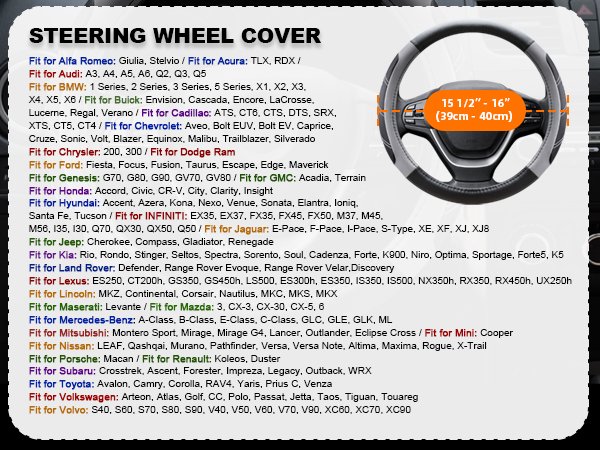
Factors like the specific year, whether it’s a base model or a higher trim with optional upgrades, can influence the original steering wheel diameter. This means that simply buying “a steering wheel cover” might lead to a loose, ill-fitting, or overly tight cover that’s frustrating to install and doesn’t look or feel right.
Understanding the correct size is crucial for a secure fit. A cover that’s too small will be a struggle to put on, potentially damaging the cover or the original wheel.
A cover that’s too large will be loose, bunch up when you turn, and feel unsafe.
This guide will help you figure out the right size for your Jeep XJ, explore different types of covers, and offer tips for making the best choice. Let’s get your XJ steering wheel feeling and looking its best.
Understanding Steering Wheel Diameter: The Key Measurement
The most critical factor when choosing a steering wheel cover is its diameter. Steering wheels are measured across their widest point, from edge to edge, passing through the center. For most Jeep XJ models, the original steering wheel typically falls into a common range, but there can be slight variations.
Standard Jeep Xj Steering Wheel Diameter
Generally, the original steering wheels found in most Jeep Cherokee XJs are around 14.5 to 15 inches in diameter. This is a very common size for steering wheels in many vehicles from the 1980s and 1990s. However, it’s not a guarantee. Some owners have reported slightly different measurements, especially if their XJ has had an aftermarket steering wheel installed at some point.
The best way to be absolutely sure is to measure your own steering wheel. Don’t guess!
Grab a flexible tape measure or a piece of string and a ruler.
- Find the Widest Point: Locate the widest part of your steering wheel, usually from the outer edge of the rim on one side to the outer edge on the opposite side.
- Measure Across: Measure the distance across this widest point. If you’re using a string, mark the ends where they meet the edge and then measure the string against a ruler.
- Record the Measurement: Note down the measurement in inches.
Most steering wheel covers are designed to fit a range of diameters, often specified as "fits 14. 5 to 15 inches" or "fits 15 inches".
Choosing a cover within this range is usually safe for an XJ. If your measurement is slightly outside this, you might need to look for covers with a broader fit range or consider custom options, though for an XJ, this is rarely necessary.
Why Accurate Measurement Matters
A properly sized steering wheel cover offers several benefits:
- Safety: A secure fit means the cover won’t slip or bunch up while you’re driving, especially during sharp turns or sudden maneuvers. This is paramount for maintaining control of your vehicle.
- Comfort: A well-fitting cover enhances the feel of the steering wheel. It can provide a softer grip, reduce vibration, and make long drives more comfortable.
- Aesthetics: A cover that fits snugly looks much better than one that is baggy or stretched too tightly. It integrates seamlessly with the interior of your XJ.
- Protection: It shields your original steering wheel from wear and tear, UV damage, and spills, preserving its condition for years to come.
If you’re unsure about your measurement or the fit of a potential cover, it’s always better to err on the side of caution. Look for covers that explicitly state they fit 14. 5-15 inch wheels or have adjustable features.
Types Of Jeep Xj Steering Wheel Covers
Beyond just size, steering wheel covers come in various materials and styles, each offering different benefits for your Jeep XJ. Choosing the right type depends on your priorities, whether it’s grip, comfort, durability, or appearance.
Material Options
The material of a steering wheel cover significantly impacts its feel, durability, and performance.
- Leather:
- Pros: Classic look, durable, good grip, develops a nice patina over time. Genuine leather offers a premium feel and excellent longevity.
- Cons: Can be more expensive, requires some care (conditioning), might feel slippery when new or if it gets wet.
- Fit: Often designed for a snug fit, requiring some effort to install but resulting in a factory-like appearance.
- Faux Leather (PU Leather/Vinyl):
- Pros: More affordable than genuine leather, easy to clean, water-resistant, available in many colors and textures.
- Cons: Less durable than real leather, can crack or peel over time with exposure to heat and UV.
- Fit: Similar to leather, usually designed for a tight, secure fit.
- Fabric (Cloth/Suede/Alcantara):
- Pros: Excellent grip, soft and comfortable feel, good for hot or cold weather (less temperature sensitive than leather), often breathable. Suede and Alcantara offer a luxurious, sporty look.
- Cons: Can be harder to clean, may absorb odors or stains, can wear out faster than leather.
- Fit: Many fabric covers are designed to stretch over the wheel, offering a secure fit.
- Silicone/Rubber:
- Pros: Superior grip, very durable, waterproof, easy to clean, good shock absorption.
- Cons: Can have a strong initial odor, might feel too “grippy” or sticky for some, can get hot in direct sun.
- Fit: Typically designed to stretch and grip the wheel firmly.
Style And Design
The style of the cover can also influence its functionality and appearance in your XJ.
- Perforated: These covers have small holes throughout the material, improving breathability and grip, especially in warm weather. They often have a sporty and premium look.
- Braided: These are often leather or faux leather covers that come with a lacing kit. You literally braid the cover onto your steering wheel. This provides an incredibly secure and custom fit but requires significant time and effort to install. This is a classic DIY modification for older vehicles.
- Padded/Grip Enhanced: Some covers have extra padding or textured sections for enhanced comfort and grip, particularly useful for off-roading or long journeys.
- Universal Fit: While many covers are designed for a specific diameter range, some are more “universal.” These might rely on elastic or adjustable straps for fit, which can sometimes lead to a less secure or aesthetically pleasing result compared to a stretch-fit or laced-on cover. For an XJ, it’s best to stick to covers clearly marked for the 14.5-15 inch range.
Installing Your Jeep Xj Steering Wheel Cover
Installing a steering wheel cover on your Jeep XJ can range from surprisingly easy to a bit of a workout, depending on the type of cover you choose. The goal is always a tight, secure fit.
Stretch-fit Covers
These are the most common and generally the easiest to install.
- Preparation: Ensure the steering wheel is clean and dry. For best results, try to do this on a warm day, as the material will be more flexible.
- Positioning: Start by fitting the top half of the cover over the top of the steering wheel.
- Stretching: Gradually pull the cover down over the sides and then the bottom of the wheel. You will need to apply a good amount of force. Work your way around the wheel, ensuring the cover is evenly stretched and aligned.
- Tucking: Once the cover is fully on, check that there are no loose areas. Tuck any excess material around the seams of the steering wheel.
- Final Check: Turn the steering wheel lock to lock to ensure the cover moves smoothly with the wheel and doesn’t bunch up or slip.
Pro Tip: If you’re struggling to get the cover over the bottom, try positioning it at the top, then working it down one side, then the other, before tackling the bottom. Sometimes, getting a friend to help hold one side can make a big difference.
Laced-on Covers (braided Style)
These offer the most secure and custom fit but require patience.
- Alignment: Place the cover over the steering wheel, aligning the seams or pre-drilled holes with the spokes of the wheel.
- Lacing: Use the provided lace and needle (or sometimes a special tool) to sew the cover to the steering wheel. Follow the manufacturer’s instructions carefully. This usually involves passing the lace through pre-punched holes, creating a stitch pattern around the wheel.
- Tightening: As you lace, pull the thread firmly to ensure a snug fit. This is crucial for a secure installation.
- Finishing: Once you reach the starting point, tie off the lace securely. Trim any excess lace.
- Patience is Key: This process can take anywhere from 1 to 3 hours, depending on your dexterity and the complexity of the cover. Don’t rush it.
Example: I once installed a laced leather cover on a friend’s older pickup. It took an entire Saturday afternoon, but the result was a steering wheel that felt like it came from the factory with that custom wrap. The grip was incredible, and it looked fantastic.
Rubber/silicone Slip-on Covers
These are often the easiest but might offer a different feel.
- Simply Slip On: These are designed to stretch easily. Position the cover over the top of the wheel and simply pull it down and around.
- Adjust: Ensure it’s centered and smooth. The rubber’s natural grip usually holds it in place well.
Factors To Consider When Choosing A Cover
Selecting the right steering wheel cover for your Jeep XJ involves more than just size. Consider these points to make the best choice for your needs.
Durability And Longevity
Your Jeep XJ is likely used for more than just commuting. Whether it’s tackling trails or enduring daily use, the steering wheel cover needs to be tough.
- Leather and high-quality faux leather generally offer the best durability. They can withstand regular use, temperature changes, and UV exposure better than fabric or cheaper vinyl.
- Braided covers, due to their tight, sewn-on fit, tend to last a very long time because they don’t shift or stretch out of shape.
- Fabric covers can wear out faster, especially if exposed to constant friction or harsh sunlight.
If longevity is your top priority, invest in a good quality leather or a well-made braided cover.
Grip And Comfort
This is where personal preference plays a big role.
- For maximum grip, especially if you do a lot of off-roading or drive in wet conditions, consider silicone, rubber, or textured fabric covers. Suede or Alcantara also offer excellent grip.
- For comfort on long drives, a padded leather or a soft fabric cover can be ideal. Some people find smooth leather a bit slippery, especially with sweaty hands.
- Temperature: Leather and vinyl can get very hot in the sun and quite cold in winter. Fabric or specialized covers might offer a more consistent temperature.
In my experience, a perforated leather cover strikes a good balance. It offers a premium feel, decent grip, and better breathability than a solid leather cover, making it comfortable in various conditions.
Ease Of Cleaning
Jeep interiors can sometimes take a beating, so ease of maintenance is important.
- Leather and faux leather are the easiest to clean. A damp cloth or a specialized leather cleaner usually does the trick.
- Rubber and silicone are also very easy to wipe down.
- Fabric covers can be more challenging. Some are machine washable (check the label! ), while others require spot cleaning. Stains can be difficult to remove from lighter-colored fabrics.
Aesthetics And Interior Style
The steering wheel cover is a significant visual element in your XJ’s cabin.
- Classic Look: Genuine leather, especially in black or tan, complements the classic interior of an XJ perfectly.
- Sporty Feel: Perforated covers, suede, or Alcantara can give a more modern, sporty vibe.
- Customization: Braided covers offer the most custom look, as the stitching pattern is visible. You can even choose different colored laces to match your XJ’s exterior or interior accents.
- Color Matching: Consider the existing color scheme of your XJ’s interior. Black, grey, and tan are common and versatile choices.
Budget
Steering wheel covers vary widely in price.
- Basic fabric or vinyl covers can be found for $15-$30.
- Good quality leather or faux leather covers typically range from $30-$70.
- Premium materials like Alcantara or high-end braided leather kits can cost $70-$150 or more.
For a Jeep XJ, a mid-range leather or a durable faux leather cover often provides the best balance of quality, durability, and price.

Common Pitfalls And How To Avoid Them
When shopping for a steering wheel cover for your Jeep XJ, a few common mistakes can lead to disappointment. Being aware of these can save you time and money.
Mistake 1: Assuming All “15-inch” Covers Are The Same
While many covers are marketed for 15-inch wheels, the actual fit can vary slightly between brands. Some might be a bit looser, others tighter.
- How to Avoid: Always check product reviews for comments on fit, especially from owners of similar vehicles. Look for covers that specify a tight fit or are known for their snug installation. If possible, measure your wheel first and compare it to the cover’s specified fit range.
Mistake 2: Buying A Cover That’s Too Small Or Too Large
This is the most common error. A cover that’s too small will be nearly impossible to install and might tear. A cover that’



















