Breathing New Life Into Your Jeep Xj: A Deep Dive Into Front-end Rebuild Kits
The Jeep Cherokee XJ is an icon. For over 15 years, this compact SUV proved its mettle on trails, in daily commutes, and everywhere in between.
Its rugged simplicity and capable platform have earned it a dedicated following. However, like any vehicle that has seen years of service, its front-end components are bound to wear out.
Steering becomes loose, alignment drifts, and that satisfyingly direct feel at the wheel can turn into a vague, concerning wander. This is where a Jeep XJ front-end rebuild kit becomes your best friend.
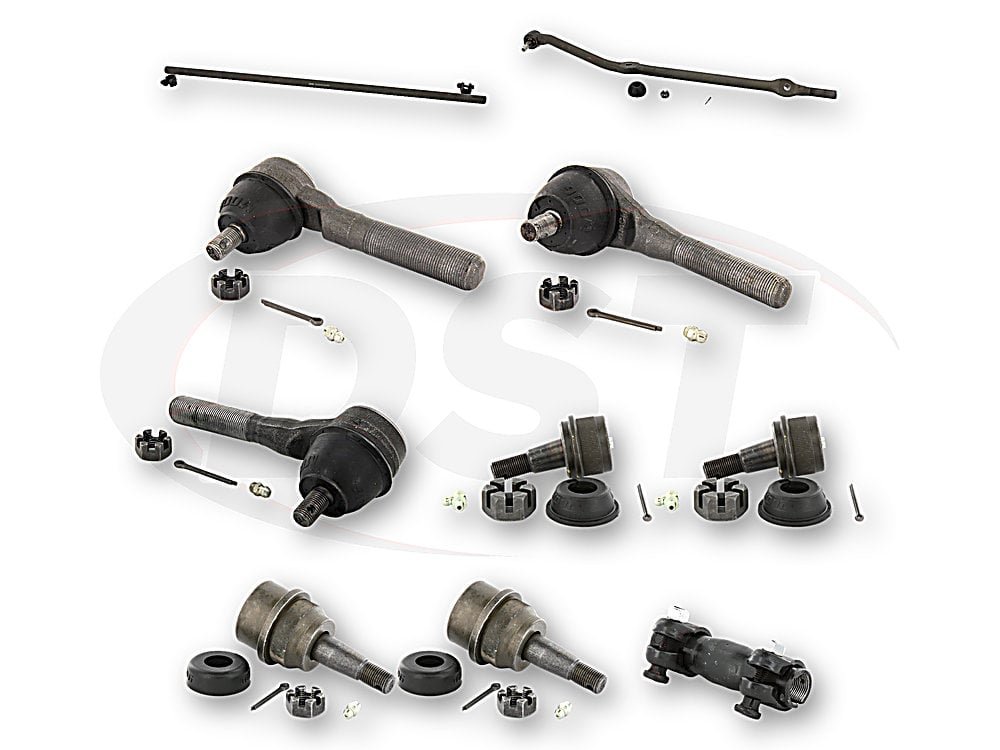
A front-end rebuild isn’t just about replacing worn-out parts; it’s about restoring the precision, safety, and confidence you expect from your Jeep. It’s a project that can transform your driving experience, making your XJ feel more planted, responsive, and secure, whether you’re crawling over rocks or cruising on the highway. This guide will walk you through everything you need to know about selecting and installing a front-end rebuild kit for your Jeep XJ, ensuring you get the most out of this beloved classic. We’ll cover the components involved, the benefits of a rebuild, how to choose the right kit, and some essential tips for a successful installation.
Understanding The Components Of Your Xj’s Front End
Before diving into rebuild kits, it’s crucial to understand the individual parts that make up your Jeep XJ’s front-end steering and suspension system. These components work together to allow your wheels to turn, absorb road imperfections, and keep your tires pointed in the right direction.
When any of these parts wear out, the entire system suffers.
The Steering System: Connecting Your Hands To The Road
The steering system is what translates your input on the steering wheel into directional changes for the front wheels. On a Jeep XJ, this typically involves:
- Steering Gear Box: This is the heart of the steering system. It takes the rotational motion of your steering wheel and converts it into the side-to-side motion needed to turn the wheels. Wear here can manifest as sloppy steering, where the steering wheel moves a significant amount before the wheels respond.
- Tie Rods: These are rods that connect the steering gear box (or steering box in some setups) to the steering knuckles on each wheel. They push and pull to steer the vehicle.
- Outer Tie Rod Ends: These are the joints at the ends of the tie rods that connect to the steering knuckles. They allow for the necessary articulation as the suspension moves.
- Inner Tie Rod Ends: These connect the tie rods to the steering gear box.
- Drag Link: This connects the steering arm on one side to the pitman arm coming off the steering gear box. It’s a critical link in the steering linkage.
- Pitman Arm: Attached to the steering gear box output shaft, it converts the box’s motion into the back-and-forth movement of the drag link.
- Track Bar (Panhard Bar): This is a crucial component on solid axle vehicles like the XJ. It connects the frame to the axle, preventing side-to-side movement of the axle and keeping it centered under the vehicle. A worn track bar or its bushings can cause wandering and imprecise steering.
The Suspension System: Cushioning The Ride And Maintaining Alignment
While the steering system dictates direction, the suspension system manages how the wheels interact with the road and supports the vehicle’s weight. Key front-end suspension components include:
- Control Arms (Upper and Lower): These connect the axle housing to the Jeep’s frame or unibody. They control the axle’s position and allow it to move up and down. Worn bushings in control arms lead to alignment issues and clunking noises.
- Ball Joints: These are spherical bearings located at the ends of the steering knuckles, connecting them to the control arms. They allow the wheels to pivot for steering while also accommodating suspension travel. Worn ball joints are a serious safety concern, leading to wheel shimmy, uneven tire wear, and potentially wheel separation.
- Shocks and Springs: These absorb impacts from the road and support the vehicle’s weight, providing a comfortable ride and maintaining tire contact with the ground. While not always part of a standard “steering rebuild kit,” they are integral to the front-end’s function.
- Bushings: Many of the pivot points in the steering and suspension systems use rubber or polyurethane bushings to absorb vibration and allow for controlled movement. These are common wear items.

Why Rebuild Your Jeep Xj’s Front End? The Benefits
Over time, the constant stress of driving, off-roading, and even just sitting can take a toll on these vital components. A worn front end doesn’t just feel bad; it can be dangerous. Rebuilding your XJ’s front end with a quality kit offers significant advantages:
Enhanced Steering Precision And Responsiveness
This is often the most immediate and noticeable benefit. When your tie rod ends, drag link ends, and steering box are tight and new, your steering wheel inputs translate directly to the road. Gone is the vague feeling where the wheel moves an inch or two before anything happens. You’ll experience a tighter, more direct connection to your vehicle, making it more enjoyable and less fatiguing to drive, especially on longer trips.
Improved Vehicle Stability And Handling
A worn track bar, loose ball joints, or sloppy tie rods can cause your Jeep to wander, especially at highway speeds. It can feel like you’re constantly making minor steering corrections just to keep it going straight. A front-end rebuild tightens up these connections, significantly improving straight-line stability. This also translates to better handling in corners, as the wheels are held more securely in their intended positions.
Increased Safety
This is arguably the most important reason. Worn-out steering and suspension components, particularly ball joints and tie rod ends, can fail catastrophically. A failed ball joint can cause a wheel to detach from the vehicle, leading to a loss of control. A worn steering box or tie rod can result in a sudden loss of steering ability. Rebuilding the front end with new, high-quality parts drastically reduces the risk of such failures, making your Jeep much safer for you and others on the road.
Reduced Tire Wear And Improved Alignment
When your steering and suspension components are worn, your wheel alignment is constantly changing. This leads to uneven tire wear, such as “cupping” or “feathering,” which can quickly destroy expensive tires. A rebuilt front end allows for a proper, stable alignment, ensuring your tires wear evenly and last much longer. This also means your tires will track straight, further improving stability.
Restored Ride Quality And Reduced Noise
Worn bushings and joints don’t just affect steering; they also contribute to clunks, rattles, and squeaks from the front end. As suspension components articulate, worn parts allow for excessive movement, creating noise and a harsher ride. New components, especially those with quality bushings, will absorb vibrations better and eliminate those annoying noises, restoring a smoother, quieter driving experience.
Preventing Further Damage
Ignoring a worn front end can lead to a domino effect. A loose tie rod end can put extra stress on the steering box.
A worn ball joint can cause uneven tire wear, which can then put stress on other suspension components.
Rebuilding the front end addresses the root causes of these issues, preventing them from damaging other, potentially more expensive, parts of your Jeep.
Components Typically Found In A Jeep Xj Front-end Rebuild Kit
While kits can vary, a comprehensive Jeep XJ front-end rebuild kit usually aims to replace the most common wear items in the steering and some suspension linkage. Here’s a breakdown of what you can typically expect:
Steering Linkage Components
These are the core of most steering rebuild kits.
- Tie Rod Ends (Inner and Outer): You’ll usually get a full set to replace both sides of the inner and outer tie rods. These are the joints that allow the wheels to pivot and steer.
- Drag Link: Some kits include a new drag link, while others focus on the ends. If included, it’s the rod connecting the pitman arm to the steering arm.
- Track Bar (Panhard Bar) and Bushings: A critical component for axle centering. Many kits will include a new track bar or at least new, high-quality bushings for the existing one. This is vital for preventing side-to-side axle movement.
- Steering Stabilizer (Optional but Recommended): While not strictly a steering *component*, a new steering stabilizer (shock absorber for the steering) is often included or recommended. It helps dampen steering vibrations and reduce steering wheel kickback, especially on larger tires.
Suspension Linkage Components
These are often included in more comprehensive kits or are sold separately but are essential for a full front-end overhaul.
- Ball Joints (Upper and Lower): These are critical for steering knuckle articulation and safety. A complete kit will include all four ball joints (two per side).
- Control Arm Bushings: The control arms connect the axle to the unibody. They have rubber or polyurethane bushings at both ends. Replacing these ensures the axle stays properly located. Most kits will include the necessary bushings for all four control arms.
- U-Joints (for 4WD models): While not strictly steering, the front axle U-joints are often replaced during a front-end overhaul, especially if the vehicle is 4WD. These are located in the axle shafts. Some “complete” kits might include these.
Other Potential Inclusions
- Hardware: New nuts, bolts, and cotter pins may be included to ensure everything is properly secured with fresh hardware.
- Grease Fittings: Some tie rod ends and ball joints come with zerk fittings, allowing for periodic greasing to extend their life.
Pro Tip: Always check the kit’s description carefully to understand exactly which components are included. Some “basic” kits might only include tie rod ends, while “premium” or “complete” kits will cover ball joints, track bar components, and control arm bushings.
Choosing The Right Jeep Xj Front-end Rebuild Kit
With numerous options available, selecting the right kit can feel overwhelming. Consider these factors to make an informed decision:
1. Quality Of Components
This is paramount. A cheap kit with low-quality parts will wear out quickly, potentially failing prematurely and costing you more in the long run.
- Brand Reputation: Stick with reputable brands known for producing durable Jeep parts. Brands like Moog, Omix-ADA, Rough Country, and TeraFlex often have good reputations, though quality can vary even within brands.
- Material: Look for components made from high-quality steel forgings. For bushings, polyurethane often offers a good balance of durability and performance compared to stock rubber, though some prefer the ride quality of new rubber. Greasable joints are a plus for maintenance.
- Warranty: A good warranty is a sign of a manufacturer’s confidence in their product. Check the warranty period and what it covers.
2. Completeness Of The Kit
As mentioned earlier, kits vary greatly in what they include.
- Basic Steering Rebuild: Typically includes tie rod ends, possibly inner and outer.
- Comprehensive Steering Rebuild: Adds drag link ends, track bar bushings, and potentially a new track bar or steering stabilizer.
- Full Front-End Rebuild: Includes all steering components plus ball joints and control arm bushings.
- Ultimate Rebuild: Might also include front axle U-joints and potentially shocks.
Consider your Jeep’s current condition and your intended use. If your ball joints are already showing signs of wear, opt for a kit that includes them. If you plan on aggressive off-roading, investing in higher-strength components might be wise.
3. Compatibility With Your Jeep Xj
Ensure the kit is specifically designed for your Jeep Cherokee XJ model year. While most XJs share similar front-end designs, there can be minor variations between early and later models (e.g., 1984-1991 vs. 1992-2001). Verify that the kit lists compatibility with your specific year range. Pay attention to whether the kit is for 2WD or 4WD models if applicable.
4. Price Vs. Value
The cheapest kit is rarely the best value. While you don’t necessarily need the most expensive, overly cheap kits are often a red flag. Aim for a balance between cost and the quality/completeness of the components. Consider the total cost of buying individual parts if a kit doesn’t meet your needs. Sometimes, buying a kit is more economical than sourcing each part separately.
5. Your Mechanical Skill Level
Some kits are designed for easier installation than others. If you're a beginner, consider kits that use common designs and perhaps come with detailed instructions or links to helpful resources.
If you're experienced, you might be comfortable with kits that require more specialized tools or knowledge.
Example: A kit from a well-known off-road parts manufacturer that includes heavy-duty forged tie rod ends, greasable ball joints, and new polyurethane track bar bushings for around $300-$500 might offer better long-term value than a $150 kit with unknown brand parts.
Installation Guide: Key Steps And Considerations
Installing a front-end rebuild kit is a moderately challenging DIY project. It requires patience, the right tools, and a willingness to learn.
If you're unsure about any step, it's always best to consult a professional mechanic.
Warning: Improper installation of steering and suspension components can lead to serious accidents. If you are not comfortable performing this work, seek professional assistance.
Preparation Is Key
- Gather Your Tools: You’ll need standard mechanic’s tools, including socket sets, wrenches, a torque wrench, a breaker bar, pickle forks (for separating tie rod ends), a pry bar, a hammer, and potentially a ball joint press kit. A floor jack and sturdy jack stands are essential for safety.
- Clean the Area: Thoroughly clean the front axle, steering components, and surrounding areas. This makes working easier and helps you spot any other worn parts you might have missed.
- Mark Components: Before removing anything, mark the position of adjustable components like tie rods and the track bar. This helps in getting a rough alignment before professional alignment.
- Secure the Vehicle: Park on a level surface, engage the parking brake, and place wheel chocks behind the rear wheels. Use jack stands to securely support the vehicle’s frame or unibody. Never work under a vehicle supported only by a jack.
Step-by-step Installation (general Overview)
*



















