The Jeep XJ Cherokee is a legendary vehicle, known for its ruggedness and off-road capability. For many owners, modifying their XJ is part of the experience, and fender flares are a popular upgrade.
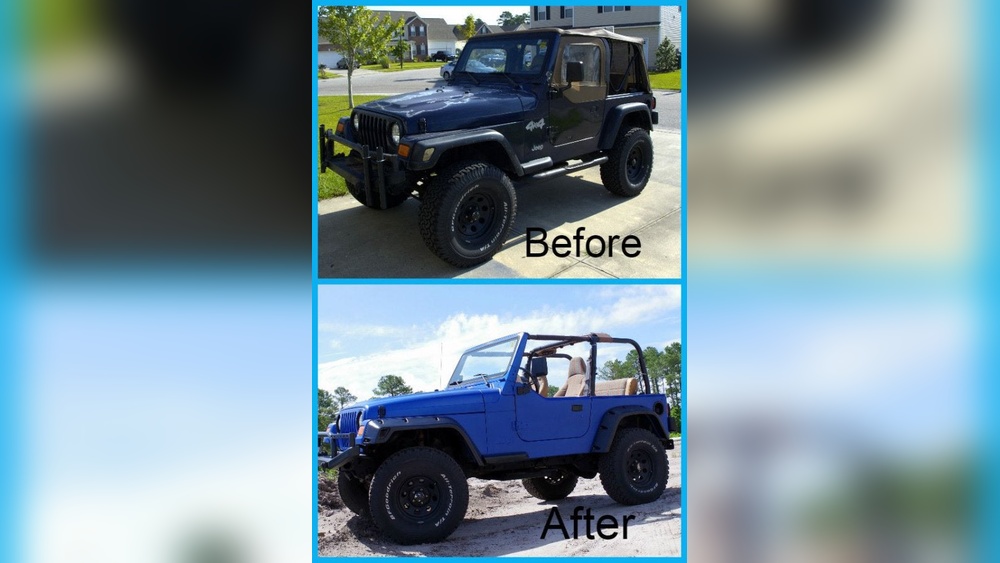
They not only enhance the look of your Jeep but also serve a practical purpose: allowing for larger tires and protecting your paint from road debris. Installing flat fender flares on a Jeep XJ can transform its stance and off-road readiness.
This guide will walk you through the process, covering why you might want them, what to look for, and the step-by-step installation.

Why Choose Flat Fender Flares For Your Jeep Xj?
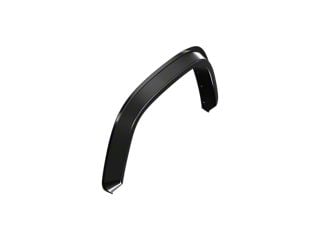
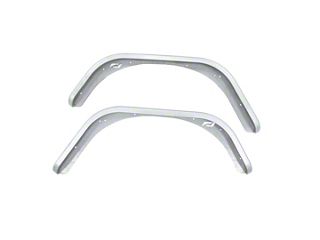
Flat fender flares, often referred to as tube fenders or bushwhackers, offer a distinct aesthetic and functional advantage over stock or other aftermarket flare styles. Unlike the more rounded or factory-style flares, flat fenders provide a clean, aggressive, and utilitarian look that many off-road enthusiasts crave. They significantly increase the tire clearance, enabling you to fit larger, more aggressive tires without rubbing against the fenders. This is crucial for anyone looking to improve their XJ’s off-road performance, especially when tackling challenging terrain.
Beyond tire clearance, flat fender flares offer superior protection. They extend further out from the body, creating a wider stance and acting as a shield against mud, rocks, and other trail debris that can chip away at your paint. This protective barrier is invaluable for maintaining the longevity and appearance of your XJ, particularly if it’s frequently used off-road. The simplicity of their design also means they are often more durable and easier to repair than more complex flare systems.
Types Of Flat Fender Flares For The Jeep Xj
When you start looking for flat fender flares, you’ll notice a few different styles and materials. Understanding these differences will help you choose the best option for your needs and budget.
Material Options
- Steel: These are typically the most durable and robust option. Steel fender flares can withstand significant abuse on the trail and offer excellent protection. They are often made from thick gauge steel and may require welding for installation, depending on the specific product. They add weight to the vehicle, which is something to consider.
- Aluminum: A lighter alternative to steel, aluminum fender flares still offer good durability and corrosion resistance. They are easier to handle and install than steel and provide a similar aesthetic. While not as heavy-duty as steel, they are more than adequate for most off-road applications.
- ABS Plastic/Polyurethane: These are the most common and budget-friendly options. Made from durable plastics, these flares are lightweight, easy to install (often using existing mounting points or requiring minimal drilling), and resistant to impacts. While they might not be as tough as metal in extreme situations, they offer good protection for daily driving and moderate off-roading. Many popular brands like Bushwacker utilize high-quality ABS plastic.
Design Variations
- Bolt-On Style: These flares mimic the look of riveted-on aftermarket fenders. They often come with decorative bolts or actual hardware that attaches to the flare and the Jeep’s body, creating a rugged, industrial appearance.
- Smooth Flat Style: These offer a cleaner, more streamlined look. They typically mount directly to the fender well and provide a sleek, modern flat-panel appearance.
- Integrated Designs: Some flat fender flare kits are designed to be more integrated with the vehicle’s body lines, offering a custom look that appears factory-installed but with the aggressive stance of flat flares.
What To Consider When Buying Jeep Xj Flat Fender Flares
Choosing the right fender flares involves more than just picking the ones that look best. Several factors should influence your decision to ensure you get a product that meets your performance needs and aesthetic preferences.
Tire Size And Lift
The primary reason most people install aftermarket fender flares is to accommodate larger tires. Before you buy, determine the maximum tire size you plan to run. Flat fender flares significantly increase the available space in the wheel well. A common goal for XJ owners is to fit 31-inch or 33-inch tires. Ensure the flares you choose will provide enough clearance for your intended tire size, especially after accounting for suspension flex off-road. You’ll also want to consider your Jeep’s lift height, as this directly impacts how much space you have. A taller lift generally allows for larger tires, and flat flares complement this by maximizing the visual and functional appeal.
Material And Durability
As discussed, the material of the flares will impact their durability, weight, and cost. For extreme off-roading where impacts are frequent, steel or heavy-duty aluminum might be the best choice. For a balance of cost, ease of installation, and sufficient protection for most users, high-quality ABS plastic is an excellent option. Consider your typical driving conditions. If your XJ is a daily driver with occasional trail use, plastic flares are likely sufficient. If it’s a dedicated trail rig, investing in metal flares might be worthwhile.
Installation Method
Fender flares vary in installation complexity. Some plastic flares are designed for a no-drill installation, using existing mounting holes or strong adhesive tape. Others, especially metal flares, may require drilling into the body panels and potentially welding. Assess your comfort level with tools and modifications. If you’re not experienced with drilling or fabrication, opt for a kit that offers a simpler installation process. Many aftermarket flares come with detailed instructions, but watching installation videos online can also be very helpful.
Legal Requirements
In some states or regions, there are legal requirements regarding tire coverage. Fender flares are often necessary to ensure that your tires do not extend beyond the vehicle’s body line, preventing excessive spray of mud and debris onto other vehicles. Check your local regulations to ensure the flares you choose meet these requirements. Flat fender flares, by their nature, widen the stance and can help comply with these laws, but it’s always wise to verify.
Budget
Fender flares can range from under $100 for basic plastic kits to over $500 for high-end steel or aluminum options. Determine your budget beforehand. Remember to factor in potential costs for installation tools, hardware, or professional installation if you’re not doing it yourself. A good set of ABS plastic flares offers excellent value, providing a significant aesthetic and functional upgrade without breaking the bank.
Popular Flat Fender Flare Brands For Jeep Xj
Several reputable brands offer flat fender flares specifically designed for the Jeep Cherokee XJ. Researching these options can help you narrow down your choices.
Bushwacker
Bushwacker is a well-known name in aftermarket fenders. Their Flat Style Fender Flares for the XJ are a popular choice, offering a rugged look and good tire coverage. They are typically made from their proprietary Dura-Flex® 2000 TPO material, which is designed to be durable and UV-resistant. These are usually a bolt-on style, giving the appearance of riveted metal flares without the weight or complexity. Installation is generally straightforward, often requiring minimal drilling.
Smittybilt
Smittybilt offers various off-road accessories, including XRC Flat Fender Flares. These are often made from steel and are designed for maximum durability and tire clearance. They provide an aggressive, utilitarian look and are built to withstand harsh off-road conditions. Installation usually involves drilling and bolting directly to the body. For those seeking maximum toughness, Smittybilt is a strong contender.
Rugged Ridge
Rugged Ridge also provides flat fender flare options for the XJ. Their products often focus on a balance of style, durability, and affordability. Depending on the specific product line, you might find options in ABS plastic or steel. They aim for an easy installation process, often utilizing existing mounting points where possible.
Mcneil Racing
For those seeking high-end, race-inspired flat fenders, McNeil Racing is a notable brand. They are known for their fiberglass or composite flat fenders, which are lightweight, incredibly strong, and offer extensive tire clearance. These are often considered a premium option, favored by serious off-roaders and rock crawlers who need maximum performance and durability. Installation might be more involved, potentially requiring custom fitting.
Other Brands
Many other manufacturers, such as Tuff Stuff, Poison Spyder (though less common for XJ specific flat flares), and various eBay or Amazon sellers, offer flat fender flare kits. It’s always a good idea to read reviews and check specifications carefully for any brand you consider.

Step-by-step Installation Guide For Jeep Xj Flat Fender Flares
Installing flat fender flares on your Jeep XJ can be a rewarding DIY project. While specific steps may vary slightly depending on the brand and material of your flares, this general guide covers the common process.
Tools and Materials You’ll Likely Need:
- Your chosen flat fender flare kit
- Drill and drill bits (various sizes, including a step bit if possible)
- Socket set and wrenches
- Screwdriver set
- Measuring tape
- Marker or grease pencil
- Utility knife or razor blade
- Safety glasses and gloves
- Rubbing alcohol or degreaser
- Painter’s tape (optional, for marking and protection)
- Rivets or bolts (usually included with the kit)
- Caulking or sealant (optional, for sealing holes)
Preparation Is Key
- Clean the Area: Thoroughly clean the fender wells and the edges of the fenders where the flares will attach. Use soap and water, followed by a degreaser like rubbing alcohol. This ensures good adhesion for any adhesive-backed components and a clean surface for drilling.
- Remove Stock Flares (if applicable): If your XJ has factory fender flares, carefully remove them. They are usually held on by clips or small bolts. Keep the hardware if you plan to reuse any.
- Inspect the New Flares: Unpack your new fender flares and inspect them for any damage. Lay them out and compare them to your Jeep to understand how they will fit. Read the manufacturer’s specific instructions thoroughly.
Marking And Drilling
- Position the Flares: Carefully position each flare onto your Jeep. Many kits will have specific alignment points or require you to mark hole locations. Use painter’s tape to temporarily hold the flares in place and mark your drill points. Ensure they are centered and evenly spaced.
- Mark Drill Holes: With the flares held in place, use a marker or grease pencil to mark the locations where you will drill holes through the Jeep’s body panels. Double-check your measurements and alignment before drilling. It’s better to be precise here than to have misaligned flares.
- Drill the Holes: Wearing safety glasses, use your drill and the appropriate size drill bit to create holes at your marked locations. For metal panels, start with a smaller bit and gradually increase the size. A step bit is excellent for making clean, progressively larger holes. If drilling through plastic body panels, be careful not to crack the material.
Installation Of Flares
- Prepare for Attachment: If your flares use bolts, you might want to install nutserts or threaded inserts into the drilled holes for a more secure and professional finish. Alternatively, you can use the provided nuts and bolts or rivets. If using rivets, you’ll need a rivet gun.
- Attach the Flares: Begin attaching the flares, starting with a few fasteners to hold them in place. Work your way around, installing all the provided hardware. Tighten bolts securely but avoid over-tightening, which could strip threads or crack the flare material.
- Seal (Optional): For metal bodies, some people like to apply a thin bead of automotive sealant or silicone caulk around the edge where the flare meets the body to prevent water and rust from getting into the drilled holes.
Final Touches
- Install Trim or Bolt Covers: If your kit includes rubber trim for the edge of the flares or decorative bolt covers, install them now according to the instructions.
- Clean Up: Remove any painter’s tape. Clean off any excess marker lines. Check all fasteners to ensure they are snug.
- Test Fit Larger Tires (if applicable): If you installed the flares to accommodate larger tires, now is the time to try them on. Ensure there is adequate clearance, especially when turning the steering wheel lock-to-lock and when simulating suspension compression.
Common Installation Pitfalls And How To Avoid Them
Even with a detailed guide, installation can sometimes present challenges. Being aware of common mistakes can save you time and frustration.
Misalignment And Uneven Gaps
Problem: Flares end up crooked, with uneven gaps between the flare and the body panel.
Solution:Measure twice, drill once. Take your time during the marking phase. Use a measuring tape to ensure consistent distances from key body lines (like the edge of the fender or the door seam). Consider using painter’s tape along the edge of the fender to create a straight line to follow. Having a second person help hold the flare in place while you mark can also improve accuracy.
Drilling Errors
Problem: Drilling the wrong size hole, drilling in the wrong spot, or creating jagged holes.
Solution: Use the correct drill bit sizes as specified by the manufacturer. If unsure, start with a smaller bit and enlarge the hole progressively. A step bit is highly recommended for clean holes in sheet metal. If drilling into plastic, use a steady hand and avoid excessive pressure that could crack the material. Smooth out any rough edges with a file or sandpaper.
Over-tightening Fasteners
Problem: Stripping screw threads, cracking plastic flares, or deforming metal panels by over-tightening bolts or rivets.
Solution: Tighten fasteners until they are snug and secure, but do not force them. For plastic flares, stop as soon as you feel resistance. For metal, ensure the bolt or rivet is seated firmly without crushing the material. If using nuts and bolts, a lock washer can help prevent loosening without requiring excessive torque.
Inadequate Preparation
Problem: Poor adhesion of tape or adhesive-backed components, rust forming around drilled holes.
Solution:Thoroughly clean and degrease all surfaces before installation. For metal bodies, consider applying a rust inhibitor or sealant to drilled holes, especially if you live in a humid or coastal environment. This is a small step that can prevent significant long-term issues.
Not Considering Tire Clearance
Problem: Installing flares and then realizing they still don’t provide enough clearance for the desired tire size, or they rub during articulation.
Solution:Plan your tire size and lift height before buying flares. Research common tire sizes that fit with specific fender flare types on XJs. If you’re unsure, err on the side of flares that offer more clearance. It’s easier to trim a little extra plastic or metal if needed than to buy a new set of flares.