Jeep Xj Cold Air Intake: Boost Performance And Towing Power
The Jeep Cherokee XJ is an iconic SUV, beloved for its ruggedness, off-road capability, and classic design. For many owners, the desire to enhance its performance, especially for towing or more demanding adventures, is a common goal.
One of the most popular and accessible upgrades for the XJ is a cold air intake (CAI) system. But what exactly is a cold air intake, how does it work, and what benefits can it bring to your Jeep XJ, particularly in terms of performance and towing power?
This guide will break down everything you need to know.
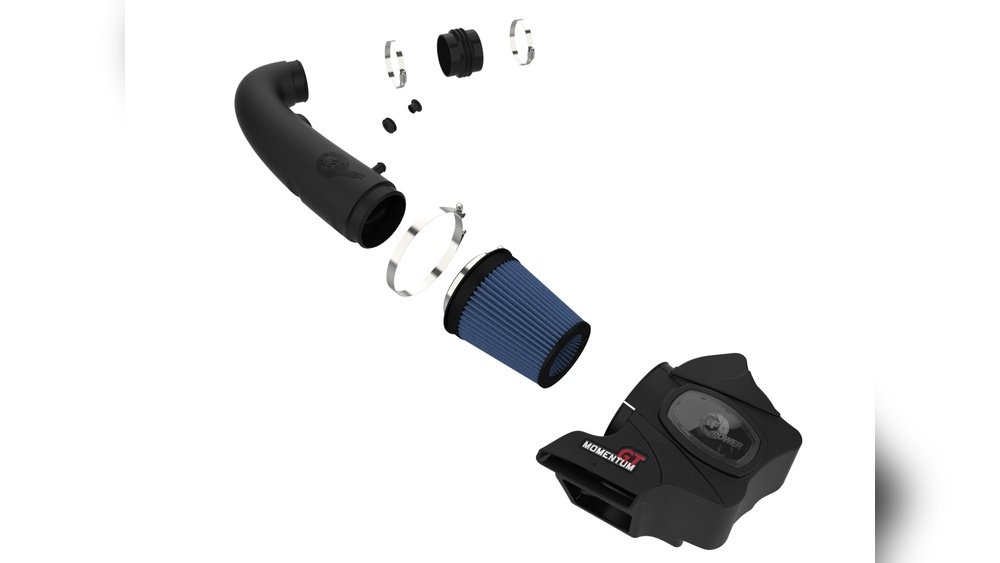
A cold air intake system is designed to replace your Jeep XJ's restrictive factory air intake with a less restrictive, more efficient setup. The primary goal is to supply the engine with cooler, denser air.
Denser air contains more oxygen, and more oxygen allows the engine to burn fuel more effectively, leading to increased horsepower, torque, and improved fuel economy.
For an XJ, which often sees service as a workhorse or an adventure vehicle, these improvements can make a noticeable difference, especially when you’re hauling gear or pulling a trailer.
Understanding The Stock Air Intake System
Before diving into the benefits of a CAI, it’s crucial to understand the limitations of the stock air intake system in your Jeep XJ. The factory setup is designed with several considerations: cost, noise reduction, emissions control, and ease of manufacturing. While it gets the job done for everyday driving, it often employs a bulky airbox, a restrictive paper filter, and a convoluted intake tube.
The airbox is typically sealed to prevent hot air from the engine bay from entering the intake. However, this sealing can also create a bottleneck, limiting the volume of air that can be drawn into the engine.
The paper filter, while effective at trapping fine particles, also offers significant resistance to airflow.
The intake tube’s shape and diameter are optimized for noise suppression and packaging rather than maximum airflow. All these factors combine to restrict the amount of air reaching your engine, thereby limiting its potential performance.
How A Cold Air Intake Works
A cold air intake system fundamentally changes how your Jeep XJ’s engine breathes. It typically consists of a few key components:
- High-Flow Air Filter: Instead of a paper filter, CAIs usually use a conical, reusable filter made from cotton gauze, foam, or synthetic material. These filters are designed to allow much more air to pass through with less restriction.
- Intake Tubing: The restrictive factory tubing is replaced with a smoother, often larger diameter tube, usually made from aluminum or plastic. This smoother path reduces turbulence and allows air to flow more freely into the engine.
- Heat Shield/Airbox: Most quality CAI kits include a heat shield or a new airbox designed to isolate the air filter from the hot engine bay. This is critical because the “cold” in cold air intake is vital. Cooler air is denser, meaning it contains more oxygen molecules per unit volume. More oxygen allows for a more complete and powerful combustion.
By drawing air from a cooler location (often near the front of the vehicle) and using a less restrictive filter and tubing, a CAI ensures the engine receives a larger volume of cooler, denser air. This directly translates to better combustion efficiency.
Benefits Of A Cold Air Intake For The Jeep Xj
The advantages of installing a CAI on a Jeep XJ extend beyond just a cool-sounding engine. They impact performance, efficiency, and even the driving experience.
1. Increased Horsepower And Torque
This is often the primary reason enthusiasts upgrade their intake. By providing more oxygen to the engine, a CAI allows for more fuel to be burned efficiently. This results in a noticeable increase in horsepower and torque. While the exact gains vary depending on the specific kit, the engine, and other modifications, many owners report gains of 5-15 horsepower and a similar increase in torque. This can make a difference in acceleration, especially when merging onto highways or climbing steep inclines.
2. Improved Fuel Economy
While it might seem counterintuitive that an upgrade designed for more power could also improve fuel economy, it’s a common benefit of CAIs. When the engine can breathe more easily, it doesn’t have to work as hard to produce the same amount of power. This means that under normal driving conditions, less throttle input is required to maintain speed, leading to better gas mileage. Some studies and user reports suggest potential improvements of 1-3 MPG. However, this benefit is highly dependent on driving habits; aggressive driving will negate any potential fuel savings.
3. Enhanced Throttle Response
With a less restrictive intake system, your Jeep XJ’s engine can respond more quickly to your inputs on the accelerator pedal. The engine can draw in air more rapidly, leading to a more immediate and crisp throttle response. This makes the vehicle feel more lively and responsive, especially in stop-and-go traffic or when you need a quick burst of acceleration.
4. Better Towing Power And Performance
This is where a CAI truly shines for many XJ owners. Towing puts a significant strain on the engine. When towing, the engine works harder, drawing more air. A stock intake can become a major restriction under these conditions, limiting the engine’s ability to perform. A CAI, by providing a higher volume of cooler air, helps the engine maintain its power output even under load. This results in:
- Reduced Strain: The engine doesn’t have to work as hard to maintain speed while towing.
- Improved Acceleration: Getting a trailer moving from a standstill or accelerating up a hill becomes easier.
- Lower Engine Temperatures: Cooler intake air can contribute to slightly lower overall engine temperatures, which is beneficial during sustained heavy loads.
For example, when towing a trailer uphill, the engine demands maximum airflow. A restrictive stock intake will choke the engine, leading to a loss of power and potentially increased heat.
A CAI allows the engine to "breathe" more freely, maintaining power and making the towing experience smoother and less stressful on the vehicle.
5. Distinct Engine Sound
One of the most immediate changes you’ll notice after installing a CAI is the sound. The less restrictive filter and tubing allow more of the engine’s intake noise to be heard. This often results in a deeper, more aggressive induction sound under acceleration, which many enthusiasts find appealing. It adds a sporty character to the driving experience, letting you hear the engine working.
Factors To Consider When Choosing A Cold Air Intake
Not all cold air intake systems are created equal. To get the most out of your Jeep XJ, consider these factors:
1. Material Quality And Durability
Look for kits made from high-quality materials. The tubing should be durable and resistant to heat, often made from polished aluminum, carbon fiber, or high-grade plastic.
The air filter should be reusable and well-constructed, with a good seal.
2. Filtration Efficiency
While high flow is important, filtration is equally crucial. You don't want to sacrifice engine longevity for a few extra horsepower.
Research the filter media used by different brands. Cotton gauze filters offer a good balance of airflow and filtration, but ensure they are properly oiled and maintained.
3. Ease Of Installation
Most aftermarket CAI kits are designed for DIY installation. However, some are more straightforward than others.
Look for kits that come with clear instructions and all the necessary hardware. For the Jeep XJ, installation is generally considered a moderate DIY task.
4. Brand Reputation And Reviews
Research different brands and read reviews from other Jeep XJ owners. Look for feedback on performance gains, ease of installation, durability, and customer support.
Reputable brands often invest more in R&D, leading to better-performing and more reliable products.
5. Carb Compliance (california Air Resources Board)
If you live in California or a state that follows its emissions standards, you must ensure the CAI system is CARB-exempt. Non-exempt intakes can cause your vehicle to fail emissions tests. Check the product description or contact the manufacturer to confirm CARB compliance.
Installation Process For A Jeep Xj Cold Air Intake
Installing a cold air intake on a Jeep XJ is a relatively straightforward process that most DIY mechanics can handle. It typically involves removing the stock airbox and intake tubing and replacing it with the new components.
Tools You’ll Likely Need:
- Socket set and wrenches
- Screwdriver set (Phillips and flathead)
- Pliers
- Possibly a trim removal tool
General Steps:
- Disconnect Battery: Always disconnect the negative battery terminal before starting any work on your vehicle’s engine to prevent electrical shorts.
- Locate Stock Airbox: The stock airbox is usually a large plastic box located on the passenger side of the engine bay, connected to the throttle body via a large intake tube.
- Remove Stock Airbox and Intake Tube: This usually involves loosening hose clamps, unscrewing bolts or clips, and carefully lifting the entire assembly out. You may need to disconnect sensors attached to the stock intake tube.
- Install New Intake Tubing: Fit the new intake tube into place, ensuring a snug fit. You may need to transfer sensors from the old intake tube to the new one, or the new kit might come with new sensor ports.
- Mount the Air Filter: Attach the conical air filter to the end of the new intake tubing.
- Install Heat Shield (if included): If your kit comes with a heat shield, install it according to the manufacturer’s instructions to isolate the filter from engine heat.
- Tighten All Clamps and Bolts: Ensure all connections are secure but avoid over-tightening, which could damage components.
- Reconnect Battery: Reconnect the negative battery terminal.
- Start Engine and Check for Leaks: Start the engine and listen for any unusual noises or air leaks. Check that the Check Engine Light does not illuminate.
Pro Tip: Take photos of the stock setup before you start disassembling. This can be very helpful if you get stuck or need to remember how something was connected.
Common Mistakes To Avoid During Installation
- Over-tightening clamps: This can crack plastic components or strip threads.
- Forgetting to transfer sensors: Many stock intake tubes have sensors (like the Mass Airflow Sensor or IAT sensor) that need to be moved to the new intake. Failure to do so will result in engine performance issues and a Check Engine Light.
- Improper filter oiling (for oiled filters): Too much oil can contaminate the Mass Airflow Sensor, leading to poor performance and potential damage. Follow the manufacturer’s instructions precisely.
- Not ensuring a proper seal: Any air leaks after the filter but before the throttle body will allow unfiltered air into the engine, defeating the purpose of the CAI and potentially causing damage.
- Ignoring heat shielding: If your kit includes a heat shield, install it. Failing to do so means you’re not getting the “cold air” benefit, and the performance gains will be minimal.
Performance Gains: What To Expect
The performance gains from a Jeep XJ cold air intake are generally noticeable but not dramatic. It’s important to set realistic expectations.
| Metric | Stock Intake (Approximate) | Cold Air Intake (Approximate) |
|---|---|---|
| Horsepower | 170-190 HP | 175-205 HP |
| Torque | 210-230 lb-ft | 215-240 lb-ft |
| Throttle Response | Moderate | Quick |
| Fuel Economy | Average | Potentially Improved (1-3 MPG) |
| Intake Sound | Muffled | More pronounced, sporty |
*Note: These figures are estimates for a stock 4.0L inline-six engine and can vary based on the specific model year, condition of the engine, and the specific CAI kit installed.*
While these numbers might seem small, remember that the XJ’s engine is already a robust unit. A CAI helps it perform closer to its potential by removing restrictions. For towing, the consistent delivery of cooler, denser air is more valuable than peak horsepower numbers. It helps the engine maintain power under load, making towing less strenuous.
Cold Air Intake Vs. Ram Air Intake
It’s worth briefly distinguishing between a cold air intake and a ram air intake. While both aim to improve airflow, they do so differently.
- Cold Air Intake (CAI): Focuses on drawing cooler air from outside the engine bay and reducing restriction. The goal is denser air.
- Ram Air Intake: Designed to use the vehicle’s forward motion to force air into the intake system at higher pressures. This is more common in performance vehicles designed for high speeds.
For the Jeep XJ, a well-designed CAI is generally the more practical and beneficial choice, especially for everyday driving and towing. Ram air systems can be less effective at lower speeds and can be more prone to sucking in water if not properly designed and installed.
Maintenance Of Your Cold Air Intake
One of the advantages of many aftermarket CAI systems is the reusable air filter. However, this requires regular maintenance to ensure optimal performance and longevity.
- Cleaning: Periodically, you’ll need to clean the air filter. The frequency depends on your driving conditions. In dusty environments, you might need to clean it every 10,000-15,000 miles. In cleaner areas, it might be 30,000-50,000 miles.
- Oiling (for oiled filters): After cleaning, the filter needs to be re-oiled. Use the specific oil recommended by the filter manufacturer. Apply it evenly and allow it to air dry before reinstalling. Over-oiling is a common mistake that can harm your engine’s sensors.
- Inspection: Regularly inspect the filter, tubing, and clamps for any signs of damage, wear, or leaks.
A well-maintained CAI can last for the lifetime of your vehicle, unlike disposable paper filters that need frequent replacement.
Impact On Emissions And Engine Longevity
A common concern with aftermarket performance parts is their impact on emissions and engine longevity.
- Emissions: As mentioned, if you live in a state with strict emissions testing, ensure your CAI is CARB-exempt. Otherwise, it can lead to failed tests. For most other areas, a properly functioning CAI that improves combustion efficiency can actually lead to cleaner emissions, as more complete burning of fuel produces fewer pollutants.
- Engine Longevity: A well-designed and properly installed CAI that filters air effectively should not negatively impact engine longevity. In fact, by allowing the engine to run slightly cooler and with less strain, it could potentially contribute to a longer engine life. However, improper installation, poor filtration, or allowing unfiltered air into the engine can definitely lead



















