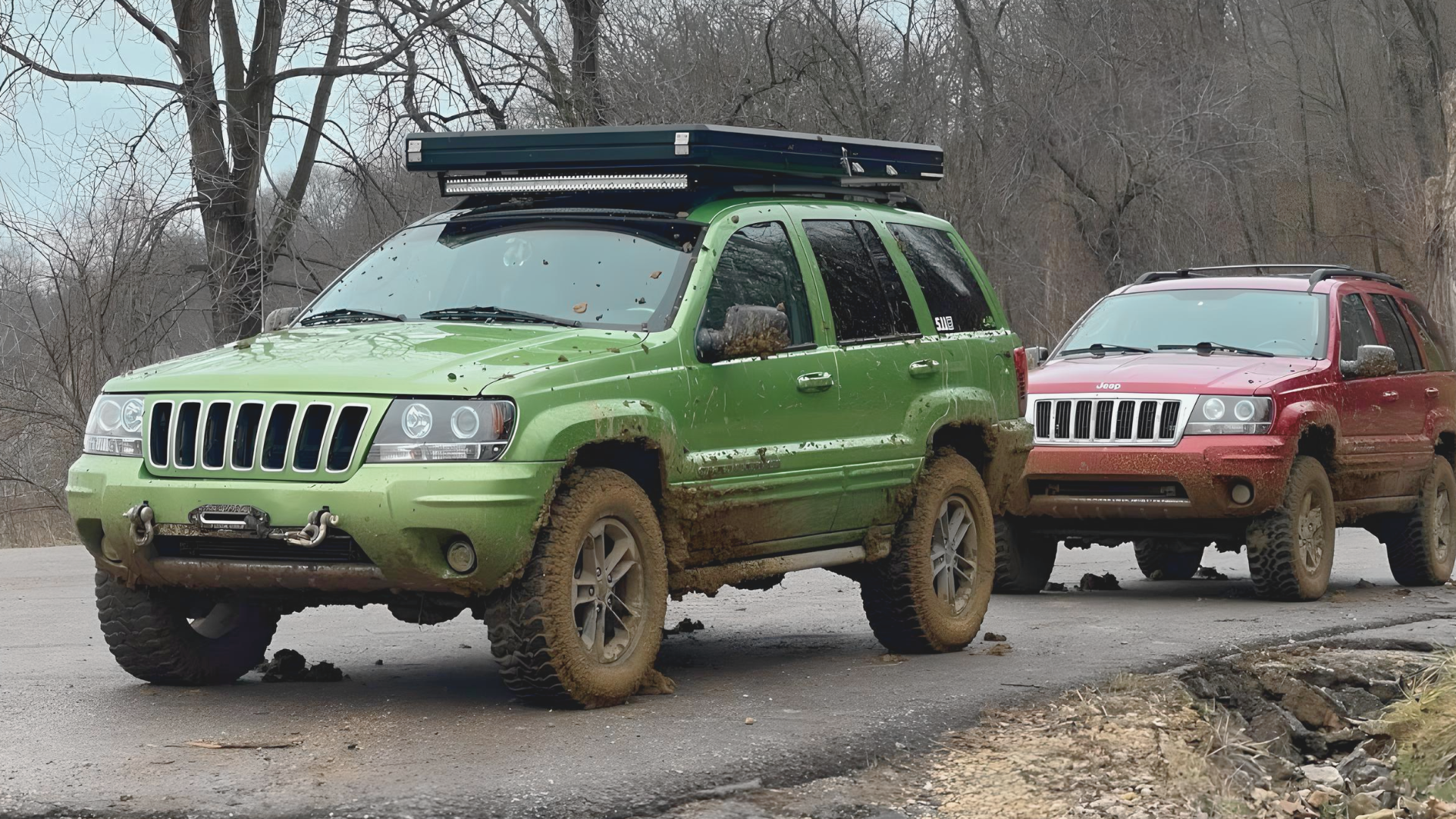
The Jeep XJ Cherokee is a legendary SUV, known for its ruggedness and off-road capability. For many owners, especially those looking to restore or customize their XJ, the wheels are a crucial component.
Among the various options, the 6-spoke steel wheel stands out as a classic choice. These wheels offer a blend of durability, affordability, and a timeless aesthetic that complements the XJ's iconic design.
Choosing the right wheels can significantly impact your Jeep's performance, handling, and overall look. The 6-spoke steel wheel, in particular, has a rich history with the XJ, often seen on factory models and popular in the aftermarket.
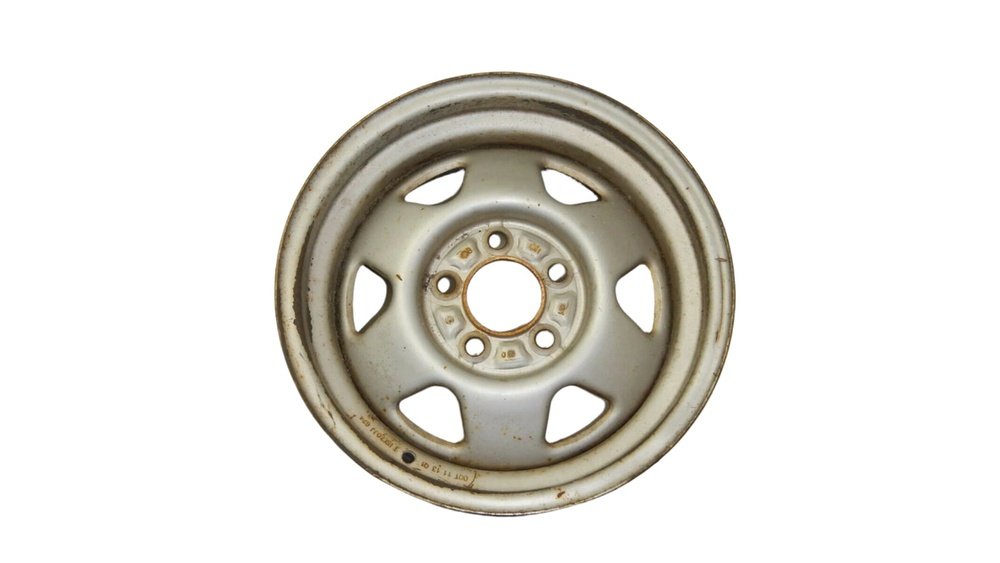
This article will explore everything you need to know about the Jeep XJ Cherokee 6-spoke steel wheel, from its design and benefits to common sizes, fitment considerations, and where to find them.
Whether you’re a seasoned off-roader or a daily driver, understanding these wheels will help you make an informed decision for your beloved Cherokee.
The Appeal Of The Jeep Xj Cherokee 6-spoke Steel Wheel
The allure of the 6-spoke steel wheel for the Jeep XJ Cherokee is multifaceted. It’s not just about function; it’s about heritage and a particular kind of rugged charm.
Steel wheels, by their nature, are built for toughness. They can absorb impacts from rough terrain better than many alloy wheels, making them a favorite for off-road enthusiasts.
The 6-spoke design itself is simple, strong, and visually appealing, offering a classic look that has stood the test of time.
This design provides a good balance between structural integrity and weight. While heavier than aluminum alloy wheels, the added weight can sometimes be beneficial for stability, especially on uneven ground.
The open design of the 6 spokes also allows for good airflow to the brakes, helping to keep them cool during strenuous use.
Furthermore, steel wheels are generally more affordable and easier to repair than their alloy counterparts. If a steel wheel gets bent or damaged, it can often be straightened by a professional, saving owners money on replacements.
This cost-effectiveness, combined with their inherent durability, makes the 6-spoke steel wheel a practical and popular choice for many Jeep XJ owners.
Understanding The 6-spoke Design
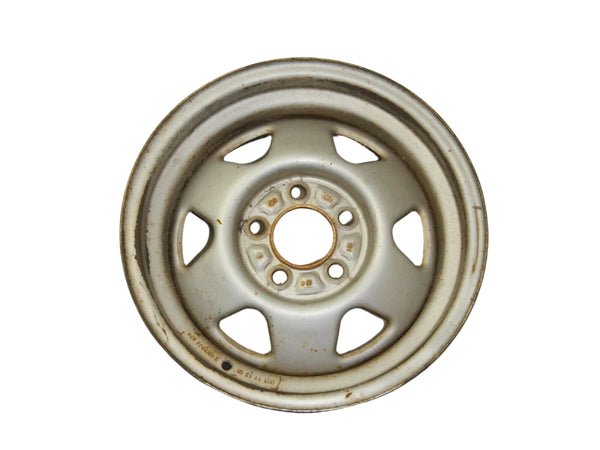
The defining characteristic of these wheels is their 6-spoke pattern. This design is not just for looks; it’s a structural element that distributes stress evenly across the wheel. Each spoke connects the wheel’s hub to the outer rim, creating strong points that can withstand significant forces. The spacing between the spokes is also optimized to provide strength without adding excessive material, thus managing weight as much as possible for a steel wheel.
Compared to other designs, such as 5-spoke or multi-spoke patterns, the 6-spoke configuration offers a robust and straightforward aesthetic. It’s a design that speaks to function and reliability.
For the Jeep XJ Cherokee, this design evokes a sense of purpose and readiness for adventure.
It’s a look that many associate with the original spirit of the Jeep brand, utilitarian, dependable, and ready for anything. The simplicity of the design also makes them easier to clean, a practical benefit for any vehicle owner.
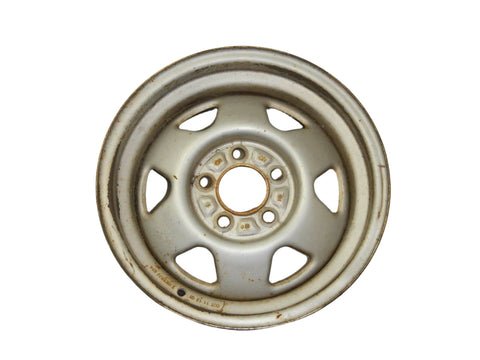
Key Benefits Of 6-spoke Steel Wheels For The Xj
Opting for 6-spoke steel wheels on your Jeep XJ Cherokee brings several distinct advantages. These benefits cater to both the practical needs of off-roading and the aesthetic preferences of owners.
- Durability and Strength: Steel is an inherently strong material. These wheels are designed to take a beating, absorbing impacts from rocks, potholes, and other trail hazards that might damage weaker wheels. This resilience is paramount for an SUV like the XJ, often used for adventures beyond paved roads.
- Cost-Effectiveness: Compared to alloy wheels, steel wheels are generally much more affordable. This makes them an attractive option for budget-conscious owners or for those who anticipate potential damage during off-road excursions and want a less expensive replacement.
- Repairability: If a steel wheel sustains damage, such as a bend or dent, it can often be repaired by a professional wheel shop. This is typically less expensive than repairing or replacing a damaged alloy wheel.
- Classic Aesthetics: The 6-spoke design offers a timeless, rugged look that perfectly matches the Jeep XJ Cherokee’s iconic styling. It’s a look that many enthusiasts prefer for its authenticity and utilitarian appeal.
- Off-Road Performance: The robust construction and forgiving nature of steel wheels contribute positively to off-road performance. They are less prone to cracking under stress and can handle the rigors of challenging terrain. The weight can also aid in maintaining traction on loose surfaces.
Common Sizes And Fitment For The Jeep Xj Cherokee
When looking for 6-spoke steel wheels for your Jeep XJ Cherokee, understanding the correct sizes and fitment is crucial. The XJ Cherokee typically uses specific bolt patterns and offsets that ensure proper installation and optimal performance.
The most common bolt pattern for the Jeep XJ Cherokee is 5×4.5 inches (or 5×114.3mm). This means there are five lug nuts arranged in a circle with a diameter of 4.5 inches. It’s essential to ensure any wheel you consider matches this bolt pattern precisely to avoid fitment issues or safety concerns.
Wheel diameter is another key factor. While stock XJs often came with 15-inch wheels, many owners opt for larger sizes like 16 inches or even 17 inches to accommodate larger tires. The 15-inch diameter is very popular for 6-spoke steel wheels on XJs, as it allows for tires with taller sidewalls, which are beneficial for off-roading by providing a smoother ride and better articulation.
Wheel width typically ranges from 7 inches to 8 inches for these wheels. A wider wheel can offer better stability and support for wider tires.
Offset refers to how the wheel is mounted to the hub. For the XJ, a common offset is around -6mm to 0mm (often referred to as ‘zero offset’ or ‘slight negative offset’). This helps push the wheel out slightly from the suspension, which can provide more clearance for larger brake components or suspension modifications, and can also improve the stance of the vehicle.
Popular 6-spoke Steel Wheel Styles
While the basic 6-spoke design is consistent, there are variations in how manufacturers implement it. These subtle differences can affect appearance and performance.
- The Classic “Weld Racing” Style: Often characterized by a simple, clean design with a flat face and distinct spoke separation. These are highly sought after for their no-nonsense look.
- The “Rock Crawler” Style: These wheels often feature a slightly more aggressive design, sometimes with a deeper lip or reinforced bead area for added durability against impacts.
- The “OEM-Style” Replica: Many aftermarket companies produce steel wheels that closely mimic the original factory 6-spoke designs found on certain XJ trims. These are perfect for owners seeking a factory-correct restoration.
- The “Modular” Steel Wheel: This style features a simple, flat disc with six evenly spaced cutouts for the spokes. It’s a very basic but incredibly strong design.
Tire Size Considerations With 6-spoke Wheels
The choice of wheel diameter directly influences the tire size you can fit.
- 15-inch Wheels: These are commonly paired with tire sizes like 31×10.50R15 or 33×12.50R15. The larger sidewall of these tires is excellent for off-road comfort and flex.
- 16-inch Wheels: Often used with tires such as 265/75R16 or 285/75R16. These offer a slightly shorter sidewall for more responsive on-road handling while still providing good off-road capability.
It’s crucial to ensure that the tire size you choose is compatible with your XJ’s suspension and any potential fender modifications. A common rule of thumb is that 31-inch tires generally fit with minimal or no modification, while 33-inch tires often require a suspension lift and possibly fender trimming.
Factors To Consider When Buying
Purchasing new wheels for your Jeep XJ Cherokee involves more than just picking a style. Several critical factors need careful consideration to ensure you get the best fit and performance for your needs.
Material And Construction
As we’ve discussed, steel is the primary material for these wheels. Its key advantages are strength, durability, and affordability. However, steel is also heavier than aluminum alloy. The construction method for steel wheels is typically a process of stamping and welding, which results in a robust, single-piece unit. When inspecting steel wheels, look for quality welds and a solid overall construction. Some manufacturers offer different grades of steel or specific manufacturing techniques that enhance durability, especially for heavy-duty applications.
Load Rating
A critical, often overlooked, aspect of wheel selection is the load rating. This specifies the maximum weight a wheel can safely support. Since the Jeep XJ Cherokee is an SUV designed for carrying passengers and cargo, and often used for demanding off-road activities, it’s vital to choose wheels with a load rating that meets or exceeds your vehicle’s requirements. A typical XJ might require a wheel with a load rating of around 1,500 to 2,000 pounds per wheel. Always check the manufacturer’s specifications for the exact load rating. Using wheels with an insufficient load rating can be extremely dangerous.
Offset And Backspacing
These two terms are closely related and determine how the wheel sits in relation to the vehicle’s body and suspension.
- Offset: Measured in millimeters, offset describes the distance from the centerline of the wheel to the mounting surface (where it bolts to the hub). A zero offset means the mounting surface is exactly in the middle. A negative offset (e.g., -6mm) pushes the wheel outward, away from the vehicle’s center. A positive offset pushes it inward. For the XJ, a slight negative offset is common and often preferred for increased tire clearance and a wider stance.
- Backspacing: This is the distance from the back of the wheel mounting surface to the outer lip of the wheel. Lower backspacing (e.g., 4 inches) pushes the wheel out, similar to negative offset. Higher backspacing pushes the wheel inward.
Choosing the correct offset and backspacing is essential to prevent tires from rubbing against fenders, suspension components, or brake calipers, especially when turning or under load. It also affects the vehicle’s handling and stability.
Finish And Durability
While steel wheels are primarily functional, their finish plays a role in both aesthetics and protection. Common finishes include:
- Black Powder Coat: This is a very popular and durable finish. It offers excellent resistance to corrosion, chips, and scratches, and provides a classic, rugged look.
- Gray Powder Coat: Similar in durability to black, gray offers a slightly different aesthetic that can complement various paint colors.
- Galvanized or Zinc Coating: Some basic steel wheels may have a simpler protective coating for corrosion resistance, often seen on more utilitarian or budget-friendly options.
Consider the environment where you’ll be driving. If you frequently encounter mud, salt, or harsh weather, a high-quality powder coat finish will offer the best protection against rust and corrosion.
Weight
As mentioned, steel wheels are heavier than alloy wheels. This added weight, often referred to as unsprung weight, can have a minor impact on acceleration, braking, and fuel economy. However, for many XJ owners, particularly those focused on off-roading, the benefits of durability and cost outweigh this drawback. If fuel efficiency and nimble acceleration are top priorities, you might consider lighter alloy wheels, but you’ll likely sacrifice some of the ruggedness and affordability of steel.
Common Brands And Where To Buy
Several reputable brands offer 6-spoke steel wheels that are suitable for the Jeep XJ Cherokee. These range from well-known aftermarket companies to manufacturers specializing in off-road components.
Some popular brands to consider include:
- Pro Comp: Known for their rugged off-road wheels, Pro Comp offers various steel wheel styles, including 6-spoke designs, often with durable finishes and high load ratings.
- Cragar: A classic name in wheels, Cragar offers iconic steel wheel designs that fit the XJ, providing a retro and robust look.
- US Wheel Corporation: This company produces a wide range of steel wheels, often providing affordable and durable options for various Jeep models.
- Steelies (Generic/OEM Style): Many generic or OEM-style steel wheels are available through online retailers and local tire shops. These often replicate factory designs and are a cost-effective choice.
When purchasing, it's best to buy from established retailers who specialize in automotive wheels and tires. Websites like Amazon, eBay, and specialized Jeep parts retailers are good places to start.
Always ensure the seller provides clear specifications regarding bolt pattern, size, offset, and load rating.
Reading customer reviews can also provide valuable insights into the quality and fitment of specific wheels.
Installation And Maintenance Tips
Proper installation and regular maintenance are key to ensuring your 6-spoke steel wheels perform well and last for years.
Installation
- Clean Mounting Surfaces: Before mounting the wheels, ensure the hub assembly and the back of the wheel are clean and free of rust, dirt, or debris. This ensures a flush fit and prevents vibrations.
- Lug Nuts: Use the correct type and size of lug nuts for your vehicle and wheels. Steel wheels often require specific shank-style lug nuts or acorn-style lug nuts that seat properly. Avoid using tapered lug nuts on wheels designed for shank nuts, as this can damage the wheel.
- Torque Specification: Always tighten lug nuts to the manufacturer’s recommended torque specification using a torque wrench. For the Jeep XJ Cherokee, this is typically around 100-120 foot-pounds (135-163 Nm). Tighten them in a star pattern to ensure even seating.
- Retorquing: After driving a short distance (e.g., 50-100 miles), re-torque the lug nuts to ensure they haven’t loosened. This is a critical step, especially after installing new wheels.
Maintenance
- Cleaning: Regularly clean your steel wheels with mild soap and water. Avoid harsh chemicals or abrasive cleaners that can damage the finish. A soft brush can help clean around the spokes and lug nut holes.
- Inspection: Periodically inspect your wheels for any signs of damage, such as bends, cracks, or significant dents. Also, check the finish for any signs of corrosion, especially around the edges or lug nut seats.
- Corrosion Prevention: If you live in an area with road salt, consider applying a coat of wax to the wheels after cleaning to add an