When you hit the trails in your Jeep XJ, you want a ride that’s as smooth as it is capable. Off-roading can be tough on your vehicle and your body.
One of the most effective upgrades for improving your ride quality and protecting your rig is installing bump stop extensions. These seemingly simple parts play a crucial role in controlling suspension movement, especially during aggressive off-road articulation.
Many Jeep XJ owners overlook bump stops, thinking they’re just rubber blocks. But they are much more. They are designed to limit the downward travel of your suspension at the point where the axle meets the chassis. When you’re crawling over rocks or descending steep obstacles, your suspension compresses significantly. Without proper bump stops, this compression can be too extreme, leading to metal-on-metal contact, damage to your shocks, and a jarring ride.
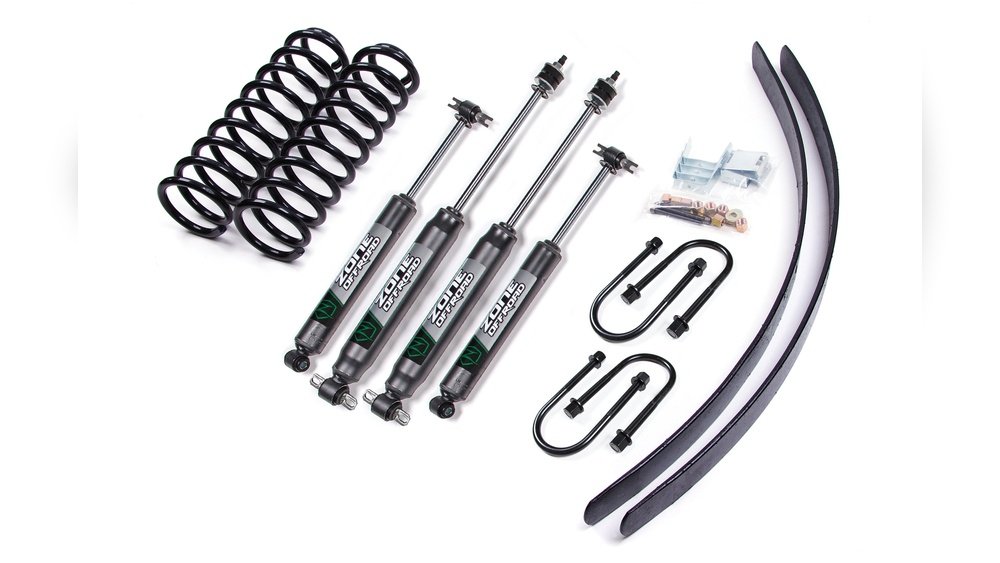
Bump stop extensions, as the name suggests, extend the effective length of your factory bump stops. This controlled increase in bump stop height is essential when you’ve modified your Jeep with a suspension lift or larger tires. These modifications often increase the potential for suspension compression beyond what the stock bump stops can handle. By adding extensions, you ensure that your suspension’s compression is managed effectively, preventing bottoming out and providing a more controlled, comfortable experience. This guide will walk you through the process of installing Jeep XJ bump stop extensions, helping you achieve smoother off-road rides and better protect your investment.
Understanding Bump Stops And Why Extensions Are Needed
Before diving into the installation, it’s important to grasp the fundamental role of bump stops and the specific reasons why extensions become necessary, especially for off-road enthusiasts. Bump stops are essentially progressive springs made of rubber or polyurethane. Their primary function is to absorb the final impact energy of the suspension as it reaches its maximum compression point. Think of them as the last line of defense against your suspension components forcefully meeting each other.
In a stock Jeep XJ, the factory bump stops are designed to work with the original suspension travel and tire size. They offer a certain level of protection for normal driving conditions and light off-roading. However, the Jeep XJ platform is incredibly popular for modifications. Many owners opt for suspension lift kits to accommodate larger tires and increase ground clearance. Lifting a vehicle changes its suspension geometry and allows for greater potential droop (extension) and compression. Similarly, fitting larger tires means there’s a higher chance of the tire making contact with the fender or bodywork if the suspension compresses too much, or if the bump stops are too short.
This is where bump stop extensions come into play. When you lift your XJ, the axle sits higher, but the bump stop mounting point on the leaf spring perch (for the rear) or lower control arm (for the front) also moves up. However, the distance the axle can travel upwards before hitting the frame or unibody rails remains the same. The original bump stops may no longer be long enough to properly cushion this travel. Bump stop extensions effectively increase the height of the bump stop, ensuring that it makes contact with the corresponding pad on the axle or unibody sooner in the compression cycle. This prevents the suspension from compressing so far that it bottoms out, which can cause significant damage.
The Mechanics Of Suspension Bottoming Out
When your Jeep’s suspension bottoms out, it means the springs and shocks have been compressed to their absolute limit. Instead of the bump stops absorbing the final impact, the axle housing directly impacts the frame or unibody. This sudden, forceful stop can have several negative consequences:
- Damage to Shocks: Extreme compression can over-extend or blow out your shock absorbers, rendering them useless and leading to a bouncy, uncontrolled ride.
- Damage to Springs: Coil springs can be compressed beyond their intended limit, potentially causing them to sag prematurely or even break. Leaf springs can experience extreme stress.
- Damage to Axle and Differential: The force of the impact can be transferred to the axle housing and differential, potentially leading to cracks or other structural damage, especially under heavy load or during aggressive maneuvers.
- Damage to Frame/Unibody: On an XJ, the unibody structure can be stressed or even deformed by repeated or severe bottoming out events.
- Loss of Control: A jarring impact can momentarily disorient the driver and disrupt the vehicle’s trajectory, which is particularly dangerous on uneven terrain.
- Uncomfortable Ride: This is the most immediate and noticeable effect. Bottoming out is an extremely harsh experience for everyone inside the vehicle.
Bump stop extensions are designed to prevent this scenario by providing a more gradual and controlled end to suspension travel. They act as a cushion, absorbing energy and stopping the suspension’s movement before it reaches the point of destructive impact.
Benefits Of Installing Bump Stop Extensions
The primary benefit of installing bump stop extensions is enhanced ride comfort and control off-road. By preventing the suspension from bottoming out, you significantly reduce the harshness of impacts. This makes long off-road trips more enjoyable and less fatiguing.
Beyond comfort, there are critical protective benefits:
- Component Protection: They shield your shocks, springs, and axle from the damaging forces associated with bottoming out. This can extend the lifespan of these expensive components.
- Tire Clearance Management: For those running larger tires, bump stop extensions are crucial for preventing tire rub against the fenders or body panels during suspension compression. They effectively limit the amount of compression, ensuring the tires stay clear.
- Improved Articulation Control: While bump stops limit travel, when sized correctly, they allow your suspension to articulate (flex) effectively without causing damage. This is key for maintaining traction on uneven terrain.
- Reduced Unibody Stress: By absorbing impacts, extensions help reduce stress on the Jeep’s unibody structure, contributing to its long-term integrity.
In essence, bump stop extensions are a relatively inexpensive but highly effective modification that pays dividends in terms of durability, comfort, and performance for your off-road Jeep XJ.
Choosing The Right Bump Stop Extensions
Not all bump stop extensions are created equal, and selecting the correct ones for your Jeep XJ is crucial for achieving the desired results. The primary factors to consider are the type of suspension modification you have, the size of your tires, and the intended use of your Jeep.
Suspension Lift Height
The most significant factor influencing the required length of your bump stop extensions is your suspension lift height. A taller lift generally means the suspension can compress further before the axle housing hits the frame, but it also means the bump stop needs to be longer to prevent this.
- 2-3 Inch Lift: You might need extensions of 1-2 inches. This is often enough to prevent tire rub and protect from minor bottoming out.
- 3-4.5 Inch Lift: Extensions of 2-3 inches are commonly recommended.
- 4.5+ Inch Lift: For taller lifts, you might require 3-4 inches or even custom solutions.
It’s important to remember that these are general guidelines. The actual measurement of your available compression travel is the most accurate way to determine the needed extension length.
Tire Size
Larger tires increase the likelihood of contact with the fenders, firewall, or control arms during suspension compression. Bump stop extensions help limit this compression, effectively reducing the chance of tire damage or body damage. If you’ve upgraded to 31-inch, 33-inch, or larger tires, bump stop extensions become almost mandatory for serious off-roading.
Material And Design
Bump stop extensions are typically made from durable polyurethane or rubber. Polyurethane is generally preferred for its resilience, resistance to abrasion, and ability to withstand harsh elements. They come in various shapes and mounting styles:
- Bolt-on Extensions: These are common and usually bolt directly to the existing bump stop pad or frame mount.
- Weld-on Extensions: Less common for XJs and usually for more custom applications.
- Universal vs. Specific Fit: While some are universal, many are designed to fit specific Jeep models like the XJ, ensuring proper alignment and mounting.
Front Vs. Rear Extensions
It’s important to note that the front and rear suspensions of a Jeep XJ have different bump stop locations and travel characteristics.
- Rear Bump Stops: These are typically mounted on the leaf spring perches and strike the underside of the leaf spring itself or a dedicated pad on the spring.
- Front Bump Stops: These are usually located on the lower control arm mounts and strike the underside of the unibody frame rail or a specific bump stop plate.
You will likely need separate front and rear bump stop extension kits, as their mounting points and required lengths can differ.
Calculating Required Extension Length
The most accurate way to determine the necessary extension length is to measure your suspension’s available compression travel.
- Park your Jeep on a level surface.
- Measure the distance from the bump stop pad on the axle (or unibody) to the corresponding contact point on the frame (or control arm mount) at full droop (when the suspension is fully extended, often achieved by placing blocks under the tires and letting the suspension hang).
- Measure the distance from the bump stop pad to the contact point at full compression (when the suspension is pushed up as far as it will go without the tire hitting anything).
- Subtract the compressed distance from the drooped distance. This gives you the total suspension travel.
- Determine your desired bump stop length. A common rule of thumb is to have the bump stop engage before the suspension reaches its absolute maximum compression, leaving a small buffer. You want the bump stop to be the primary component absorbing the final impact, not the metal-on-metal contact.
A simpler, though less precise, method is to use the lift height and tire size as a guide. For instance, if you have a 4-inch lift and 33-inch tires, a 2.5 to 3-inch extension is a good starting point for both front and rear.
Example: Choosing For A 4-inch Lift With 33-inch Tires
For a Jeep XJ with a 4-inch lift and 33-inch tires, a common recommendation would be:
- Rear: 2.5-inch to 3-inch bump stop extensions. These will bolt to the existing bump stop pads on the leaf spring perches.
- Front: 2.5-inch to 3-inch bump stop extensions. These will mount to the lower control arm brackets.
It’s always better to err on the side of slightly longer extensions if you’re unsure, as you can always trim them down if needed, but you can’t add length back easily.

Tools And Materials Needed
Before you begin the installation of your Jeep XJ bump stop extensions, ensure you have all the necessary tools and materials. Having everything ready will make the process smoother and more efficient.
Essential Tools:
- Jack and Jack Stands: You will need to safely lift your Jeep and support it securely. Never work under a vehicle supported only by a jack.
- Socket Set and Wrenches: A comprehensive set of metric sockets and wrenches (typically 10mm, 13mm, 17mm, 19mm) will be needed for removing and installing bolts.
- Torque Wrench: Crucial for tightening bolts to the manufacturer’s specifications, ensuring a secure installation and preventing damage.
- Wire Brush: To clean any rust or debris from bolt holes and mounting surfaces.
- Penetrating Oil (e.g., WD-40): To help loosen stubborn or rusted bolts.
- Hammer: May be needed to persuade stubborn parts.
- Pliers: For handling small parts or removing clips.
- Safety Glasses: Always wear eye protection when working on your vehicle.
- Gloves: To protect your hands.
Materials:
- Jeep XJ Bump Stop Extension Kit: This should include the extensions themselves, and potentially new hardware (bolts, nuts, washers). Ensure it’s designed for your specific Jeep model and lift height.
- Threadlocker (e.g., Loctite Blue): Recommended for bolts that are subject to vibration to prevent them from loosening over time.
- Grease: A small amount of grease can be helpful for lubricating bolts during installation, especially if they are difficult to thread.
Optional (but Recommended) Tools:
- Impact Wrench: Can speed up the removal and installation of bolts, but use with caution to avoid over-tightening.
- Angle Grinder or Reciprocating Saw: May be needed if you need to modify or trim existing bump stop mounts or the extensions themselves, though this is less common with bolt-on kits.
- C-Clamps: Can be useful for holding parts in place during installation.
Pre-installation Checks
Before you start, it’s a good idea to:
- Inspect your current bump stops: Check their condition. If they are cracked, worn, or damaged, replacement might be necessary even before adding extensions.
- Clean the mounting areas: Use a wire brush to remove any rust, dirt, or old threadlocker from the mounting points. This ensures a clean surface for the new hardware and proper seating of the extensions.
- Read the instructions: Carefully review the instructions provided with your specific bump stop extension kit. While the general process is similar, each kit might have unique mounting requirements.
Having the right tools and understanding the preparatory steps will make the installation process much more manageable and ensure a safe, successful outcome.
Installation Guide: Step-by-step
Installing bump stop extensions on a Jeep XJ is a moderately difficult DIY task that can usually be completed in a few hours. The process involves lifting the vehicle, removing old components (if any), and installing the new extensions.
We’ll break this down into front and rear installations.
Rear Bump Stop Extension Installation
The rear bump stops on an XJ are typically located on the leaf spring perches, and they contact the underside of the leaf spring pack or a U-shaped bracket attached to it.
- Safety First: Park your Jeep on a level surface. Engage the parking brake and place wheel chocks behind the rear wheels. Loosen the lug nuts on the rear wheels slightly.
- Lift and Support: Use your jack to lift the rear of the Jeep and place sturdy jack stands under the frame rails or axle housing. Ensure the vehicle is stable. Remove the jack.
- Access the Bump Stops: You should now be able to see the factory bump stops attached to the leaf spring perches. They are usually held in place by one or two bolts.
- Remove Old Bump Stops