The Jeep Cherokee XJ is a legendary SUV. Many owners love it for its ruggedness and capability.
A common question for XJ owners is about the biggest wheel size they can fit on their vehicle without making major changes. This is important for owners who want to improve their Jeep's look or off-road performance.
Understanding stock wheel sizes and potential upgrades is key. The XJ came with different wheel options from the factory.
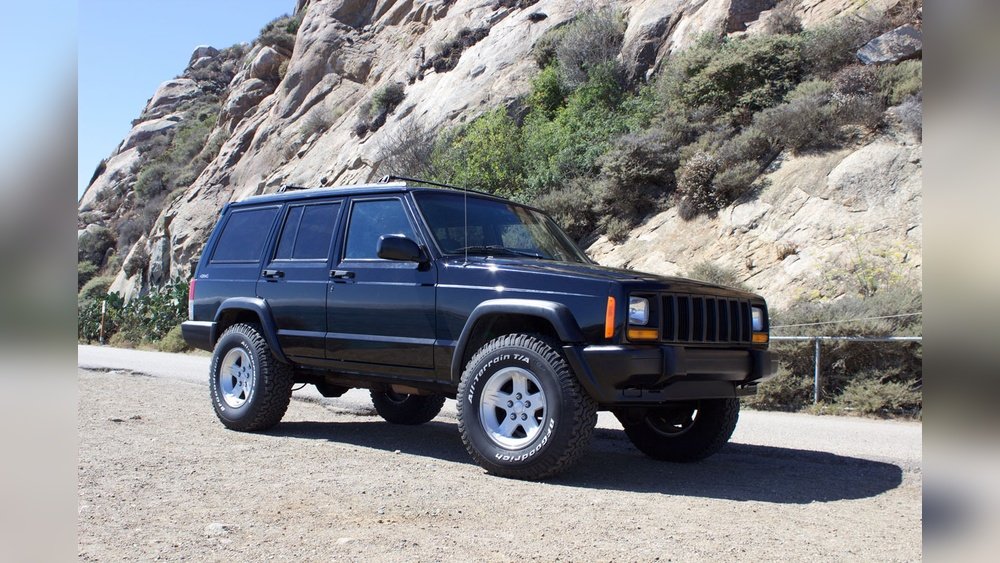
Knowing these limits helps avoid rubbing, suspension issues, and costly modifications. This article will explore the stock wheel sizes for the Jeep XJ and discuss the practical limits for fitting larger wheels.
We’ll look at factors like tire type, suspension lift, and potential modifications needed.
Understanding Jeep Xj Stock Wheel And Tire Sizes
The Jeep Cherokee XJ was produced for a long time, from 1984 to 2001. During this period, Jeep offered several different wheel and tire combinations.
These varied based on trim level, year, and specific packages. Knowing the original specifications is the first step to understanding upgrade potential.
Common Factory Wheel And Tire Sizes
Most Jeep XJ models came standard with 15-inch wheels. The most common tire size fitted to these 15-inch wheels was 215/75R15. This is a roughly 29-inch tall tire. Some higher trim levels or later models might have also offered 16-inch wheels, often with a tire size around 225/75R16, which is about 30 inches tall.
These factory setups were designed to balance on-road comfort, fuel efficiency, and reasonable off-road capability. The 215/75R15 tire, for example, offers a good compromise.
It's narrow enough to cut through mud and snow effectively and doesn't put excessive strain on stock suspension components or the drivetrain.
The 225/75R16, while slightly larger, still fits within the stock fenders and suspension geometry.
It’s important to note that tire size isn’t just about the wheel diameter. The sidewall height (the second number in the tire size, e.g., 75) and the tire width (the first number, e.g., 215) also play a huge role in how a tire fits. A taller tire can rub against the fenders or suspension components, while a wider tire can rub against the fender flares or control arms.
Factors Influencing Tire Fitment
Several factors determine if a larger wheel and tire combination will fit your XJ without problems:
- Suspension Lift: This is the most significant factor. Adding a suspension lift kit raises the entire vehicle, providing more clearance between the tires and the fenders, as well as the suspension components. Even a small 1-2 inch lift can make a noticeable difference.
- Fender Trimming/Rubbing: Even with stock suspension, some larger tires might fit, but they could rub against the fenders during articulation (when the suspension moves unevenly, like on an off-road trail) or even during sharp turns. Some owners choose to trim their fenders to gain a little extra clearance.
- Wheel Offset and Backspacing: The offset and backspacing of a wheel determine how far it sits in or out from the hub. Wheels with less backspacing or a negative offset will push the tire outwards, potentially causing it to rub against the fender flares or bodywork. Stock XJ wheels typically have a positive offset.
- Tire Type: The actual dimensions of tires can vary even with the same size designation. An aggressive all-terrain (AT) or mud-terrain (MT) tire often has a larger outer diameter and may be wider than a more street-oriented highway-terrain (HT) tire of the same size.
The Biggest Wheel Size You Can Fit Stock
When people ask about the “biggest wheel size stock,” they usually mean fitting the largest possible tires on an XJ without any modifications, or at most, very minor ones like removing mud flaps.
Maximum Tire Size On Stock Suspension
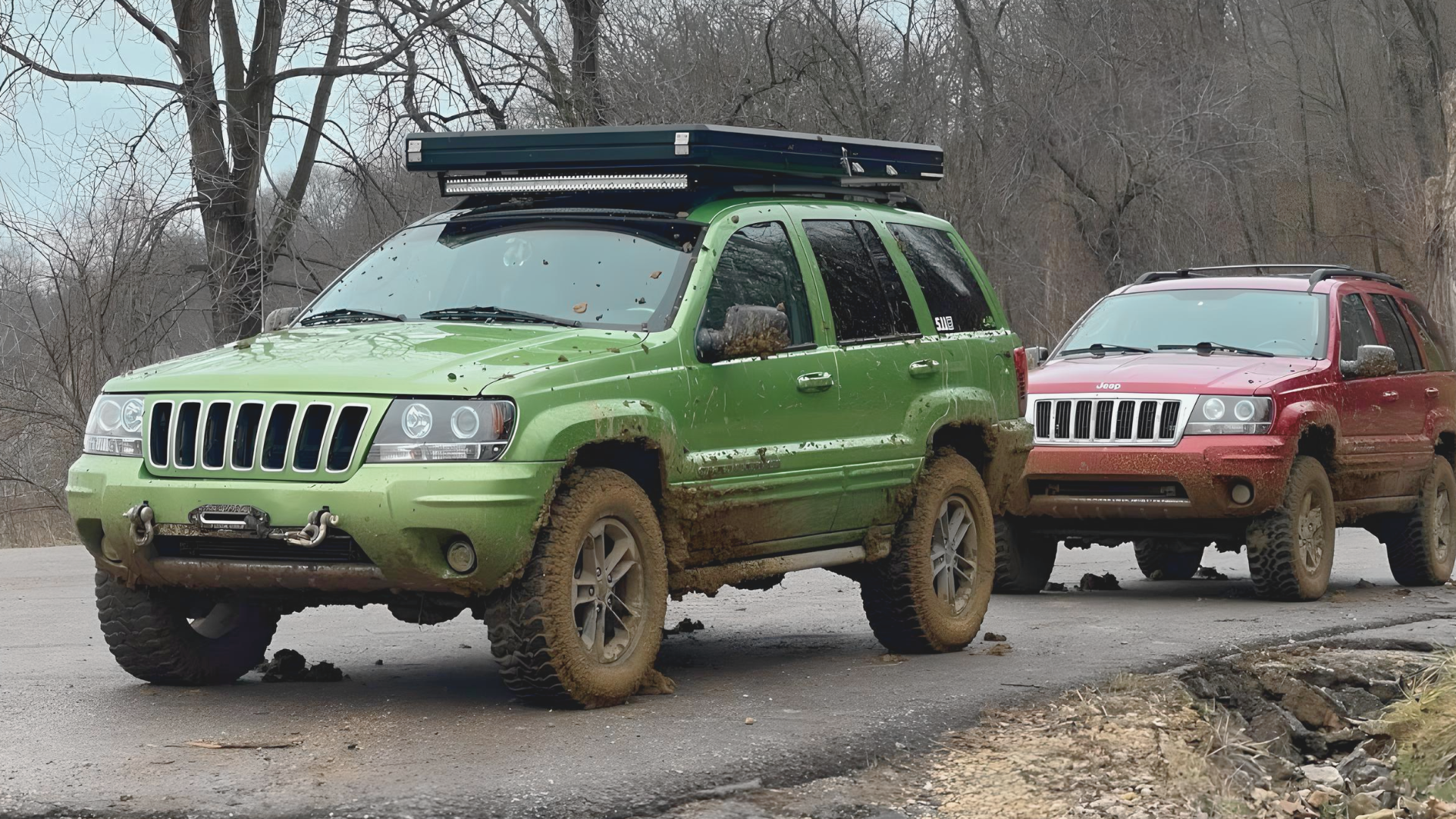
On a completely stock Jeep XJ with no lift, the general consensus among enthusiasts is that you can comfortably fit 31-inch tall tires. This is a popular upgrade because it offers a noticeable increase in ground clearance and off-road capability without requiring significant modifications.
A common tire size that measures around 31 inches is 31×10.50R15. This tire is wider than the stock 215/75R15 (which is about 28.3 inches tall and 8.5 inches wide) and is taller.
Pro Tip: Even with 31-inch tires, you might experience some minor rubbing, especially on the front fenders at full steering lock or when the suspension compresses significantly. This is often more pronounced on models with factory fender flares. Some owners choose to remove the front air dam (a plastic piece under the front bumper) or slightly trim the plastic fender flares to eliminate this minor rubbing.
What About 32-inch Tires?
Fitting 32-inch tires on a stock XJ is pushing the limits. While some people claim to have done it with minimal issues, it’s not a guaranteed fit for everyone. You will likely experience rubbing, particularly on the front suspension components (like the control arms) and the fenders.
If you attempt to fit 32-inch tires on stock suspension, you might need:
- Wheel spacers: These push the wheels further out, but can sometimes cause more rubbing issues on the bodywork and put extra stress on wheel bearings.
- Minor fender trimming: You might need to cut a small portion of the plastic fender flares or even the metal fender itself.
- Removal of the front air dam: This is a common modification to gain a little extra clearance.
In my experience, while a 32-inch tire might physically fit, it will likely rub enough during normal driving or light off-roading to be annoying or even detrimental to suspension components over time. For daily driving and occasional light trails, sticking to 31-inch tires is a much safer bet for a stock XJ.
Bigger Wheels (16-inch, 17-inch) With Stock Suspension?
The question isn't just about tire height but also wheel diameter. Can you fit larger diameter wheels (like 16-inch or 17-inch) with stock suspension?
Yes, you can physically bolt on larger diameter wheels. The challenge is finding a tire for those larger wheels that doesn't exceed the overall height and width limitations we've discussed.
For example, a 16-inch wheel could be fitted with a 245/75R16 tire. This tire is about 30.
5 inches tall and 9. 6 inches wide.
This is a common size and often fits without rubbing on stock suspension, similar to a 31-inch tire.
However, if you put a much larger tire on a 17-inch wheel, say a 285/70R17 (which is about 33 inches tall), you will absolutely need a significant lift. The key takeaway is that the overall tire diameter is more critical than the wheel diameter when it comes to clearance on stock suspension.

Upgrading To Larger Wheels And Tires: Lift Kits Explained
To fit significantly larger tires, a suspension lift kit is almost always necessary. Lift kits raise the body of the Jeep, giving more room for bigger tires to turn and flex without hitting the chassis or body.
Types Of Lift Kits For Xj
There are several ways to lift a Jeep XJ:
- Budget Boost / Spacer Lift: These kits typically use pucks or spacers that are installed above the springs (front) or leaf springs (rear). They are the most affordable way to gain a couple of inches of lift, usually 1-3 inches. They don’t typically improve suspension performance and can sometimes lead to a harsher ride. They are good for fitting slightly larger tires, like 31s or potentially 32s depending on the kit and tire choice.
- Coil Spring Lift (Front): For the front suspension, lift is achieved by replacing the stock coil springs with taller, stiffer aftermarket springs. These are part of most suspension lift kits.
- Leaf Spring Lift (Rear): In the rear, lift is achieved by adding extra leaves to the existing leaf spring pack or by replacing the entire leaf spring pack with an aftermarket one designed for lift.
- Shackle Lift (Rear): Some older XJ models can gain a small amount of lift in the rear by installing longer shackles that connect the leaf springs to the frame. This is a less common method for significant lift.
- Longer Control Arms and Other Components: For lifts of 4 inches or more, simply taller springs and springs are not enough. You’ll need longer control arms to maintain proper caster and pinion angles, transfer case drop kits or slip yokes to correct driveshaft angles, and potentially longer shocks, sway bar links, and brake lines.
Common Lift Heights And Tire Sizes
Here’s a general guide to lift heights and the tire sizes they typically accommodate on an XJ:
| Lift Height | Common Tire Size (Approx. Diameter) | Notes |
|---|---|---|
| **Stock (0″)** | Up to 31″ | Minor rubbing possible on 31″ tires, especially off-road. 30″ tires usually fit with no issues. |
| **1-2″ Lift** | Up to 31″-32″ | Allows for 31″ tires with minimal to no rubbing. 32″ tires may fit but could still rub, especially off-road. |
| **3-4″ Lift** | Up to 33″ | Most 33″ tires (e.g., 33×10.50R15 or 285/75R16) will fit well with minor or no rubbing. Some fender trimming might still be needed. |
| **4.5″+ Lift** | 33″-35″ | Can accommodate 33″ tires comfortably. 35″ tires may fit with significant fender trimming, potentially cutting the pinch seam, and possibly requiring **re-gearing** the axles. |
Example: A common and effective lift for an XJ is around 3-4 inches. This height allows for the popular 33-inch tire size (like a 33×10.50R15 or 285/75R16) without requiring extensive modifications. You might still need to trim the plastic fender flares slightly or remove the front air dam to ensure no rubbing during full suspension flex.
Considerations For Larger Tires (beyond 33″)
Fitting tires larger than 33 inches on an XJ is possible but requires more than just a lift kit.
- 35-inch Tires: To run 35-inch tires, you’ll typically need at least a 4.5-inch lift, often more like 5-6 inches for good articulation. You will almost certainly need to trim the fenders significantly, potentially cut and fold the pinch seam (the seam where the inner fender meets the outer fender), and possibly modify the front bumper.
- Re-gearing Axles: Larger tires significantly increase the load on the Jeep’s axles and transmission. The engine has to work much harder to turn bigger, heavier tires. This leads to a noticeable loss of power and potentially increased fuel consumption. For tires 33 inches and larger, it is highly recommended to re-gear the axles to a lower ratio (e.g., from 3.55 to 4.10 or 4.56). This restores the Jeep’s acceleration and drivability.
- Braking Performance: Larger tires also increase the distance needed to stop. Upgraded brake components might be advisable for safety.
- Drivetrain Strength: While the XJ’s Dana 30 front and Dana 35 (or optional Chrysler 8.25) rear axles are relatively strong, pushing them with very large tires and aggressive off-roading can lead to failures.
Wheel Size Vs. Tire Size: What Really Matters?
It’s easy to get caught up in just the wheel diameter (15″, 16″, 17″, etc.). However, for clearance and fitment, the overall tire diameter is far more important.
Consider these two examples:
- 15-inch wheel: A 31×10.50R15 tire has an approximate outer diameter of 31 inches.
- 17-inch wheel: A 285/70R17 tire has an approximate outer diameter of 32.7 inches.
You can see that the 17-inch wheel setup, while using a larger diameter wheel, results in a taller tire.
Pros And Cons Of Different Wheel Diameters
- 15-inch Wheels:
- Pros: Allow for tires with taller sidewalls. Taller sidewalls provide a more comfortable ride, better flex off-road, and are less prone to damage from impacts. Historically, 15-inch wheels were standard, so there’s a vast selection of affordable off-road tires available in sizes that fit XJs well (like 31×10.50R15).
- Cons: Can limit brake upgrades. Some larger brake kits might not fit inside a 15-inch wheel.
- 16-inch Wheels:
- Pros: Offer a good balance. Can fit tires with slightly shorter sidewalls than 15-inch wheels but still provide decent ride comfort and off-road performance. Wider tire options are often available. Allows for slightly larger brake calipers if needed.
- Cons: Tire selection might be slightly less diverse or more expensive than for 15-inch wheels. Sidewall height is reduced compared to 15-inch wheels of similar overall diameter.
- 17-inch Wheels and Larger:
- Pros: Excellent for fitting larger brake systems. Wide variety of tire sizes available, especially for modern performance or off-road applications. Can offer a more responsive on-road feel due to stiffer, shorter sidewalls.
- Cons: Significantly reduces tire sidewall height. This leads to a harsher ride, less tire flex off-road, and a higher risk of tire damage from impacts. The selection of tires with the appropriate overall diameter for an XJ might be more limited or expensive.
For most Jeep XJ owners looking for the biggest tire size without major modifications