The Jeep Cherokee XJ is a legendary off-road vehicle, and steel wheels are a crucial part of its identity and capability. When it comes to upgrading or replacing wheels on an XJ, 17-inch steel wheels offer a compelling blend of durability, affordability, and performance.
They strike a balance between the smaller, often factory-sized wheels and larger, more expensive aftermarket options.
For many Jeep enthusiasts, the appeal of steel wheels lies in their ruggedness. Unlike alloy wheels, which can crack or shatter under extreme stress, steel wheels tend to bend or dent.
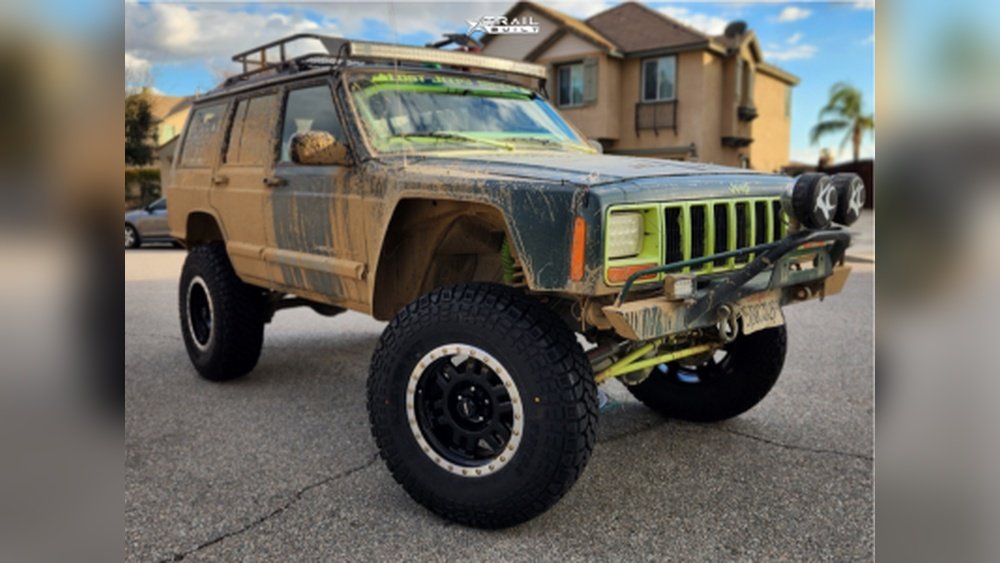
This makes them more forgiving in tough off-road situations, where impacts are common.
A bent steel wheel can often be hammered back into shape, allowing you to continue your adventure, something that’s rarely possible with a damaged alloy wheel.
Choosing 17-inch steel wheels for your XJ isn’t just about strength; it’s also about optimizing tire size and vehicle stance. A 17-inch rim allows for a wider range of tire options, including those with a taller sidewall for better articulation and shock absorption off-road, or more aggressive tread patterns for superior grip. This size also provides a good foundation for lifting the vehicle, enabling larger tires that can clear obstacles more easily.
This article will explore the world of Jeep XJ 17-inch steel wheels, covering what makes them a popular choice, the key factors to consider when buying them, and highlighting some of the top options available. We’ll also touch upon the benefits and potential drawbacks, helping you make an informed decision for your beloved Jeep.
Why Choose 17-inch Steel Wheels For Your Jeep Xj?
The decision to outfit your Jeep Cherokee XJ with 17-inch steel wheels is driven by a combination of practical needs and aesthetic preferences. Steel wheels have a long-standing reputation in the off-road community for their resilience and cost-effectiveness, and the 17-inch size offers a sweet spot for modern tire compatibility and vehicle dynamics.
Unmatched Durability And Resilience
The primary advantage of steel wheels is their inherent toughness. Constructed from thick, heavy-gauge steel, they are designed to withstand impacts that would easily damage or destroy lighter alloy wheels. When you’re navigating rocky trails, crawling over boulders, or simply encountering unexpected debris on the road, steel wheels offer a significant peace of mind. Instead of a catastrophic failure, a steel wheel is more likely to deform, bend or dent. This deformation, while unsightly, often preserves the tire’s seal and allows the vehicle to remain drivable. Many off-roaders have tales of hammering a dented steel wheel back into a round enough shape to limp back to civilization. This resilience is a critical factor for anyone who pushes their XJ beyond the pavement.
Cost-effectiveness
Compared to their alloy counterparts, steel wheels are generally more affordable. The manufacturing process for steel wheels is less complex, and the raw materials are typically less expensive. This lower upfront cost makes them an attractive option for budget-conscious enthusiasts or for those who plan to use their wheels in high-risk off-road environments. The idea is that if you’re going to beat them up, it’s better to beat up a less expensive set. The savings can then be reinvested into other essential modifications, such as better tires, suspension components, or recovery gear.
Optimal Tire Fitment And Stance
The 17-inch diameter is a modern standard that opens up a vast array of tire choices. While older Jeeps often came with 15-inch wheels, the 17-inch size allows for a wider selection of performance-oriented tires, including those with more aggressive tread patterns and larger overall diameters. Crucially, it allows for a good balance between rim size and tire sidewall height. For off-roading, a taller sidewall (achieved with a larger diameter tire on a 17-inch rim) provides better cushioning over rough terrain, improved traction by allowing the tire to conform to obstacles, and reduced risk of pinch flats. Furthermore, 17-inch wheels are a popular choice when lifting an XJ, as they accommodate larger tires that provide increased ground clearance, essential for traversing challenging landscapes.
Classic Off-road Aesthetic
There’s an undeniable classic off-road look associated with steel wheels. Their simple, rugged design often complements the utilitarian and adventurous spirit of the Jeep Cherokee XJ. While alloy wheels offer a wide range of intricate designs and finishes, steel wheels typically come in basic styles like the classic “wagon wheel” or modular designs. This simplicity, for many, is part of their appeal, evoking a sense of raw, functional capability that’s synonymous with traditional off-roading.
Key Considerations When Buying 17-inch Steel Wheels For Your Xj
Selecting the right 17-inch steel wheels for your Jeep XJ involves more than just picking a set that looks good. Several technical specifications and practical considerations will ensure compatibility, performance, and longevity. Getting these details right from the start can save you headaches and potential expenses down the line.
Bolt Pattern
The bolt pattern, also known as the lug pattern, is the arrangement of lug nuts on the wheel hub. For most Jeep Cherokee XJs, the standard bolt pattern is 5×4.5 inches (or 5×114.3mm). This means there are five lug holes spaced in a circle with a diameter of 4.5 inches. It is absolutely critical to match the wheel’s bolt pattern to your Jeep’s hub. Mismatched bolt patterns mean the wheel will not fit, and attempting to force it can cause severe damage to your vehicle’s suspension and braking system. Always double-check your specific XJ model year, as rare variations can exist, though 5×4.5 is overwhelmingly common for the XJ generation.
Offset And Backspacing
Offset refers to the distance between the wheel’s mounting surface (where it bolts to the hub) and the centerline of the wheel. Backspacing is the distance from the rear of the wheel mounting surface to the outer lip of the wheel. These measurements are crucial for determining how the wheel and tire will sit relative to the fenders and suspension components.
- Zero Offset: The mounting surface is exactly in the center of the wheel.
- Positive Offset: The mounting surface is closer to the outside of the wheel. This tucks the wheel inward.
- Negative Offset: The mounting surface is closer to the inside of the wheel. This pushes the wheel outward, widening the vehicle’s stance.
For most Jeep XJs, especially those with stock or mildly modified suspensions, a zero offset or a slight negative offset (e.g., -6mm to -12mm) is generally recommended. This helps to provide adequate clearance for suspension components and steering while allowing for slightly larger tires without excessive rubbing. Backspacing is often easier to understand for off-roaders; a typical range for a 17-inch wheel on an XJ might be around 4.5 to 5 inches. Lower backspacing (more negative offset) pushes the wheel out, which can help clear suspension parts but may increase rubbing on the fender flares or body at full suspension compression or steering lock. Always consult with a reputable wheel and tire shop or research specific fitment guides for your XJ and intended tire size.
Wheel Diameter And Width
You’re specifically looking for 17-inch diameter wheels. This size is a popular aftermarket choice for the XJ, offering a good compromise for tire selection. The width of the wheel is also important. Common widths for 17-inch wheels that fit an XJ range from 8 inches to 9 inches.
- An 8-inch wide wheel is versatile and works well with a wide variety of tire sizes, from 31-inch to 33-inch tires.
- A 9-inch wide wheel can offer a bit more stability for wider tires (e.g., 35-inch) and can help “seat” the bead of the tire more securely, especially at lower pressures used for off-roading. However, it can also make the tire appear more “stretched,” which some enthusiasts dislike.
Consider the tire size you plan to run. A tire manufacturer will usually provide recommended rim width ranges for their tires.
Sticking within these recommendations ensures the tire seats properly and performs as intended.
Load Rating
For an off-road vehicle like the Jeep XJ, the load rating of a wheel is paramount. This specification indicates the maximum weight the wheel can safely support. Steel wheels are generally built with high load ratings, often exceeding what’s needed for a Jeep Cherokee. However, it’s still good practice to check. Ensure the wheels you choose have a load rating significantly higher than the gross vehicle weight rating (GVWR) of your XJ. This provides a safety margin for the stresses of off-roading, carrying heavy loads, and potential impacts. Most aftermarket steel wheels designed for trucks and SUVs will have load ratings well over 2000 lbs per wheel, which is more than sufficient.
Finish And Style
While durability and fitment are primary concerns, the finish and style of steel wheels also play a role. The most common finishes are black (often a satin or semi-gloss powder coat) and gray. These finishes are generally durable and can withstand the elements.
- Black is a popular choice for its aggressive, utilitarian look that complements most Jeep color schemes.
- Gray offers a slightly more subtle, classic appearance.
Styles vary, but the most common are:
- Modular/Slab Style: These are typically simple, robust designs with a flat, solid face or a few large openings. They are known for their strength and ease of cleaning.
- Wagon Wheel Style: Characterized by a circular design with multiple small holes around the perimeter, mimicking old-school wagon wheels. These are iconic and widely recognized.
Consider how the style will complement your XJ’s overall build, especially if you have other aftermarket parts like bumpers, rock sliders, or a lift kit.
Tire Size Compatibility
The choice of 17-inch steel wheels directly influences the tire sizes you can run. A 17-inch rim generally allows for tires ranging from approximately 31 inches up to 35 inches or even larger, depending on your suspension lift and any fender modifications.
- 31-inch tires: Often fit a stock or mildly lifted XJ with minimal or no rubbing.
- 33-inch tires: Typically require at least a 2-3 inch lift and may need some fender trimming or “high-line” fender flares for optimal clearance.
- 35-inch tires: Almost always necessitate a significant lift (4 inches or more), potential re-gearing of axles, and substantial body/fender modifications.
When selecting wheels, think about your future tire plans. If you anticipate running larger tires, ensure the wheel width and offset will accommodate them comfortably.
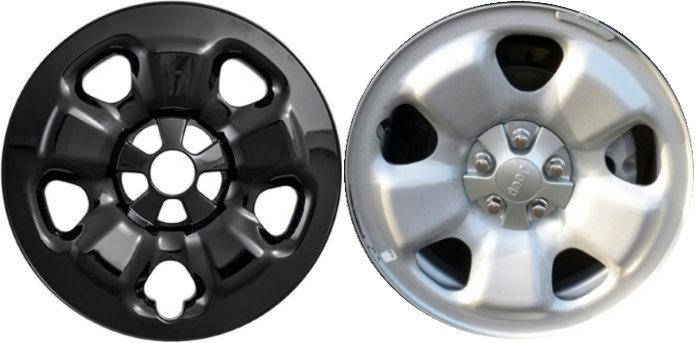
Popular 17-inch Steel Wheel Options For The Jeep Xj
The aftermarket offers a variety of 17-inch steel wheels suitable for the Jeep Cherokee XJ. While the selection might be smaller compared to alloy wheels, several manufacturers produce reliable and popular options that cater to the needs of off-road enthusiasts. Here are some well-regarded choices, focusing on their characteristics and suitability for the XJ.
1. Pro Comp 7069 Steel Wheels
Pro Comp is a well-known name in the off-road industry, and their 7069 steel wheel is a common sight on many Jeeps. It features a classic 15-spoke design with a simulated beadlock outer lip, giving it a rugged, aggressive look.
- Bolt Pattern: Available in 5×4.5 inches.
- Size: Commonly found in 17×8.5 inches.
- Offset: Typically comes with a negative offset (e.g., -6mm or -12mm) which helps push the wheel out for better clearance and stance.
- Finish: Usually available in gloss black.
- Load Rating: High, suitable for off-road use.
- Pros: Strong construction, aggressive styling, good offset for wider tires, widely available.
- Cons: Can be heavier than some other steel wheel options.
2. Black Rock 909 Type D Steel Wheels
Black Rock wheels are specifically designed with off-roading in mind. The 909 Type D is a popular choice for its robust construction and straightforward design. It often features a deep dish look and a simulated beadlock ring, enhancing its off-road appeal.
- Bolt Pattern: Available in 5×4.5 inches.
- Size: Typically offered in 17×8 inches.
- Offset: Often features a negative offset (e.g., -12mm) to improve stance and clearance.
- Finish: Usually in satin black.
- Load Rating: Excellent, designed for heavy-duty applications.
- Pros: Very durable, classic off-road appearance, good offset, relatively affordable.
- Cons: The simulated beadlock can be prone to damage if scraped hard against rocks.
3. Level 8 Mk6 17-inch Steel Wheels
Level 8 is another brand that focuses on producing durable wheels for demanding environments. The MK6 is a no-nonsense steel wheel known for its strength and simplicity. It often has a clean, functional design that prioritizes performance over flashy aesthetics.
- Bolt Pattern: Available in 5×4.5 inches.
- Size: Commonly found in 17×8 inches.
- Offset: Often around a zero offset or slight negative offset, providing good clearance.
- Finish: Typically available in matte black or gunmetal gray.
- Load Rating: High, built to withstand significant abuse.
- Pros: Extremely durable, simple and effective design, good value for money, less likely to snag on obstacles due to its smooth design.
- Cons: Less aggressive styling compared to some other options.
4. Dick Cepek Dc-2 Steel Wheels
While Dick Cepek is more famous for its tires, they also offer wheels that complement their tire line. The DC-2 steel wheel offers a distinct look with its multiple spokes and simulated beadlock. It aims to provide a balance between off-road capability and street-friendly aesthetics.
- Bolt Pattern: Available in 5×4.5 inches.
- Size: Often found in 17×8.5 inches.
- Offset: Usually features a negative offset (e.g., -12mm).
- Finish: Typically available in black with a polished lip or a full black finish.
- Load Rating: Strong, suitable for trucks and SUVs.
- Pros: Unique styling, good for matching with Dick Cepek tires, robust construction.
- Cons: The polished