When you think about Jeep Wrangler YJ models, one of the first things that often comes to mind is its iconic look and off-road capability. A big part of that look and performance comes down to the wheels.
For the YJ generation, which ran from 1987 to 1995, a popular and versatile wheel size is 15×8 inches. This size offers a great balance for many Jeep owners, whether they're daily drivers, weekend adventurers, or serious off-roaders.
Choosing the right 15×8 wheels for your YJ isn’t just about picking something that looks good. It involves understanding how different wheel specifications affect your Jeep’s handling, tire compatibility, and overall stance. You need to consider factors like backspacing, bolt pattern, and offset, as well as the materials and styles available. This guide will walk you through everything you need to know about Jeep Wrangler YJ 15×8 wheels, helping you make an informed decision that enhances both the form and function of your beloved Jeep.
Why 15×8 Wheels Are A Popular Choice For The Yj Wrangler
The Jeep Wrangler YJ is a unique chapter in Jeep’s history, distinguishable by its rectangular headlights. When it comes to upgrading wheels, the 15×8 size has become a sweet spot for many owners. This popularity stems from a combination of factors that balance aesthetics, performance, and practicality.
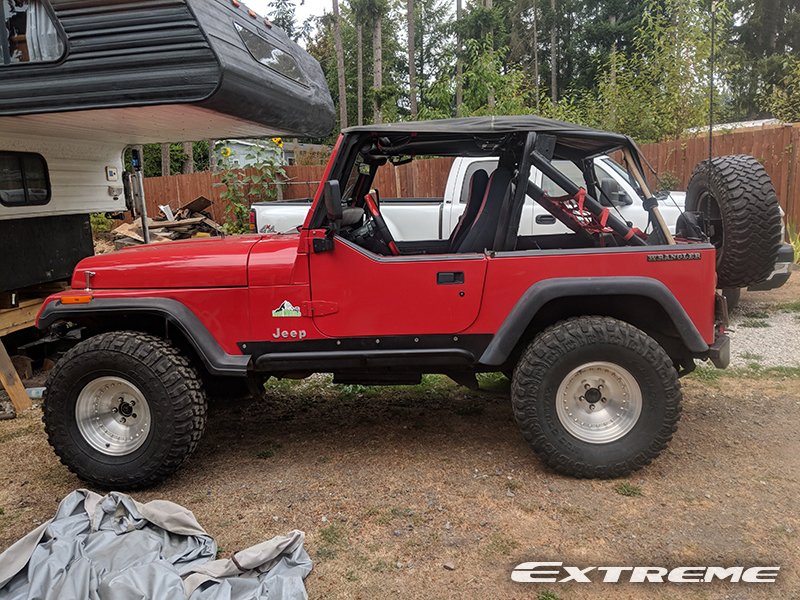
One of the primary reasons 15×8 wheels are favored is their excellent compatibility with a wide range of tire sizes that are commonly used on YJs. This wheel diameter allows for fitting larger tires than the stock setup, which is crucial for improving ground clearance and off-road traction. The 8-inch width is wide enough to properly support popular tire sizes like 31×10.50R15 or even 33×12.50R15, providing a stable bead seat for the tire. This ensures the tire doesn’t easily de-bead during aggressive off-road maneuvers or when running lower tire pressures for better grip.
Furthermore, the 15-inch diameter offers a good compromise between sidewall height and wheel size. A larger sidewall (achieved with a 15-inch wheel and a correspondingly taller tire) is beneficial for off-roading. It allows tires to flex more, conform to uneven terrain, and absorb impacts, providing a more comfortable ride and better traction on trails. It also contributes to the classic Jeep look that many enthusiasts cherish. The 8-inch width strikes a balance; it’s wide enough for aggressive tires but not so wide that it causes excessive tire wear or requires extreme modifications for certain tire sizes.
Understanding Key Wheel Specifications For Your Yj
When you’re looking at 15×8 wheels for your Jeep Wrangler YJ, several technical specifications are critical to understand. These numbers dictate how the wheel fits on your Jeep, how it interacts with your suspension and brakes, and what tire sizes will work best. Getting these right ensures proper fitment and avoids potential issues like rubbing or clearance problems.
Bolt Pattern
The bolt pattern refers to the number of lug nuts and the diameter of the circle they form on the wheel hub. For the Jeep Wrangler YJ, the standard bolt pattern is 5×4.5 inches (or 5×114.3mm). This means there are five lug nuts arranged in a circle with a diameter of 4.5 inches. It is crucial to match this bolt pattern when selecting new wheels. While adapters exist, they can introduce complexity and potential weaknesses, so finding wheels with the correct 5×4.5 bolt pattern is always the preferred route.
Backspacing And Offset
Backspacing and offset are two related measurements that determine how the wheel sits in relation to the Jeep’s suspension and fender.
- Backspacing is the distance from the back of the wheel mounting surface (where it bolts to the hub) to the inside edge of the wheel lip. For a 15×8 wheel on a YJ, a common backspacing range is 3.75 to 4.5 inches.
- Lower backspacing (e.g., 3.75 inches) pushes the wheel further out from the hub. This can help clear wider tires and suspension components, providing a more aggressive stance. However, too little backspacing can lead to the tire rubbing on fender flares or body panels, especially when turning or flexing the suspension.
- Higher backspacing (e.g., 4.5 inches) pulls the wheel closer to the hub. This can be beneficial for preventing tire rubbing on the fenders but might cause the tire to rub on suspension components like the tie rod or control arms, particularly with wider tires.
- Offset is another way to describe the wheel’s position. It’s the distance from the wheel’s mounting surface to the centerline of the wheel.
- A negative offset means the mounting surface is closer to the outside of the wheel than its centerline. This pushes the wheel outward, similar to low backspacing.
- A positive offset means the mounting surface is closer to the inside of the wheel than its centerline, pulling the wheel inward.
- For most 15×8 YJ wheels, you’ll typically find wheels with a negative offset, often in the range of -10mm to -25mm, which corresponds to the lower backspacing values mentioned above.
Understanding these measurements is key. For instance, a common setup for a YJ with 15×8 wheels is to aim for around 4 inches of backspacing. This often provides adequate clearance for 31-inch tires without significant modifications and gives a good stance. If you plan on running larger tires (like 33s) or a suspension lift, you might need to consider even lower backspacing or specific offset values to avoid rubbing.
Wheel Diameter And Width
As the name suggests, 15×8 means a 15-inch diameter and an 8-inch width. This combination is crucial for tire selection. The 15-inch diameter allows for a taller tire sidewall, which is beneficial for off-road comfort and articulation. The 8-inch width is the internal width of the wheel rim, measured from bead seat to bead seat. This width is ideal for tires ranging from approximately 10.5 inches to 12.5 inches wide. A tire that is too narrow or too wide for its rim can compromise handling and safety.
Tire Fitment Guide For 15×8 Yj Wheels
Choosing the right tires to go with your 15×8 Jeep Wrangler YJ wheels is just as important as selecting the wheels themselves. The 8-inch width is a versatile size, but it has optimal ranges for tire sizes to ensure proper fitment, performance, and safety.
Common Tire Sizes For 15×8 Wheels
The most popular tire sizes that fit well on a 15×8 wheel for a YJ Wrangler are:
- 31×10.50R15: This is arguably the most common and easiest tire size to fit on a YJ with 15×8 wheels. It often requires minimal or no lift and may only need minor fender trimming or adjustments to the bump stops for full articulation. It provides a noticeable increase in ground clearance over stock.
- 32×11.50R15: A slightly larger option. These tires will offer more off-road capability but will likely require at least a 2-inch suspension lift and potentially some minor body modifications (like fender trimming) to prevent rubbing.
- 33×12.50R15: This is a popular size for those looking for significant off-road performance. Fitting 33-inch tires on 15×8 wheels usually necessitates a suspension lift (typically 3-4 inches or more) and often requires more aggressive fender trimming, possibly even a body lift, and possibly re-gearing the axles for optimal performance. The 8-inch width is on the narrower side for a 12.50-inch tire, but it’s still a very common and functional pairing.
Tire Width And Wheel Width Relationship
The general rule of thumb for matching tire width to wheel width is that the wheel width should be about 70-80% of the tire's tread width. For a 10.
50-inch wide tire, an 8-inch wheel is perfect. For a 12.
50-inch wide tire, an 8-inch wheel is on the narrower side of ideal (a 10-inch wide wheel is often considered ideal for 12. 50-inch tires), but it's still very common and works well.
Using an 8-inch wide wheel for a 12.
50-inch tire can make the tire sidewall appear to bulge out slightly, which can offer some rim protection against trail hazards.
Important Considerations For Tire Fitment
- Rubbing: Always consider potential rubbing issues. This depends not only on the tire size but also on your suspension lift, fender type (stock, aftermarket flares), and how you drive. Aggressive off-roading with articulation will reveal clearance issues that might not be apparent during daily driving.
- Gearing: Larger tires (33 inches and up) significantly impact your Jeep’s gearing. Your engine will work harder, leading to reduced acceleration, increased fuel consumption, and potential strain on the drivetrain. Many YJ owners re-gear their axles (e.g., to 4.10 or 4.56 ratios) when moving to 33-inch tires to restore performance.
- Tire Pressure Monitoring: When running wider tires on narrower wheels, or when airing down for off-road, it’s good practice to monitor tire pressure closely. Some tire manufacturers provide recommended wheel width ranges for their specific tire sizes.
Popular Styles And Materials For 15×8 Yj Wheels
The 15×8 wheel market for Jeep YJs offers a diverse range of styles and materials, catering to different aesthetic preferences and functional needs. Whether you’re aiming for a rugged, classic look or a more modern, aggressive stance, there’s likely a wheel out there for you.
Wheel Styles
- Classic Off-Road Wheels: These often mimic the iconic designs that have been popular for decades.
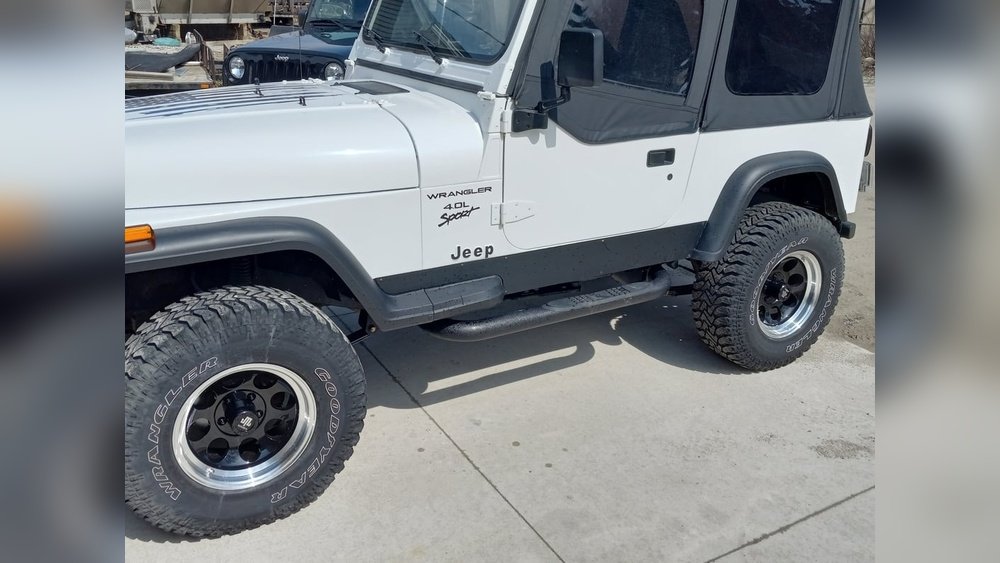
- “Cragar Soft 8” Style: A simple, black, steel wheel with a deep dish look. These are durable, affordable, and give a timeless off-road aesthetic.
- “Weld Racing” Style: Often referred to as beadlock-style wheels (even if they aren’t true beadlocks), these feature a simulated beadlock ring around the outer edge, giving a very aggressive and purposeful look.
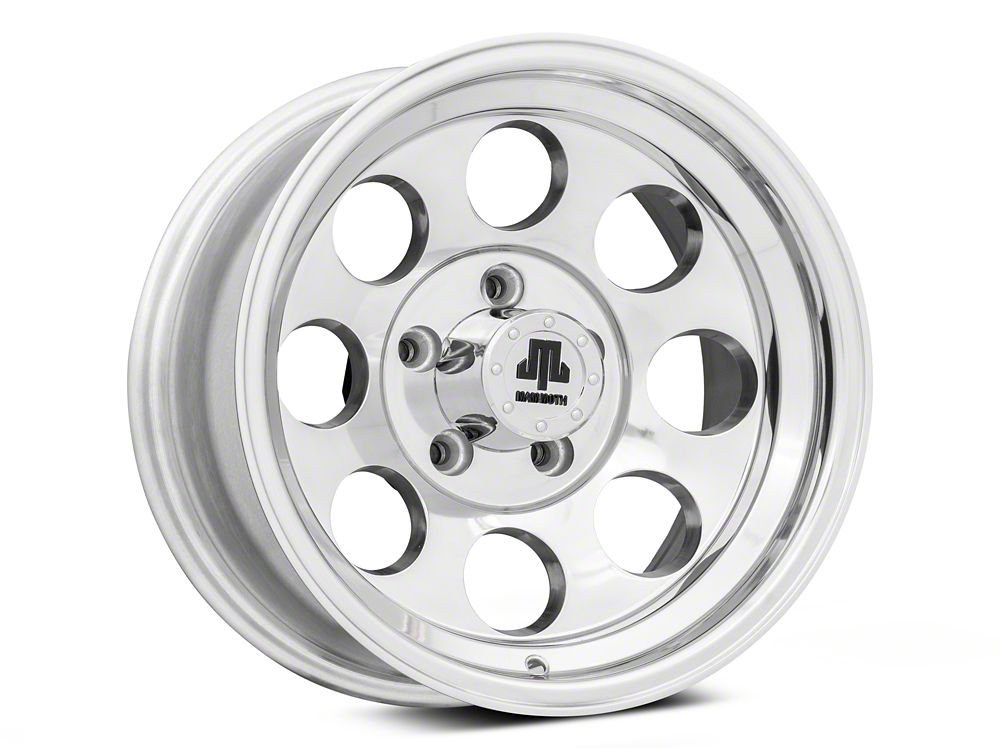
- Five-Spoke Designs: Many manufacturers offer classic five-spoke designs in various finishes, from polished aluminum to matte black. These are versatile and look good on almost any YJ.
- Modern Off-Road Wheels: These incorporate newer design elements and finishes.
- Multi-Spoke Designs: Wheels with more intricate spoke patterns, often with machined accents or contrasting finishes.
- Simulated Beadlock Wheels: Similar to the Weld style, but often with more complex ring designs or finishes. These are popular for their aggressive look without the cost and complexity of true beadlocks.
- “Slammed” or Deep Dish Styles: Wheels designed to push out further, creating a wide stance and emphasizing the tire.
Wheel Materials
- Steel Wheels:
- Pros: Extremely durable, affordable, and easy to repair if damaged. They can often withstand significant abuse on the trail. Their weight can also be a pro for some, helping to keep the vehicle planted.
- Cons: Heavy, which can negatively affect acceleration, braking, and suspension performance. They are also more prone to corrosion if not properly maintained.
- Common for: Budget builds, hardcore off-roaders who prioritize durability and repairability.
- Aluminum Alloy Wheels:
- Pros: Significantly lighter than steel wheels, which improves unsprung weight. This leads to better acceleration, braking, and suspension response. They also offer a wider variety of designs and finishes.
- Cons: Generally more expensive than steel wheels. While strong, they can be more prone to cracking or bending under extreme impact compared to steel, and repairs can be more complex.
- Common for: Daily drivers, weekend warriors, and those looking for improved performance and a wider range of aesthetic options.
Finishes
- Black (Matte, Satin, Gloss): Very popular for off-road vehicles, offering a rugged and stealthy look. Matte black is particularly resistant to showing dirt and brake dust.
- Polished Aluminum: Gives a classic, shiny look that can really make a Jeep stand out. Requires regular cleaning and polishing to maintain its luster.
- Chrome: Offers a very bright, reflective finish. Can be susceptible to chipping and corrosion if not well-maintained.
- Machined/Gunmetal/Anthracite: These finishes offer a sophisticated, often darker metallic look, with machined faces providing contrast.
When selecting a style and material, consider your priorities: budget, durability, weight, and aesthetics. For a YJ, many owners lean towards black steel wheels or rugged aluminum designs that complement the Jeep’s utilitarian character.
Benefits Of Upgrading To 15×8 Wheels
Upgrading your Jeep Wrangler YJ from stock wheels to a set of 15×8 wheels can bring about several noticeable improvements, impacting both the look and the performance of your vehicle. These upgrades are often one of the first modifications enthusiasts make, and for good reason.
Enhanced Off-road Capability
One of the most significant benefits of switching to 15×8 wheels is the ability to run larger, more aggressive tires. As discussed, this size wheel pairs well with popular off-road tire sizes like 31×10.50R15 and 33×12.50R15.
- Increased Ground Clearance: Larger tires lift the Jeep’s axles higher off the ground, allowing you to clear obstacles like rocks, logs, and uneven terrain more easily.
- Improved Traction: Wider tires, combined with the 8-inch wheel width, provide a larger contact patch with the ground. This is crucial for off-roading, offering better grip on dirt, mud, sand, and rocks.
- Better Articulation: The combination of a 15-inch diameter wheel and a taller tire sidewall allows the tire to conform to uneven surfaces more effectively. This means more of your tire stays in contact with the ground, maximizing traction even when the terrain is challenging. Additionally, the increased sidewall height acts as a natural suspension, absorbing impacts and providing a more comfortable ride over