The Jeep Wrangler YJ hardtop is a significant upgrade for any YJ owner looking to enhance their vehicle's comfort, security, and all-weather capability. Introduced for the 1987 model year and produced until 1995, the YJ generation of Jeep Wranglers is a beloved classic.
While many YJs came from the factory with soft tops, the hardtop option offers a more permanent and robust solution for various driving conditions. This article will explore everything you need to know about the Jeep Wrangler YJ hardtop, from its benefits and features to maintenance, installation, and aftermarket options.
The Appeal Of The Yj Hardtop
The Jeep Wrangler YJ, often recognized by its distinctive square headlights, stands apart from its CJ predecessors and TJ successors. For many owners, the YJ represents a perfect blend of classic Jeep ruggedness and more modern features. Adding a hardtop to a YJ transforms its character and utility. It’s not just about keeping the rain out; it’s about creating a more refined and secure driving experience that can be enjoyed year-round.
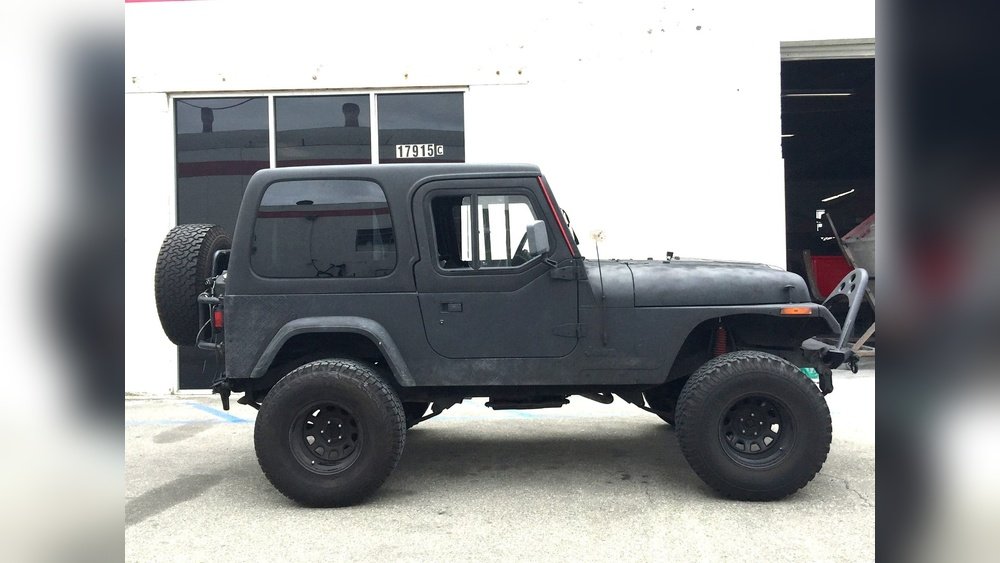
The primary allure of a hardtop for a YJ is its ability to provide superior insulation and weather protection. Unlike soft tops, which can be prone to leaks, drafts, and noise, a well-maintained hardtop creates a sealed cabin. This means a quieter ride, better temperature control in both hot and cold weather, and a significant reduction in wind noise. For those who use their YJ as a daily driver or embark on longer road trips, these improvements are invaluable.
Beyond comfort, a hardtop offers enhanced security. The solid construction makes it much harder for thieves to break into the vehicle, protecting your belongings. It also provides a more durable shield against the elements, preventing damage from falling branches or other debris that might be encountered off-road.
Key Features And Benefits Of A Yj Hardtop
Jeep Wrangler YJ hardtops, whether original factory equipment or aftermarket, share several common features and offer distinct advantages over soft tops. Understanding these can help you appreciate their value and make informed decisions.
All-weather Capability
The most significant benefit is the all-weather protection. A hardtop effectively seals the cabin, keeping out rain, snow, wind, and dust. This allows YJ owners to comfortably drive their Jeeps in conditions that might otherwise be unbearable with a soft top. The insulated nature of most hardtops also helps regulate cabin temperature, keeping it warmer in winter and cooler in summer, which can reduce reliance on the heater or air conditioning.
Enhanced Security
A hardtop provides a much higher level of security than a soft top. The solid panels, often made of fiberglass or ABS plastic, are far more resistant to cutting or forced entry. This deters opportunistic theft and gives owners greater peace of mind when parking their Jeep in public areas or leaving it unattended.
Reduced Noise Levels
One of the most noticeable improvements with a hardtop is the reduction in cabin noise. Soft tops, especially older ones, can be noisy due to wind flapping and poor sealing. A hardtop, when properly installed and sealed, significantly dampens road noise and wind buffeting, making for a more pleasant and less fatiguing driving experience.
Improved Resale Value
While not always the primary consideration, a well-maintained hardtop can add to a YJ’s resale value. It demonstrates that the vehicle has been cared for and offers a broader appeal to potential buyers who may not want the hassle of dealing with a soft top or who desire a more versatile Jeep.
Durability And Longevity
Compared to soft tops, which have a limited lifespan and can degrade from UV exposure and wear, hardtops are generally more durable and long-lasting. With proper care, a YJ hardtop can last for decades, providing reliable protection for many years.
Potential For Customization
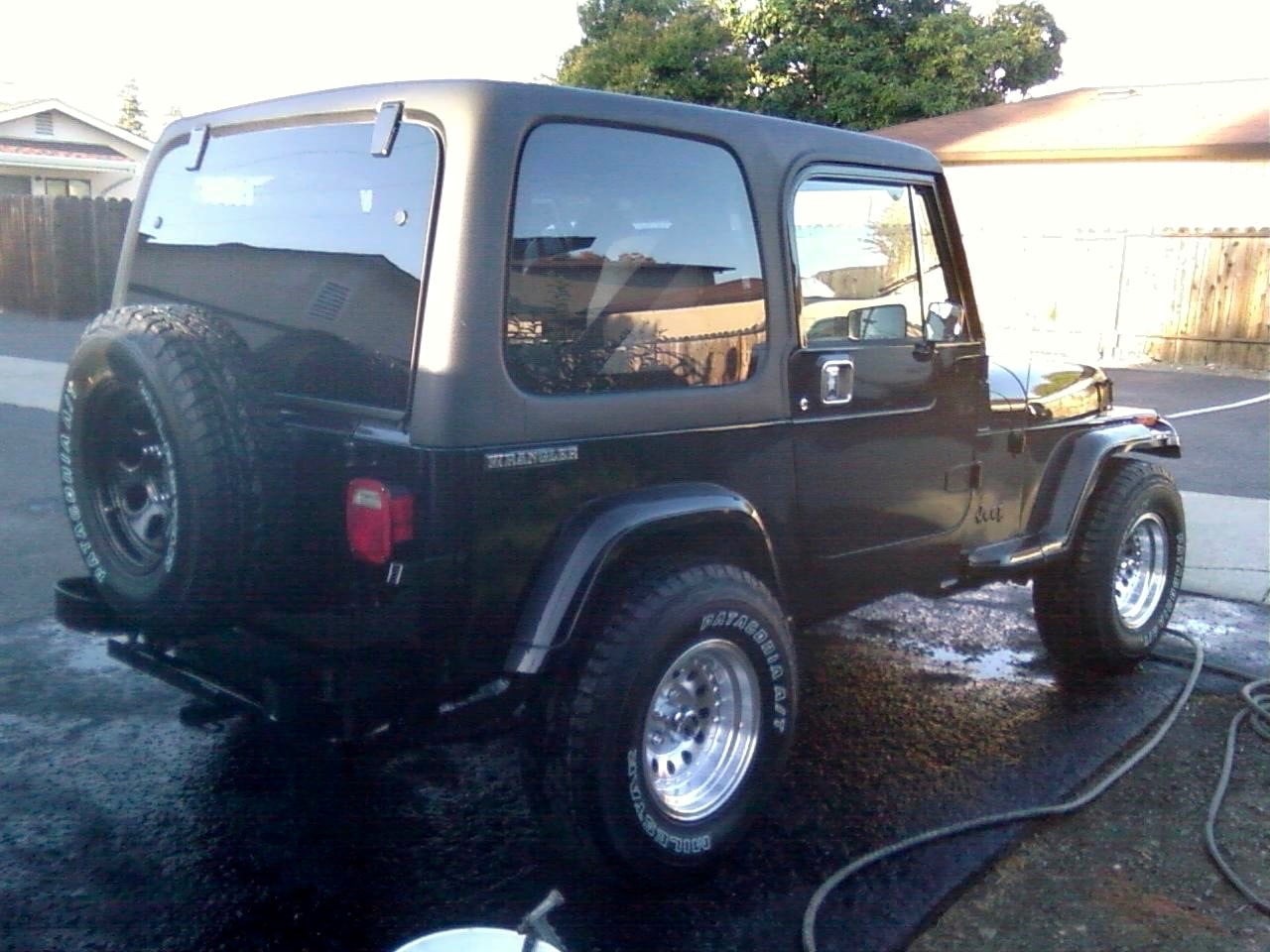
Many aftermarket hardtops and even some factory options offer features like tinted windows, rear wiper mounts, and interior lighting. These add to the functionality and aesthetics of the vehicle.
Understanding Yj Hardtop Materials
Jeep Wrangler YJ hardtops are typically constructed from one of two primary materials: fiberglass or ABS plastic. Each has its own set of characteristics, pros, and cons.
Fiberglass Hardtops
Fiberglass has been a popular material for hardtops for many years, including for the YJ generation. It’s known for its strength, durability, and ability to be molded into complex shapes.
Pros of Fiberglass:
- Strength and Rigidity: Fiberglass offers excellent structural integrity, making it very robust.
- Repairability: Minor damage, such as scratches or small cracks, can often be repaired by experienced individuals or body shops.
- Customization: Fiberglass can be painted to match the vehicle’s color or customized with graphics.
- Sound Deadening: It can offer good sound dampening properties.
Cons of Fiberglass:
- Weight: Fiberglass can be heavier than ABS plastic, which might slightly impact vehicle performance and fuel economy.
- Brittleness: While strong, it can become brittle over time, especially with exposure to extreme temperatures or impacts, leading to cracks.
- Cost: New fiberglass hardtops can be more expensive than ABS options.
Abs Plastic Hardtops
ABS (Acrylonitrile Butadiene Styrene) plastic is a thermoplastic commonly used in automotive manufacturing for its lightweight nature, impact resistance, and cost-effectiveness.
Pros of ABS Plastic:
- Lightweight: ABS is significantly lighter than fiberglass, which can improve handling and fuel efficiency.
- Impact Resistance: It tends to be more flexible and less prone to cracking on impact than fiberglass, especially in cold weather.
- Cost-Effective: ABS hardtops are often more affordable than their fiberglass counterparts.
- UV Resistance: Many ABS hardtops are treated for UV resistance, helping them maintain their appearance over time.
Cons of ABS Plastic:
- Repair: While impact-resistant, significant damage to ABS plastic can be harder to repair seamlessly compared to fiberglass.
- Aesthetics: Some people find the finish of ABS plastic less premium than painted fiberglass, though this is subjective.
- Sound: Depending on the design and thickness, ABS might not offer as much sound insulation as some fiberglass options.
When choosing a hardtop, consider how you'll use your Jeep. For extreme off-roading where impacts are likely, ABS might offer better resilience.
For a more refined look and easier repair of minor cosmetic issues, fiberglass could be preferred.
Installing A Yj Hardtop
Installing a Jeep Wrangler YJ hardtop, especially a used one or an aftermarket unit, can be a straightforward process, but it requires attention to detail to ensure a proper seal and secure fit.
Tools And Materials Needed
Before you begin, gather the necessary tools and materials. This typically includes:
- A socket set and wrenches
- Screwdrivers
- A rubber mallet
- A drill and drill bits (if new mounting holes are needed)
- Sealant tape or automotive-grade silicone sealant
- A helper (hardtops can be heavy and awkward)
- Possibly a hoist or lift system for easier handling
Step-by-step Installation Guide (general)
While specific instructions may vary by manufacturer, the general process involves:
- Preparation: Clean the Jeep’s tub where the hardtop will seal. Remove any old seals or debris. Ensure all mounting points are clear. If the hardtop is used, inspect it for damage and test its fit before proceeding.
- Sealing: Apply sealant tape or a bead of silicone sealant along the edges of the Jeep’s tub where the hardtop will meet the body. This is crucial for preventing water leaks. Pay close attention to the windshield frame and the rear tub edges.
- Positioning the Hardtop: With the help of your assistant or a hoist, carefully lower the hardtop onto the Jeep’s body. Align it correctly, ensuring the windshield header sits flush against the windshield frame and the rear edge aligns with the tub.
- Mounting: Secure the hardtop using the provided mounting hardware. This typically involves bolts that go through the hardtop and into the Jeep’s body or specific mounting brackets. For the YJ, common mounting points are:
- Windshield Header: Bolts secure the front edge of the hardtop to the windshield frame.
- Sport Bar: Some hardtops use brackets that attach to the roll bar, providing additional support.
- Rear Corners: Bolts or clamps often secure the rear corners of the hardtop to the Jeep’s body tub.
- Door Alignment: Once the hardtop is loosely secured, check the fit of your doors. You may need to adjust the doors or the hardtop mounting points to ensure proper alignment and sealing around the door frames.
- Final Tightening: Once everything is aligned and fitting correctly, tighten all bolts securely. Do not overtighten, as this can damage the fiberglass or ABS material.
- Leak Check: After installation, perform a thorough leak check. Use a hose to spray water around the edges and check for any drips inside the cabin. Address any leaks by adjusting the mounting or reapplying sealant.
Pro Tip: If you are installing a used hardtop, inspect the condition of the seals and mounting hardware. Replacing worn-out seals is often necessary to ensure a watertight fit and is a relatively inexpensive way to improve the performance of an older hardtop.

Maintaining Your Yj Hardtop
Proper maintenance is key to ensuring your Jeep Wrangler YJ hardtop lasts for years and continues to provide excellent protection.
Cleaning
Regular cleaning is essential to protect the material and finish.
- Exterior: Wash the hardtop with mild soap and water. Use a soft cloth or sponge. Avoid abrasive cleaners or brushes that can scratch the surface, especially on painted finishes. For stubborn dirt or grime, a dedicated automotive cleaner can be used.
- Interior: The interior can usually be cleaned with a damp cloth. For headliners (if present), use a cleaner specifically designed for automotive upholstery to avoid damage.
- Windows: Clean windows with a standard glass cleaner. For tinted windows, use ammonia-free cleaners to prevent damage to the tint film.
Sealing And Weatherstripping
The seals around the edges of the hardtop are critical for preventing leaks and drafts.
- Inspection: Periodically inspect the rubber seals for signs of wear, cracking, or compression.
- Lubrication: Applying a rubber protectant or silicone lubricant to the seals can help keep them supple and prevent them from drying out and cracking. This should be done a few times a year.
- Replacement: If seals are damaged or no longer provide a good seal, they should be replaced. This is a common maintenance task for any hardtop owner.
Paint And Finish Care
If your hardtop is painted, it requires similar care to the rest of your Jeep’s exterior.
- Waxing: Applying a coat of automotive wax periodically can protect the paint from UV rays and environmental contaminants, maintaining its shine.
- Scratch Repair: Minor scratches can often be buffed out using a rubbing compound and then polished. For deeper scratches, touch-up paint may be necessary.
Interior Headliner
Some YJ hardtops come with an interior headliner, which helps with insulation and noise reduction.
- Cleaning: If the headliner becomes dirty, spot clean it with a mild upholstery cleaner. Avoid saturating it with water.
- Repair: If the headliner starts to peel or sag, it may need to be re-glued or replaced.
Common Yj Hardtop Issues And Solutions
Even the best hardtops can develop issues over time. Being aware of these common problems can help you address them promptly.
Leaks
This is perhaps the most common issue with any hardtop.
- Cause: Worn seals, improperly installed mounting hardware, cracks in the hardtop material, or a poor seal around windows.
- Solution: Inspect and replace worn seals. Ensure all mounting bolts are snug (but not overtightened). Check for cracks and repair them. Reapply sealant around windows if necessary. A thorough leak test after any repair is crucial.
Wind Noise
While hardtops reduce noise, some can still be noisy if not fitted correctly.
- Cause: Gaps in the seals, loose mounting points, or the hardtop itself vibrating.
- Solution: Ensure all seals are in good condition and making full contact. Tighten mounting hardware. Sometimes, adding foam tape or additional weatherstripping in specific areas can help eliminate rattles or wind noise.
Window Fogging And Condensation
Even with a hardtop, condensation can form inside, especially in humid or cold conditions.
- Cause: Moisture introduced into the cabin from wet clothing, shoes, or breathing. Poor ventilation.
- Solution: Ensure the cabin is as dry as possible. Use dehumidifier packs or moisture absorbers. Ensure the Jeep’s ventilation system is functioning correctly. Running the defroster can help manage condensation on windows.
Cracks And Damage
Fiberglass hardtops, in particular, can develop cracks from impacts or stress.
- Cause: Road debris, low branches, impacts during off-roading, or stress from improper mounting.
- Solution: Small cracks can often be repaired using fiberglass repair kits. For larger or more complex damage, professional repair is recommended.
Fitment Issues
Aftermarket or used hardtops might not fit perfectly.
- Cause: Variations in manufacturing, previous modifications, or damage to the Jeep’s body.
- Solution: This can be the most challenging issue. It might require shimming mounting points, adjusting door hinges, or even minor modifications to the hardtop or Jeep body. Patience and careful adjustment are key.

Aftermarket Yj Hardtop Options
While finding an original factory hardtop for a YJ can be challenging, several aftermarket manufacturers offer new hardtops that are designed to fit the YJ model. These often come with modern features and materials.
When looking at aftermarket options, consider:
- Material: Fiberglass vs. ABS plastic (as discussed earlier).
- Features: Does it include a rear wiper, defroster hookups, interior dome light, or tinted windows?
- Fitment Guarantee: Does the manufacturer offer a warranty or guarantee on fitment?
- Reviews: Look for reviews from other YJ owners about the quality, ease of installation, and customer service.
Some popular aftermarket manufacturers have produced hardtops for Wranglers over the years. While specific YJ models might be discontinued, searching forums and specialized Jeep parts retailers can help you find available options.
Removing Your Yj Hardtop
Sometimes, you might want to remove the hardtop to enjoy the open-air experience of your YJ, especially during warmer months. The process is essentially the reverse of installation.
- Disconnect Electricals: If your hardtop has a dome light, rear defro